

Share the article
Can’t handle the hustle and bustle of Lisbon anymore?
The packed praçasnarrow alleys where you practically stand shoulder to shoulder with fellow tourists, and they warm up pastéis de nata that taste industrial and yet have a charge as if they were freshly made?
There are always exceptions to the rule of course, but let’s not sit here and pretend that no matter how beautiful Portugal’s most important city is, they are already far beyond their limits.new to the scene‘excitation phase.
That said, here are a handful of smaller towns, tucked away in the (largely rural) Portuguese hinterland, that hold firmly to their age-old traditions, and instead of matcha drinkers and IT expats in every café, it’s mostly locals sitting around tables chatting.
No mass tourism or TikTok spots. This 4 Portuguese jewels are probably the closest to the tourist experience in the then quiet Lisbon of 40 years ago:
Villa Real
Vila Real is located close to the Douro Valley, Portugal’s most prestigious wine region real baroque city that lives up to its royal name.
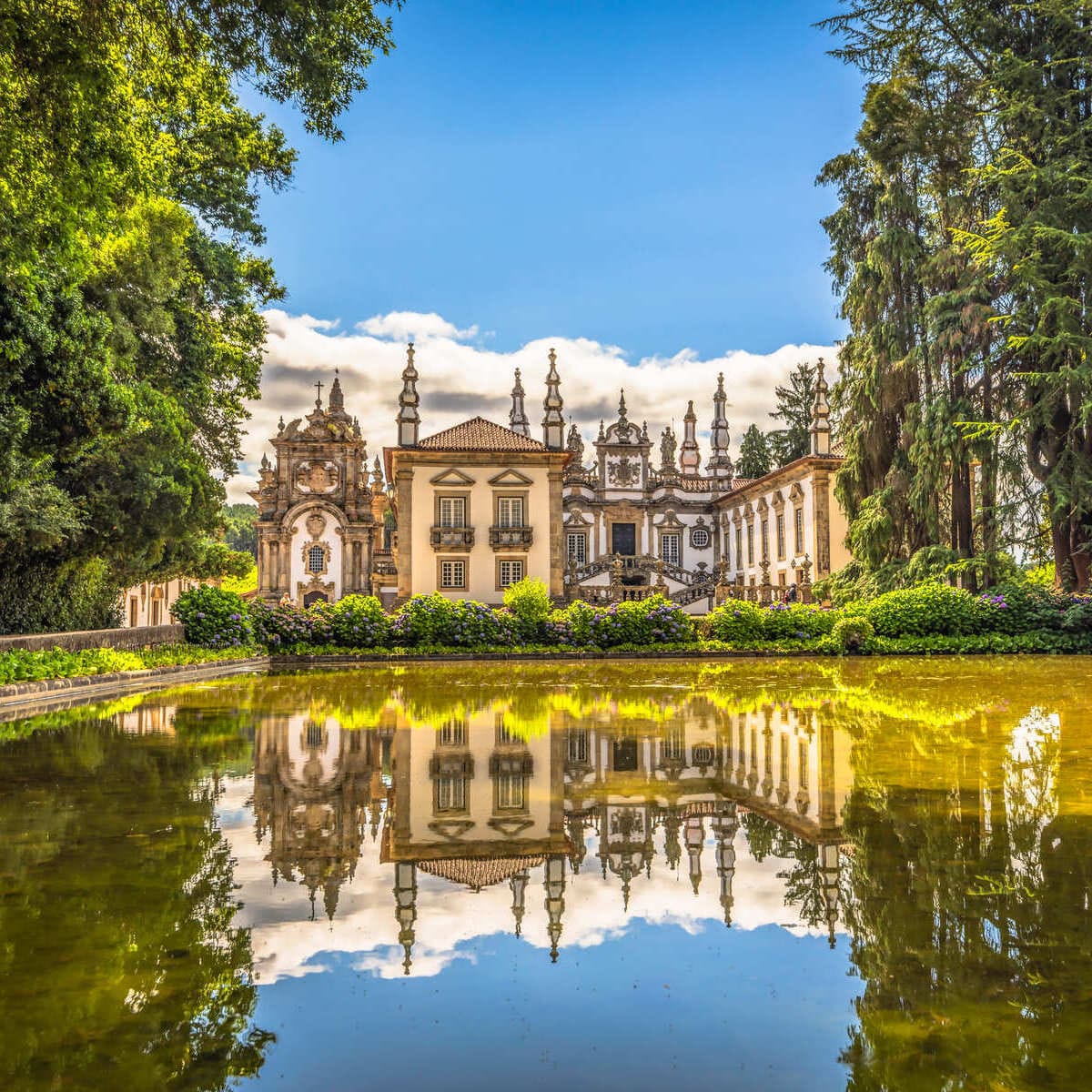
It is home to Mateus Palace, a 16th-century ensemble consisting of a country house, a winery and a richly decorated chapel. You can visit for its lavish rooms and gardens, or as part of an organized wine tasting tour.
At the heart of the historic center is the Church of São Domingos, a Gothic marvel built in the 14th century, and all around it arebeautiful cobbled streets discover. They don’t have big names on most maps, but this is a fairly compact city, so my advice to you is to just wander around.
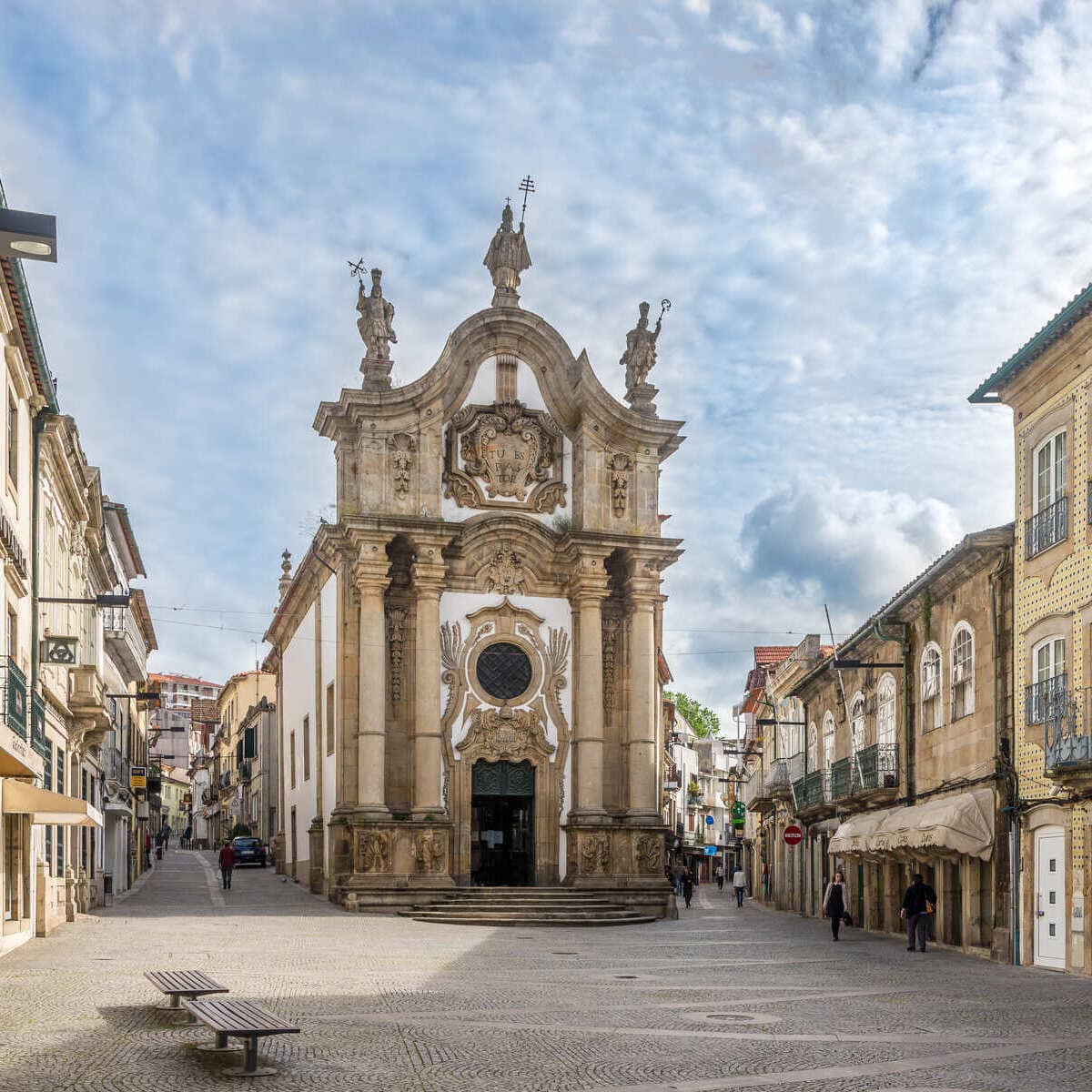
I’m sure you’ll find hidden corners and that incredibly photogenic little square on your own.
A 12-minute taxi ride away, or if you don’t mind the scenic walk, a 36-minute journey, Panoias Sanctuary is a Ancient Roman archaeological zonewith engraved basins carved into granite boulders. According to available information, it used to be a place for purification rituals.
The best part? It only costs €2 ($2.36 to visit).
Silves
A fortified settlement in the Algarve about twenty kilometers inland from the coast proper, Silves is a virtually intact Moorish-era castle town that for a brief moment was even an official contender for the capital of Portugal.
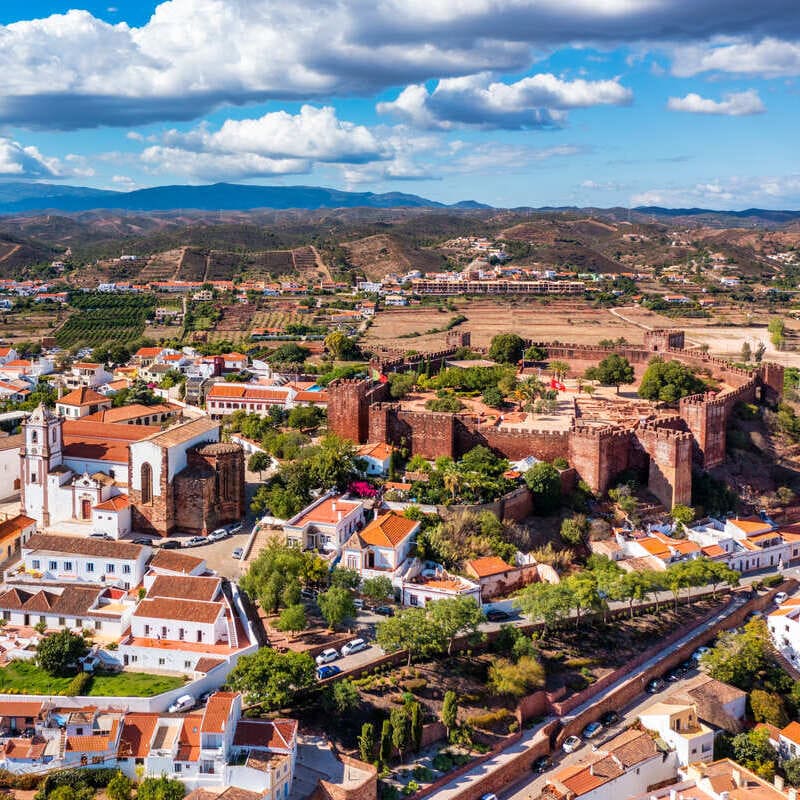
You wonder why? The striking red sandstone Moorish castle built here in the Middle Ages rivals that of Lisbon in power:
Located on the hill that rises above the whitewashed Old Town, it completely dominates the skyline, with thick stone walls, battlements and watchtowers running around the entire hilltop.
When I visited Silves, my favorite thing to do was walk along the walls. The views of the green hills of the Algarve and their rolling vineyards as far as the eye can see, and all the farms in the distance, are hard to beat.
Silves is also one of the best preserved Moorish towns in Europe.


If you’re not sure what that means, for about eight centuries, large parts of Portugal (and Spain) were in fact controlled by Islamic caliphates from modern-day Morocco. The red-tiled roofs, flower-filled patios and abundance of fountains, ideal for religious ablutions, are virtually a living Moorish memory.
Last but not least, the cathedral is a must-see:
It used to be a mosque and was converted into a church by the Christians after the ‘reconquest’ in the 13th century. It masterfully combines Islamic architecture, with geometric motifs and subtle arches, Iberian Gothic, visible in the rib vaults and stained glass work, and even Baroque altarpieces and decoration.
Penedono
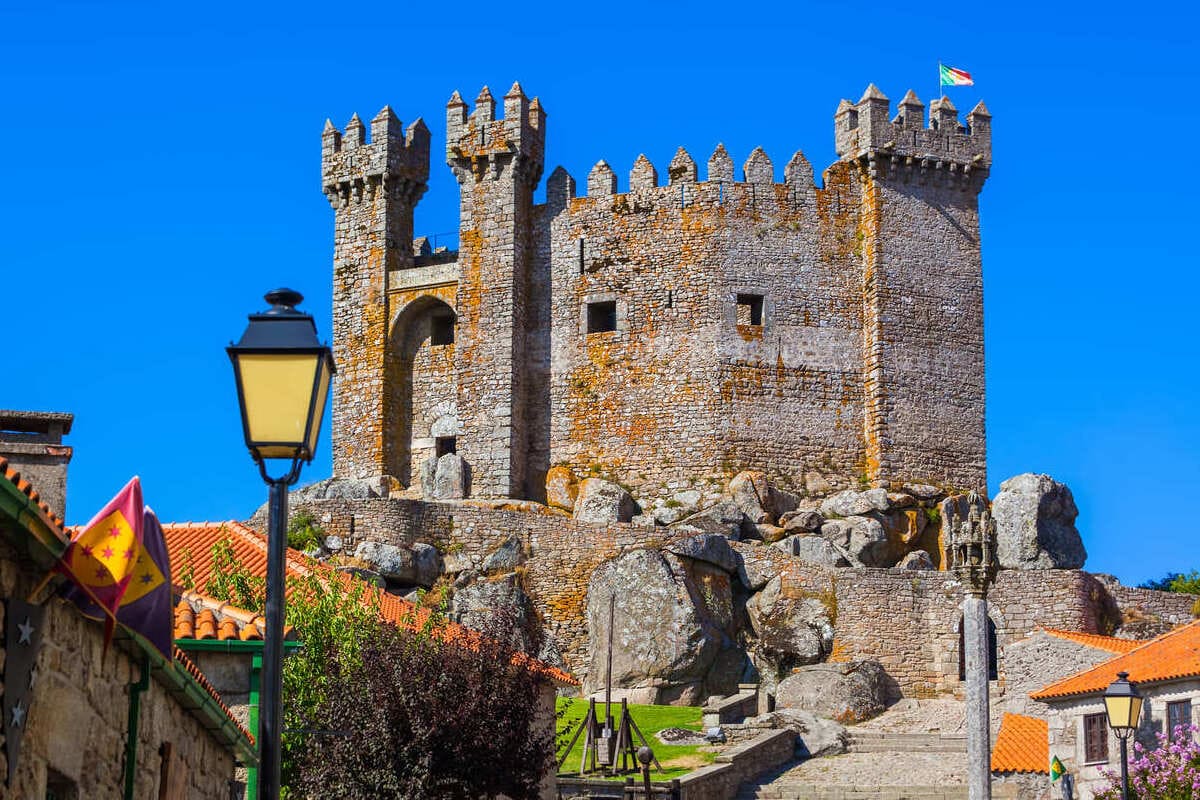
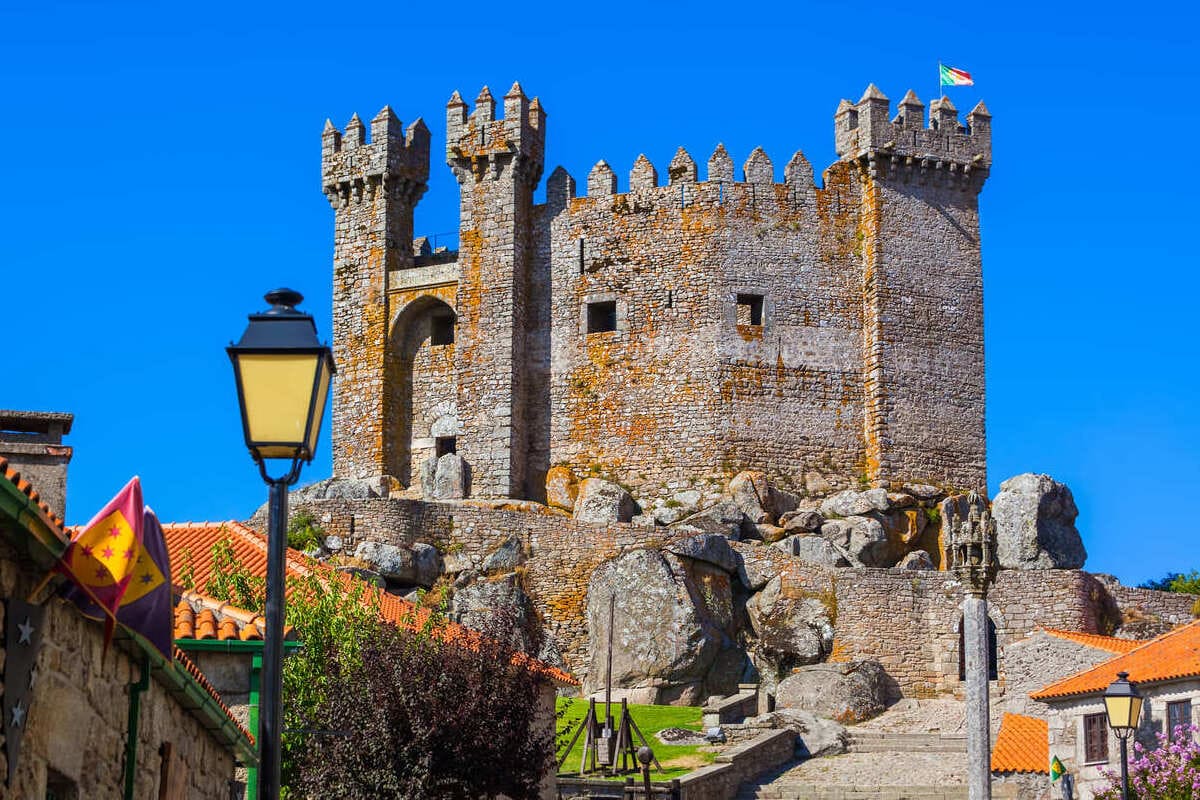
Penedono, some 210 kilometers northeast of Porto, is the medieval gem enjoyed by Europe’s usual lovers of castles and storybook towns not yet discovered.
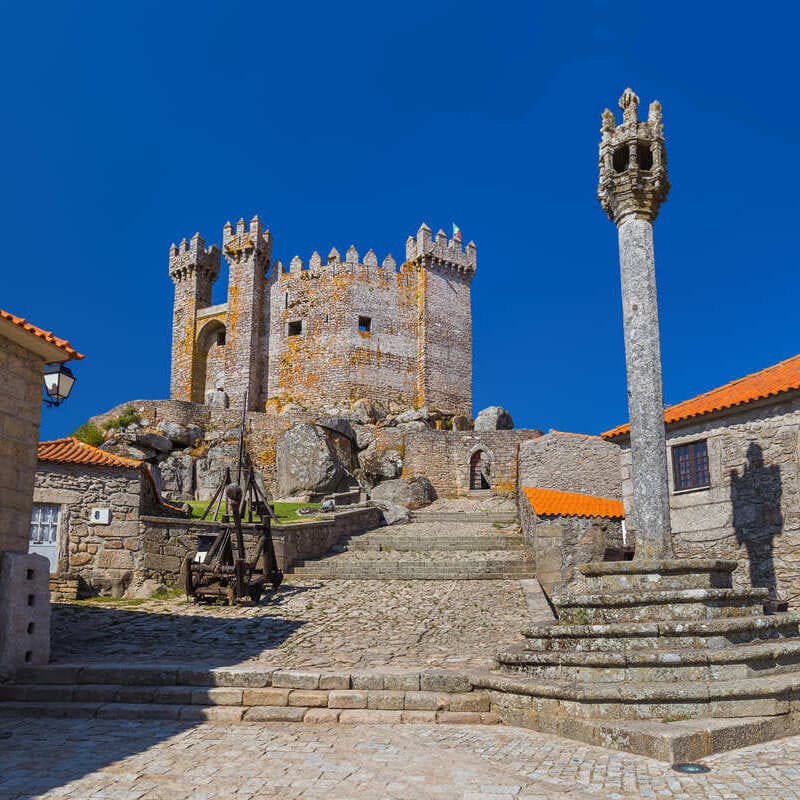
The standout landmark here is, as you might have guessed, the fairytale Penedono Castle, distinguished by its Disney-esque crenellated walls, irregular battlements and photogenic, time-worn towers.
It rose from the ground at the height of the Christian reconquest of Portugal, and as you walk through the narrow, arched gate into the main courtyard and onto the castle walls, you can almost hear the echoes of knights from long ago.
Like most Portuguese villages, it has quite a number of charming buildingsalthough the stone Matriz Church might steal the spotlight.
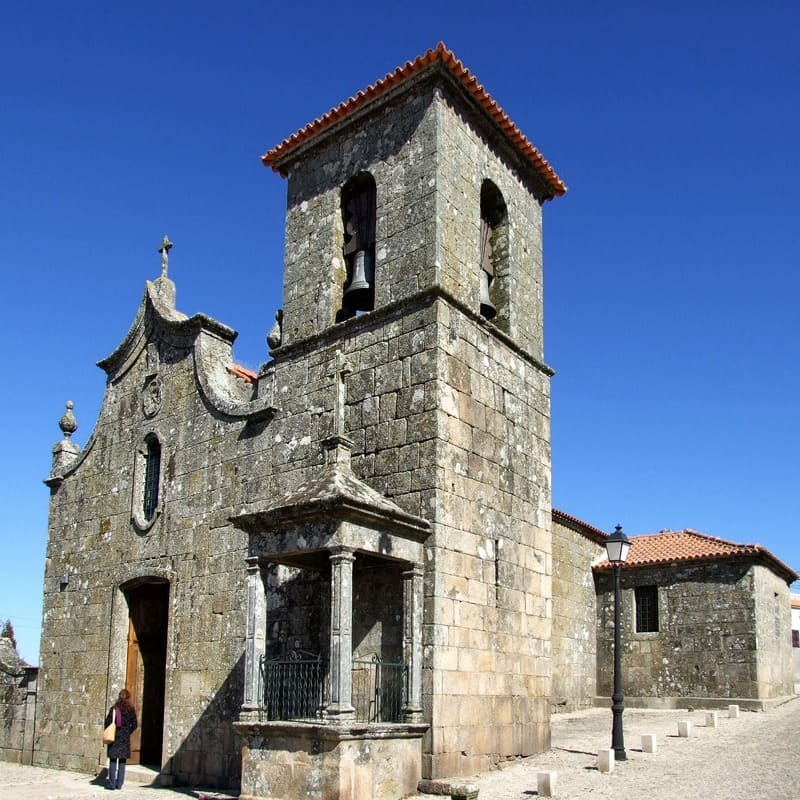
The painted wooden ceiling of the altar is unique and one of the most beautiful you will ever see.
Remember those Portuguese pastries we mentioned earlier?
Lisbon may release versions that seem a bit Tesco-esque every year, but Pastelaria Santa Eufemia in Penedono still serves crispy custard tarts on the outside and creamy on the inside, with a perfectly relaxed sit-down atmosphere.
Évora
A regional capital with a small town soul, Évora is the cultural heart of Alentejo, and an ancient settlement from Roman times that still revolves around a UNESCO protected historic center:


The Temple of Diana stands proudly in the heart of the city’s main square The best preserved building from the Roman period in Évora: built around 10–20 AD, with surviving columns of the Corinthian order, built in the thinnest, most decorative form.
Just a stone’s throw away is the local ‘Sé’, the cathedral, an architectural monument combining Romanesque and Gothic styles. In addition to visiting the beautiful medieval monastery and the interior of the cathedral, be sure to climb to the roof terrace for a panoramic view of Évora.


The old town itself is an absolute wonder to wander around: imagine a cobbled maze, lined with those quintessential Iberian chalk-white buildings, traditional boutiques and family restaurants.
If you’re planning to feast on those Alentejo classics, Fialho is the place to go: lamb stew, pork cheeks, migasrich desserts, you name it. Just make sure you book in advance: it’s quite popular with the locals themselves, and can get fully booked on weekends.