

The home base of a photo-perfect old city of Rolling Hills, Baroque churches and a picturesque river front, it is safe to say that Lisbon is easily one of the most incredible city breaks in Europe.
No matter how charming it can be, it is also worth pointing out that Lisbon is now one of the Most Retitouristed Cities in the old continent. With the rising popularity of Portugal, it is not as if the figures decrease quickly.
Happy, this one 4 much smaller historic cities A short 1h-2h distance is just as beautiful and crammed with medieval wonders with many more breathing space:
Óbidos
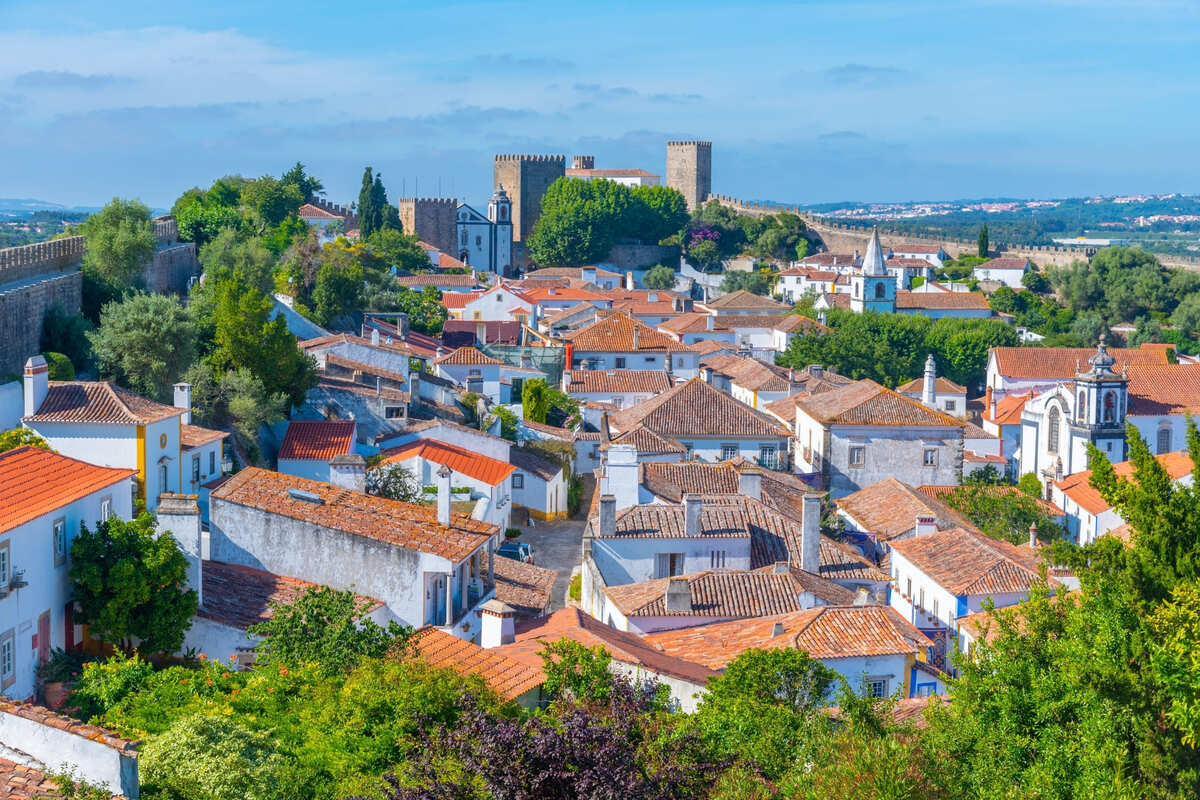
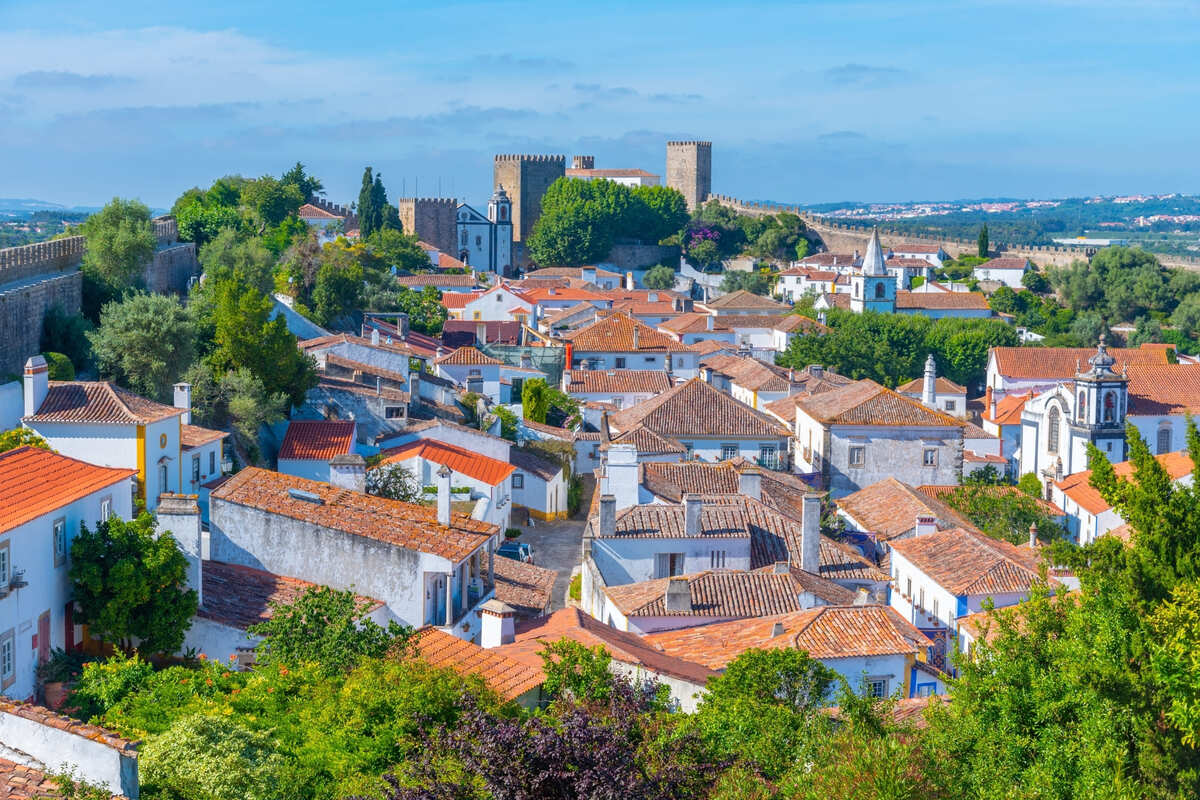
A small village of approximately 3,100 inhabitants, a train of 1h49 away from Lisbon, or an even shorter 1h driving, óbidos stands next to Carcassonne, in France and Dubrovnik, in Croatia, as one of Europe’s most preserved medieval drawings.
The old city seems copied and stuck Straight from a story book for children: It has a beautifully preserved paved center, with narrow alleys arranged in a maze -like way, all covered with whitewashed houses and surrounded by walls.
Unlike being incredibly picturesque, óbidos will certainly appeal to the sweet devils there are: it is the proud home Ginja de óbidosA unique cherry liqueur served in an edible homemade chocolate cup. For the best cheeky Ginjinha Go to the city right away Bar Ibn Erik Rex.
Arenas
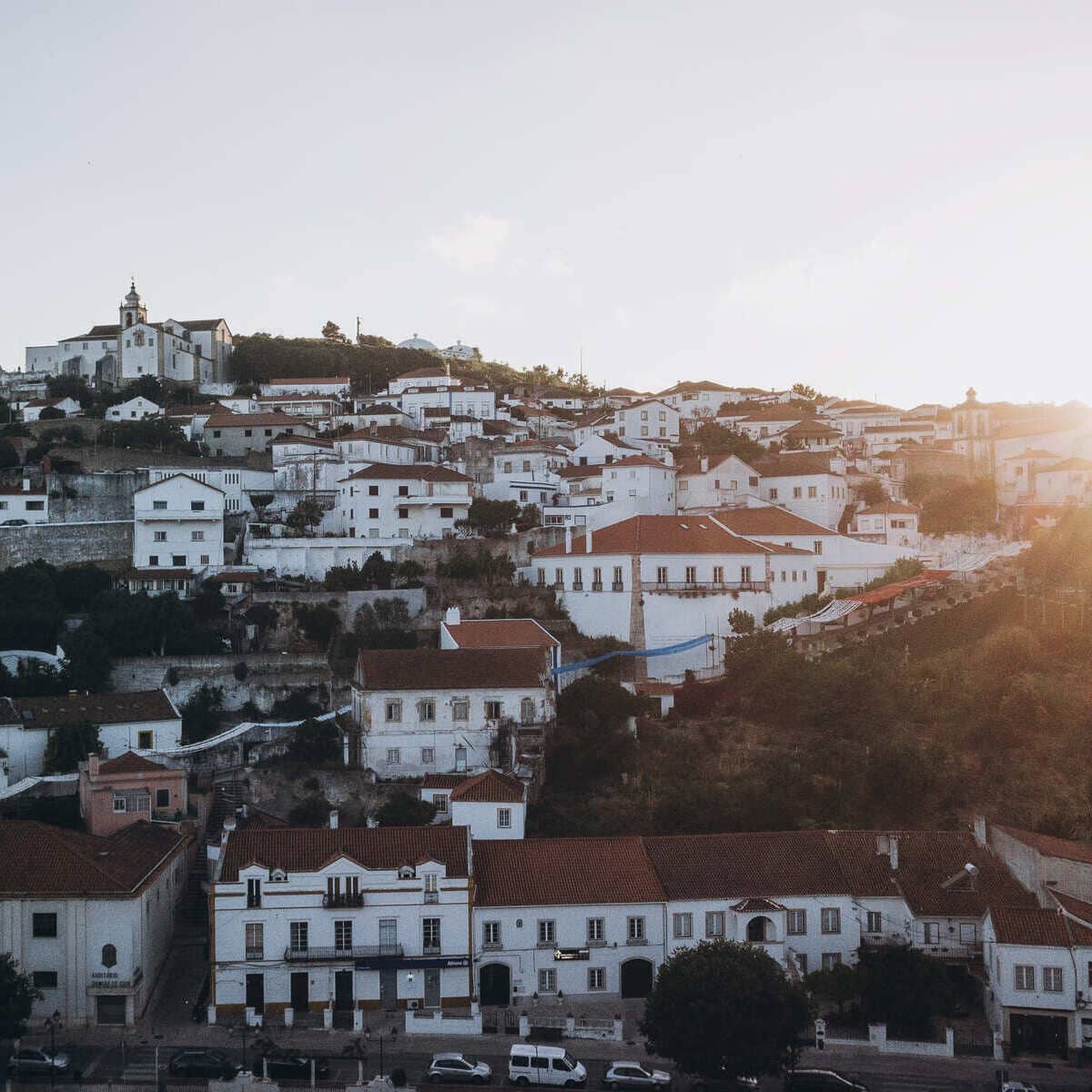
A hilltop city with more than 44,000 inhabitants, a 1 -hour bus ride from Lisbon (there are no trains on this route), Alenquer is one of those rare cases of a Portuguese city that still needs to be ruined by the overwhelming levels of tourism of the country.
Just like óbidos, It is monitored by medieval walls and strewn with medieval monuments, from the 12th-century castle of Alenquer, to graceful churches such as Igreja de Santa Maria da várzeaCharacterized by his rib-vintage ceiling and mix of Gothic and Portuguese Manueline elements.
Portugal is celebrated on a large scale because of its wine, and for our fellow -ups, Alenquer is officially a wine region. Some of the best red in the country come here, including the Thick, velvety CastelãoAnd if you drive, make sure you on the Quintas de Alenquer Route, visit 12 estates nearby.
Palma
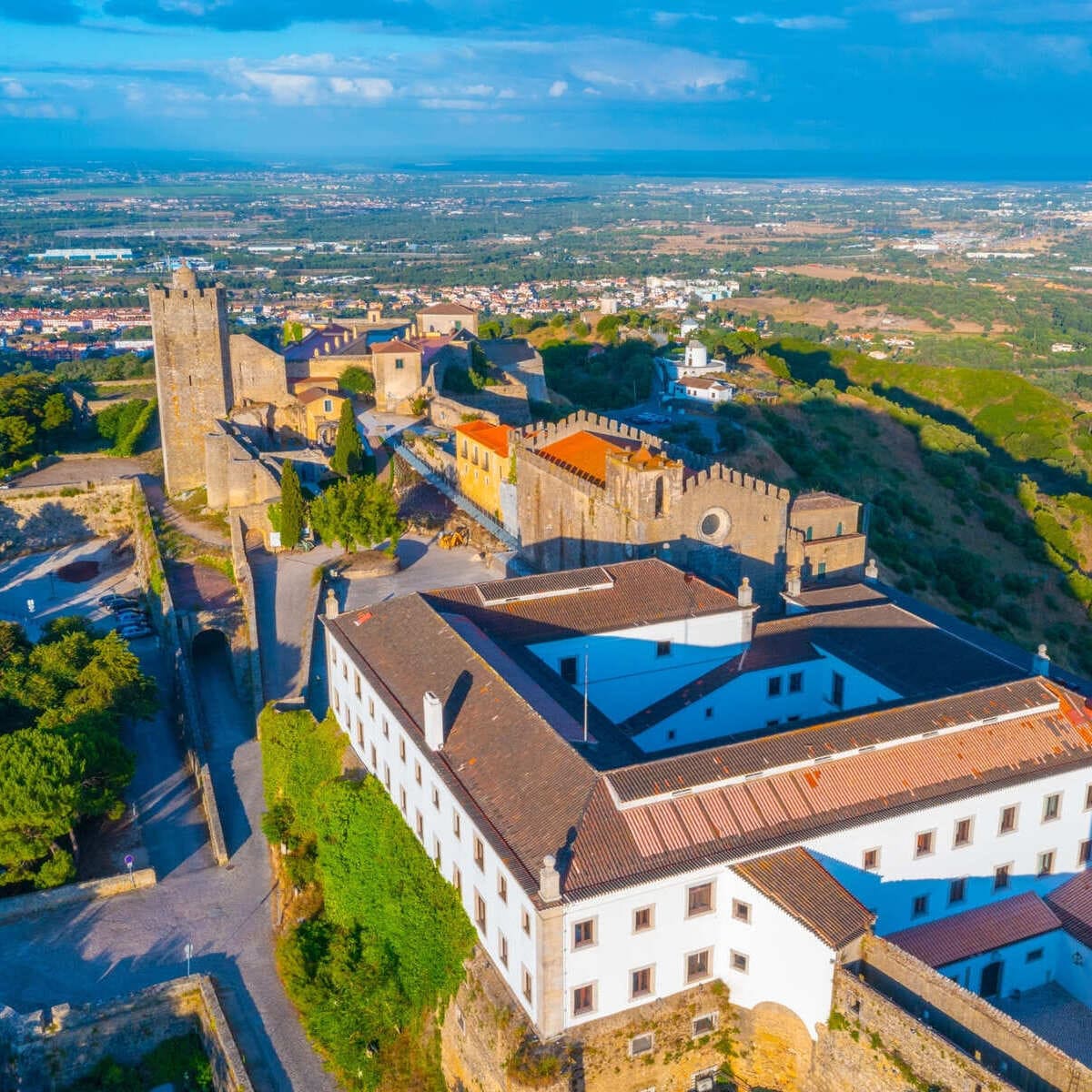
A handy ride of 37 minutes from Lisbon, over the tagus, and in the Setúbal district, you will find Palmela, a 63,000 people strictly in it Castle Town was on a prominent hillWatch out on the Atlantic Ocean, and even the Portuguese capital far into the distance.
The most important attraction of Palmela is the Moorish fort, built by Islamic conquerors who were present in Portugal for a number of centuries before the Christians took over again. The castle now houses one pousada (Portuguese for guesthouse), and a historic church.
If you come here for the wine and the food, you must know Palmelas Castelão, A reinforced wine made from a red grape that thrives in sandy soils, can be found here in abundance, as well as Queijo de AzeitãoA characteristic, spicy sheep milk served with salted meat and fresh olives.
Alcácer Do Sal
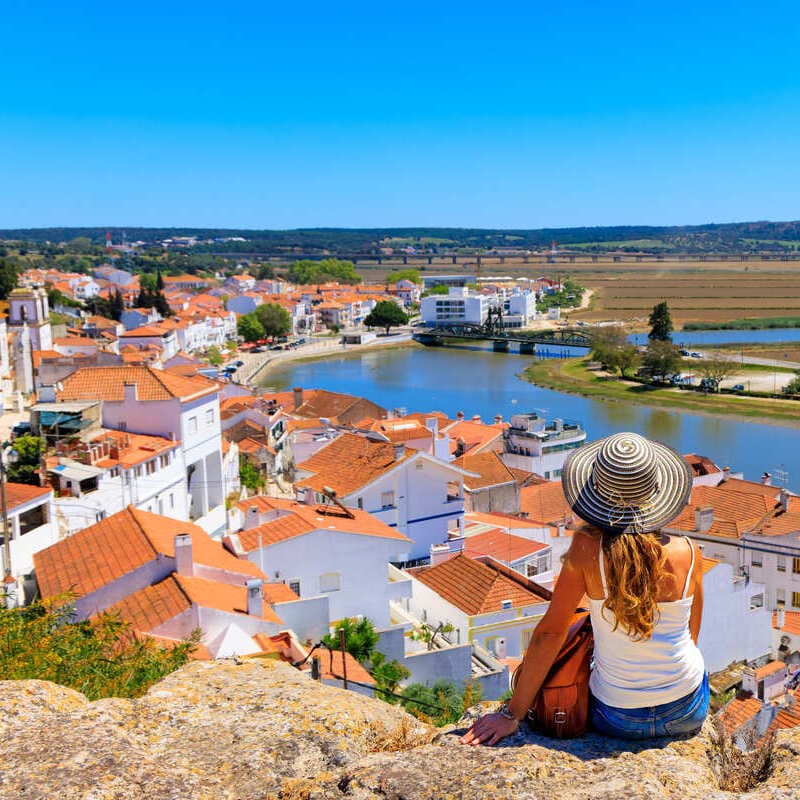
Alcácer Do Sal dates more than 2,700 years, so that it was one of the oldest continuously inhabited cities in Europe, Alcácer Do Sal was founded by the Fenicians, and further developed by the Romans, and later on the Moors as a trading post.
It expresses itself about the important Sado River, notorously known for its salt production and fishing culture, and between the Fairytale Medieval Castle And the idyllic stone paths, peppered with family restaurants and boutique shops, has a lot to offer Alcácer to tourists.
The most important thing is that it is known as the rice capital of Portugal, and a large part of the local cuisine has the basic grain: duck rice, rice with seafood, sweet rice desserts … you name it. Make sure that you View the appropriate mentioned O Arrozeiro (the rice maker), directly on the banks of the Sado.
Order a starter + a main rice dish + dessert And A drink will return you between $ 25 – $ 35.

Subscribe to our latest messages
Enter your e -mail address to subscribe to the latest Breeknieuws from Path, directly to your inbox.