

Share the article
We scored ourselves a new one, guys.
To all our fellow train enthusiasts among us, this year is truly the year that Europe took its rail renaissance to the next level. Every two months a new route is launched between two unlikely cities – in some cases from Switzerland all the way to Scandinavia.
If you want to skip the chaos of airside travel this summer, this new night service connects three of the Old Continent’s most exciting, yet perhaps underrated, cities, from Byzantine Orthodox cathedrals to towering Ottoman minarets… only this summer and spring.
Direct trains from Europe to Turkey are back on track
After a six-year suspension since, ahem, COVID – remember? – there are finally direct international trains relaunch from Bucharestthe capital of Romania, via Sofia, its Bulgarian counterpart, all the way to…Istanbul in Turkey!
The start date is June 12, 2026where daily activities will run smoothly until October 12.
Chances are you’re probably only vaguely familiar with the latter, while you’ve vaguely heard of the other (unless you’re a Travel Off Path reader of course), so don’t worry, we’ll get to that in a moment.
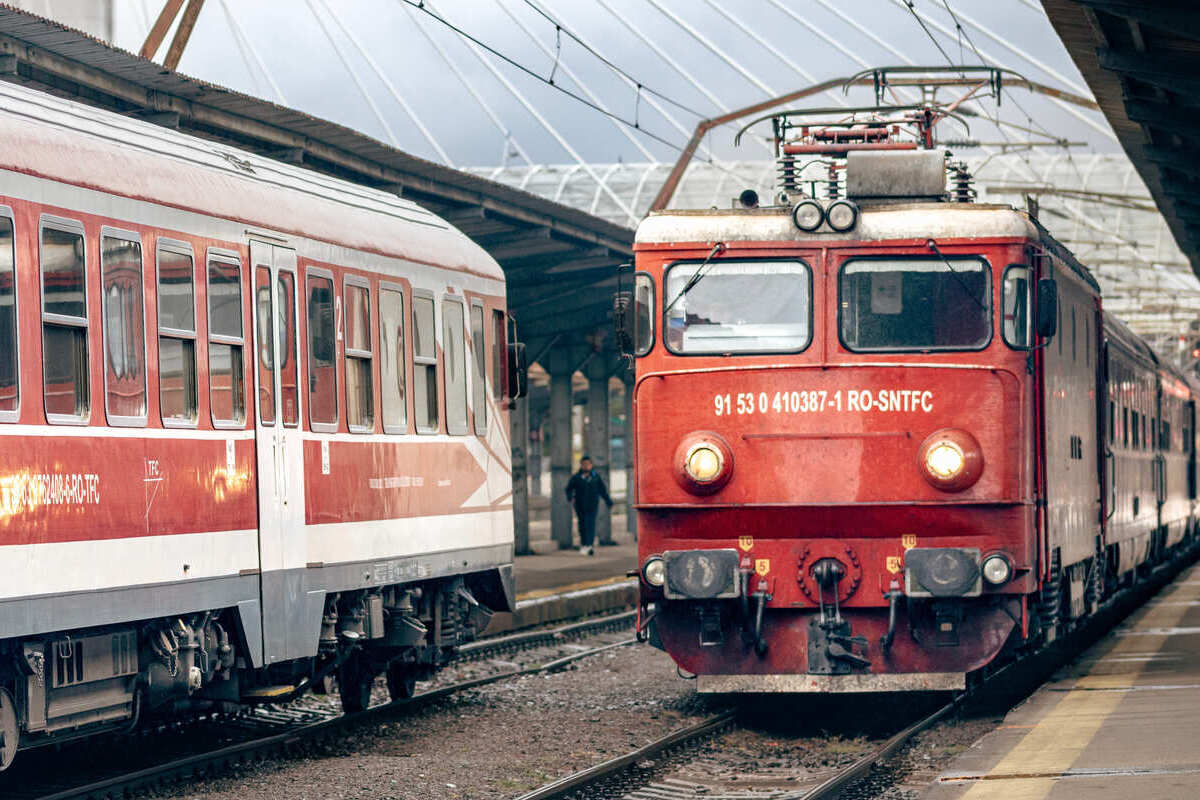
First, let’s take a look at this shiny, new, revamped train, operated by the Romanian national railway company CFR Călători. To keep it short, it works like this:

- This will be one departing trainfrom Bucharest North
- It will have different destination sections (carriages) that split along the way
It’s ‘direct’ in passenger terms, in the sense that you don’t have to get on and off the train at different stops to reach your final destination (if that’s Istanbul), but if we’re being precise: it’s not a single, uniform train at all (in the physical sense of the word).
Sound complicated? Let’s break this city:
Everything you need to know about the new train from Romania to Turkey
The ‘full train’ leaves from Bucharest Nord at 10:46 am dailyarrival at Giurgiu Nord, the border crossing between Romania and Bulgaria, at 1:08 PM.
Unlike half a decade ago, when border officials boarded the train, collected your passport and you had to wait anywhere from 1 to 2 hours to get it stamped back, there are no longer border controls between Romania and Bulgaria.
This is because both countries are now part of the Schengen area and passport control for travel between both countries no longer applies.
The arrival of the train in Sofia, the capital of Bulgaria, is set at 8:41 p.mand that’s when the nighttime stretch officially begins.
The train stops for a longer scheduled break, after which it is checked, reorganized and reconfigured. The cars of passengers bound for Sofia are uncoupled and parked in the Bulgarian capital that is the end of their journey.
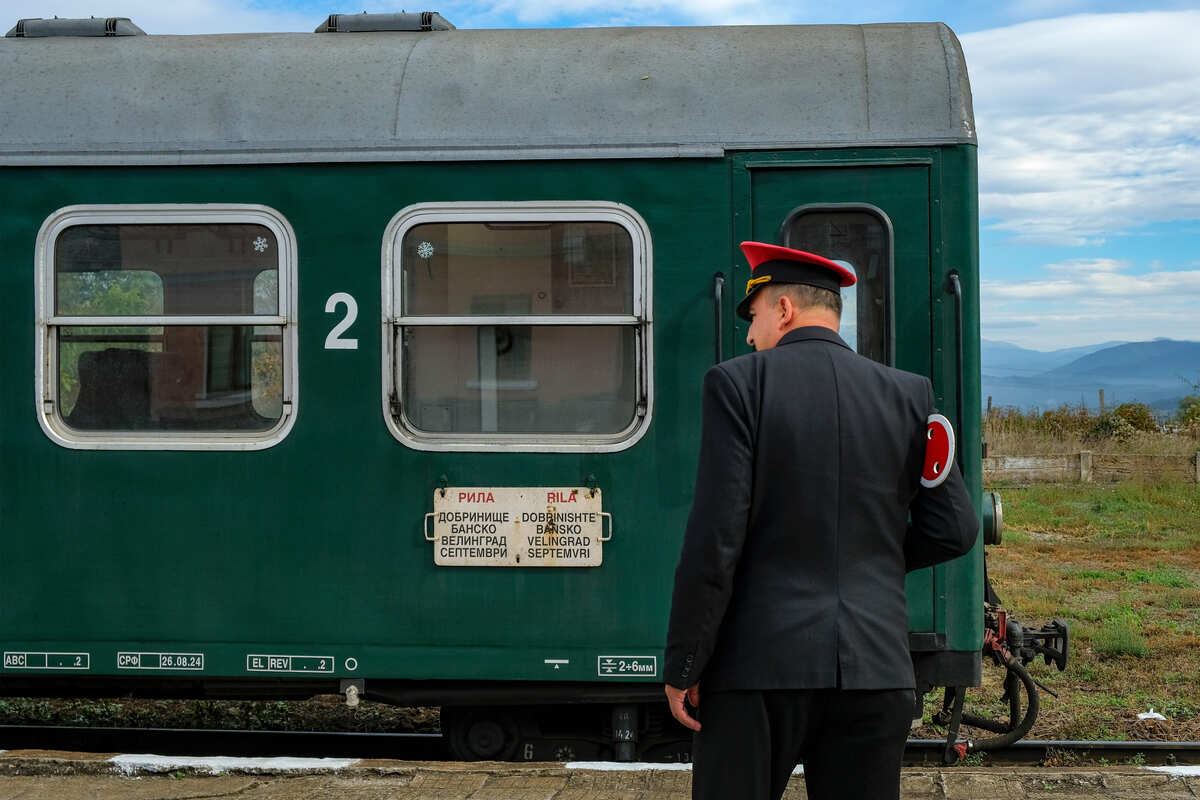
For the Istanbul route, night carriages/couchette carriages are held and prepared for the night flight to Turkey, with the arrival in Istanbul, the final destination, scheduled for 9.56 am the next day.
Unlike the border between Bulgaria and Romania, You shall have to undergo border controls go to Turkey because it is not part of the Schengen area.
If you are confused by the conflicting travel rules in different European countries, check the regulations applicable to US passport holders via the Entry Requirements Checker.
To summarize:
- Is it a direct train to the south From Romania all the way to Turkey? Yes.
- Do passengers traveling the full length of the route have to change in Bulgaria? No.
- Is it a single continuous trainset? No*
*If you have booked a standard seat for the day route between Romania and Bulgaria and a couchette for the night section, you will need to briefly get off the train in Sofia and change carriages.
The 3 Balkan powerhouses: which city trip should you choose?
Bucharest, Sofia or Bucharest?
Bucharest, Romania
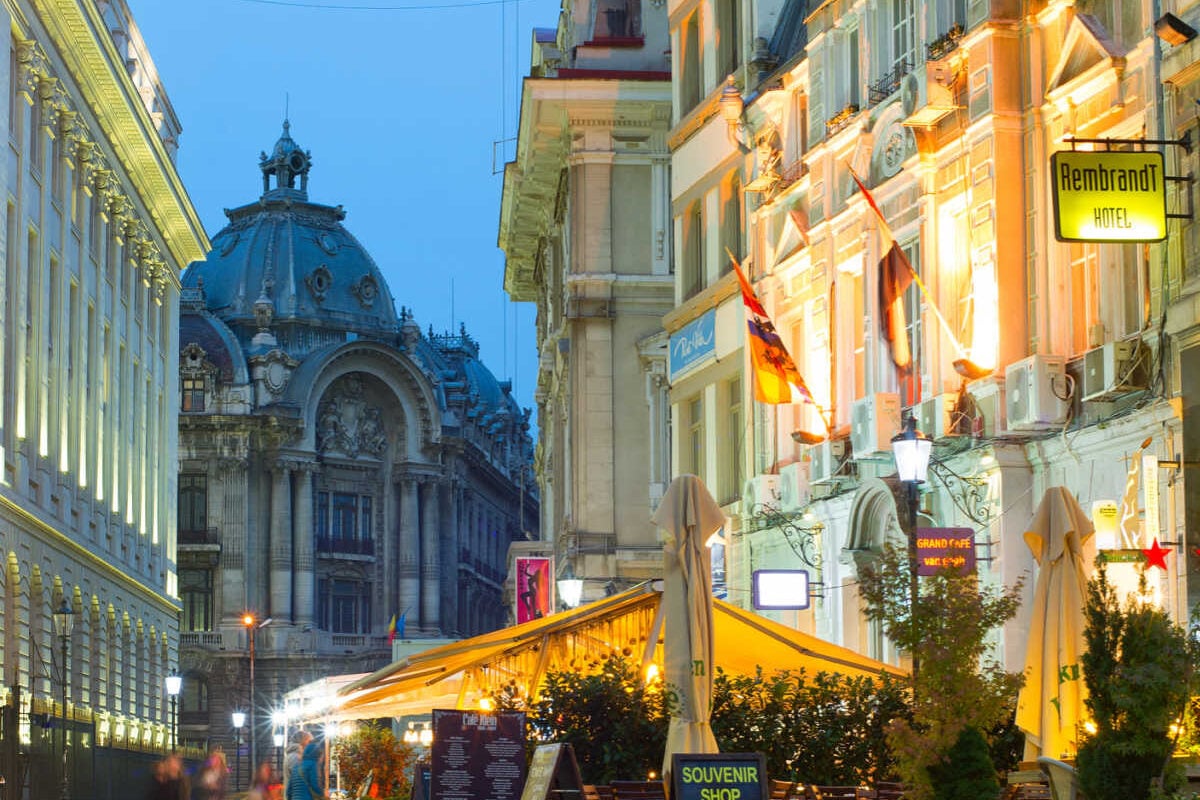
- Recommended length of stay: 3 days
- Perfect for: budget-friendly weekend getaways, park walks, gastronomic tours
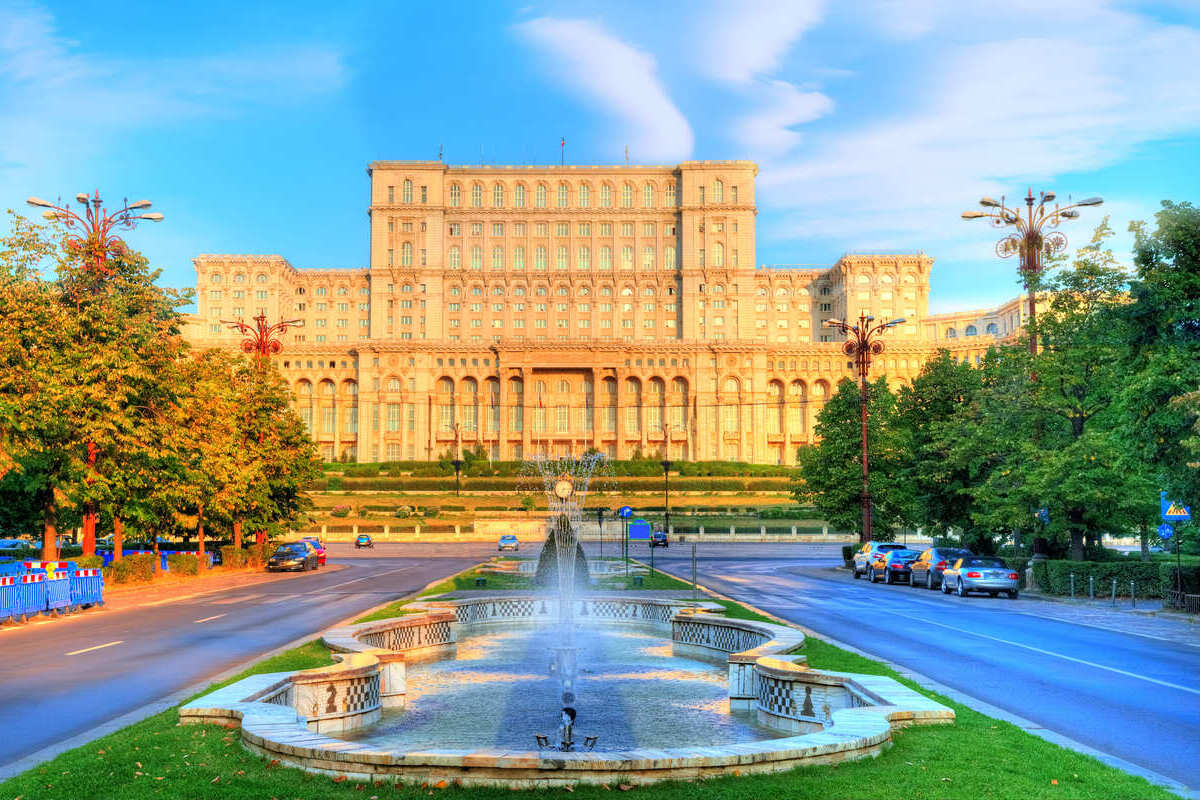
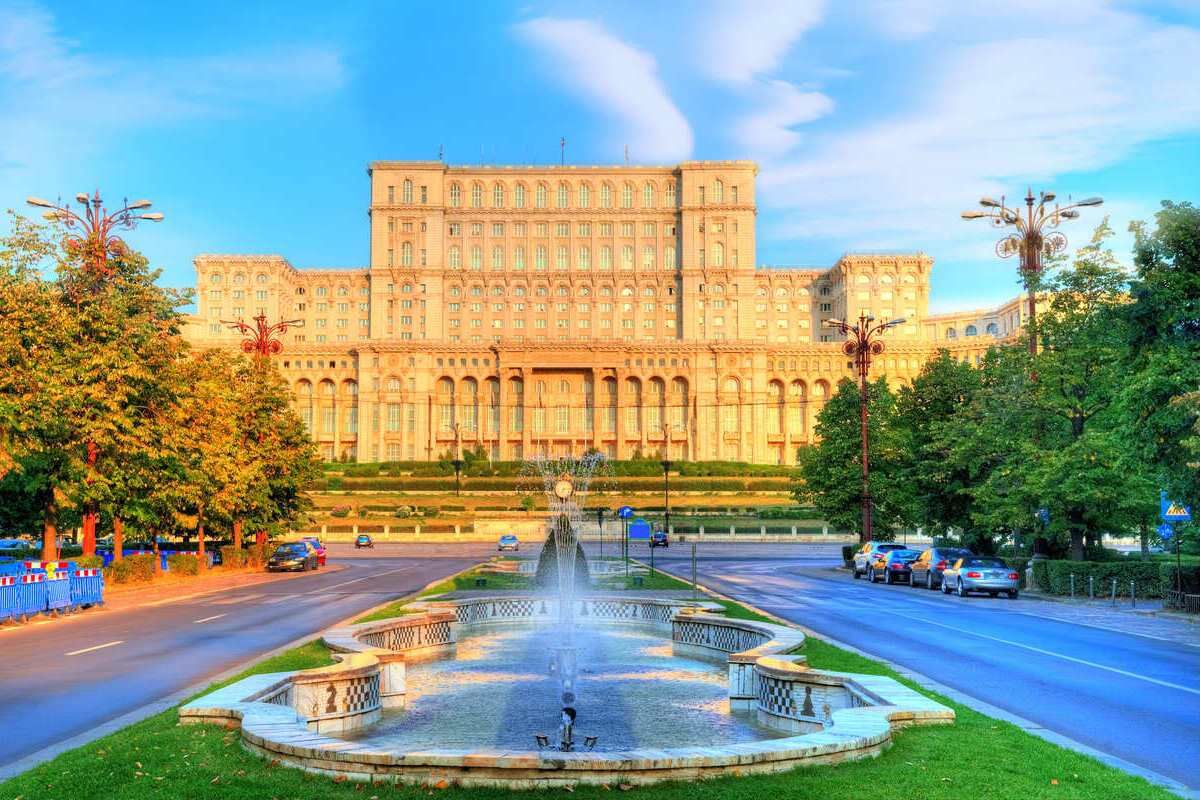
- Not to be missed: the Romanian Parliament, the Paris-inspired historic center and the day trip to Brașov
Romania’s sprawling capital, which, by the way, has recently started hosting transatlantic flights from New York – especially if you need an alternative entry point to the Balkans this summer – Bucharest is the most unusual, quirky and unusual European city break around.
Some call it the Paris of the East, for its tree-lined streets and Haussmann-inspired buildings that resemble the City of Light, but that’s a bit of an exaggeration.
You don’t really go to Bucharest for its beauty or its architectural grandeur, unless you like giant concrete blocks and enormous brutalist parliaments.Thanks, communism– but rather for the vibrant social scenehidden art galleries and park walks.
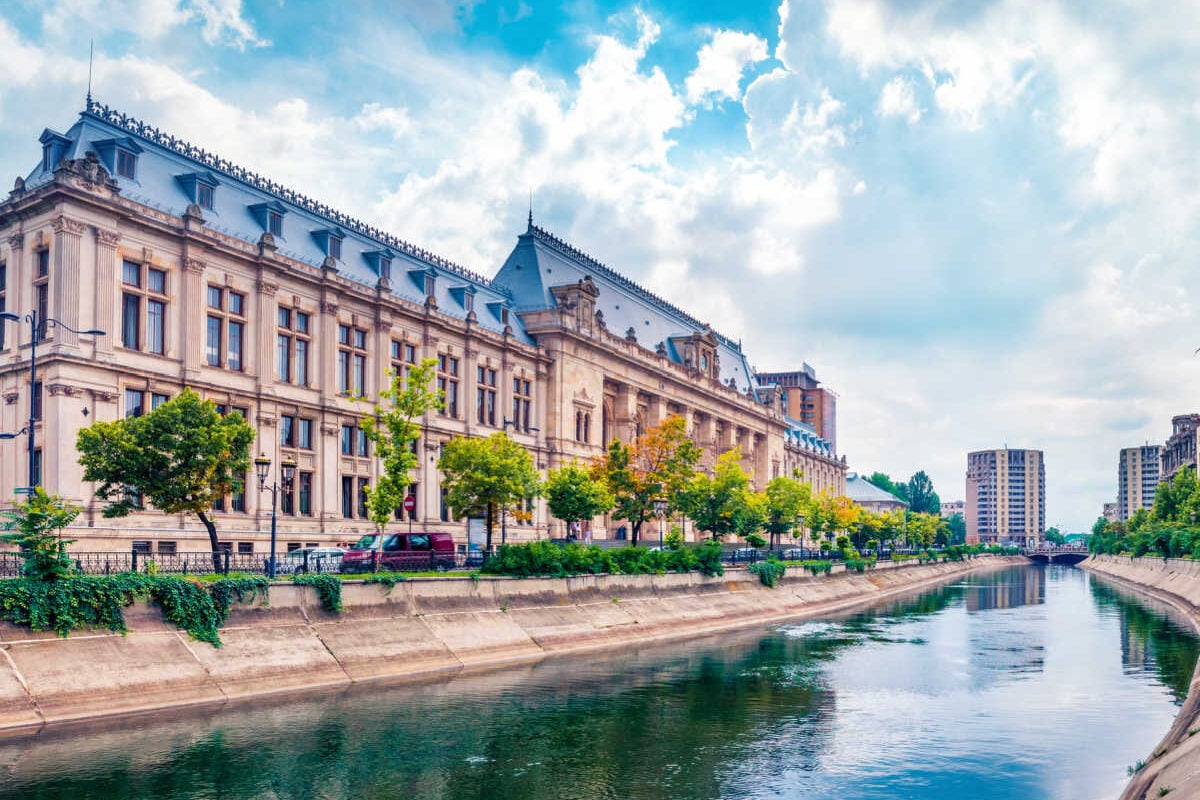
Plus, it’s just a bargain.
A beer at a local pub will only cost you $2 to 3, and if you’ve never tried Romanian food, boy, boy, are you in for a treat: a hearty ciorbaaccompanied by mici and some homemade mint lemonade costs an average of $10-15 at any downtown restaurant.
Bucharest is also a great starting point for exploring Romania: if you’re looking for an easy day trip, Brasov, one of Europe’s most beautiful medieval cities, is a short 2.5-hour train ride away (and from Brasov itself you can easily hop over to Bran, the ‘Dracula Castle’).
Sofia, Bulgaria
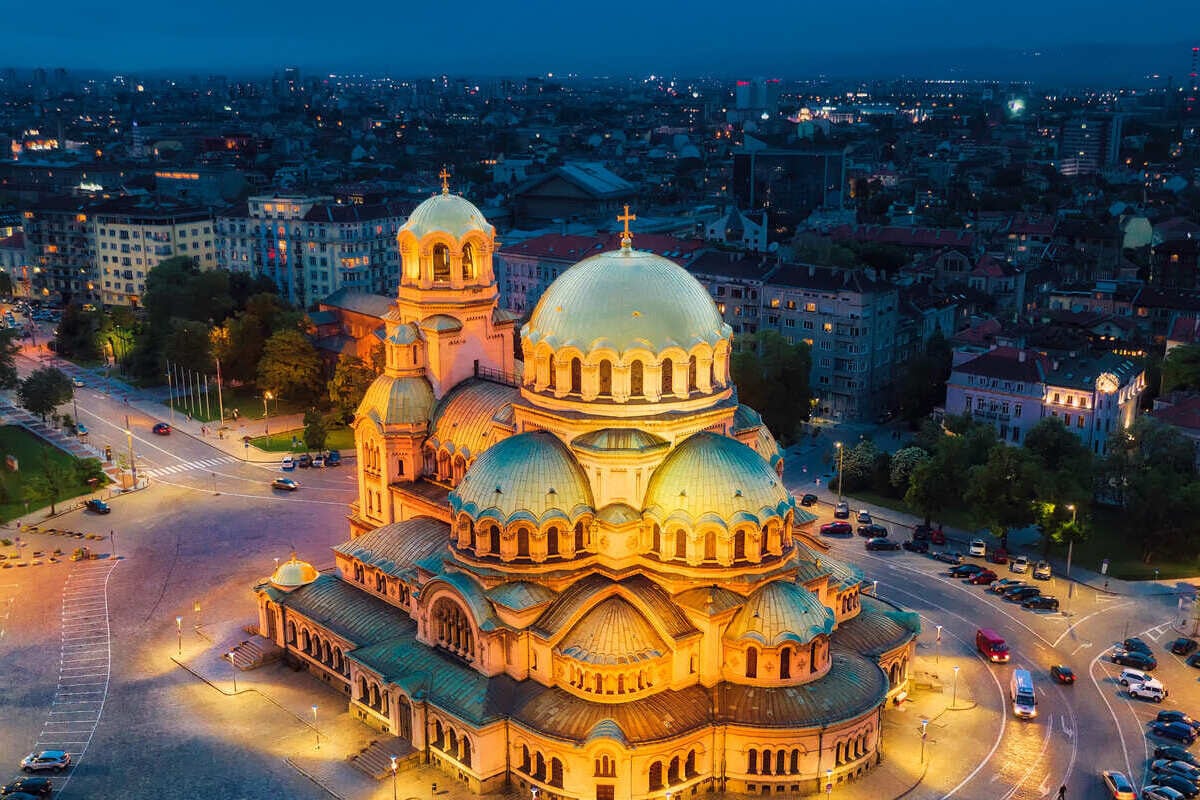
- Recommended length of stay: 3 days
- Perfect for: ancient ruins, carefree city walks, café culture
- Not to be missed: the Rotunda Church, the Alexander Nevsky Cathedral, the Boyana Church (on the outskirts of the city)
Sofia feels a bit like Bucharest in terms of its Soviet-inspired cityscape and rows upon rows of gray apartment buildings, with a little twist.
It happens to be one of the oldest cities in Europe, and shaped by all the great civilizations, from the Thracians, the Greeks, the Romans and the Ottomans, there are bits and pieces from every era literally scattered throughout the city.
It’s not exactly the most homogeneous, aesthetically pleasing cityscape, if you only know Europe from places like Paris or Milan: the gems and all that Old World beauty lie hidden in plain sight amid the oppressive communist disaster of the 20th century.
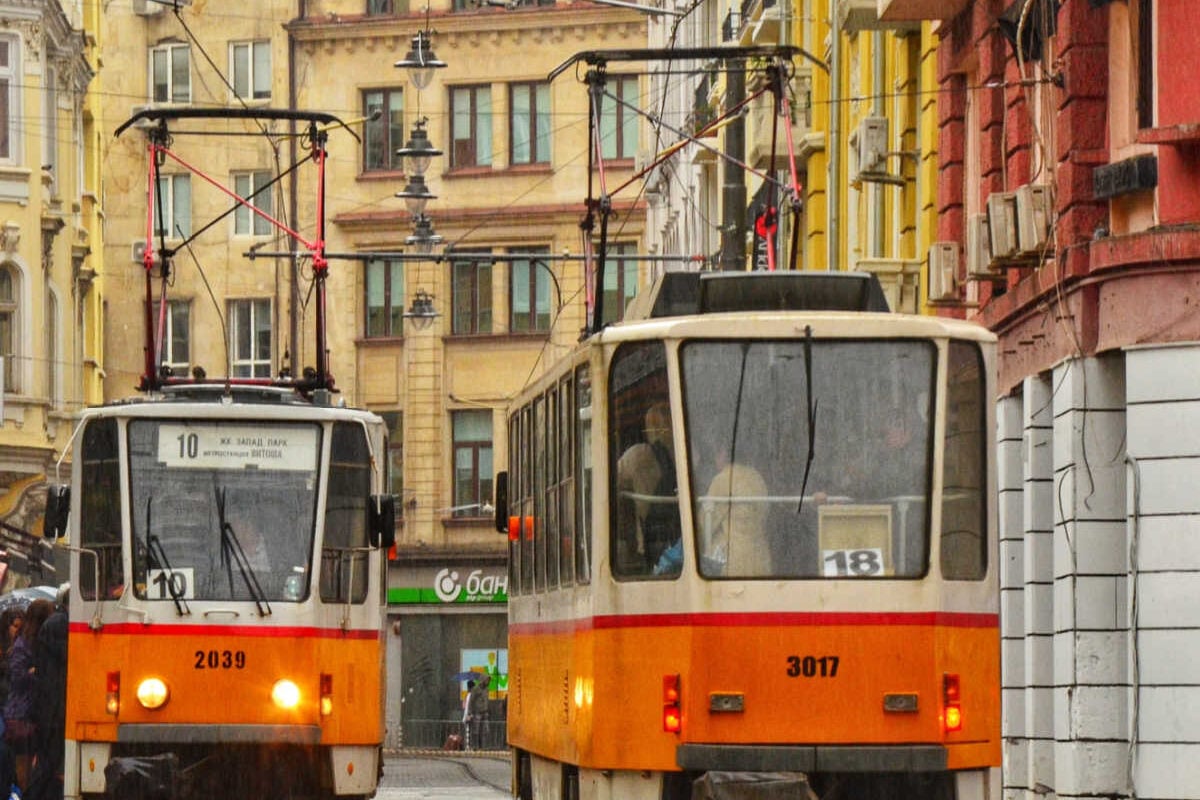
Consider, for example, St. George’s Rotunda, an early Byzantine church, tucked away in a secret courtyard surrounded by modern buildings, where baptisms still take place to this day, the ruins of Serdica, the ancient Roman settlement that preceded Sofia, right next to the metro stop of the same name, and of course: the architectural centerpieceAlexander Nevsky Cathedral.
With its mix of golden domes, green copper roof and impressive mosaics, it is probably the most impressive Orthodox cathedral I have personally seen… after the Church of the Savior on Spilled Blood, of course.
However, unlike Mother Russia, Americans have few safety concerns when visiting Sofia: the Traveler Safety Index is the best tool to measure safety levels across Europe, and Bulgaria scores an impressive 89 out of 100.
Istanbul, Turkey

- Recommended length of stay: 5–7 days
- Perfect for: bazaar shopping, hamman treatments, sightseeing sightseeing
- Not to be missed: the Rotunda Church, the Alexander Nevsky Cathedral, the Boyana Church (on the outskirts of the city)
The highlight of your overnight trip: Istanbul isn’t somewhere you really want to rush through.
Between the European and Asian sides, separated by the busy Bosphorus, there is a whole world to discover, from the ancient Roman cisterns to the Byzantine churches, and finally the bustling bazaars and towering Ottoman minarets that blast out the call to prayer from sunrise to sunset.
I have been to Istanbul more than 10 times myself—Yes, I love Turkey so much– and the reason I keep coming back is that, like places like Rome or London, this is a city with endless layers that I feel like I could never fully uncover.
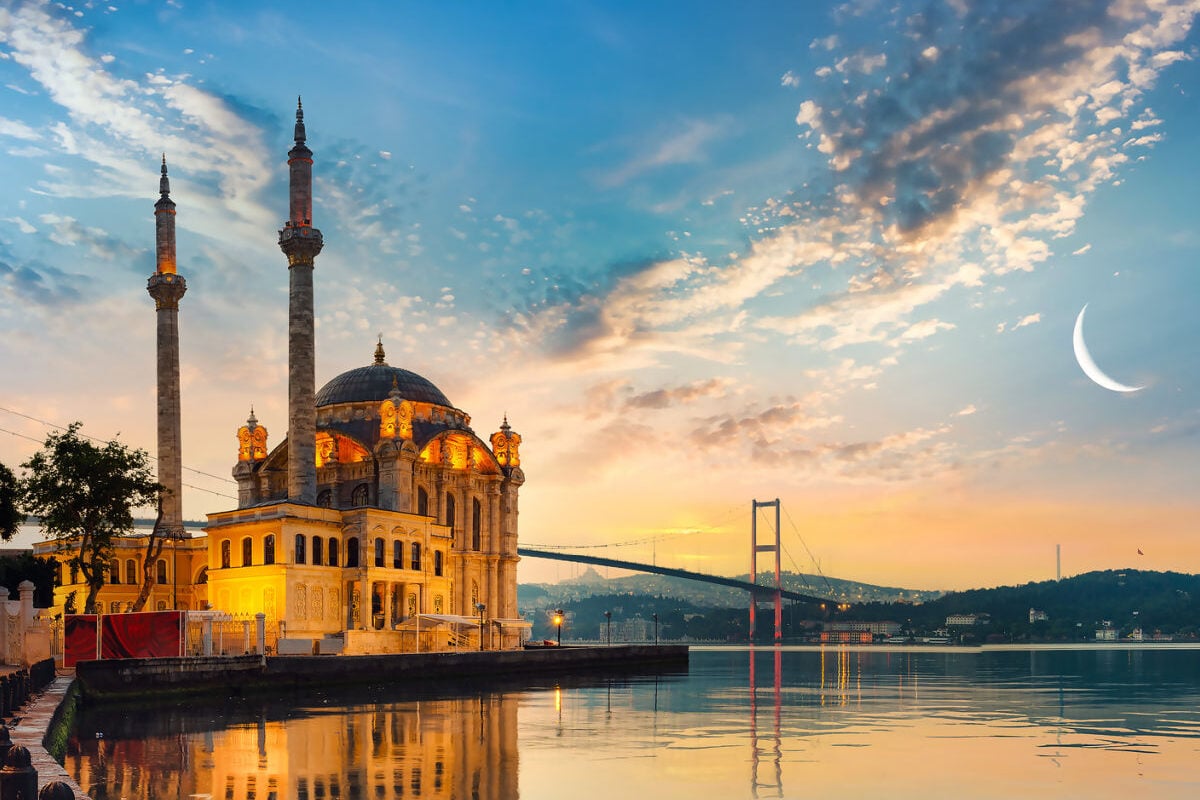
Every time I go I see something new and different that I hadn’t seen before.
If you ask me which sights are an absolute must-see for your introductory visit to Istanbul (trust me, you’ll be back) I’d say that Hagia Sophia, the former early Christian basilica with the iconic red dome, the Blue Mosque just opposite, and the Galata Tower, atop a hill across the water from the Historic Peninsula, are three of the top attractions.
No neighborhood in Istanbul feels the same either:
The Historic Peninsula is the place to go for old stuff and monument hopping. Beyoğlu (especially near Taksim) is the main hub for shopping and café hopping.
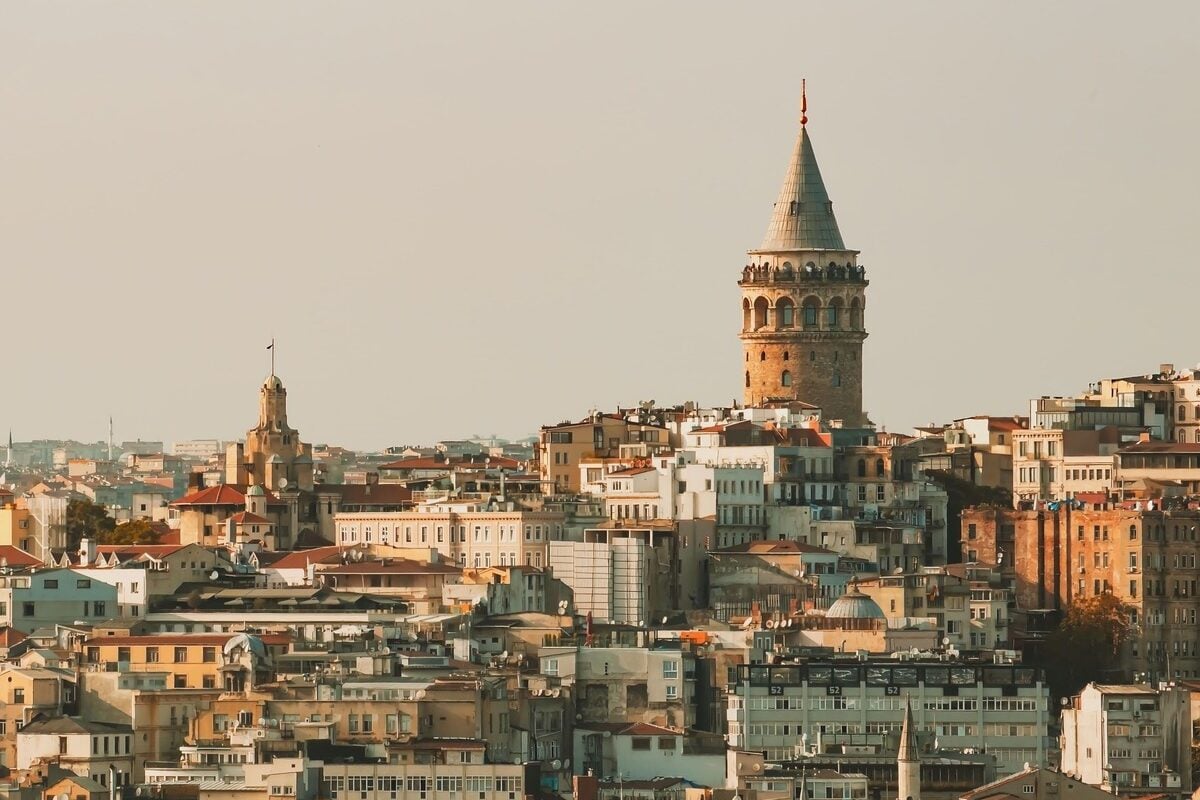
In Balat and Fener you will find the most beautiful collection of Ottoman verandas and pastel-colored facades, located at the foot of a striking red Greek Orthodox school.
Now, if you’re looking for those hidden spots that locals like to escape to on the weekends themselves, take the ferry to the Princes’ Islands, an archipelago that’s part of Istanbul’s metropolitan zone (your metro ticket will take you there too!), and spend a whole day visiting beaches and exploring Büyükada’s ancient Greek heritage.
From Romania, via Bulgaria, all the way to Istanbul: this is the the closest thing to an Orient Express experience you will get in 2026.


