


Share the article
The safety debates begin every year in February. If you look at the official travel advisories from the US Department of State right now, you will see a general level 2 warning: ‘Exercise Increased Caution’ applied to the Dominican Republic, and the exact same Level 2 warning for Mexico’s top tourist states such as Quintana Roo and Baja California Sur.
Read the official government text and you will immediately see serious warnings. The State Department warns of “murder, theft and assault” in the Dominican Republic, and warns of “terrorism and crime” in addition to violence from “terrorist groups, gangs and criminal organizations” in Mexico.
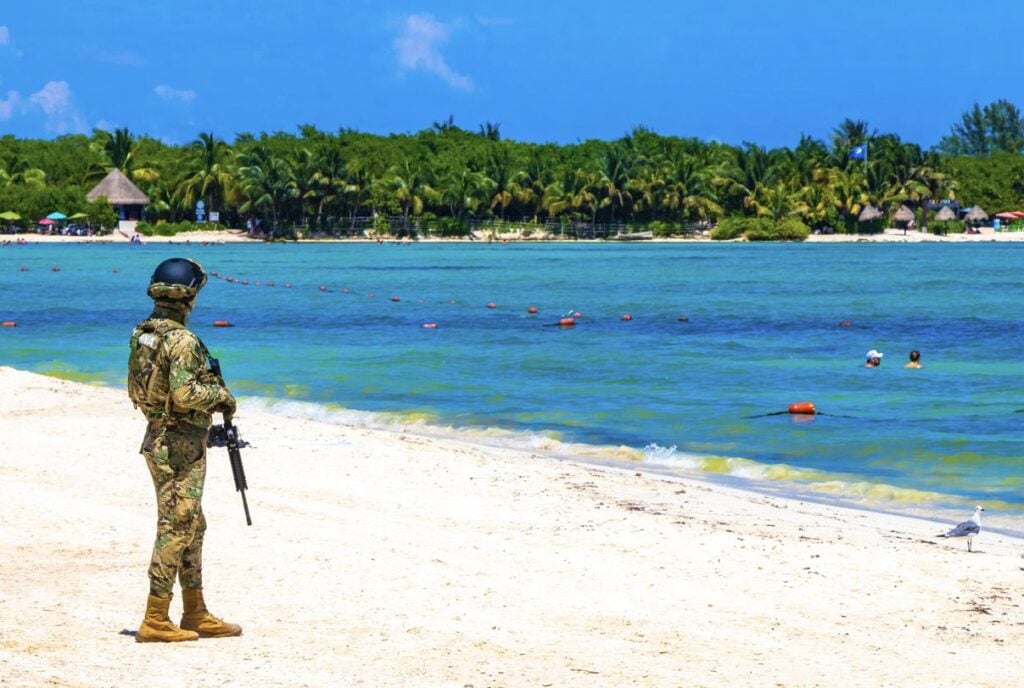
It’s enough to make anyone cancel their flight. But here’s the problem: These government warnings cover entire nations with one broad brushstroke. They rely on general, statewide statistics that do not reflect the highly secured, heavily policed reality in the tourist corridors of Cancun, Cabo or Punta Cana.
At Travel Off Path we believe that the only people who really know how safe a destination feels are the people who really know how safe a destination feels travelers who are now in it. To add some necessary context to these broad warnings, let’s look directly at the Safety index for travelers– a live, crowdsourced database in which tourists actively review their experiences on site and record security incidents in real time.
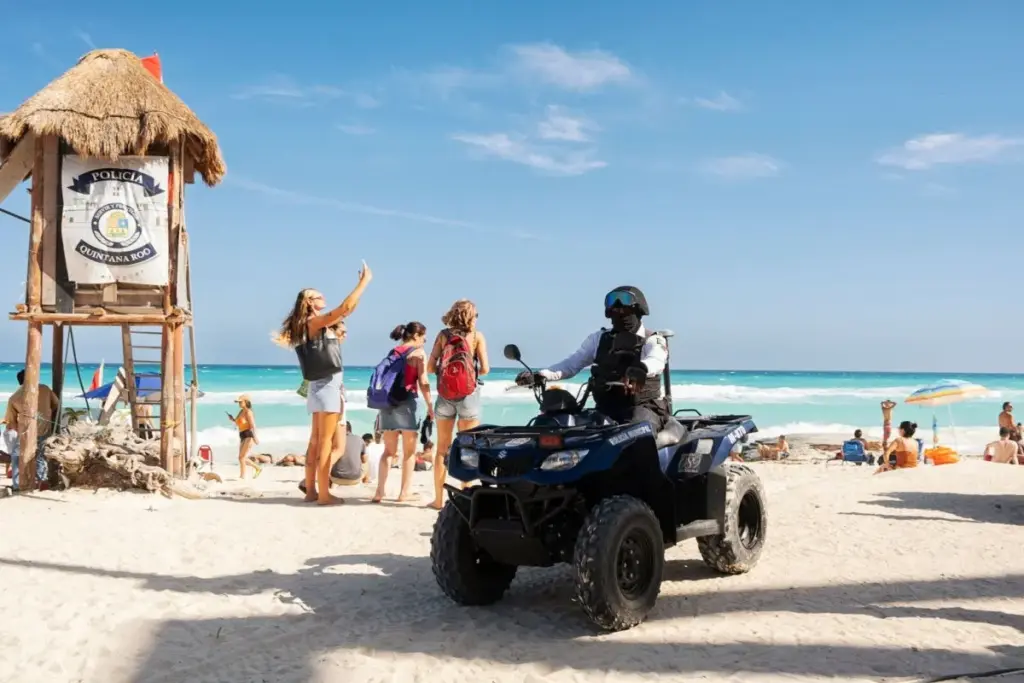
By demanding undeniable statistical evidence and sheer transparency, we have juxtaposed the government’s warnings against the actual reality on the ground. Based on hundreds of verified reports from travelers enjoying the sun today, here’s the real safety overview American tourists this spring break.
Be sure to share your own experience on site at the bottom of the article and let us know if you feel safe at the moment.
1. Cabo San Lucas: the gold standard
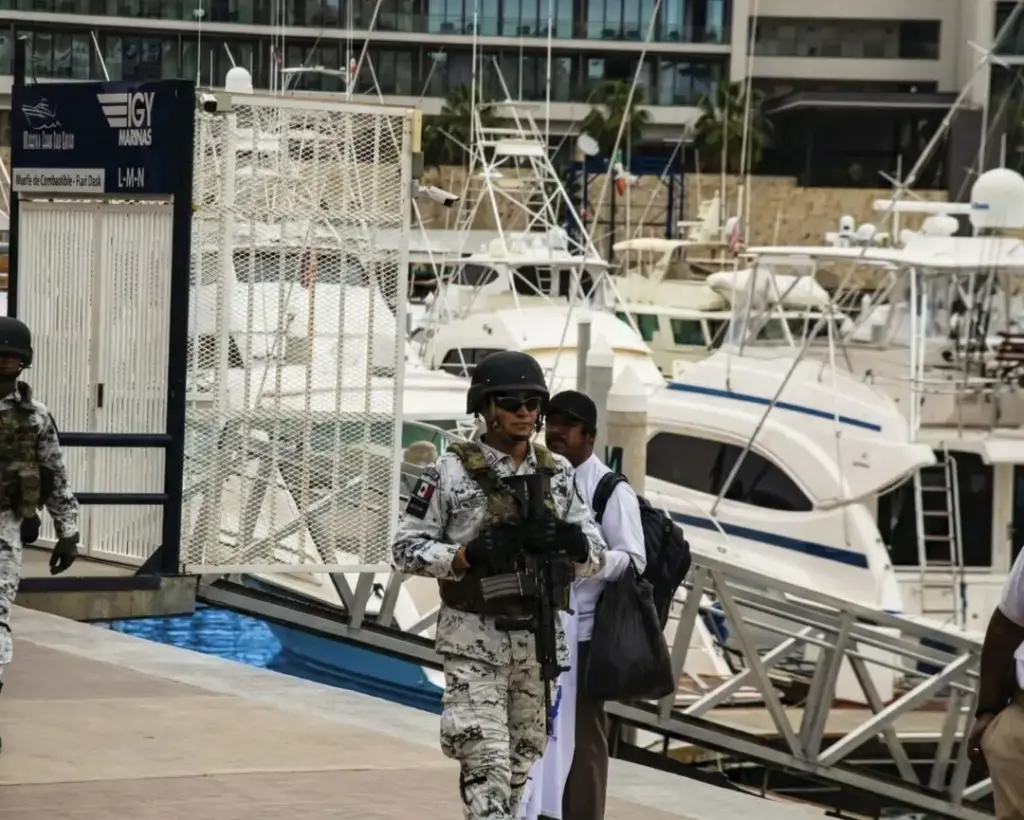
If you read the State Department’s warning for Baja California Sur, you are told to be extra careful because of the risk of violence from criminal organizations. But if you want absolute certainty for your spring break, the live data points straight to the tip of the Baja Peninsula.
Cape San Lucas currently holds the highest level in the index, reaching a status of 92/100 and a ‘STABLE’ status, while retaining a tremendous amount of traveler feedback. What makes this score reliable is the transparency of the incident logs. Of the 126 recently verified reports, the index has only recorded numbers 4 reports of fraud and 2 reports of intimidation.
The reality? While the surrounding state may have problems, Cabo’s heavily secured resort infrastructure functions flawlessly. The reported minor incidents are exactly what you would expect in any major global city, proving that Cabo can easily handle large numbers of luxury travelers without exposing them to the serious risks mentioned in the government briefing.
2. Punta Cana: the Caribbean heavyweight
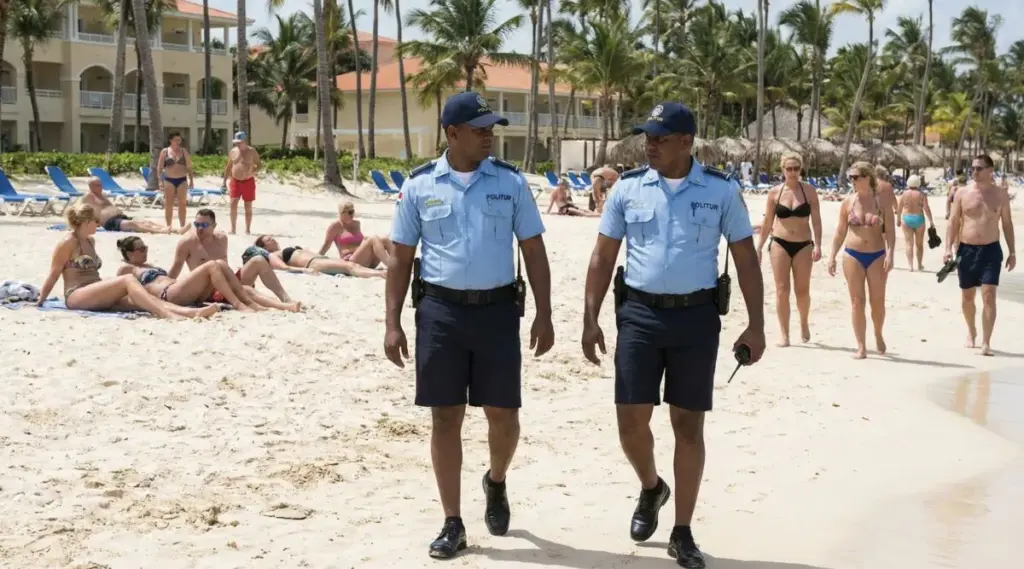
The U.S. government explicitly warns that violent crime is a problem throughout the Dominican Republic, regardless of nationality. However, the data confirms what frequent travelers already know: the resort-heavy structure of Punta Cana creates a highly insulated, incredibly safe bubble.
Backed by 65 verified live reports, Punta Cana has a rock-solid safety rating of 91/100 and a “STABLE” status. Looking at the live incident feed, the destination is only recorded 1 report of harassment and 1 report of theft. It is the safest statistically proven option in the Caribbean. If your goal is to land, hand your bags to a bellhop, and have a cold drink without any logistical friction, Punta Cana delivers just that, completely isolated from the State Department’s broader national warnings.
3. Cancun: the most tested destination
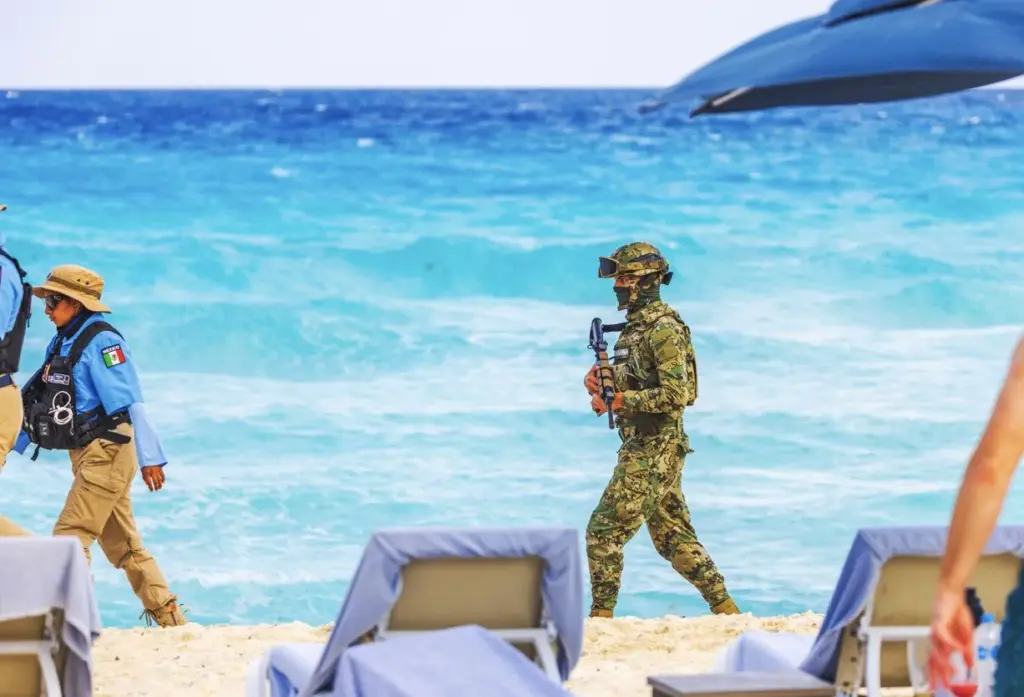
The Ministry of Foreign Affairs’ advice for Quintana Roo points out the risk of violence by terrorist groups and criminal organizations Cancun the most researched destination on the board. But despite being the busiest transit hub and party epicenter in the region, Cancun is holding up incredibly with a score of 90/100 “STABLE.”
With enormous volume comes raw honesty. With Cancun being the most heavily tested destination on the index with 152 verified reports, the incident data paints a crystal clear picture of the reality on the ground. The index has been registered 7 reports of fraud, in addition to 1 isolated report of assault and 1 drugging.
This transparency is exactly why the 90/100 score is so reliable. Of the hundreds of visitors navigating the hotel zone, incidents remain remarkably low. The data shows that tourist corridors are heavily secured by local authorities, serving as a real-time reminder that while you should mind your drinks in busy nightclubs, avoid the serious, state-wide risks outlined in the official advice.
4. Playa Del Carmen: the walkable alternative
- Official US advice: Level 2 (Terrorism and crime)
- Safety index for travelers: 86/100 (STABLE)
- Verified Live Reports: 24
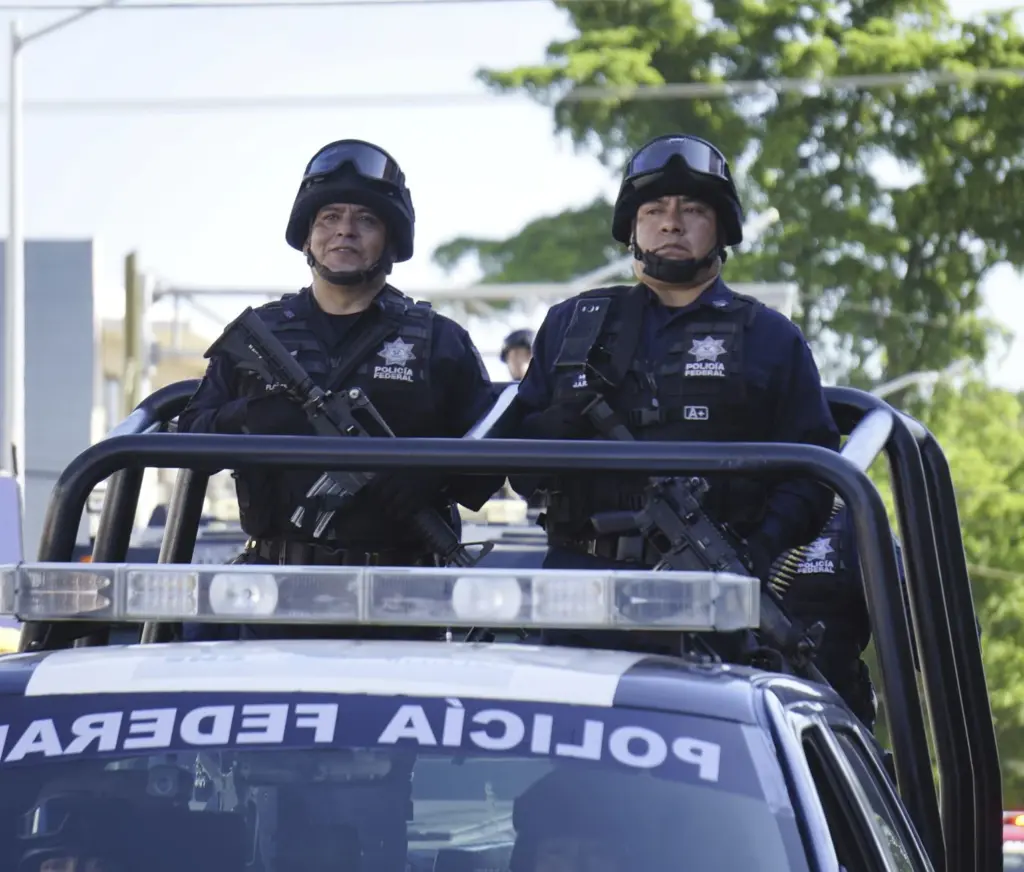
For travelers looking to trade Cancun’s mega-resorts for a more walkable, boutique-style atmosphere, Playa del Carmen turns out to be a very safe alternative.
The data sits comfortably at an 86/100 with a “STABLE” status and shows that tourists who stick to the well-patrolled 5th Avenue and established beach clubs experience a very safe vacation. Backed by 24 verified reports in which no major incidents were recorded, a definitive trend is established. Playa offers a cafe-centric atmosphere while maintaining the protective bubble that international tourists expect on the Riviera Maya, largely isolated from broader state risks.
5. Tulum: the increased risk zone
- Official US advice: Level 2 (Terrorism and crime)
- Safety index for travelers: 76/100 (INCREASED)
- Verified Live Reports: 21
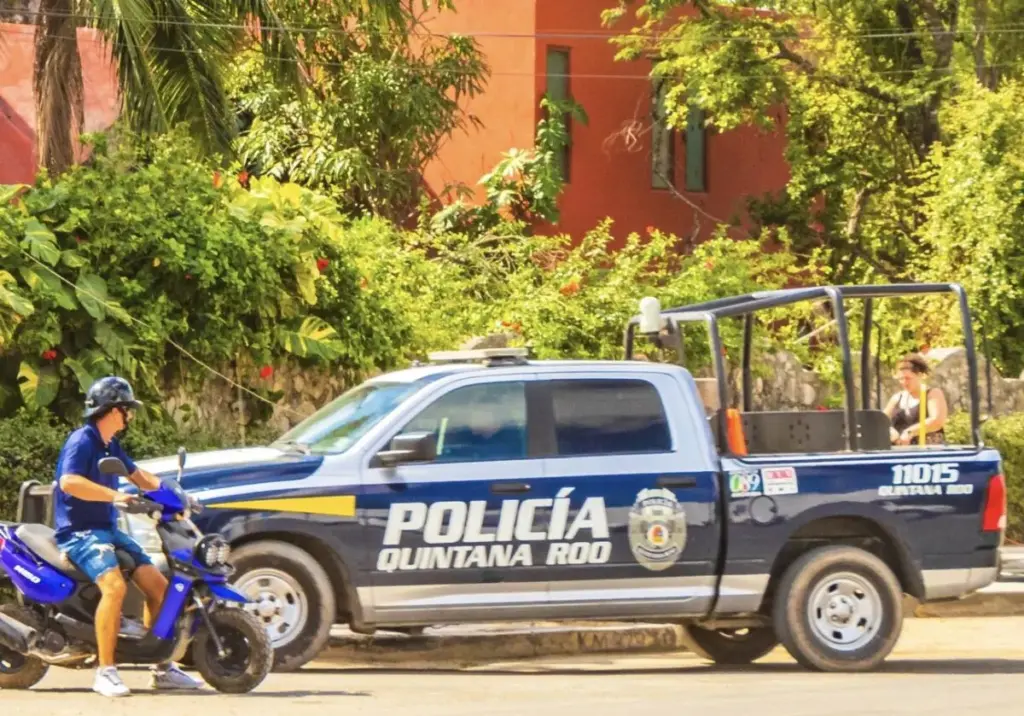
The most vital function of real-time data is to catch shifts in security before government advisories are updated. Right now, while the State Department is regrouping Tulum in the exact same Level 2 category as Cancun, the Traveler Safety Index officially marks it as lower safety than its Mexican-Caribbean partners.
Tulum’s rapid expansion has clearly impacted the experience on site. Supported by 21 recent reports, the destination has dropped to a 76/100 and is currently in an INCREASED risk status. The data proves that while the bohemian aesthetic remains a huge draw, the tourist experience here is currently less isolated and more ephemeral than the highly controlled environments of Cabo or Cancun. Travelers heading to Tulum this spring break should demonstrate a greater degree of situational awareness.
Are you currently on ground at any of these destinations? We need your vote. Post your review in the Traveler Safety Index below and help the next wave of travelers find their perfect, worry-free vacation.
Don’t guess. Verify.
For decades, tourists have been dependent on blanket government advice, painting entire regions with one broad brush. That method only tells half the story.
The Traveler Safety Index represents a huge change in the way we plan holidays. By tapping into the collective intelligence of the crowd, we can see exactly what is happening in a specific hotel zone on this day, proving that the scariest headlines rarely match the reality on the beach.
Are you currently on ground at any of these destinations? We need your vote. Post your review in the Traveler Safety Index below and help the next wave of travelers find their perfect, worry-free vacation.
View more than 500 destinations on the Safety index for travelers to find out where your favorite destination is rated for 2026.
Subscribe to our latest posts
Enter your email address to subscribe to the latest Travel Off Path breaking travel news, delivered straight to your inbox.