

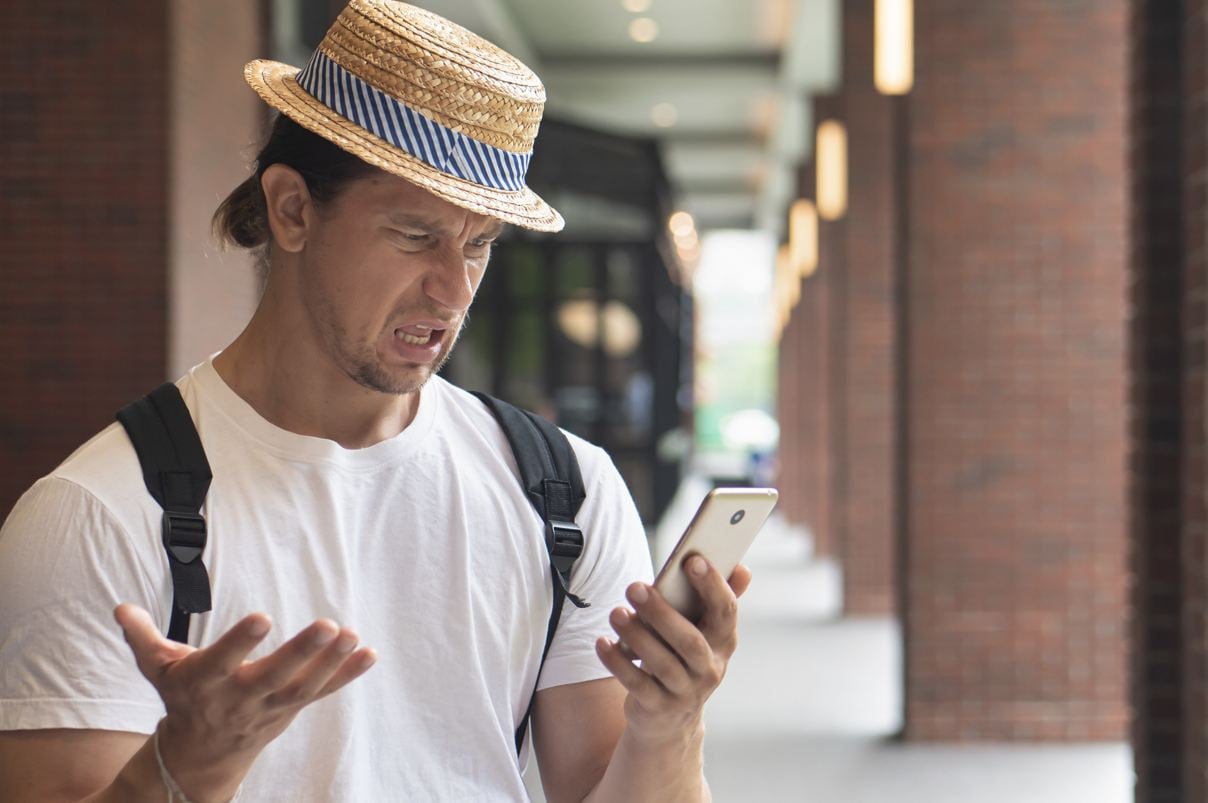
You have nailed the flights, the resort, the travel schedule. Summer vacation calls! But while you pack your swimsuit, scammers pack their latest tricks. Forget the old-school disadvantages; They have become digital, refined and actively focus on people like you.
Do you think you are too smart to fall for it? It is time for a quick intestinal check. Our quick -fire quiz will see if you can see the common traps. Manage this, and we will uncover the brand new scams immediately Real you have to worry.
The New Playbook: 3 high -tech scams aimed at smart travelers this summer
You have just proven that you can spot the classic disadvantages. The bracelet trick, the “broken” taxideter, the spilled drink – that is the Old-school Hustles. But although you perfect your defense against this, scammers have been upgrading their entire operating system.
The game has changed. The new threats do not happen on a street corner; They happen on your phone. They are digital, refined and designed to hunt our modern habits. The classic scams was the play of children. Here is the Intel that you need about the three new threats that are currently active on tourists.
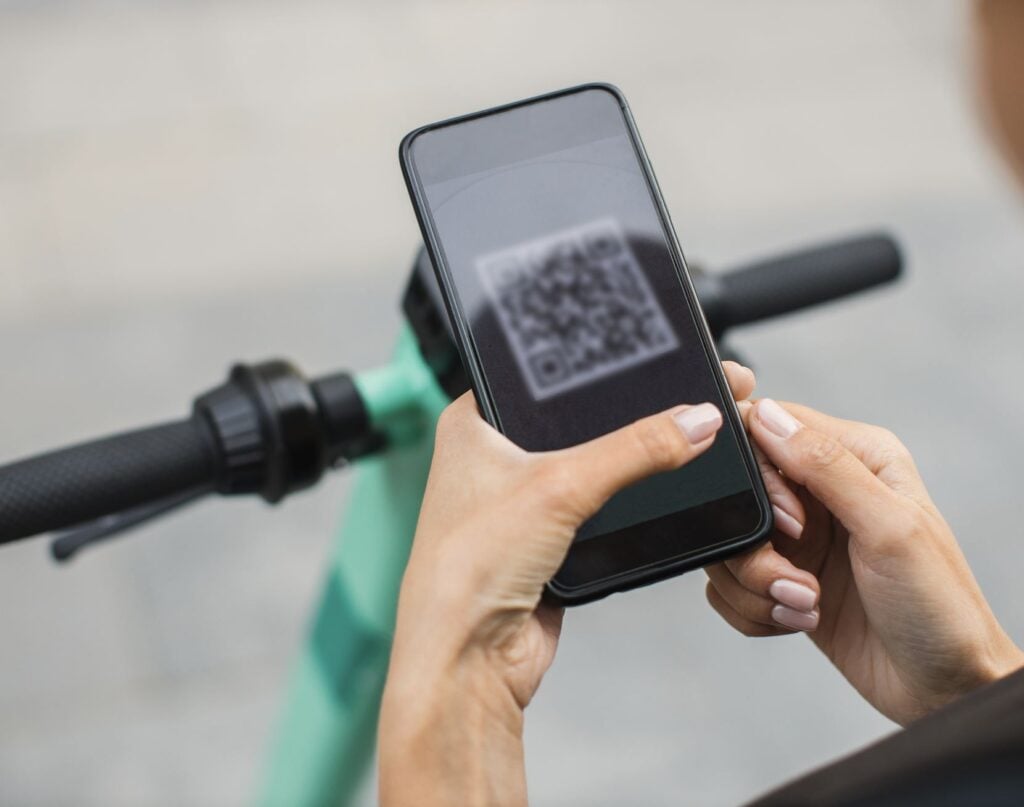
The QR code bait and switch
You are in a beautiful square in Europe, and there is an e-bike rental sign next to a row of e-bikes with a QR code to “rent now”. You scan it, enter your credit card information on a professional -looking site and wait. Nothing happens. You have just handed your financial data directly to a scammer.
How it works: After years of being trained to use QR codes for everything, from restaurant menus to museum tickets, we now trust them implicitly. Scammers exploit this trust by placing their own malignant QR code stickers about legitimate in tourist hotspots. A quick scan takes you to a phishing site – a perfect clone of the website of the real company – designed for one goal: steal your payment information or login details.
How to beat: Treat unsolicited QR codes such as suspect E -Maillinks. Before entering each Information, investigate the web address at the top of the browser. Does it look good? Is it wrong? A huge red flag is a QR code on a simple sticker that could have been placed by everyone. If in doubt, type the official web address of the company in your browser instead manually.
The fake “official” website –
You plant a trip and google “Visitax for Cancun” or “UK ETA application”. The top result looks perfectly out of the country, officially-looking logos and a simple application form. You fill it in, pay the reimbursement and receive a confirmation email with a QR code. But when you land, you discover that the code is fake, your personal information has been stolen and you have paid a Markup of 500%.
How it works: Scammers build advanced websites that are perfect clones of official government sports for compulsory travel costs (such as Quintana Roo’s Visitax) or authorizations (such as the ETA of the UK). They use Google advertisements to be above the real site. The scam works in three ways:
- Mass service costs: They charge you the official reimbursement plus Their own scandalous ‘processing costs’, to incur a $ 15 costs in a $ 90.
- Data theft: They harvest your full name, date of birth and passport data for identity theft.
- Publish fake documents: You pay the reimbursement and receive a completely worthless, forged document or QR code, which can cause serious problems when you arrive at your destination.
How to beat: While you are looking for a .gov Domain is a good start, many official international portals do not use it, namely how scammers exploit the confusion. The only way to be 100% sure that you are on the legitimate government website is to use a verified link. That is why we have the Travel costs Checker ToolWho has the direct, official ties with the visa and cost portals for more than 40 countries.

The AI speech-in-law emergency
This is the most frightening scam of the new era. Your mother is called. The voice on the other hand is yours – cannot be distinguished from yours – and it is in a panic. “Mom, I had an accident in Cancun. I am at the police station, my phone dies and you need the ‘lawyer’ to work $ 2,000 at the moment.” It’s your voice. It’s your fear. But it is not you.
How it works: Scammers can now use artificial intelligence to clone the voice of a person with just a few seconds audio scraped from a video of social media or voicemail. They then use this cloned “voice print” to focus relatives in the classic “grandparent -wang”, but supercharged with frightening realism. The emotional panic of hearing the voice of a loved one overwrites all logical skepticism.
This is not just theoretical. The Federal Trade Commission (FTC) has issued urgent warnings for consumers about this exact tactic, and notes that scammers need only a few seconds of audio from a social media post to create a convincing clone. Real families have lost thousands of dollars to these hyper -realistic calls, making it today one of the fastest growing and cruelest forms of fraud.
How to beat: This is a scam that you prepare for for You travel.
- Set a “safe word”: Quite a unique, secret password or ask with your immediate family. If they ever get a panic group to ask for money, they must ask for that word. A scammer will never know.
- Hang up, call back: The golden rule. If you receive a hectic conversation, hang up immediately. Then call your loved one again their known telephone number. If they don’t answer, try to report them or contact a friend with whom they travel. Never send money alone based on an incoming call alone.

The game has changed. The threats that travelers are confronted with are no longer about a hand on your wallet in a busy street; They are over a click on the wrong link or a voice in your phone. What all this new scams have in common is that they use our confidence in the technology that we use every day. But by understanding this new digital playbook, you have already built up your best defense. You are no longer just a tourist – you are a prepared, smart and modern traveler, ready for what the trip to you throws.
The Savvy Traveler’s Toolkit
This article is only part of our mission to make you a safer, smarter traveler. You can explore our full series of exclusive tools for travelers on our official Travel Off Path Tools Page Or start exploring more below.
Subscribe to our latest messages
Enter your e -mail address to subscribe to the latest Breeknieuws from Path, directly to your inbox.