

Something has changed in beauty, and you can see it immediately. The ultra-polished, barely there aesthetic that has defined the past few years now feels… predictable. The sleek buns, the glass skin, the neutral lips that barely moved all created a look that felt clean, controlled, and everywhere at once. However, that same consistency began to blur individuality.
And now things are loosening up, thanks to the messy glam beauty trend. This ‘grunge beauty’ does not reject beauty; it expands it. It invites personality. It favors texture over stiffness and expression over perfection. It marks the difference between looking finished and looking felt.
Why the ‘Clean Girl’ Era Reached Its Peak
The aesthetic of the fair maiden made sense at the time. It offered simplicity in a chaotic digital space. Minimal makeup, neutral tones, and skin that looked untouched gave people something calm to hold on to.
However, perfection rarely evolves. When each face starts to mirror the next – the same bun, the same base, the same soft blush – it stops feeling like style and becomes a uniform. Beauty lost some of its edge and the public quickly noticed. As a result, the shift we’re seeing now feels intentional rather than coincidental.
The rise of messy glamour: Beauty with texture
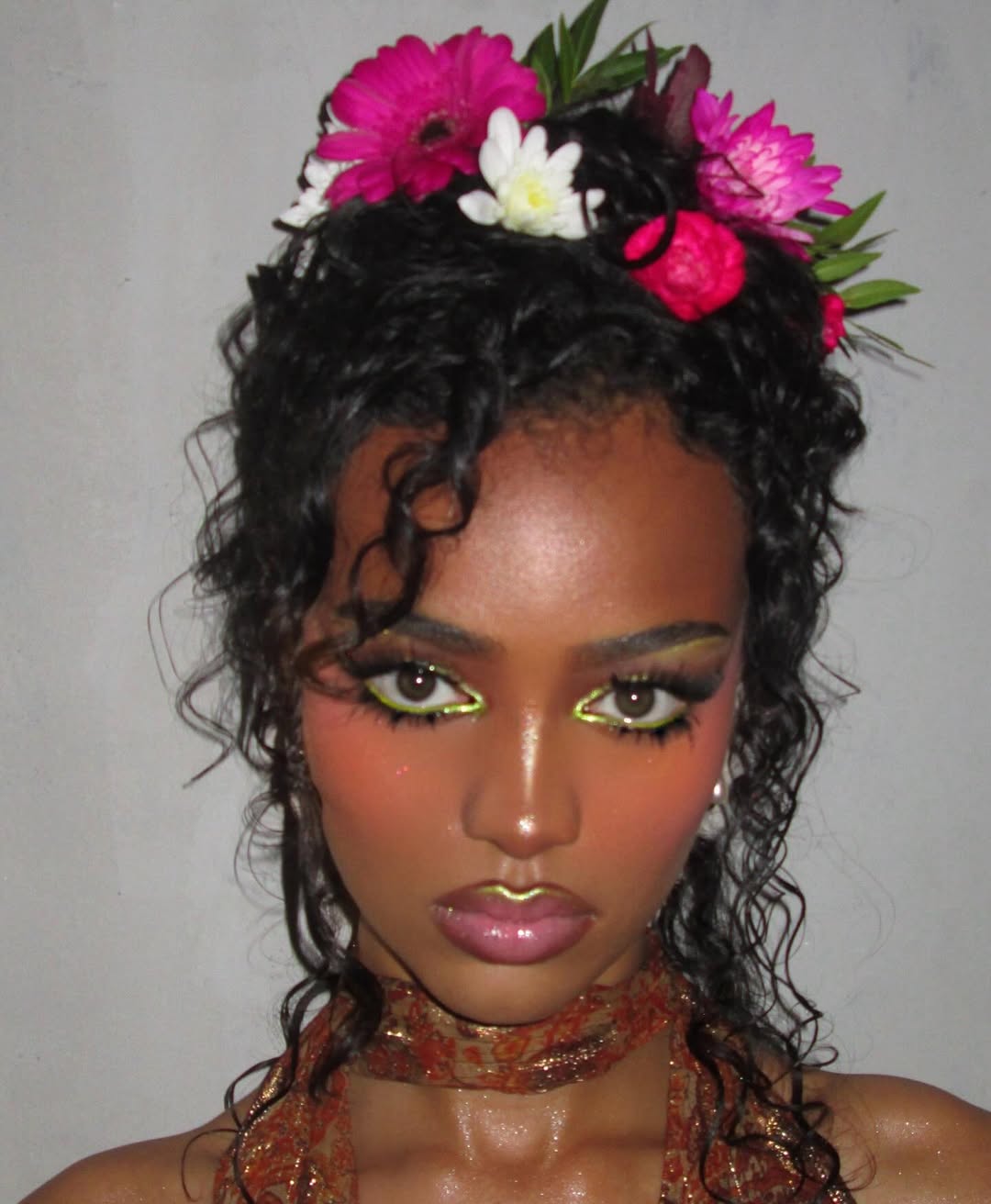
Messy glamor doesn’t mean careless; it signals a shift towards intentional imperfection. Instead of pursuing symmetry and control, this trend leans towards individuality, posture and movement. This change goes deeper than technology. It reflects a growing desire for beauty that feels expressive rather than uniform. Faces no longer have to conform to one template to be relevant.
In other words, this look doesn’t come undone; it’s alive. Beauty feels more dynamic and personal in this space. Red carpets, catwalks and editorials already reflect that energy. You’ll discover diffused finishes, flexible textures and styling choices that are generally less limited. Messy glamor opens the door to variety. It allows beauty to change depending on mood, light and personality, rather than remaining fixed.
What does messy glamor actually look like?
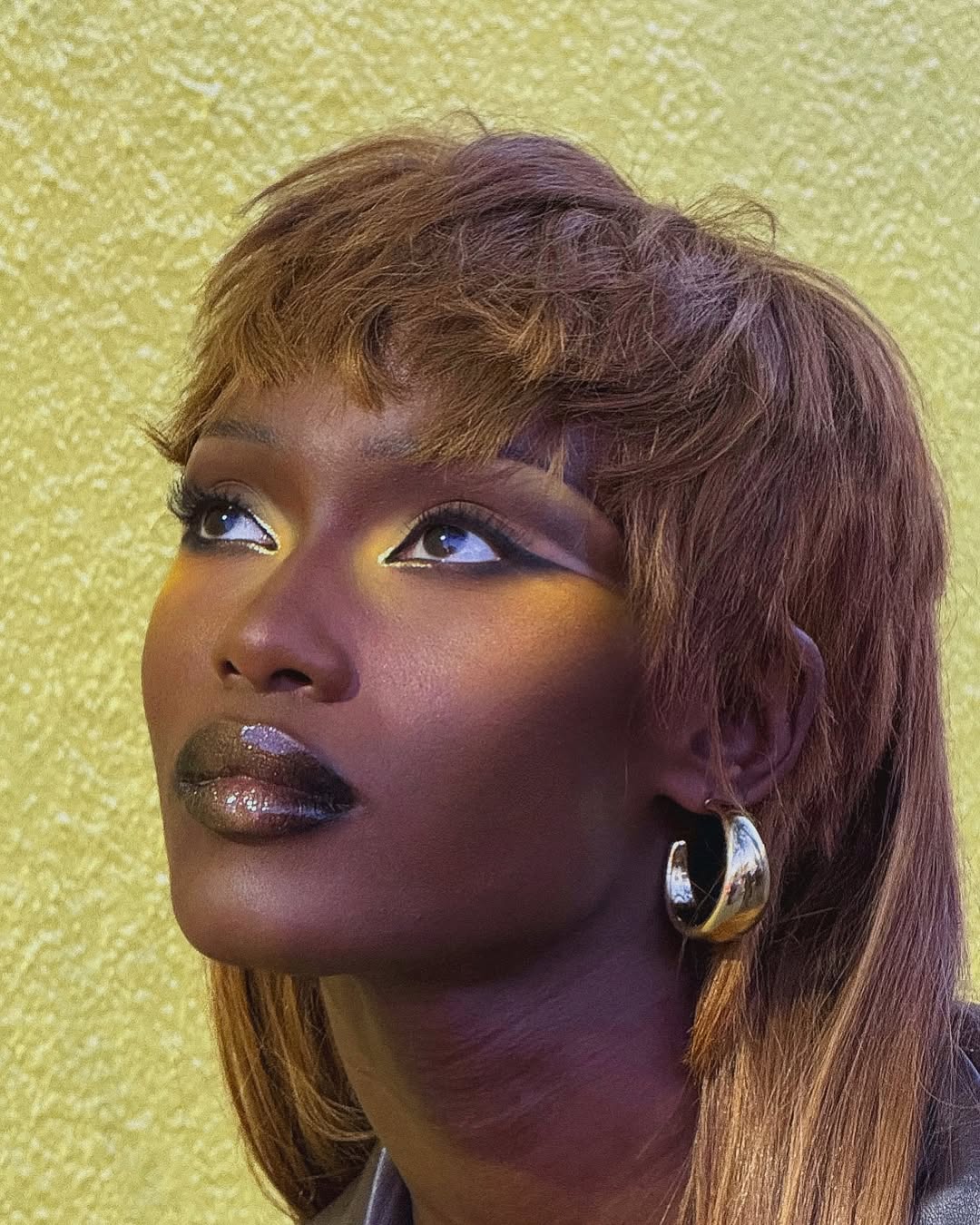
Messy glamor looks intentional, but never overworked. It builds character through character, movement and subtle imbalance. Every detail is wearable and real.
- Smudged, worn-out eyes: Eyeliner appears diffused rather than sharply defined. You can apply kohl and gently blend it for a softer edge. The eyes are given depth without looking stiff.
- Blurry, effortless lips: The lip color fades naturally at the edges instead of forming a strict outline. Stains and balms create a flexible finish that lasts beautifully all day.
- Really textured skin: The skin reflects light without looking overly polished. The natural texture remains visible, and that is intentional. Instead of masking everything, this approach amplifies what already exists.
- Blushes that feel alive: Blush sits higher on the cheeks and fades outward. It mimics a natural blush rather than a precise shape. This placement adds warmth and movement to the face.
- Hair that moves freely: The hair lifts, shifts and retains soft volume. Light frizz or uneven waves add character. This makes the overall look relaxed and still looks styled.
Why this trend is happening now
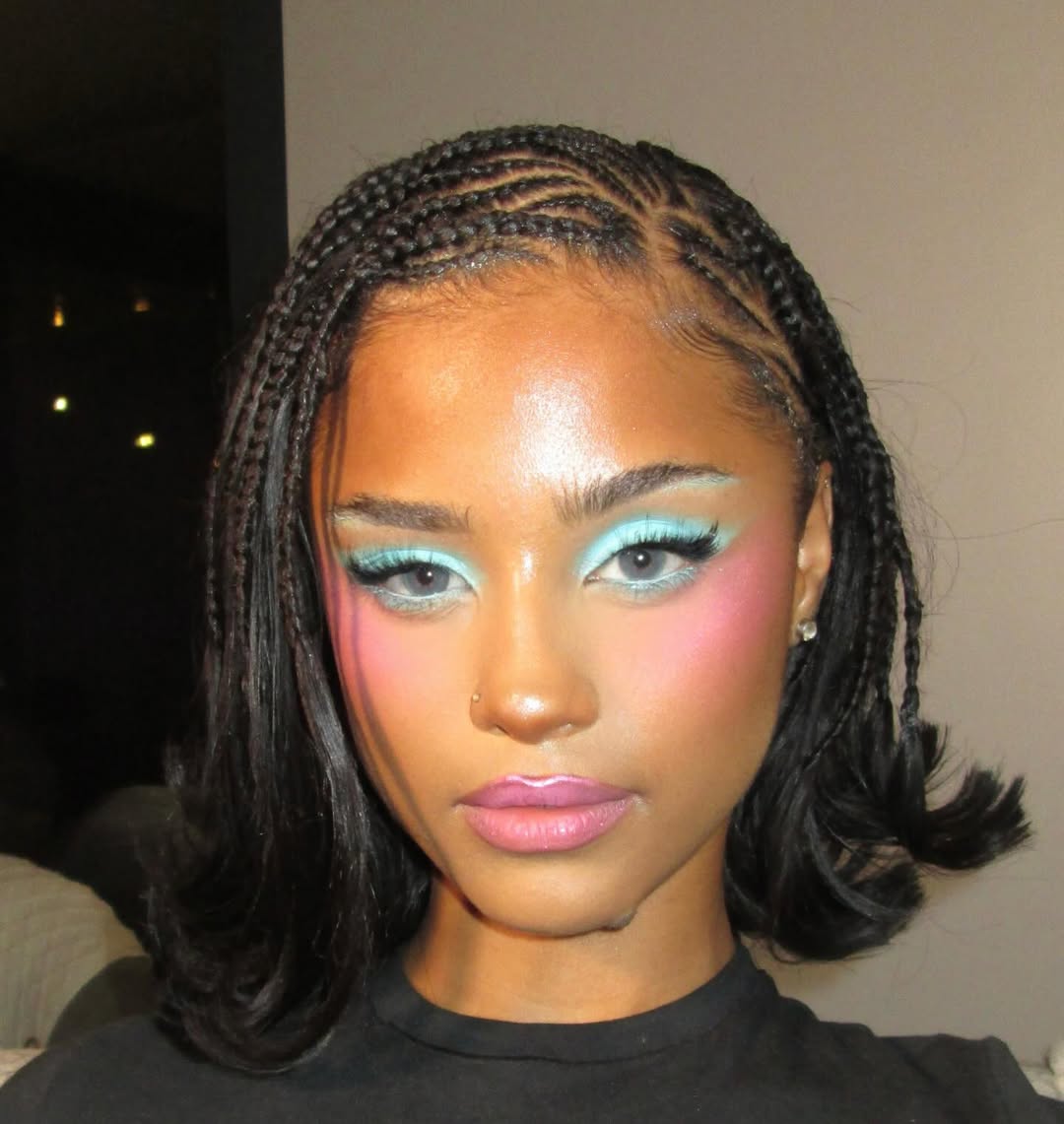
Enlightenment changed everything. Cameras have become sharper and social media moves faster than ever. Overly sophisticated beauty no longer translates as well; it often looks flat or artificial. This makes messy glamor more relevant.
Texture catches light. Movement reflects it. Imperfection makes everything believable. And in a content-driven, overly perfect world, credibility wins.
The real shift: Beauty as expression again
This isn’t just a trend cycle; it signals a reset in the way beauty is understood and worn. For a long time, the direction leaned heavily toward refinement: polished finishes, controlled application and an emphasis on uniformly ‘perfect’ results. Now that direction is shifting.
There is again a growing urge for individuality. Beauty is becoming less about conforming to a single visual standard and more about reflecting mood, personality and context. It no longer has to look the same every day to feel valid. Messy glamor is right in the middle of this change. It does not erase the aesthetic of the fair maiden, but loosens its hold. It makes room for variation, imperfection and looks that are personal rather than prescriptive.
The bottom line
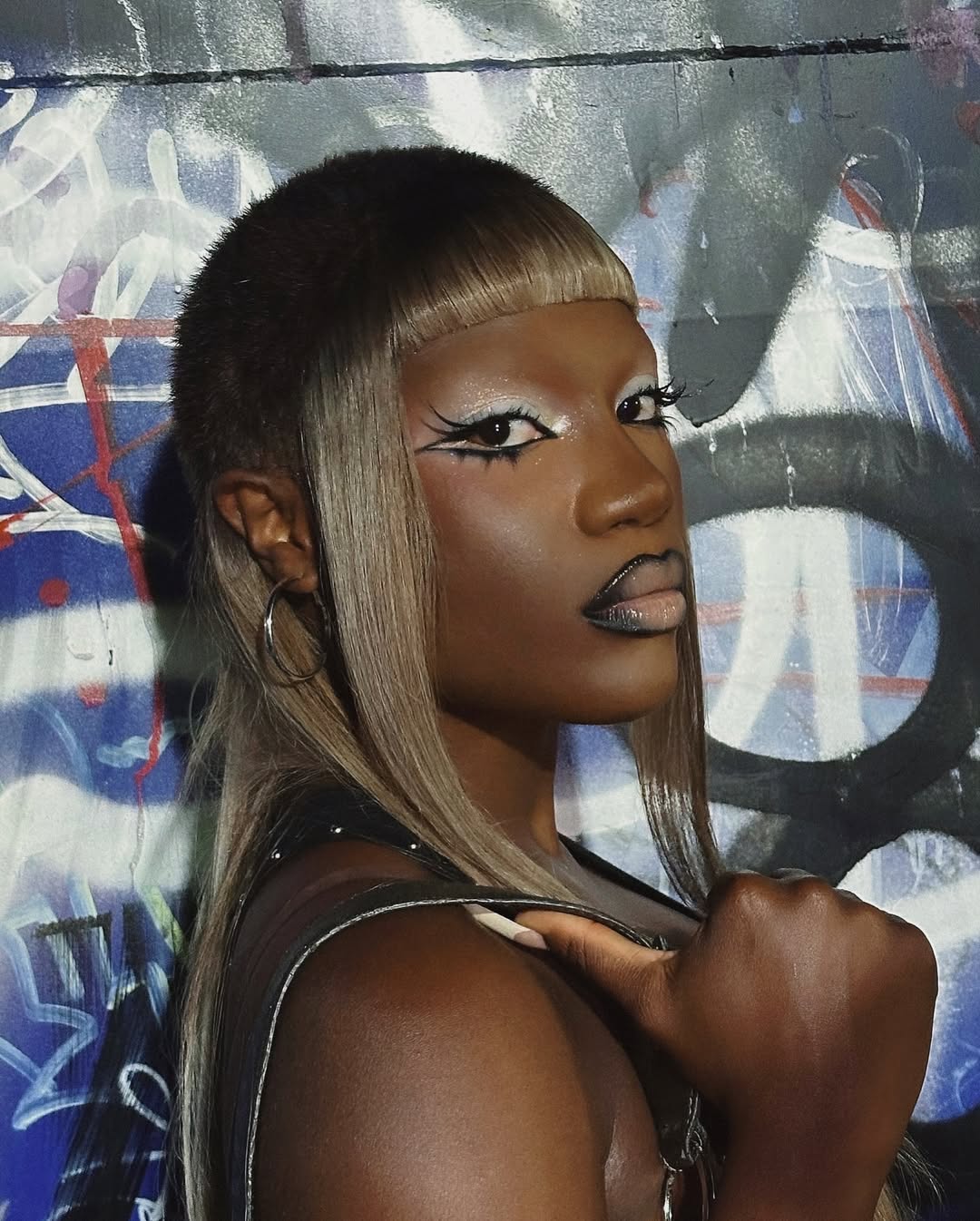
Messy glamor works because it feels real. Not in a careless way, nor in a performative “I woke up like this” way, but in a way that feels lived-in, intentional, and human. There’s something refreshing about beauty that doesn’t try too hard to erase every line, smooth out every edge, or control every detail. Instead, it leaves room for movement, mood and personality. That space is exactly what makes it modern.
And that’s the real shift. For years, beauty relied heavily on perfection: clean lines, controlled finishes and near-identical aesthetics on the feeds and faces. But now there is a silent decline. People don’t just want to look more groomed; they want to look like themselves, with all the softness, unpredictability and texture that comes with it.
Because the future of beauty isn’t about looking perfect. It’s about being like yourself – on purpose, without apology, and without over-editing what already makes you interesting.