


Fashion Week has survived world wars, recessions and even the Depression Quartz crisis. It has survived repeated predictions of its own irrelevance. Yet in 2026 the question feels more urgent than ever. The point is no longer whether Fashion Week will survive, but whether the version that does will resemble anything we know today. The honest answer is probably no, and that can actually be a good thing.
The cracks were visible long before the pandemic forced a complete reckoning. The traditional model had become expensive, exhausting and deliberately exclusive, while becoming increasingly disconnected from the consumers it was intended to appeal to. In many ways, the pandemic didn’t cause the disruption; it simply accelerated what was already inevitable.
What we are seeing now, for six weeks, in four major cities and formats ranging from traditional catwalks to intimate showrooms and fully digital presentations, is not a system that is collapsing. Rather, it is an active, if uncomfortable, transition.
The Fashion Week format has always evolved
It’s worth remembering that the catwalk show, as we know it, is not an ancient institution. It emerged from the workshops of Paris not fully formed with any mandate to remain unchanged. Instead, it evolved from much more intimate beginnings, private salon presentations for select clients and editors, to the global spectacle shaped by ready-to-wear, mass media, and ultimately celebrity culture.
That context matters. It reminds us that change is not a rupture, but part of the DNA of the system. As the Council of Fashion Designers of America noted through its Director of Fashion Week Initiatives, the current moment is defined by “independence, diligent creativity and dedication to community.” This language specifically indicates a shift from hierarchy and exclusivity to participation and purpose. Whether that shift is deep enough to reshape the underlying economy, however, remains an open question.
The format is starting to crack, and that’s not necessarily a bad thing
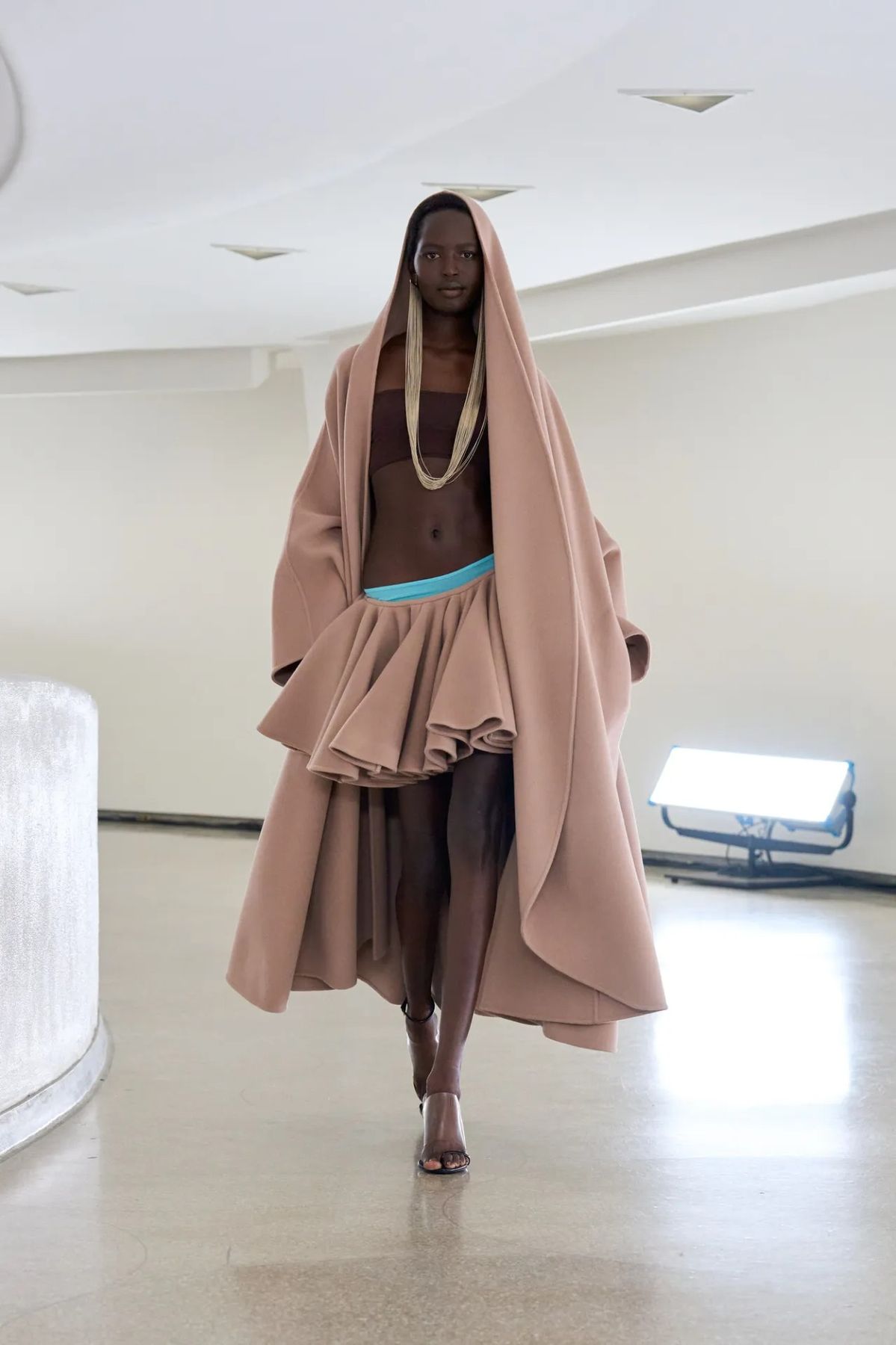
This season, Paris Fashion Week featured 67 shows, compared to 74 the year before. At first glance, that decline could indicate a contraction. In reality, it reflects a strategic recalibration: brands are choosing impact over volume, as rising production and logistics costs require greater targeting.
Importantly, fewer shows do not mean less fashion. Instead, they put greater pressure on each presentation to justify its existence. Brands that once organized catwalk shows out of habit are now reconsidering their approach. Some are shifting to intimate engagements and showroom presentations, prioritizing depth of engagement over scale.
In many ways this is a healthy correction. The fashion show was never intended to function the same for every brand. Forcing emerging labels and heritage maisons into the same format was less about creativity and more about institutional inertia.
The timing problem that was never solved
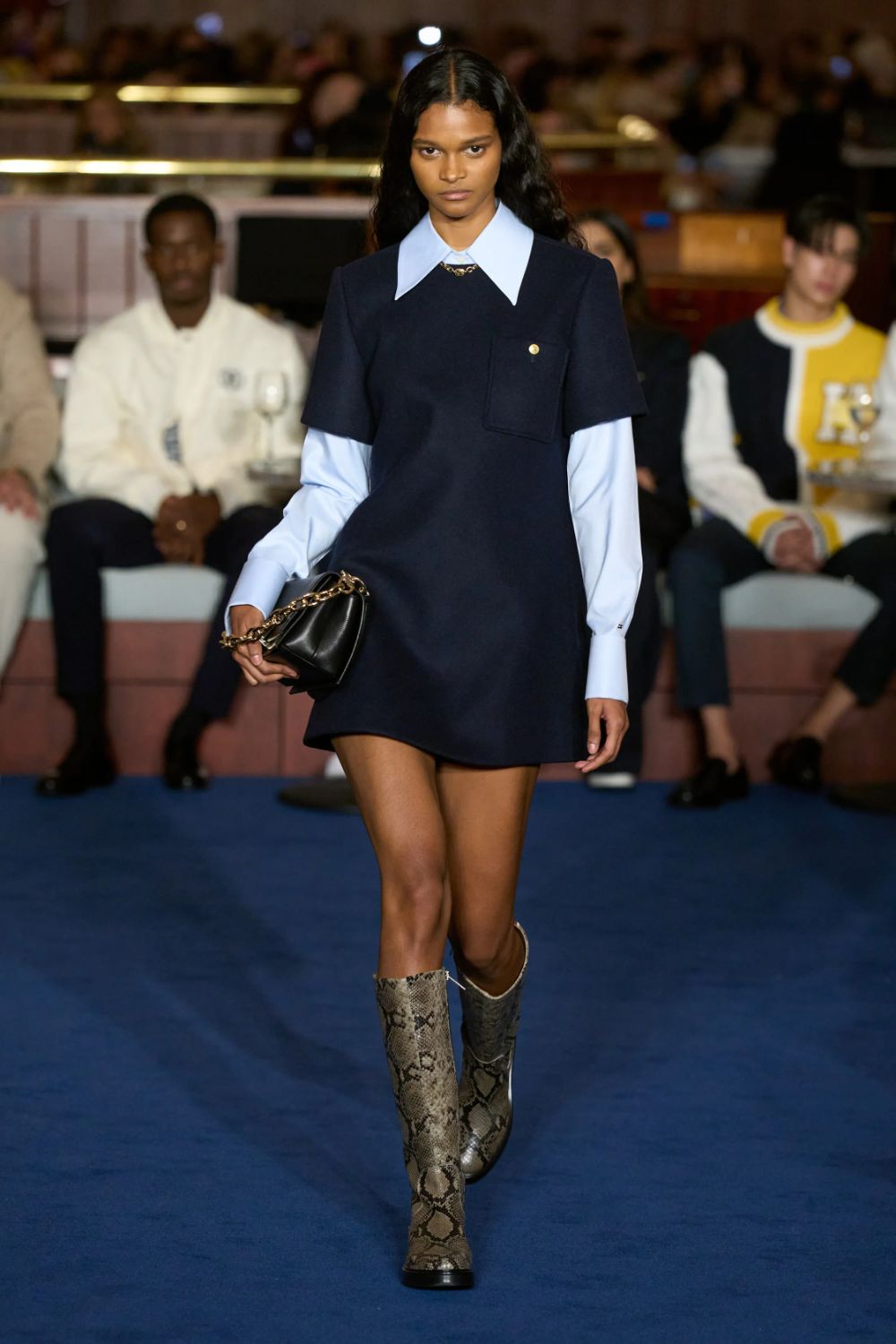
One of Fashion Week’s most persistent challenges lies beyond the runway itself: timing. The traditional six-month gap between presentation and retail was created for the print media era, when magazines needed time to produce and distribute editorial content.
In 2026, that model feels increasingly old-fashioned. Shows are now live streamed and dissected on social media in minutes. By the time the collections arrive in stores months later, audiences have already moved on. The initial excitement fades and the product enters a market where it no longer feels new.
Efforts to address this, particularly the ‘see now, buy now’ experiments of Burberry and Tommy Hilfiger, offered a compelling alternative. However, logistical challenges prevented widespread adoption. Yet the core problem remains unresolved. The tension between fashion as a cultural moment and fashion as a retail system continues to define the structural boundaries of the industry.
Digital: An option, not a replacement
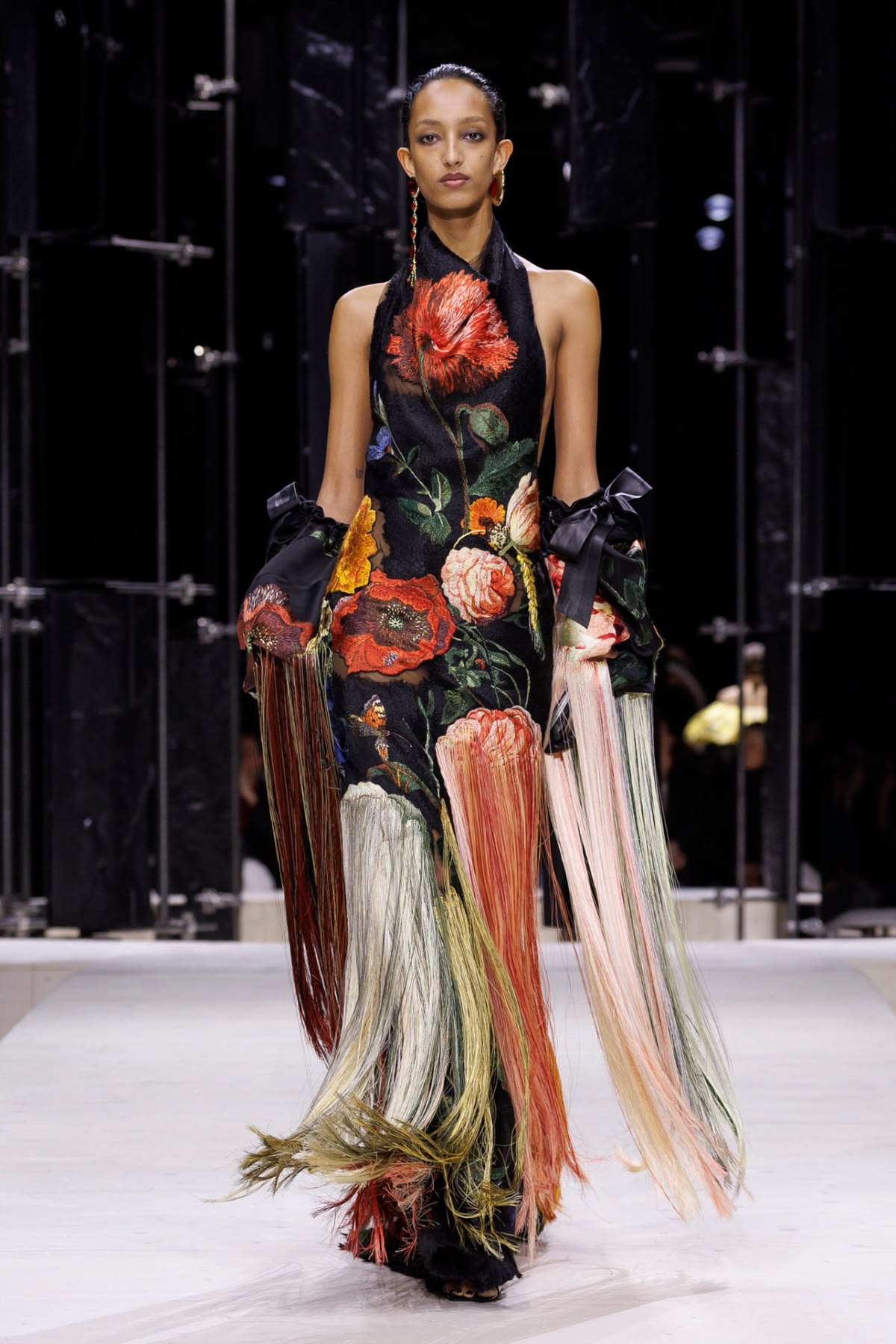
The pandemic accelerated the rise of digital fashion shows, often before the industry was fully prepared. Not surprisingly, the results were mixed. Some brands delivered immersive, progressive experiences, while others struggled to translate physical spectacle into digital form.
What became clear, however, is that digital formats reveal creative intentions more directly. Without the atmosphere of a live show, the concept itself must carry the experience.
That said, digital is not a substitute; it is an extension. New York Fashion Week February 2026 featured a hybrid model, combining runway presentations with digital showcases and private appointments. Rather than competing, these formats serve different purposes. Digital can reach a wider audience and enable new forms of storytelling, while physical shows retain the immediacy and emotional charge of a shared moment. Ultimately, the more meaningful question is not “digital versus physical,” but which format best conveys a brand’s vision.
What Fashion Week actually is for now
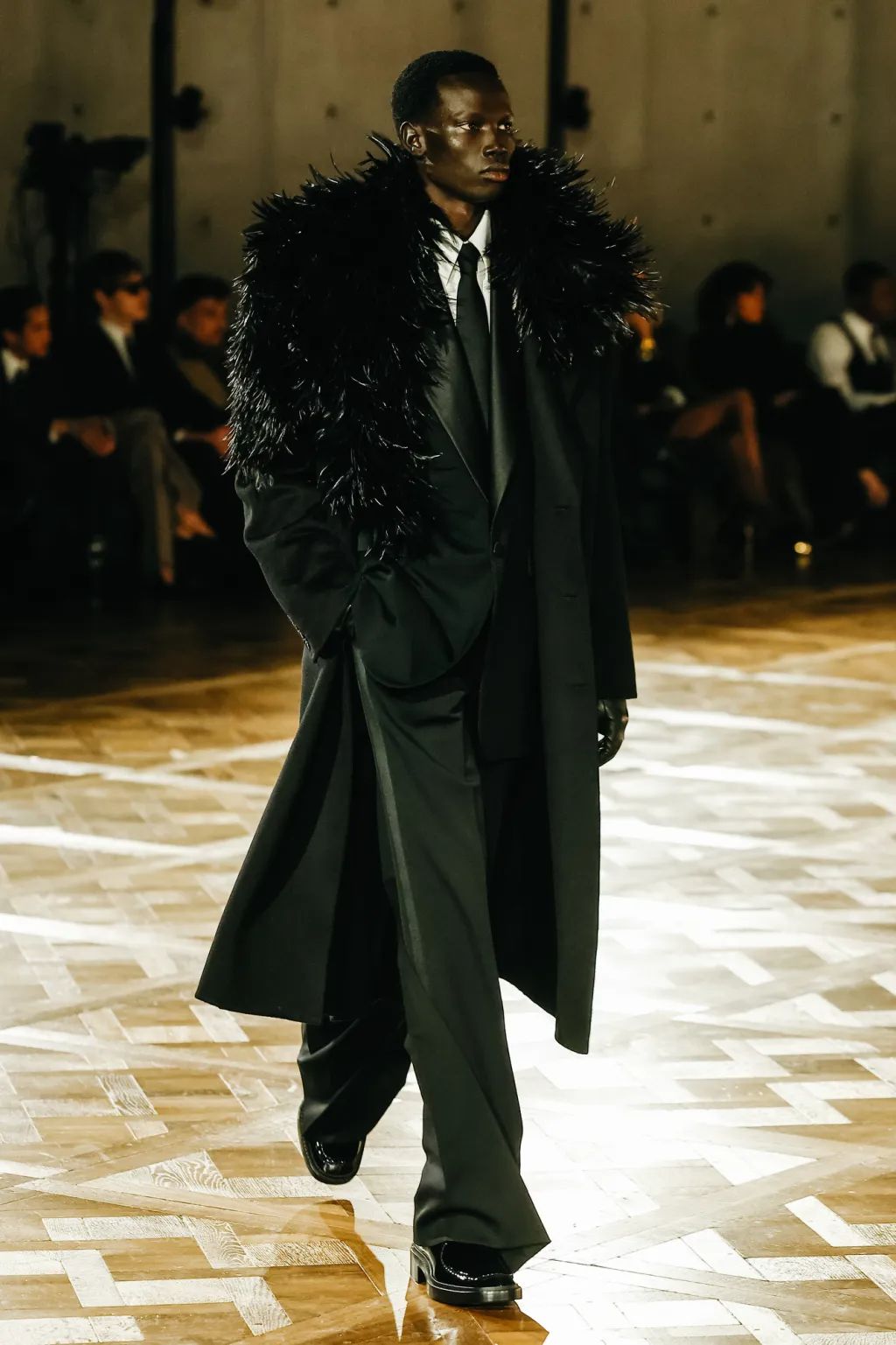
Shanghai Fashion Week 2026 underscored a larger shift: the global fashion landscape is no longer defined by a single axis. Designers from China and beyond are building independent stories, no longer dependent on the validation of traditional capitals like Milan or New York City.
As a result, the role of Fashion Week is evolving. It’s less about enforcing hierarchy and more about creating moments of collective attention in an otherwise fragmented industry. That function, bringing people together to observe, interpret and respond, remains very valuable.
However, the current structure does not fully support this. The system is still burdened by high costs, rigid calendars and outdated timelines. In any case, the future of Fashion Week lies in flexibility.
It will not be one format, but an ecosystem that accommodates traditional catwalks, intimate presentations, digital experiences and moments off the agenda. In this model, different brands can take different paths depending on what they need to communicate and who they need to reach.
The industry does not have to choose between tradition and innovation. Instead, it needs to become more precise in understanding when each serves a purpose and when it does not.
Featured image: Courtesy of Valentino
The most praised designs from the catwalks of London Fashion Week autumn 2026


