

Share the article
Whenever I’m planning my next trip at home, my inbox is constantly flooded with the exact same question from travelers: “Where can I go in the Caribbean that is actually safe, completely tranquil, and doesn’t feel like a giant tourist trap?”
It’s getting harder and harder to answer.
Megaresorts are expanding rapidly, and finding an island that hasn’t yet been completely covered by mass tourism is like trying to find a needle in a haystack.
But there’s a huge secret lurking in plain sight.
The island is Montserratand it is actively seeking intrepid travelers to come and explore.
If you’re ready to trade the crowded swim-up bars for raw, dramatic nature and absolute safety, this is why Montserrat should be at the top of your bucket list.
1. You can explore a ‘modern-day Pompeii’
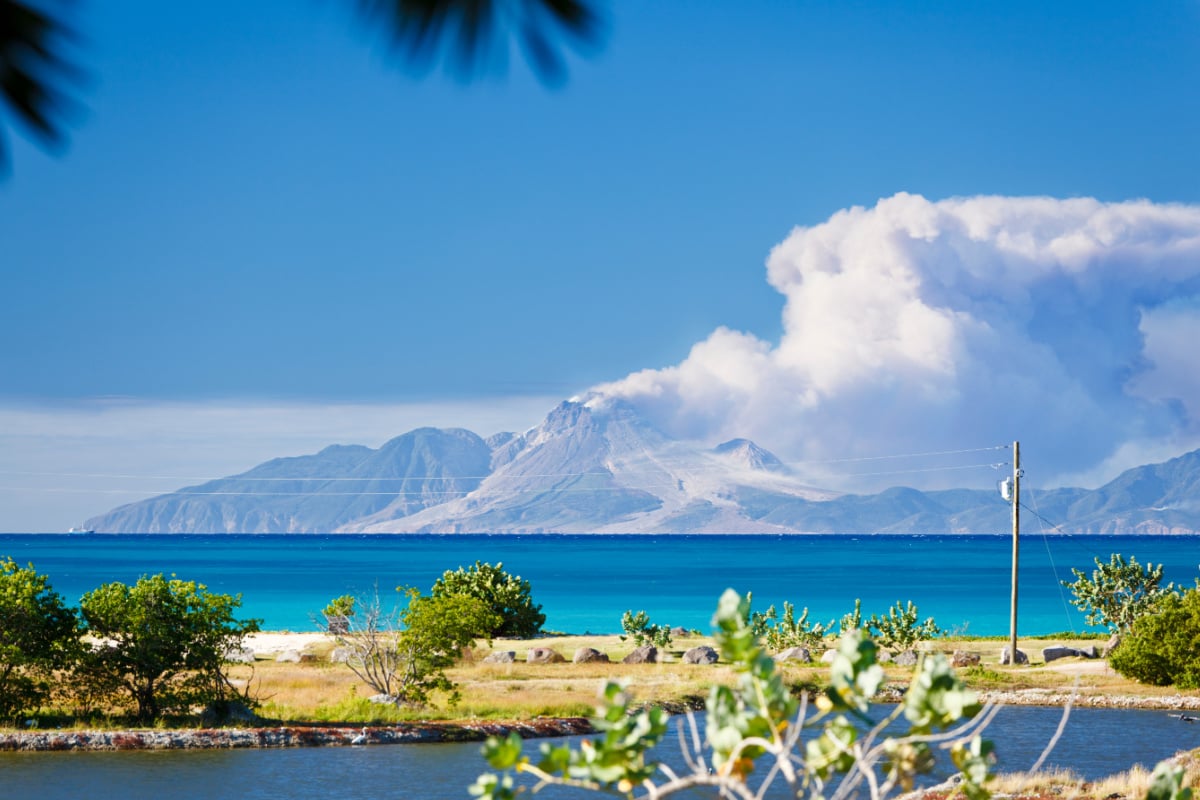
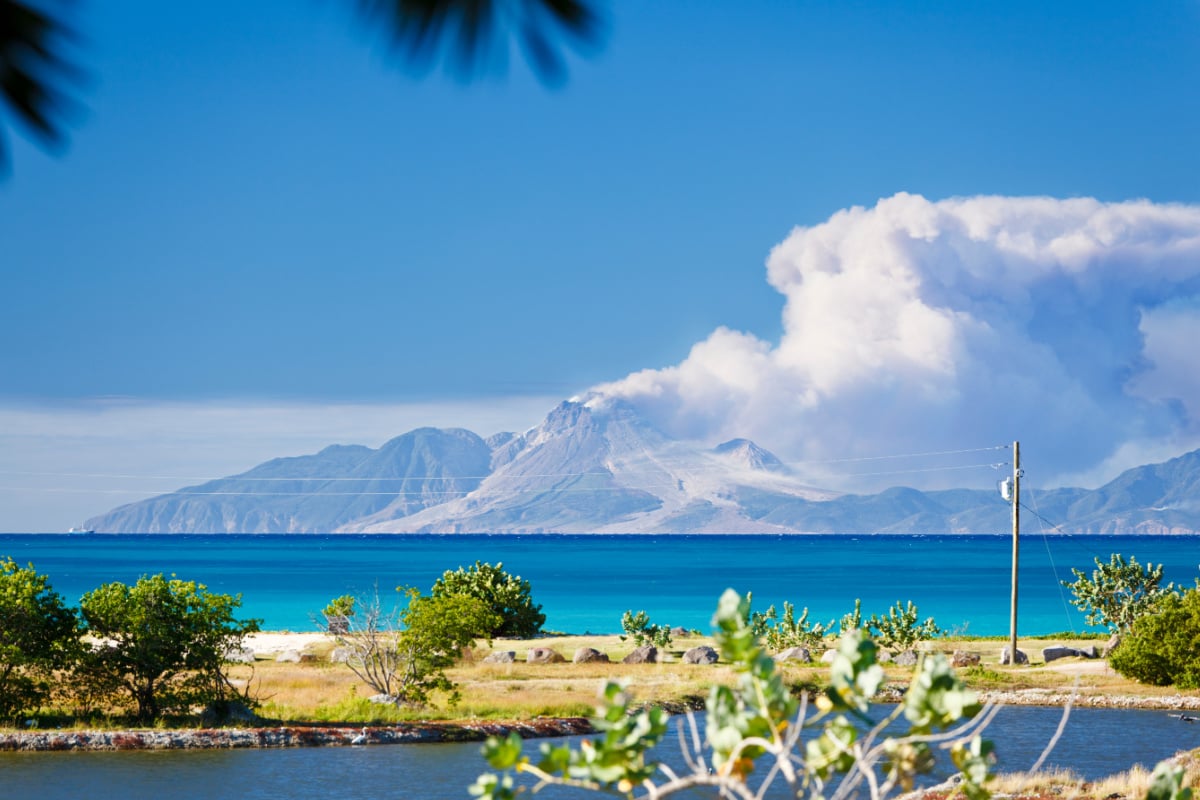
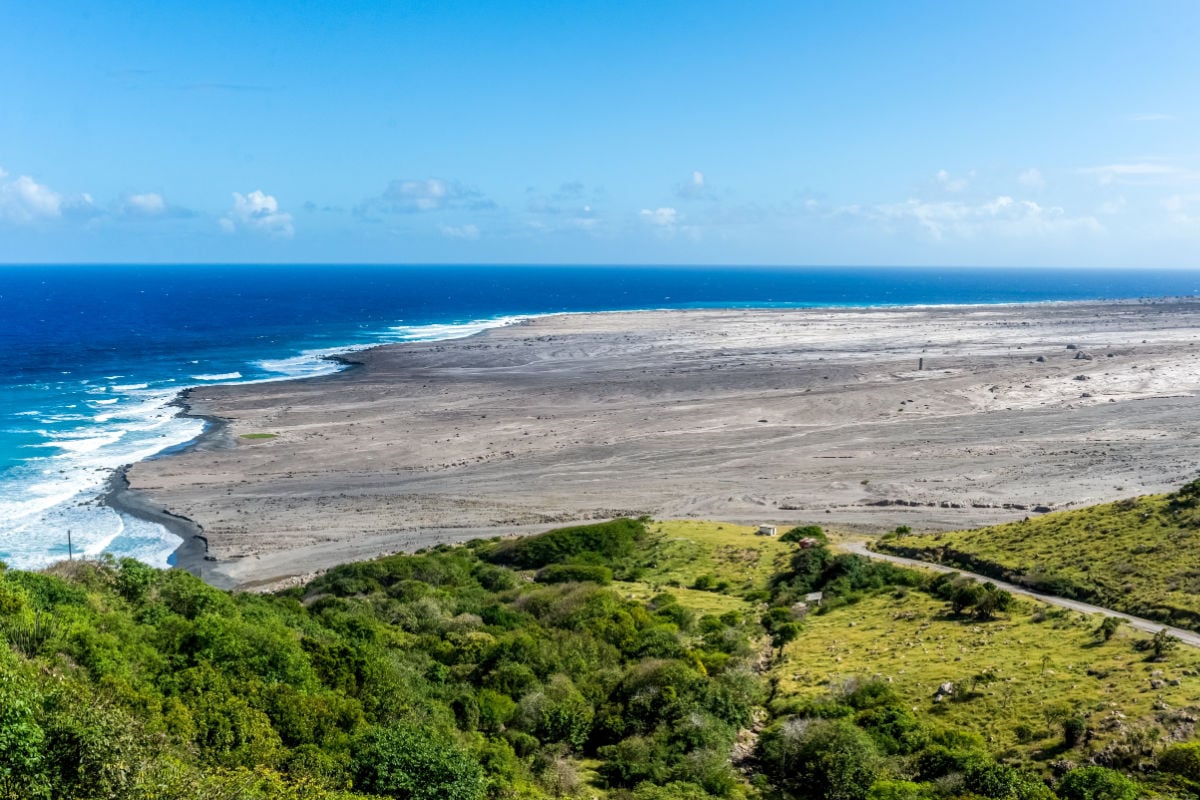
In 1995, the Soufrière Hills volcano erupted, drastically changing the island’s landscape forever. The entire southern half of Montserrat, including the former capital Plymouth, was buried under vast layers of volcanic ash and mud.
- The atmosphere: Today, Plymouth is essentially a modern-day Pompeii. It’s an apocalyptic, awe-inspiring time capsule left entirely to the elements.
- The experience: You cannot simply enter the exclusion zone on your own, but you can hire certified local guides to take you directly to the buried city. You see the roofs of old hotels and government buildings sticking out of the ashes. It’s one of the most surreal, visually stunning things you can see in the Western Hemisphere.
2. The ‘Emerald Isle’ is untouched
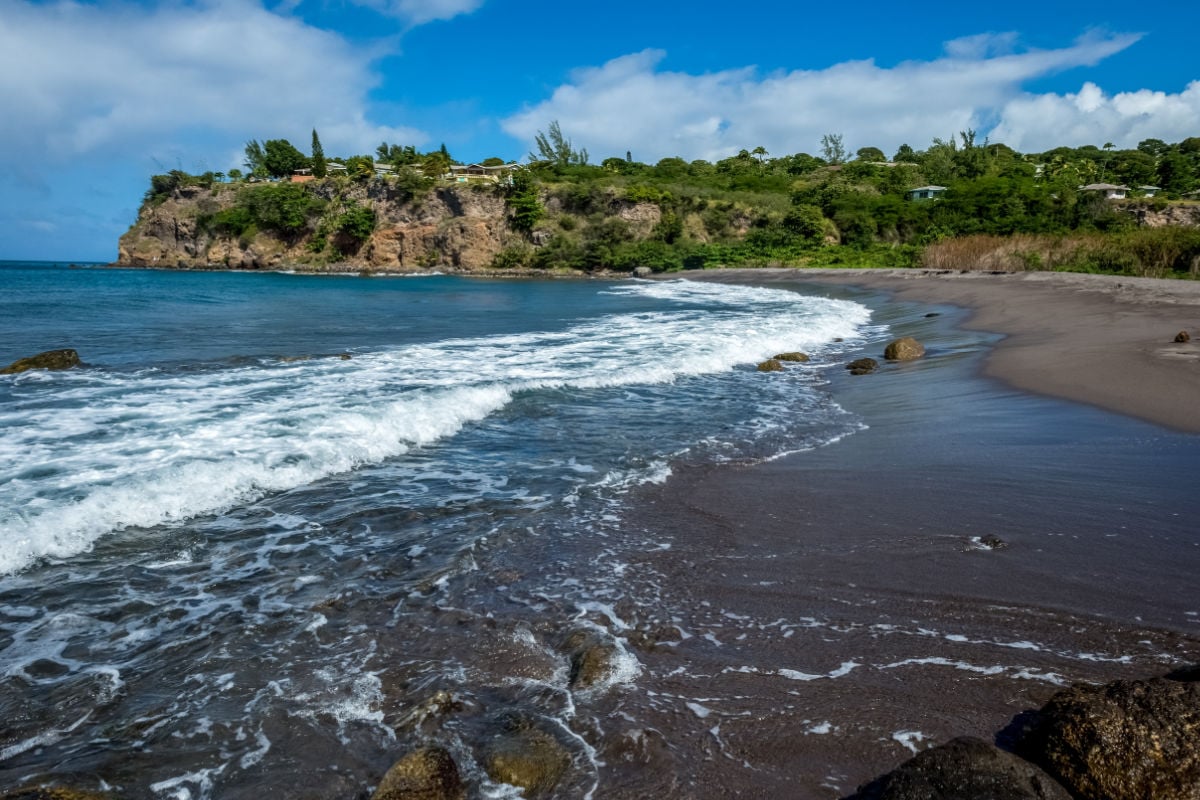
While the southern half is a volcanic exclusion zone, the northern half of Montserrat is incredibly lush, mountainous and completely safe. It was actually nicknamed ‘The Emerald Isle of the Caribbean’ because of its deep green rainforests and unique historical ties to Irish settlers.
- The atmosphere: This is pure, unadulterated ecotourism. The island actually celebrates St. Patrick’s Day as a major holiday, bringing together Caribbean and Irish cultures in an incredible week-long festival.
- The experience: You won’t find rows of identical white sand beaches full of plastic sun loungers here. Instead you get dramatic, secluded black and gray volcanic sand beaches. You can spend your days hiking the spectacular trails in the Center Hills, spotting rare birds, and having entire beaches all to yourself.
3. The safety record is second to none
When you look at the crime statistics for Montserrat, they almost look like a typo. It is a British Overseas Territory with a small, close-knit population of approximately 4,000 residents.
- The atmosphere: Because the community is so small, everyone knows everyone. The concept of opportunistic tourist crime – such as pickpocketing, scams or violent crime – is virtually non-existent.
- The experience: This is the kind of island where people routinely leave their doors unlocked and their keys in the ignition. For travelers who want to unplug and explore without constantly clutching their backpacks or looking over their shoulders, Montserrat offers an unparalleled level of peace of mind.
- What travelers say: Our Traveler Safety Index currently gives Montserrat a score of 87/100, an excellent score that proves that travelers feel quite safe during their visit.
4. The “Logistic Canal” keeps the crowds at bay
The main reason why Montserrat has remained so completely undiscovered is that you can’t just book a huge, direct commercial flight from the United States and land on the island. That little bit of travel friction acts as a natural barrier against the mega crowd.
- The atmosphere: You really have to want to go there, which completely filters out the informal mass tourists.
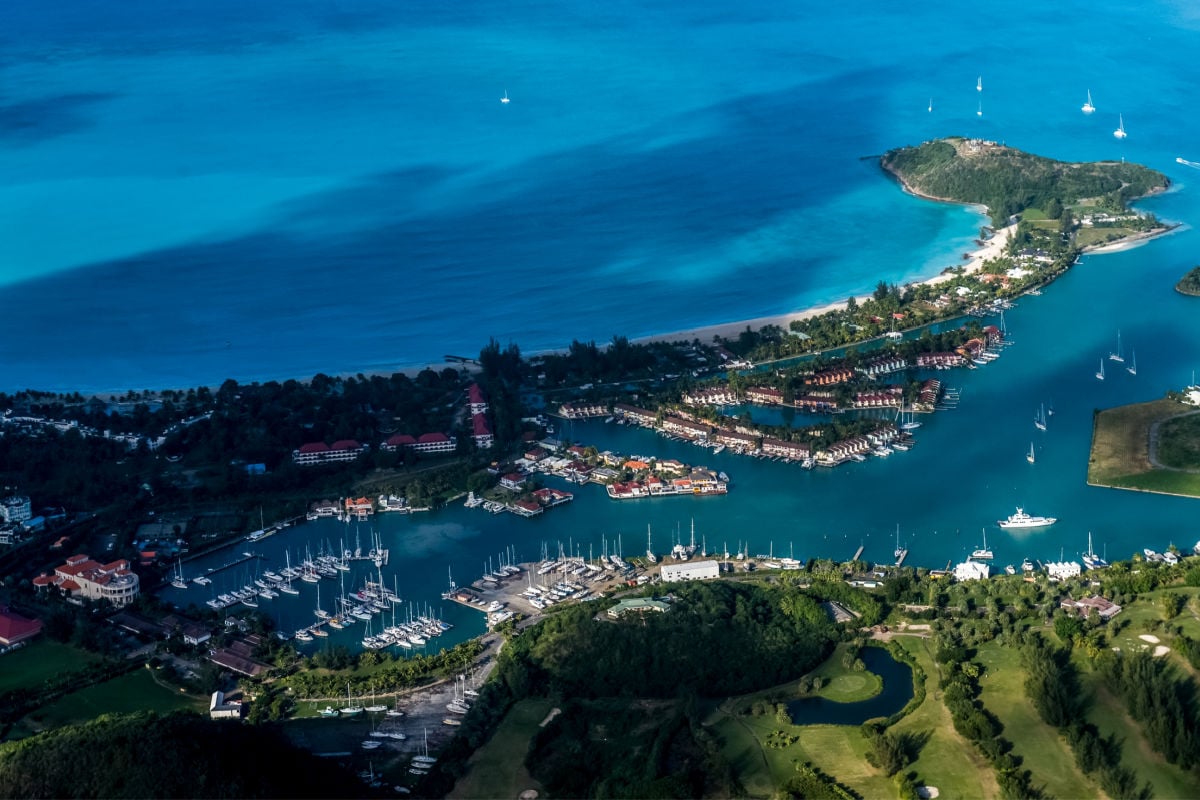
- The logistics: To reach Montserrat, first fly to the neighboring island of Antigua (ANU), which receives direct flights from all over the US. From there you can easily take a scenic 15-minute hopper flight with SVG Air, or take a 90-minute ferry ride across the water. It takes one extra step on your travel day, but that’s exactly the price of admission to experience the Caribbean as it was decades ago.

