


There’s a man in the room who hasn’t said anything yet. He arrived five minutes early, sat down in his seat without haste, and listened with the kind of attention that makes other people find it worth listening to. When someone speaks to him, he doesn’t rush to respond. He thinks, then speaks clearly and without filler. By the time the meeting ends, most people in the room will have formed a strong opinion about him, and almost none of it will be based on what he said.
This is what presence looks like in practice, and in 2026 it has become one of the most consequential and least talked about competitive advantages available to any professional. The world is noisier, more saturated and more distracted than ever. In that environment, the ability to walk into a room – physically or virtually – and immediately convey competence, calmness and genuine concern has become truly rare.
According to research by psychologists from Princeton, people form a judgment about your trustworthiness in just 100 milliseconds Janine Willis And Alexander Todorov. The decisions that shape careers, deals and relationships are often made before most people have said a word.
What presence actually is
Presence is not charisma, even though the two are often confused. Charisma draws people to you through personality and energy. Presence is quieter and more fundamental. It is the quality of being completely in the room: undistracted, controlled and genuinely involved. A charismatic person can be magnetic and absent-minded. A person with a real presence never becomes absent-minded.
Think of leadership presence as your personal broadcast system. Your posture, facial expressions and the way you move create an energy that ripples through the room and shapes how others perceive your authority and competence. That broadcast continues continuously, whether you are aware of it or not. The question is not whether you are broadcasting; it’s what signal you send.
Authentic presence is the result of being rooted enough in yourself that you don’t need external validation from the room to feel safe. That grounding is visible and palpable to everyone around you, and it makes presence a real competitive advantage rather than a cosmetic one. Talking like you mean it, walking like you own the room, and sitting in a way that convinces even the inanimate objects of your leadership – these are the subtle signals that radiate confidence.
The science of conversation

Up to 93% of communication is non-verbal. Body language, facial expressions and tone often have more impact than the actual words spoken. Multinational companies invest millions every year in executive training. Institutions that are willing to spend money on that scale on something as intangible as presence communicate something important about the return on investment.
The neurological basis is well understood. Humans evolved as social beings for whom rapid assessment of intent and competence was critical to survival. When someone walks into a room and people feel a subtle shift in attention or energy, it is not mystical. It is the nervous system doing what it evolved to do. Your presence is the input. Their assessment is the output. You manage the input.
Presence in the digital age
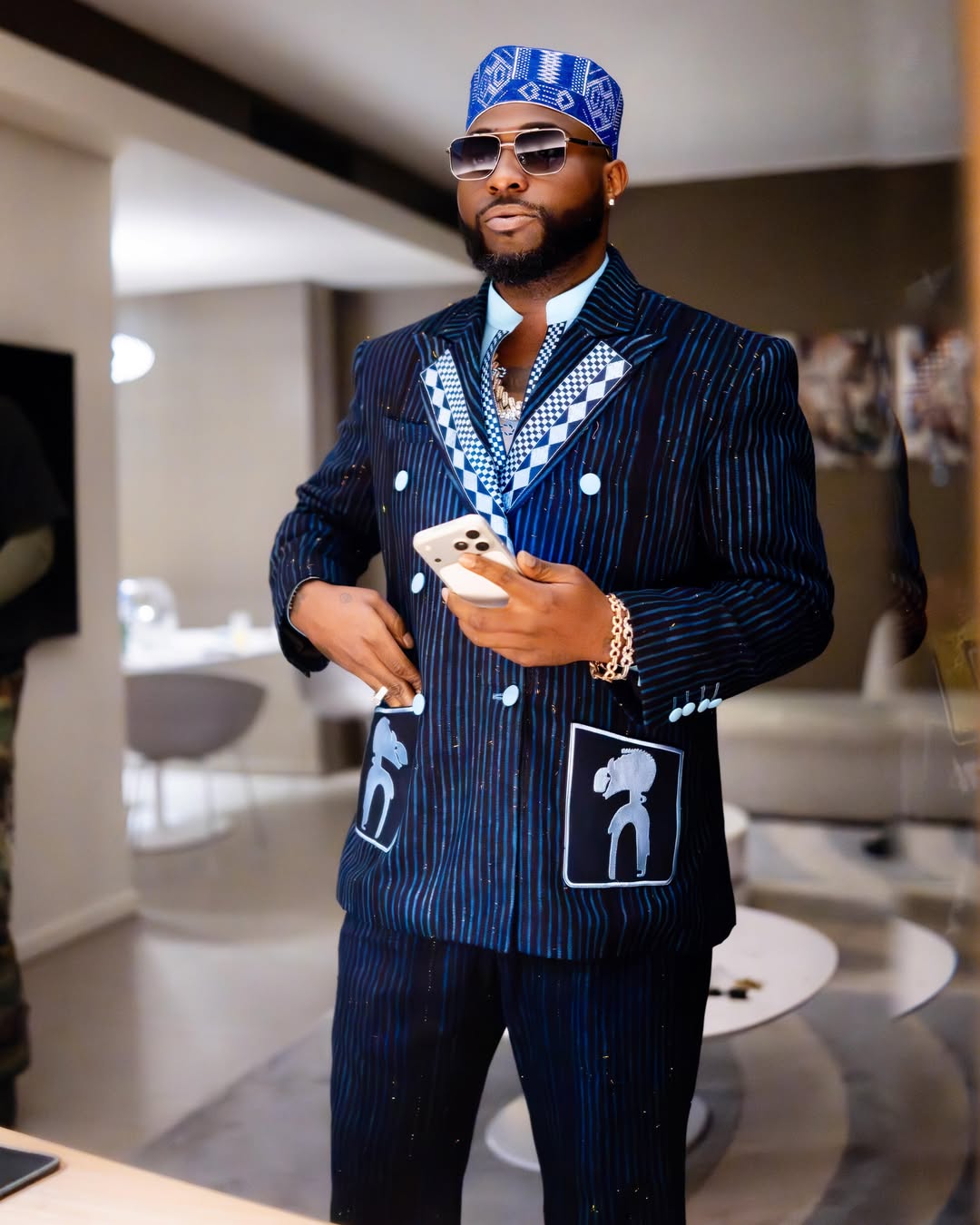
The digital transformation of professional life has not diminished the importance of presence; it has expanded its territory. In hybrid work environments, a flat voice during a conversation or poor camera presence can undermine influence as quickly as a frown in person. Leaders who understand this gain a powerful advantage in building trust in all circumstances.
A camera at eye level communicates involvement. Clear lighting indicates that you are taking the interaction seriously. Looking at the camera instead of the screen creates the feeling of real eye contact with the person on the other end of the line. These are not complicated adjustments; they’re the digital equivalents of sitting up straight and making eye contact.
Poor camera presence will be an occupational hazard in 2026, just as avoiding eye contact or showing poor posture would have been in the previous decade.
The skills you can develop
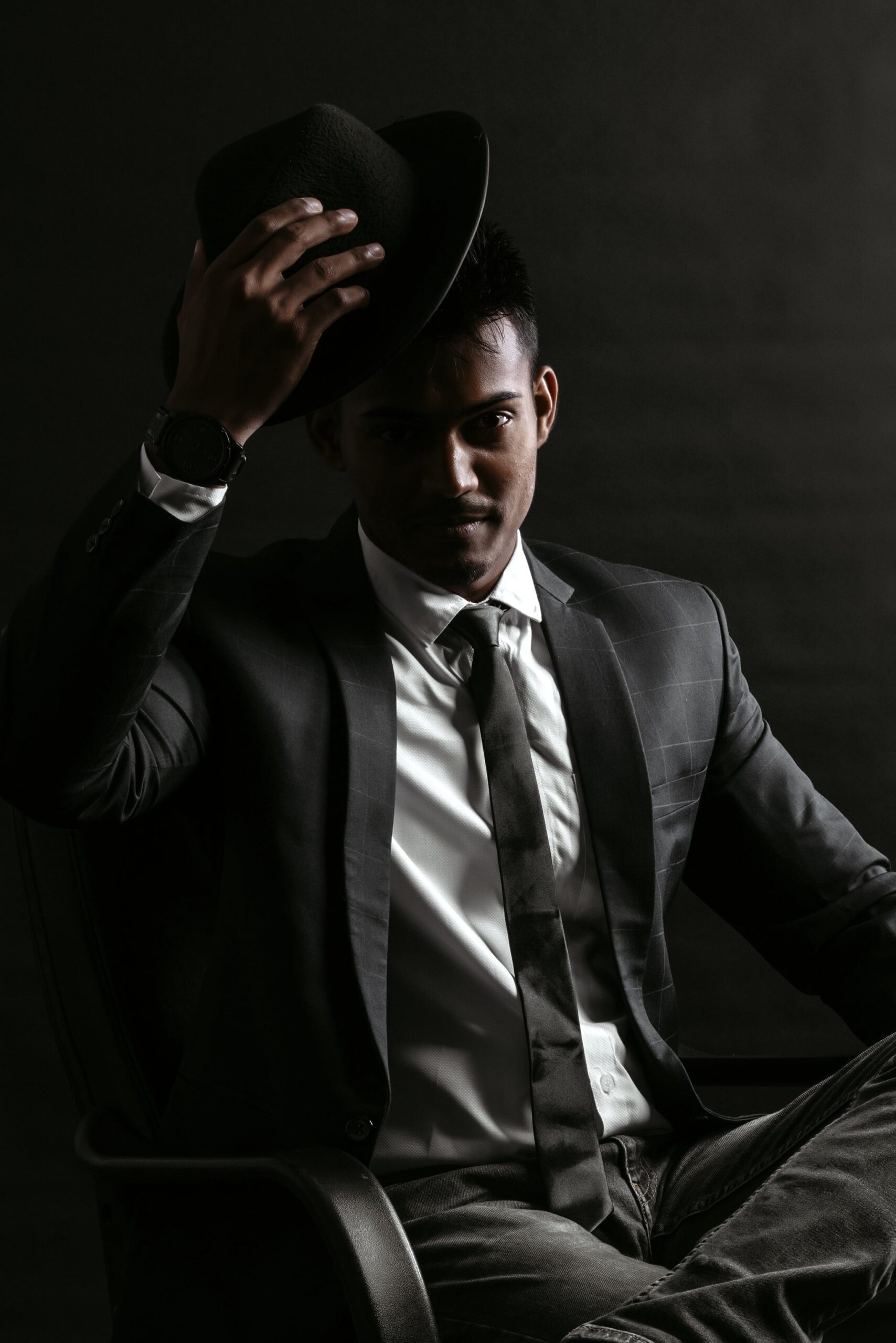
The most important body language signals that reinforce conscious leadership are an open posture, stable eye contact, purposeful gestures, calm movements and controlled breathing. Each is a practiced skill, not a fixed trait. None require exceptional physical attributes or natural charisma. They require attention and repetition.
Attitude is fundamental. Shoulders back and relaxed, chest open and easy and direct eye contact indicate trust and openness without aggression. Voice is equally important. Slowing down your speech conveys confidence, while upward inflections at the end of statements can undermine authority. Silence is underestimated: unnecessary fidgeting indicates anxiety. The ability to remain physically still reads as established authority to everyone in the room.
The most practical approach is to view presence as a practice. Record yourself during video calls. Ask trusted colleagues for honest feedback. Study the people around you who are naturally in charge of rooms, and examine what they do at the level of posture, voice and attention, rather than just content.
The silent edge

In a world of constant noise and distraction, the person who is fully present, genuinely attentive, physically grounded and communicatively clear is becoming increasingly rare. Rare things have value.
The most consequential rooms in any career don’t reward the loudest voice. They reward the person who makes everyone else feel genuinely involved. That quality can be learned. In 2026, this will be the closest to a true competitive advantage any professional can build without earning a single additional qualification.
Featured image: @ebuka/Instagram
https://www.stylerave.com/beste-pak-merken-voor-heren/https://www.stylerave.com/beste-pak-merken-voor-heren/