

Share the article
From the fairytale castles that look like they were cut straight out of a storybook, to the cobbled streets lined with half-timbered houses and quirky shops, to the beautiful, ornate architecture of the medieval cathedral in the city center:
Nothing says ‘magical’ like one European village frozen in time (in the best possible way).
Sure, big cities like Paris and London are great, but they hardly showcase the real, unspoilt charm of the Old Continent.
The small villages untouched by mass tourism are where the Real Magic happens, and if you plan on crossing the pond in 2026, Here are 7 historical gems you definitely won’t want to miss:
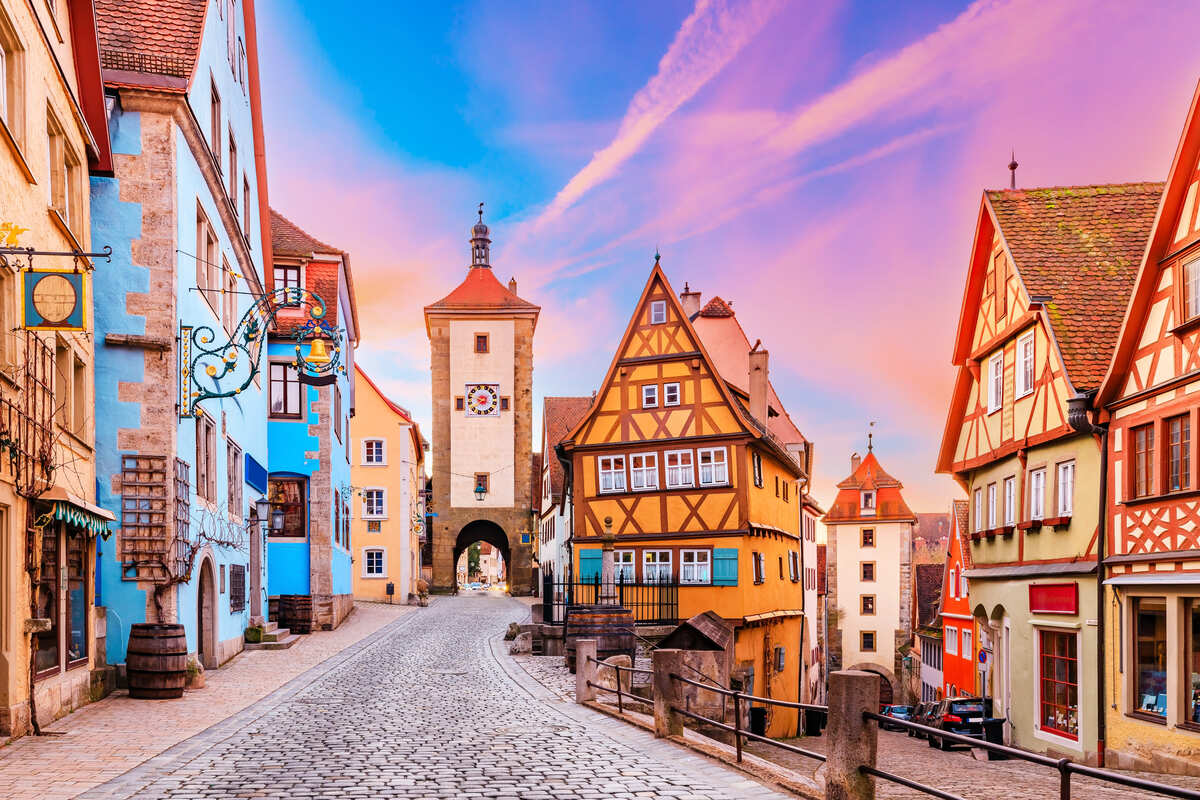
Rothenburg ob der Tauber, Germany
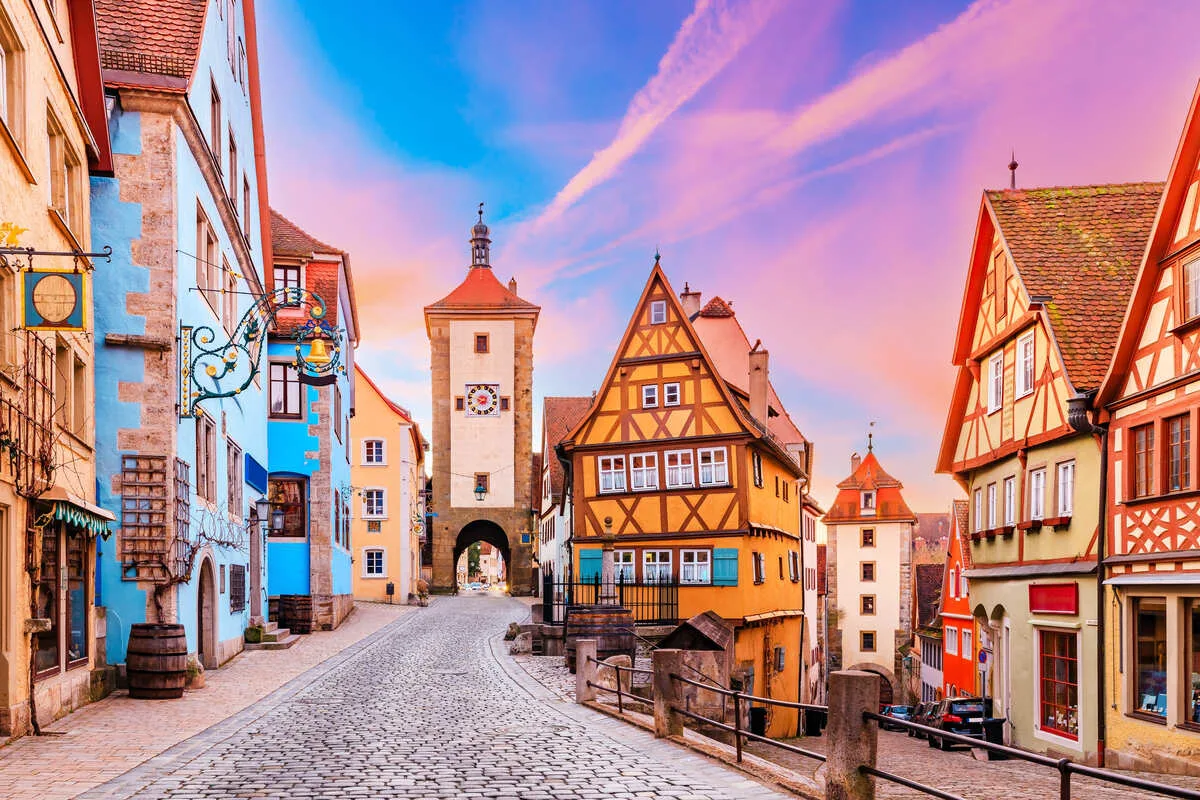
Hidden in the rolling green hills of Bavaria, in southern Germany, Rothenburg ob der Tauber is the kind of place that is the spitting image of a town you thought could only exist in your most fantastical Disney-encoded childhood dreams.
There are no two ways about it: it’s straight out of a fairy tale. The winding stone roads are flanked by colorful toy-like homes, old wooden-roofed houses and towering churches everywhere you look. Rothenburg is a German national artifact in life-size form.
Moreover, it is one of the few cities that has remained by far untouched. That’s what makes it so inherently special: it’s still completely surrounded by originalintact walls, watchtowers and drawbridges leading to imposing gates.
Erice, Italy
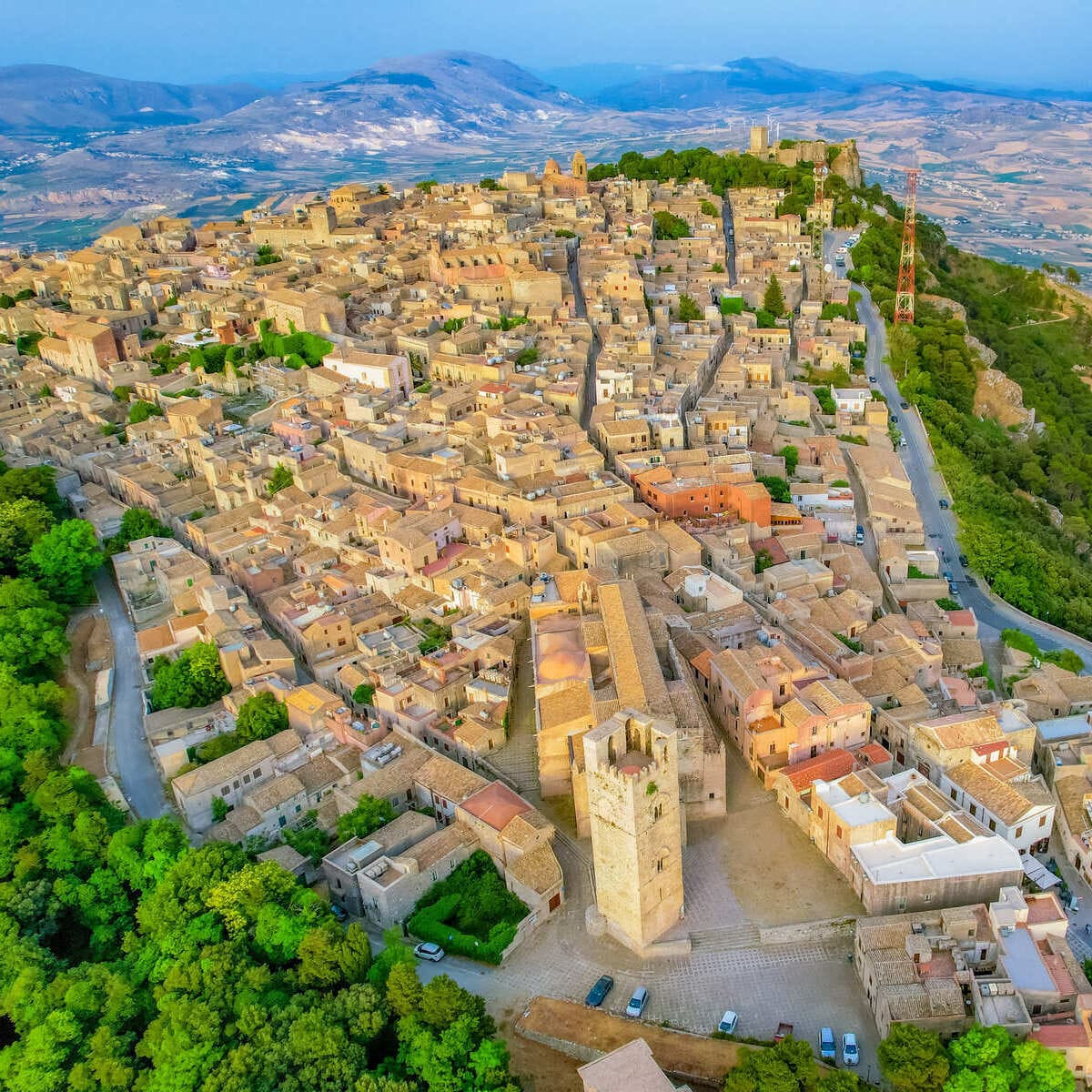
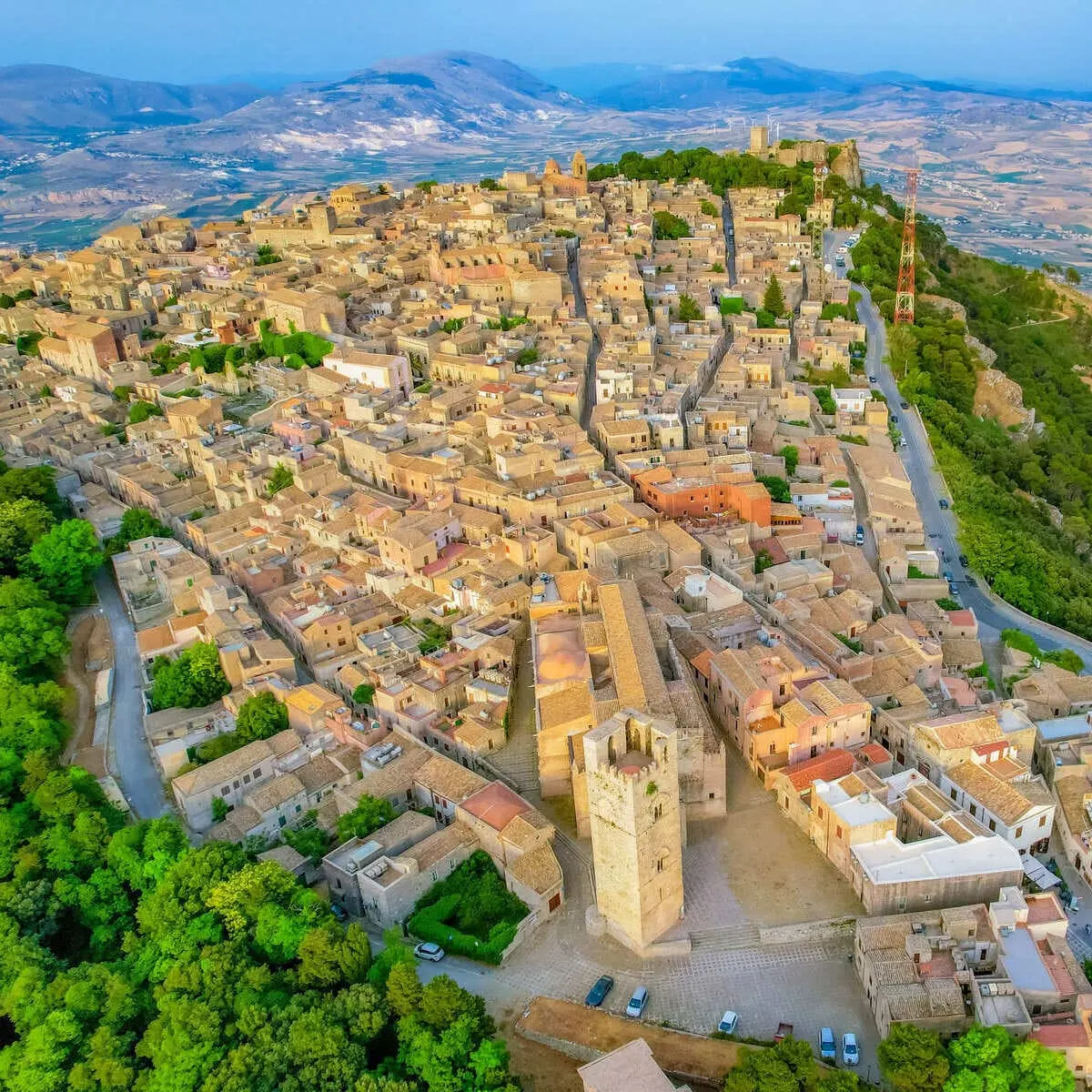
Considered the best preserved medieval city in Sicily, Erice sits on a prominent mountain overlooking the island’s lush landscape and the glittering Mediterranean Sea beyond, 750 meters above sea level.
It is crisscrossed by winding, stone-paved streets and is dotted with traditional family restaurants and quiet, unassuming Romanesque churches with opulent Baroque interiors. The notable among them, Church of San Martino features beautiful stucco work and colorful frescoes.
The absolute must-see in the city, however, is the Castle of Venus, an ancient fortress built on the ruins of a pagan temple dedicated to the Roman goddess. If you’re hoping for those epic blood-orange sunsets, this is the place to catch them.
Pedraza, Spain
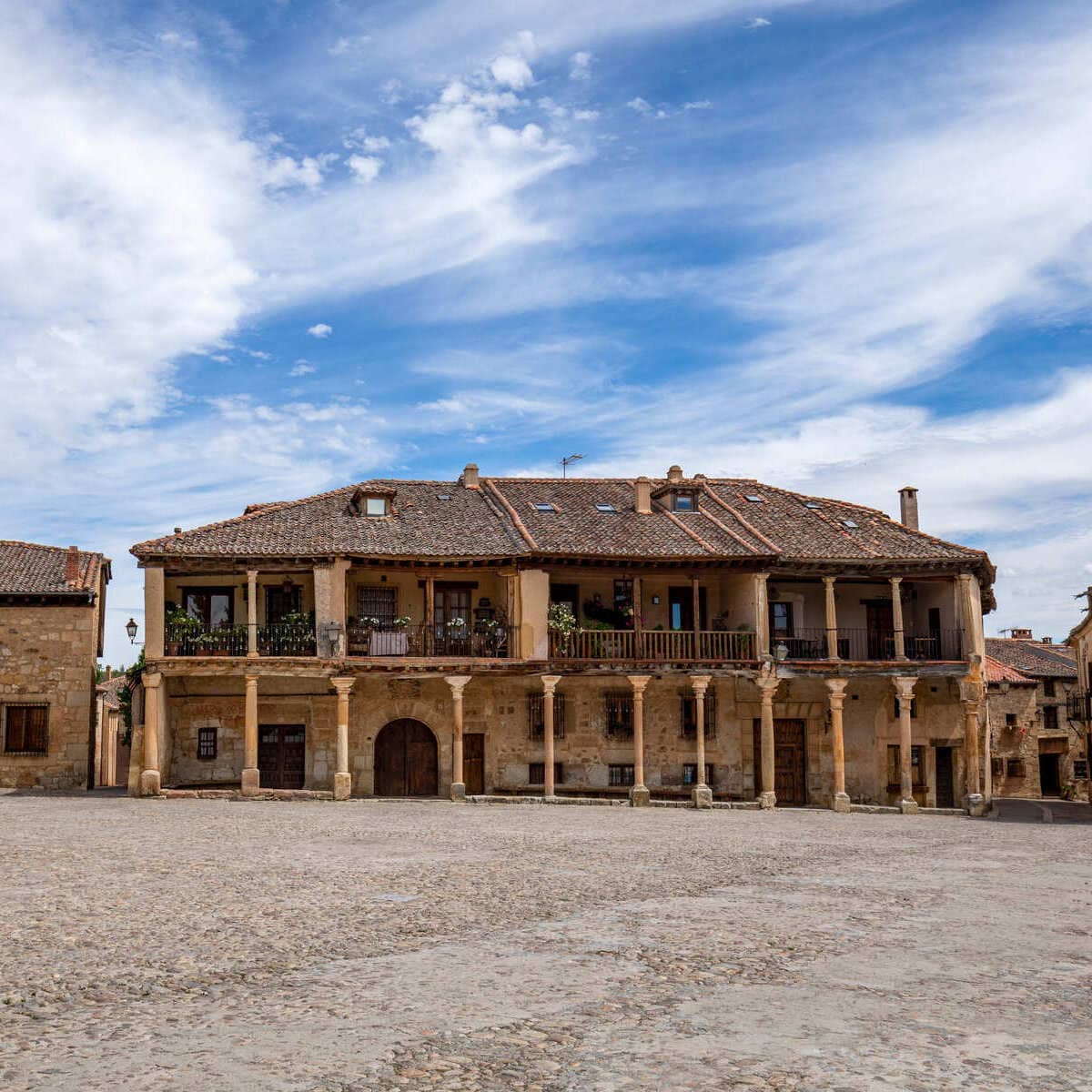
With a population of only 359 inhabitants and a limited number of tourists, Pedraza is one of the most special places in Spain, which has been overrun by overtourism in recent years. That said, it probably won’t be long before the masses discover it:
A beautiful village just 25 minutes by train from bustling Madrid, it is known for its intact medieval cityscape: imagine impressive walls, cobbled streets lined with old stone houses and arcaded buildings surrounding a stately Plaza Mayor.
In summer the Night of Candles is also held here (La Noche de las Velas), when the entire settlement’s electric lights are turned off and thousands of candles are lit instead, casting a golden glow on the centuries-old facades. Atmospheric and whimsical don’t even seem opaque.
Koprivshtitsa, Bulgaria


Koprivshtitsa, an unusual mountain village in the heart of Bulgaria that seems to have perfectly captured the identity of the Balkan country, is crossed by cobbled paths, filled with colorful buildingsAnd loaded with history.
Not only is it a literal open-air folk museum, with rows upon rows of brightly colored mansions with the famous covered balconies and sculpted ceilings, it is also the birthplace of the April Uprising of 1876, which marked Bulgaria’s most important uprising against the Ottoman Empire.
A walk through Koprivshtitsa feels like peeking into a time capsule, where not much has changed in the past 200 years. The fresh mountain air, rolling green hills and the stream that meanders through the heart of the city all add to the mystique.
Pyrgi, Greece


Located in the North Aegean region of Greece, Chios as an island is already quite off the path, away from the chaos of Santorini and Mykonos. There are countless villages you can explore without crowds, but if you have time, Mesta is the place to go:
It is one of the ‘Mastic Villages’ and is distinguished by its… xystaan ensemble of historic houses clad in intricate, black and white geometric designs. They can be seen everywhere and although they are uniform in theme, each house has its own character.
In the heart of Pyrgi you will find a lively, shady square surrounded by cozy tavernas, the ideal place to have a drink mastic while admiring the patterned buildings. If we may add, Manoula serves the best homemade orange cake on the island.
Hall in Tyrol, Austria


A relaxed, sleepy Alpine town just a 14-minute bus ride from the popular ski resort town of Innsbruck, Hall in Tyrol is often considered the best-kept medieval town in the western part of Austria, and we have to agree.
It has picturesque towers, houses with gabled roofs, facades of buildings decorated with elaborate motifsand for the history buffs among us: a remarkable history of coin minting. In fact, Hasegg Castle, the local fortress, is where the ‘thaler’ was originally coined.
This is the coin that would eventually give rise to the word ‘dollar’, but when we talk about precious material heritage, Hall’s crown jewel has to be Pfarrkirche St. Nikolaus. This 14th-century church features stucco work and a beautiful gilded altar, unlike anything you’ve ever seen before.
Sighisoara, Romania


Located in Transylvania, the mystical Romanian hinterland, Sighișoara is the charming, medieval village you never knew you had to visit until now. We are talking creepy looking gothic spires towering over narrow streets, pastel-colored facades and even vampiric stories that come with them.
The characteristic Clock Tower is the main attraction here, but there are 9 other similar buildings standing guard at the city’s entry points, as well as an idyllic hilltop church (Biserica din Deal) and restored medieval lodgings.
Speaking of which, the most infamous of these has to be Vlad Dracul House (Tinstraat no. 1). Yes, as in the actual historical figure who inspired the Dracula story. Before he became a fearsome, bloodthirsty ruler, he was born in this exact spot in Sighișoara in 1431.
Provins, France
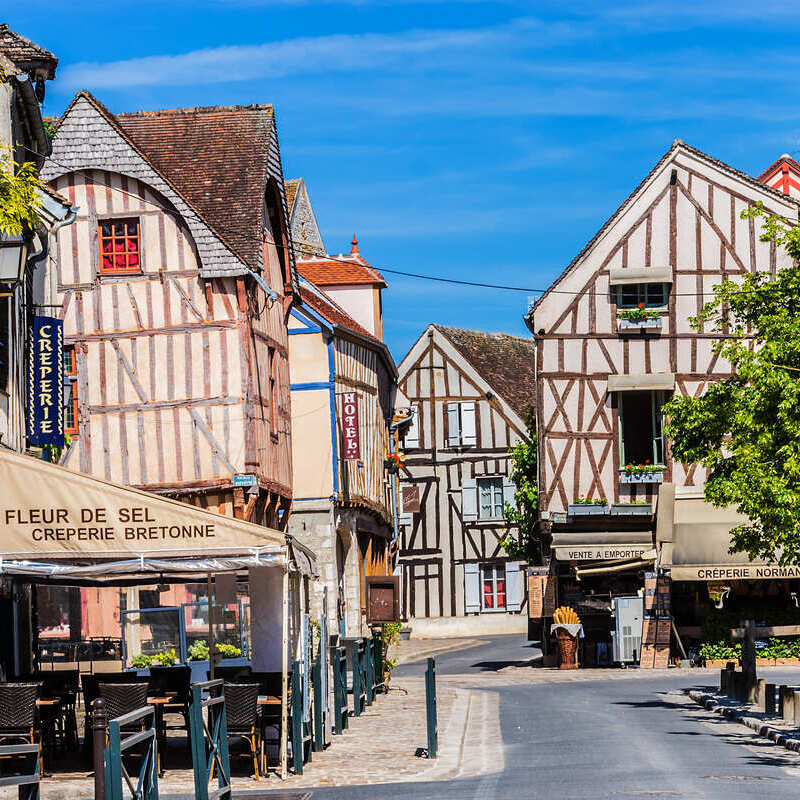
A short 1h15 train ride from the hustle and bustle of Paris, to the gare in the picturesque provincial town of Provins it’s like peeking into a completely different universe: a universe where photos, selfies of the Eiffel Tower and Instagrammable flowery cafes don’t matter.
A rare snapshot of life in the Middle Ages, it is a UNESCO protected city surrounded by imposing city walls and dotted with historic buildings. The Caesar Keep, for example, is a monumental tower from the 12th century with vaulted chambers and panoramic terraces.
To all our fellow lovable devils out there, you must take a look at Gourmandises Médiévales, a store specialized in medieval confectionery, a short walk from Place du Châtelthe central square. You can even try the OG’s almond-based macaron recipe!

Subscribe to our latest posts
Enter your email address to subscribe to the latest Travel Off Path breaking travel news, delivered straight to your inbox.