


There’s a silent recalibration happening in modern wardrobes, and it starts with structure. After seasons characterized by softness and ease, structured blazers for women are once again emerging as a focal point, bringing clarity, precision and a sense of intention to everyday dressing. This shift is not loud or trend-driven. It’s subtle, almost instinctive, and reflects a broader return to pieces that retain shape, frame the body and exude confidence without excess.
Structured blazers for women are no longer limited to traditional tailoring or corporate uniformity. They have evolved into versatile anchors of personal style, moving effortlessly between polished and relaxed contexts. What defines them now is not stiffness, but control: clean lines, thoughtful construction and silhouettes that feel purposeful rather than forced. In this new landscape, the blower becomes more than a layer; it becomes the basis of how modern clothing is expressed.
View structured blazers for women that define modern clothing…
#1. Sharp customization: The modern power silhouette
Structured blazers for women are at their strongest when the tailoring is precise. Defined shoulders, fitted waist and sleek lapels create a silhouette that feels controlled yet effortless. Designers love Saint Laurent and Alexander McQueen have refined this direction, offering wind instruments that are architectural without becoming rigid.
The effect is subtle but powerful. This is clothing that frames the presence rather than overwhelms it. Paired with straight trousers or even jeans, sharp tailoring is less about authority and more about balance.
#2. Oversized structure: Relaxed but defined
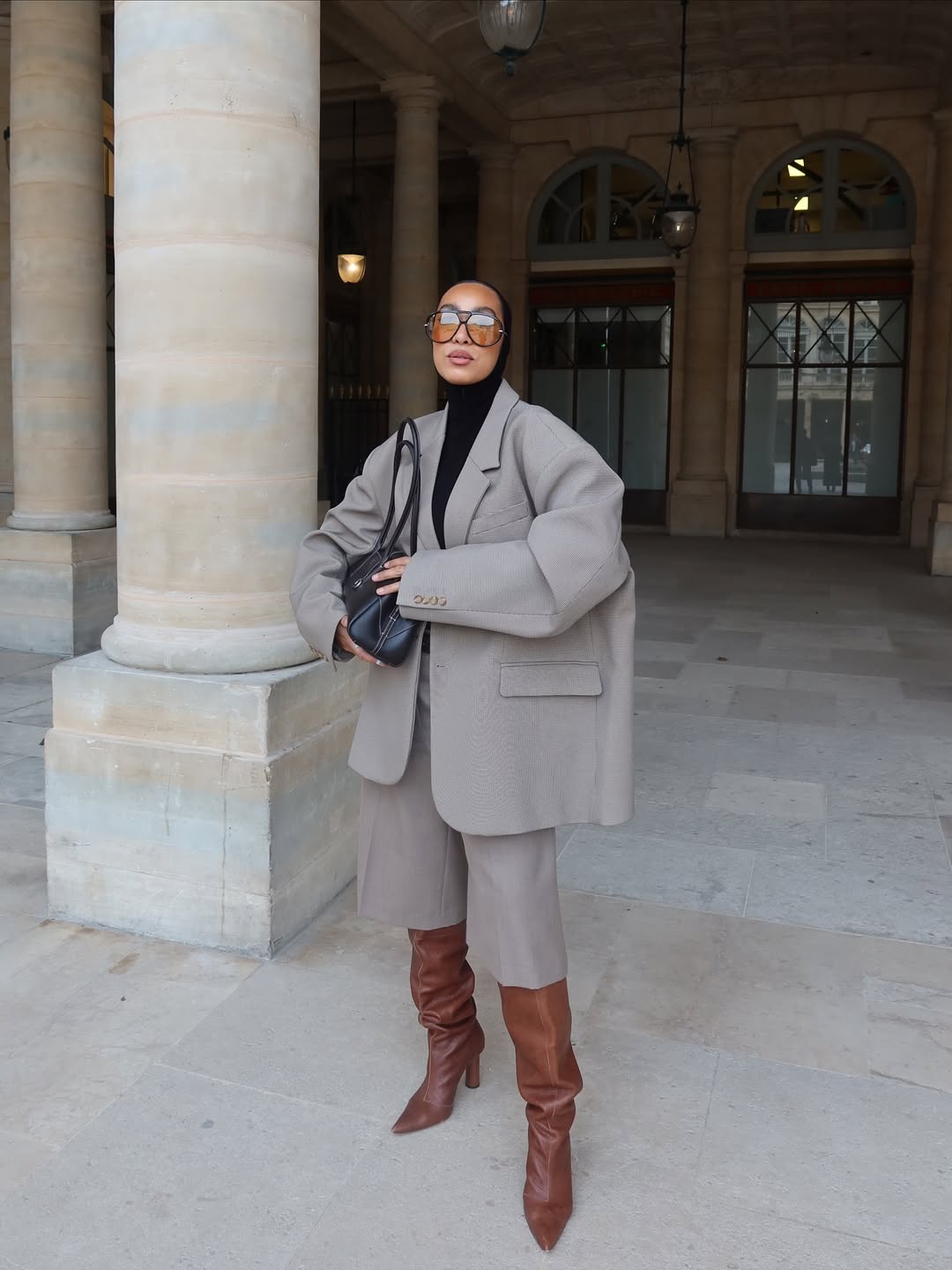
The oversized blazer continues to evolve, but its structure keeps it grounded. Even if the proportions are exaggerated, the best options maintain their shape thanks to strong shoulders and intentional draping.
This contrast makes the silhouette modern. It feels borrowed yet designed, relaxed yet controlled. Worn over slip dresses, fitted tops or tailored shorts, oversized structured blazers bring ease to sophistication.
#3. Belted blazers: Defined femininity
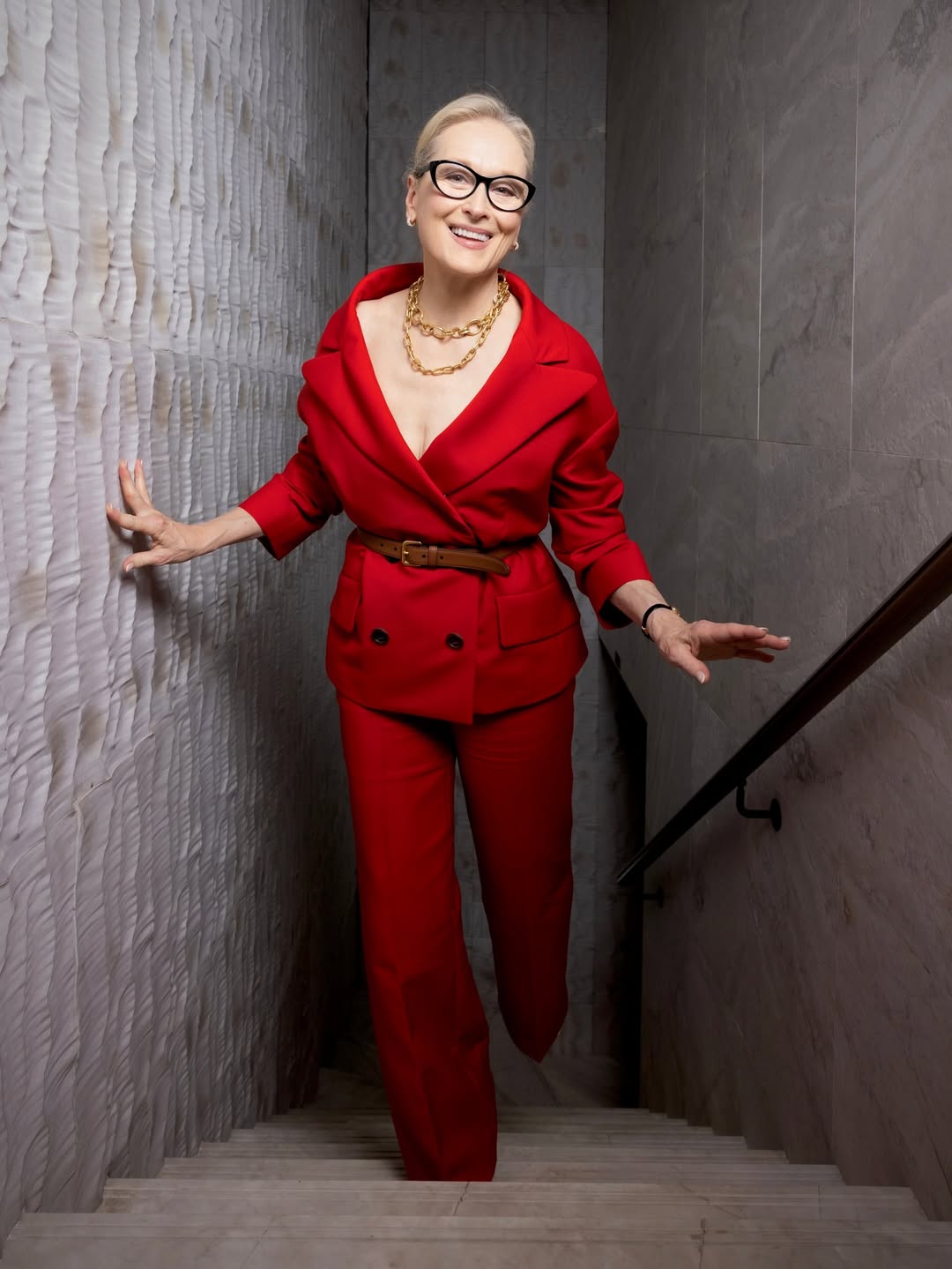
Structured belted blazers for women introduce the shape more directly. Here the waist takes center stage, making the blazer both an outerwear and a statement piece.
Whether styled with tonal straps or contrasting textures, this version bridges softness and strength. It creates definition without heaviness and offers a silhouette that is considered and flowing. It remains one of the most adaptable interpretations of structured customization today.
#4. Double-breasted blazers: Classic reinvented
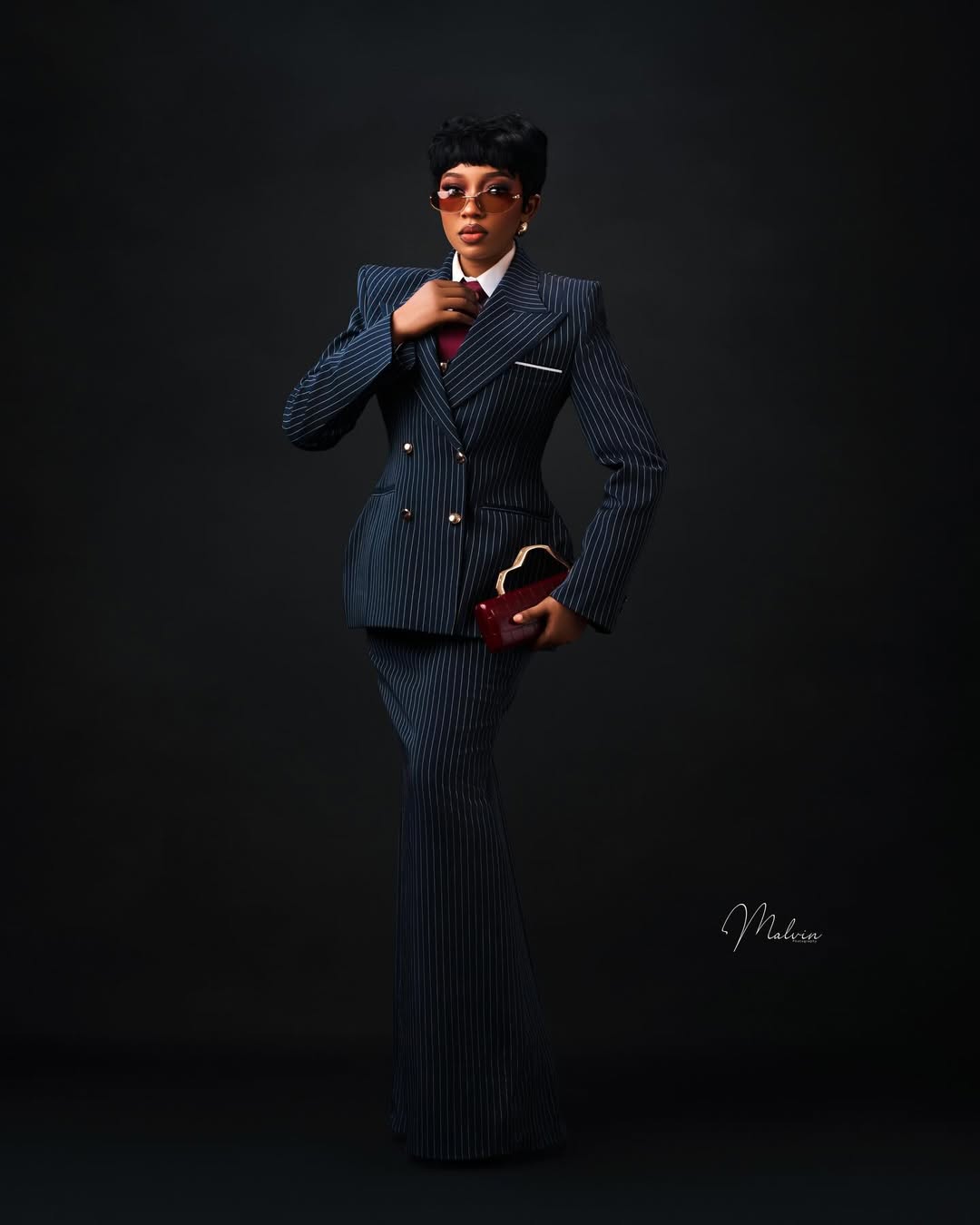
The double-breasted blazer remains one of the most durable variations of structured blazers for women. The symmetry, depth and tight closure give it a timeless quality. Modern versions lean somewhat relaxed, avoiding stiffness while maintaining authority. Gold buttons, peak lapels and subtle padding add dimension without being overdone.
#5. Neutral wind instruments: Everyday Foundation
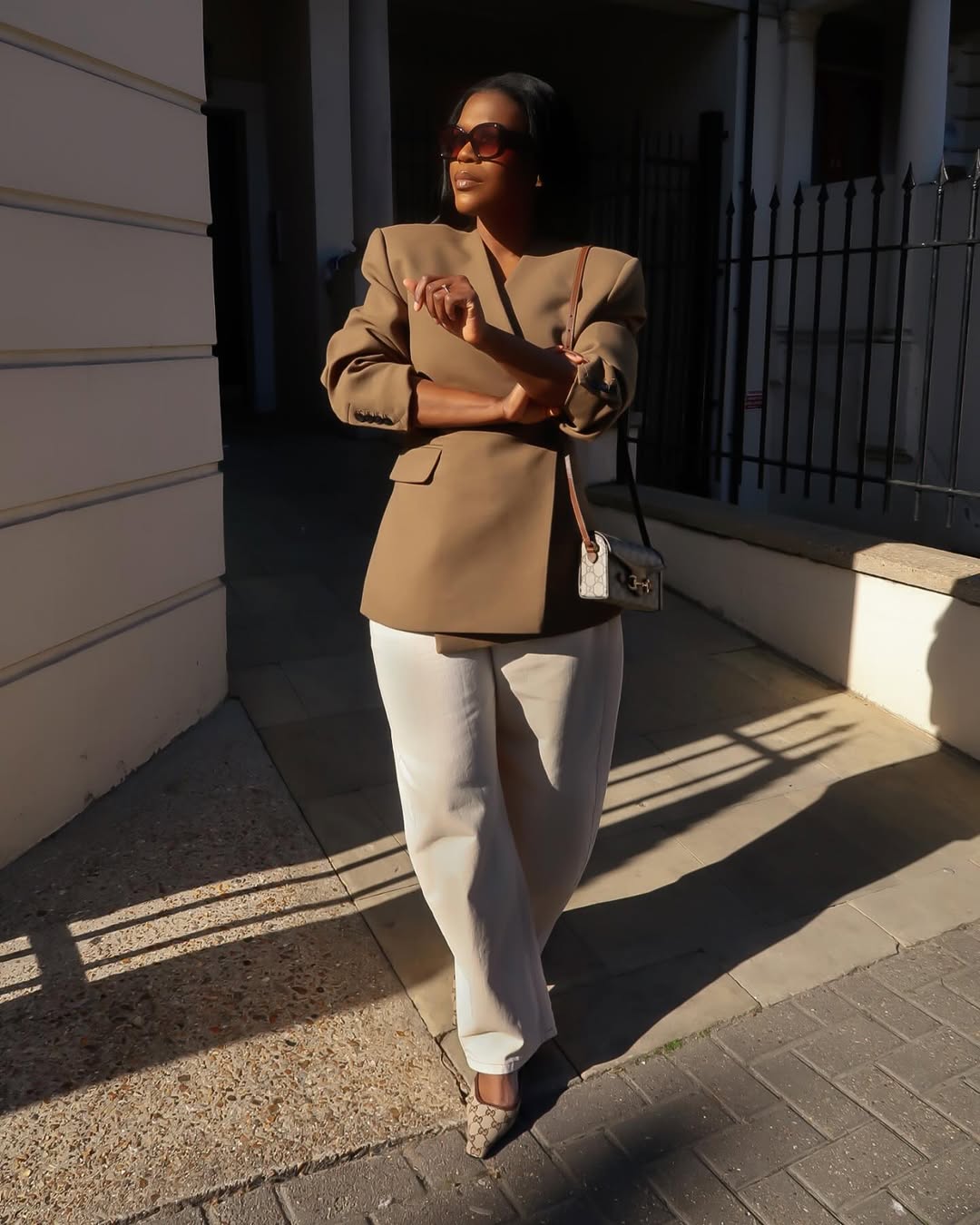
Neutral structured blazers for women are the backbone of a versatile wardrobe. Beige, black, ivory and muted gray offer endless styling possibilities. Their strength lies in restraint.
Without distractions, the silhouette remains the focus: clean lines, refined fabrics and well-thought-out cuts. These are the blazers that are worn repeatedly, over everything from crisp shirts to simple tanks.
#6. Explanation of wind instruments: Structure with personality
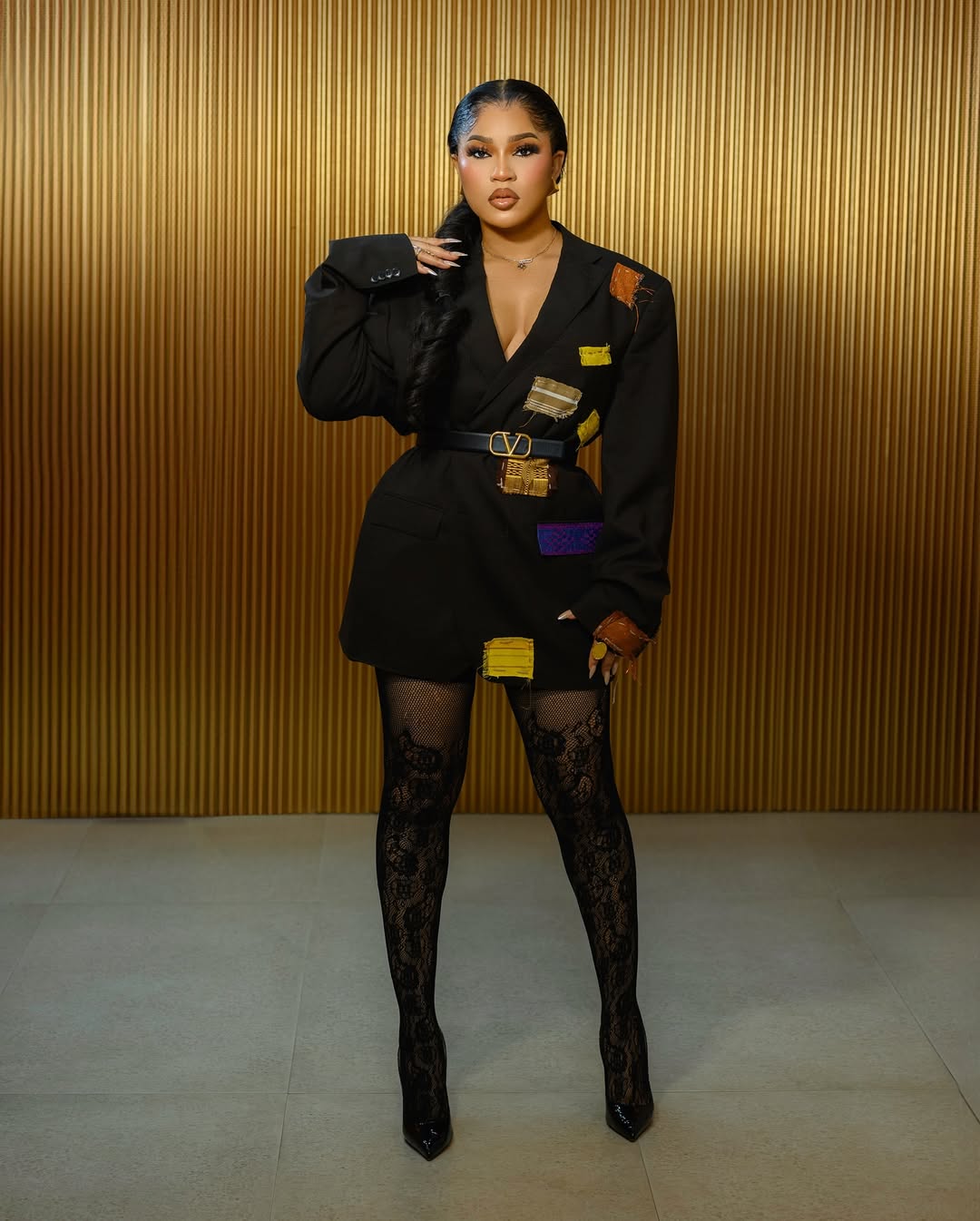
Not all structured blazers for women are minimal. Some lean on color, texture and details while maintaining the custom shape. Bold hues, unexpected fabrics and sculptural cuts transform the blazer into a focal point rather than a support layer.
Even in the form of a statement, structure keeps everything grounded. This balance between expression and control makes these pieces compelling.
#7. Short blazers: Modern proportion game
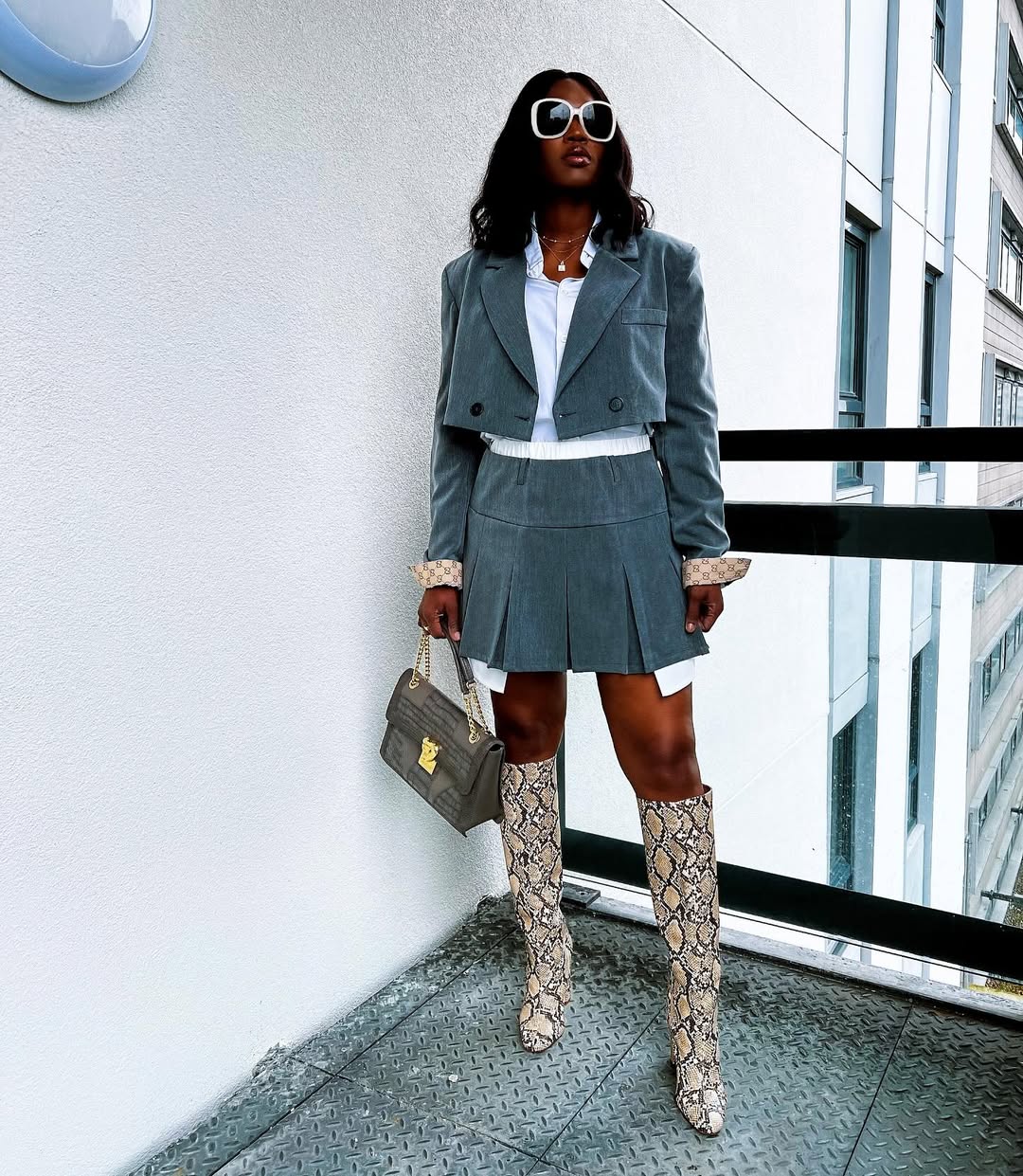
Cropped structured blazers for women use proportion as a styling tool. Shortening the silhouette shifts the attention to the waist and bottom half of the outfit.
This creates a sharper, more fashionable shape that can be effortlessly combined with trousers, skirts or high-waisted jeans. Here the structure is reinterpreted through proportions instead of length.
#8. Textured blazers: Depth of detail
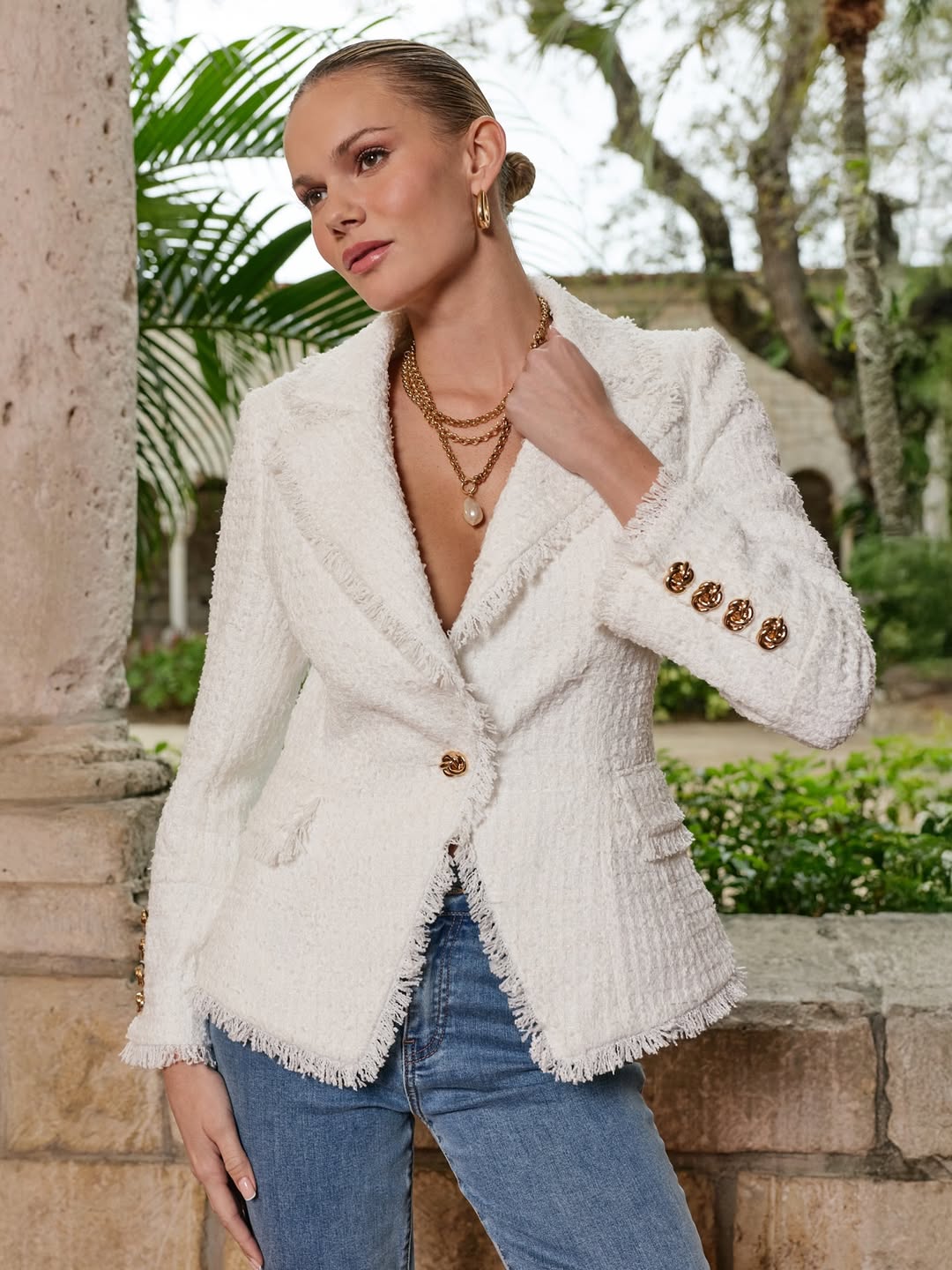
Fabric is the defining feature of textured, structured blazers for women. Tweed, wool blends, crepe and subtle jacquards introduce dimension without compromising shape.
The structure remains intact, but the texture adds softness and depth. It’s a simple way to create visual interest without disrupting the silhouette. Moreover, these pieces often feel the most luxurious, precisely because of their modesty.
#9. Lightweight blazers: Convenience refined
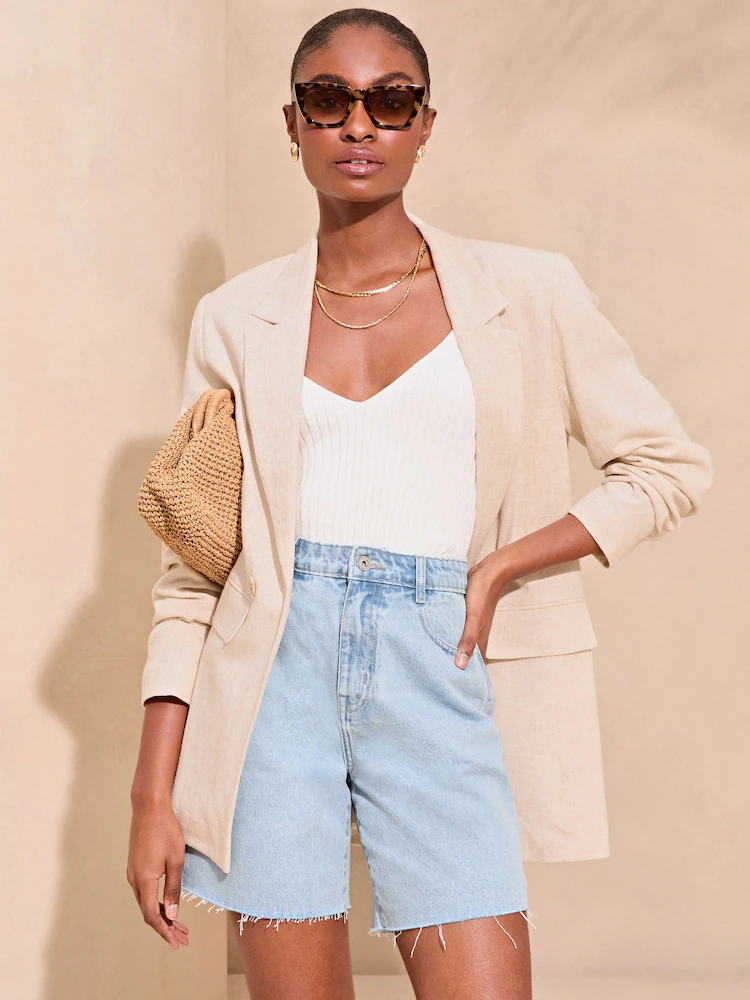
Not all constructions have to feel heavy. Lightweight options allow for customization in warmer seasons and softer styling contexts. Unlined interior, breathable fabrics and fluid construction allow for movement while retaining shape. They represent the most effortless expression of structure: present, but never limiting.
Shop editor’s picks
Conclusion: Structure as a new language of style
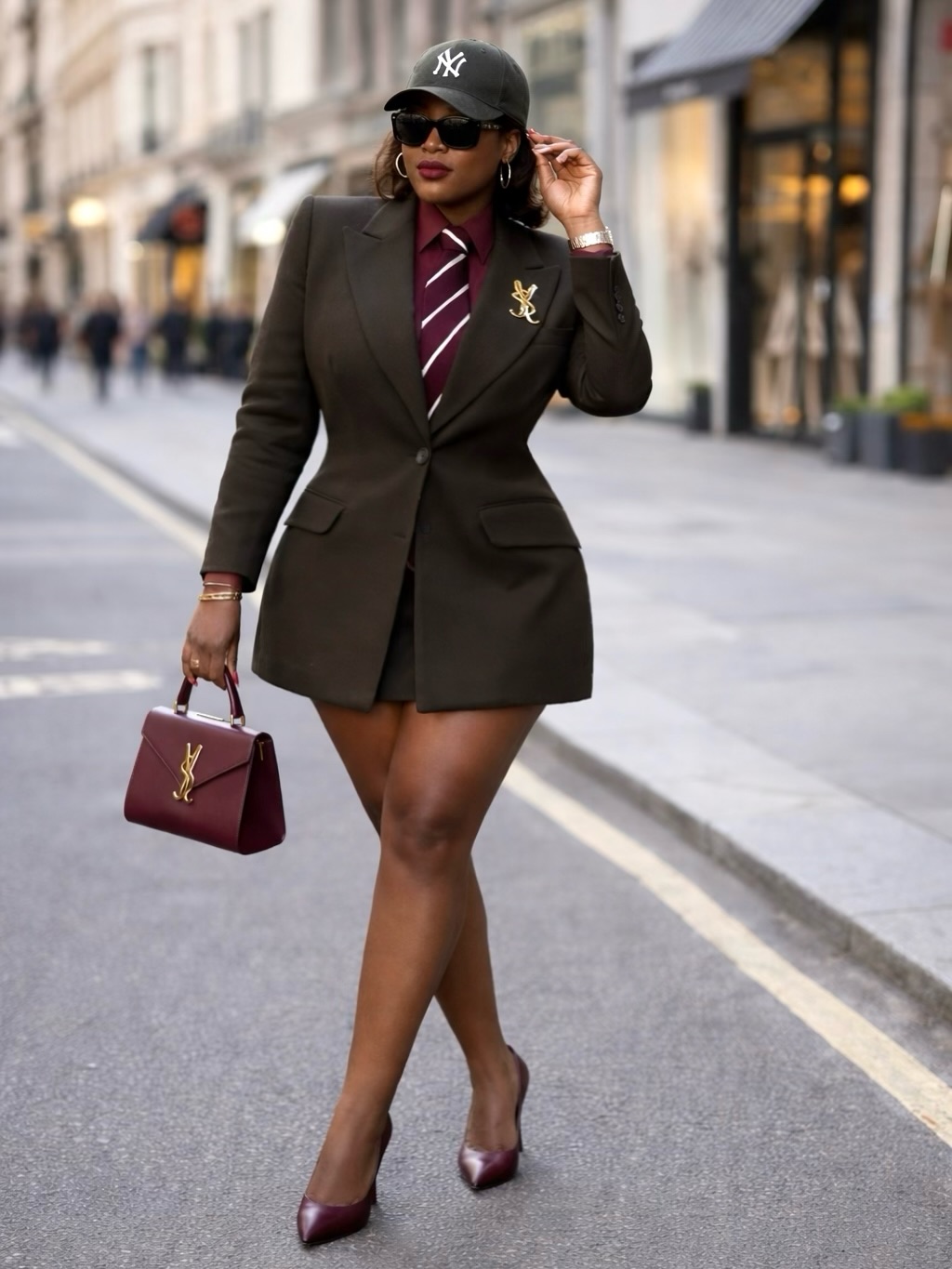
Structured blazers for women have outgrown their trend status. They now function as a language of modern clothing that balances clarity, versatility and intention. Across all silhouettes – sharp, oversized, cropped or belted – the message remains consistent: structure is no longer about limitations. It’s about definition.
And in that definition the modern wardrobe finds its strength.
Featured image: @thabee__happy/Instagram
.