

The birthplace of the Brothers of Grimm, and a cultural rich country with centuries of gathered history, Germany is one of the most sought after destinations for Americans about the pond.
The problem is that when they travel to places such as Berlin, Frankfurt or Munich, they often imagine that Disney-like fairy-tale settings. Instead, they find S-Bahns, industrial architecture, late stage Libertarianism and the buzz of great city life.
For the medieval Deutschland, with the half -scouted houses and paved streets, you might want to skip the big cities and view them 4 secret German destinations instead of:
Schwerin
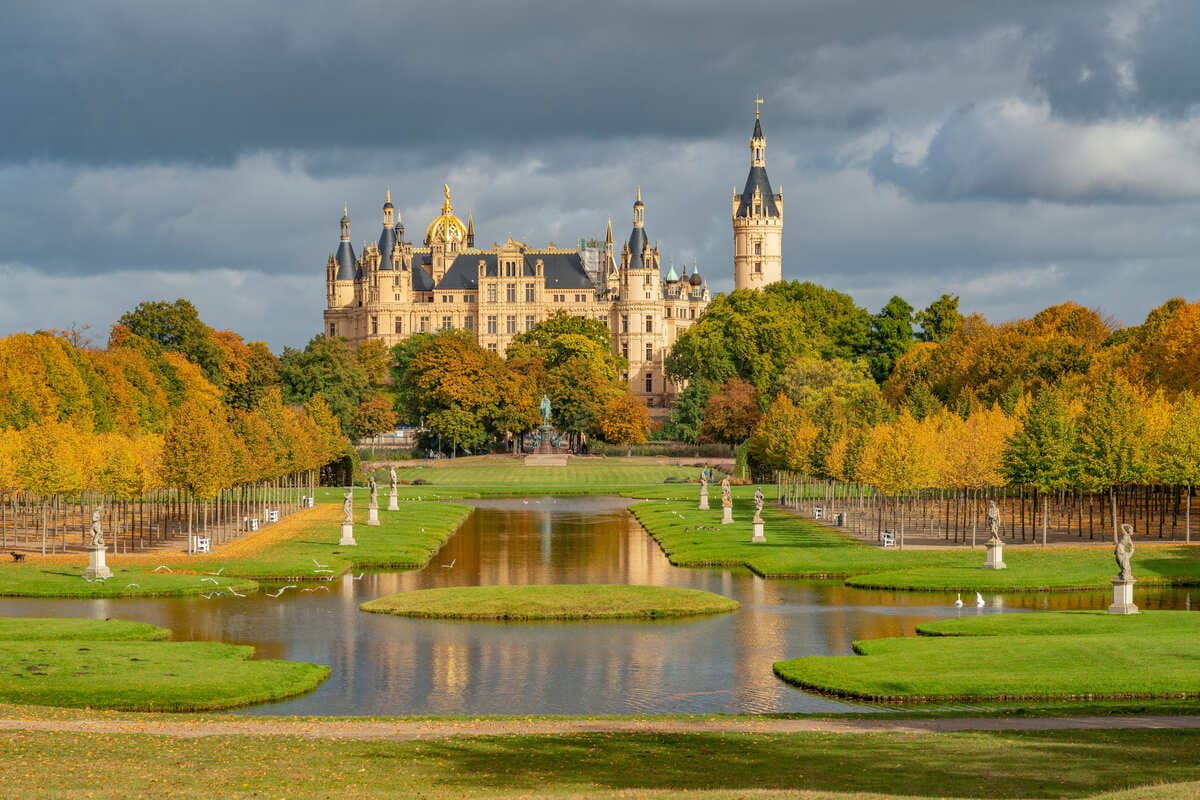
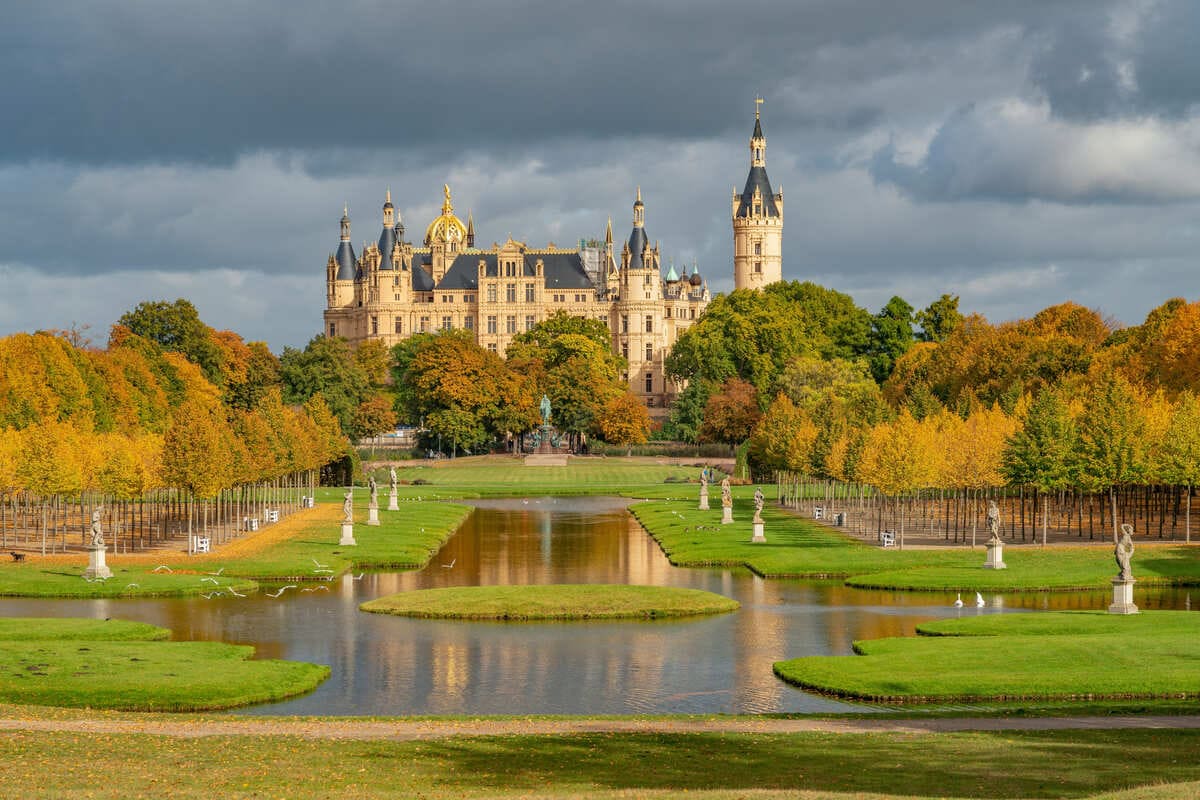
The compact capital of the northern German state of Mecklenburg-Vorpommern, Schwerin is a historically important city surrounded by more than a dozen lakesand the best distinguished by his fairy tale, Cinderella-Sque Schwerin Castle:
Called Neuschwanstein of the NorthIt occupied an island that is diverted by lush landscaped gardens and serene waters, and although it is the official seat of the local government, the lush rooms and courtyards are open to visitors for around $ 9.70.
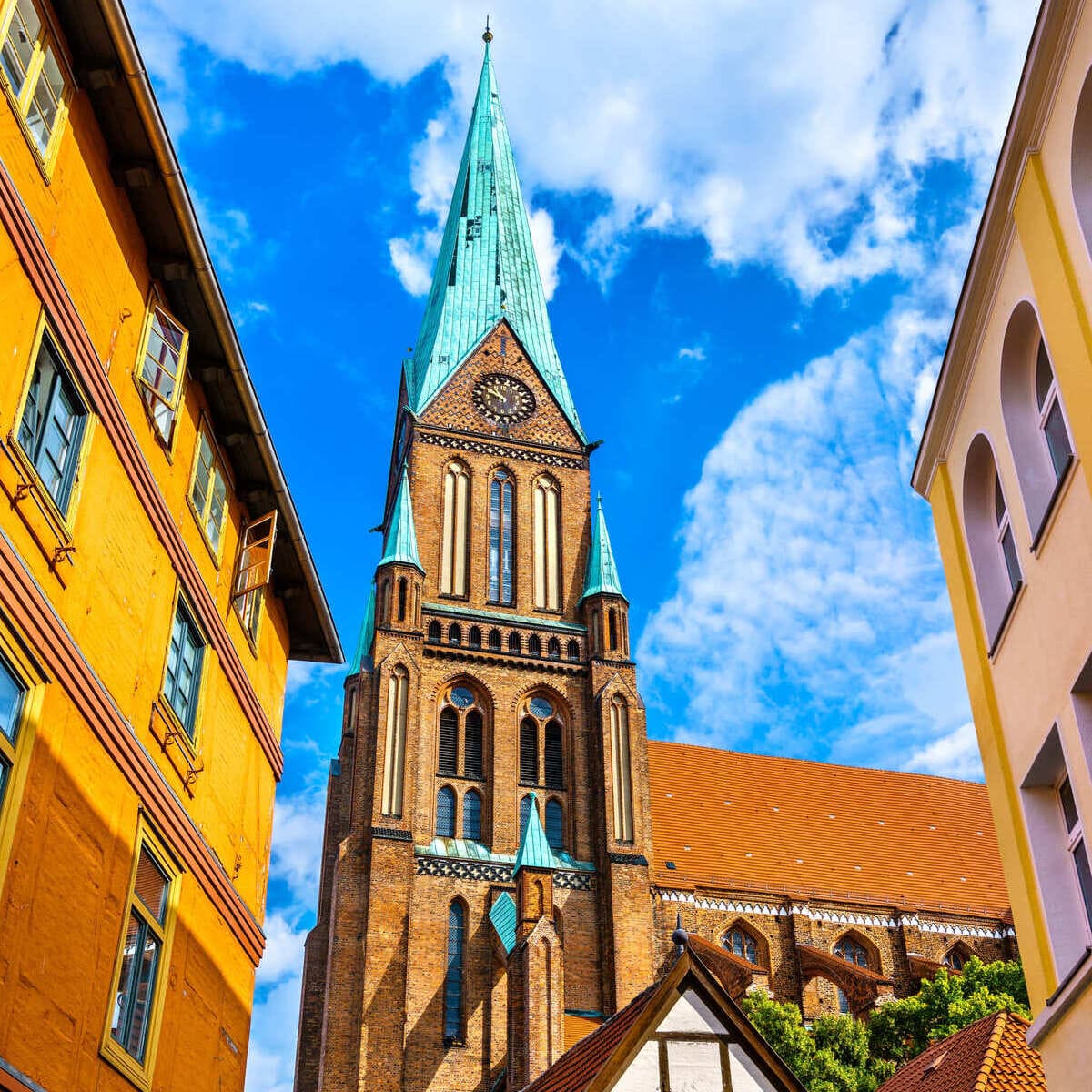
Apart from the castle, which has recently become the newest UNESCO world heritage site in Germany, Schwerin’s Old Town has an unusual Well -preserved medieval architecture That was not significantly damaged in the Second World War.
Photo Paved streets, half -scaised houses and an impressive Schweriner Dom, the cathedral and the most important orientation point in the AltstadtThat dates from the 13th century. The most important thing is that much fewer crowds, if present, and a more relaxed, feeling.
Meiss
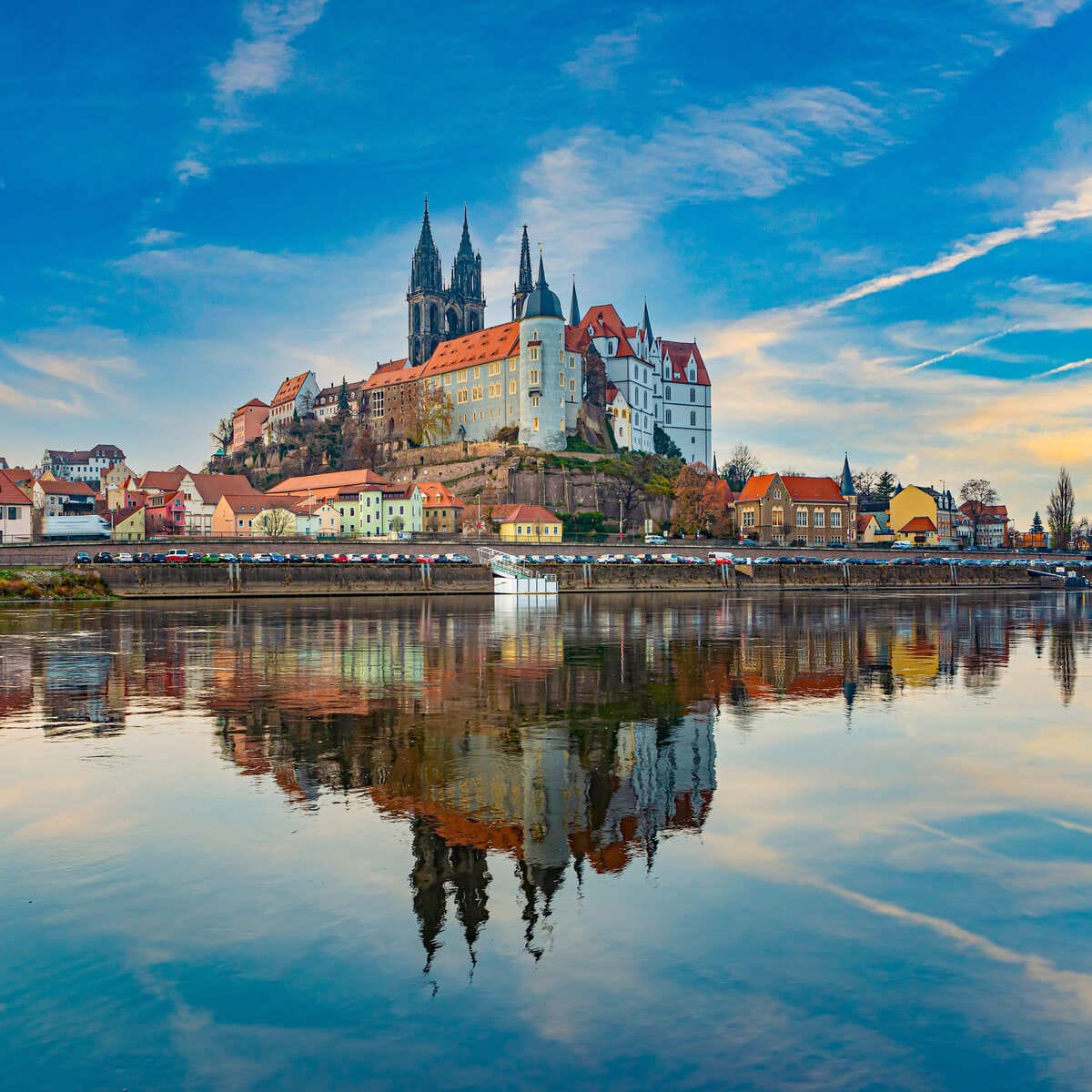
Meissen is the textbook example of a German medieval settlement that was not erased after the two world wars, and it is the river river river river river river river river river river river river Still perfectly preserved-In STRICE contrast with Dresden, only a half -hour drive, that was largely rebuilt.
His maze -like Altstadt, crossed by narrow paths, is dominated by the Albrechtsburg, a 15th-century castle sits on a hill View of the Elbe. With a whitewashed outside and rising towers it looks like a Walt Disney sketch that has been brought to life.
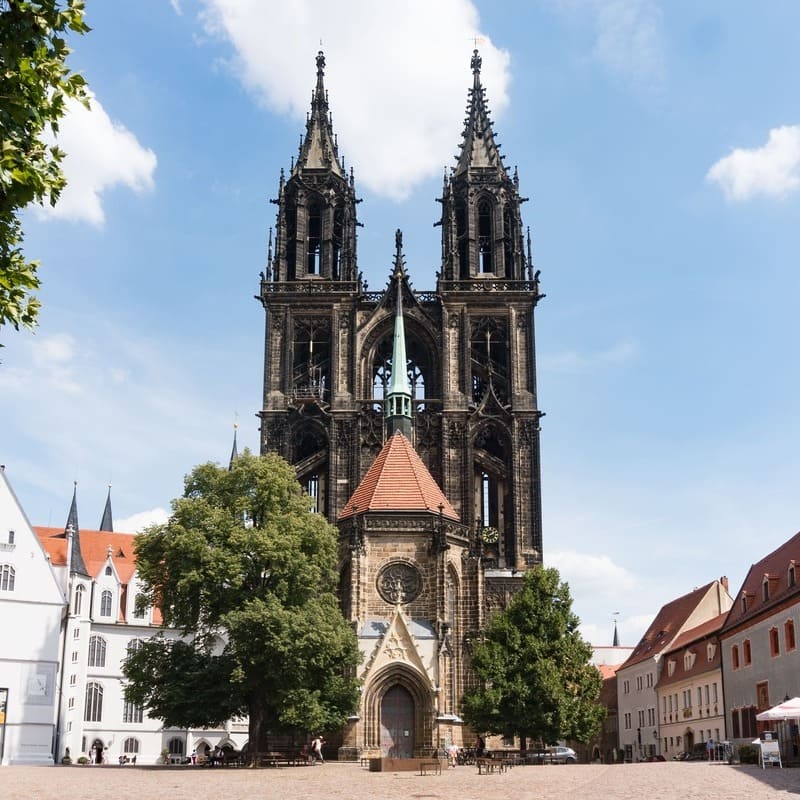
Right next to the castle, which shares the same hilltop, it says Meißner DomMeissen’s imposing Gothic cathedral, whose twin piriers can be seen from afar, and where various Saxon kings and princes are buried.
Unlike his architectural wealth, Meissen is known for his Centuries old porcelain production: de oldest Porcelain factory in Europe was founded here in 1710 and don’t worry, there are numerous boutique shops in the city where you can browse souvenirs inspired by Rococo.
QUEDLINBURG
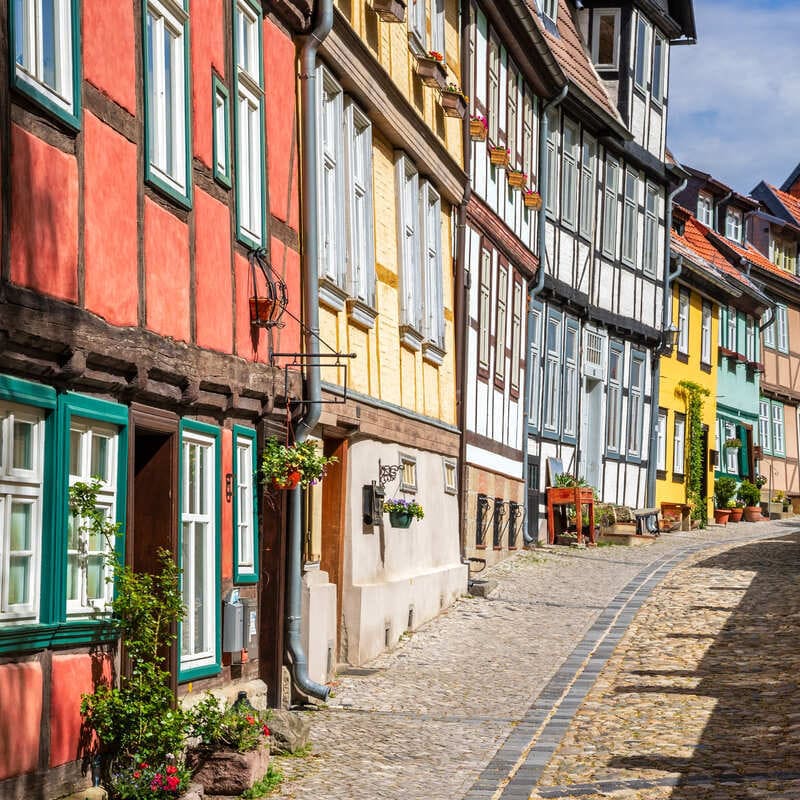
Hidden in the hinterland of Saksen-Anhalt, Qudedlinburg, just like the other two, is a rare example of a sleepy German city that was left untouched by the destruction of the Second World War, and a jewel More than 1,300 homes.
In other words, at every corner you turn, every winding alley, and in every public square you will find beautiful examples of medieval, crooked mansions that seem to seem frozen in time, all painted in lively colors.
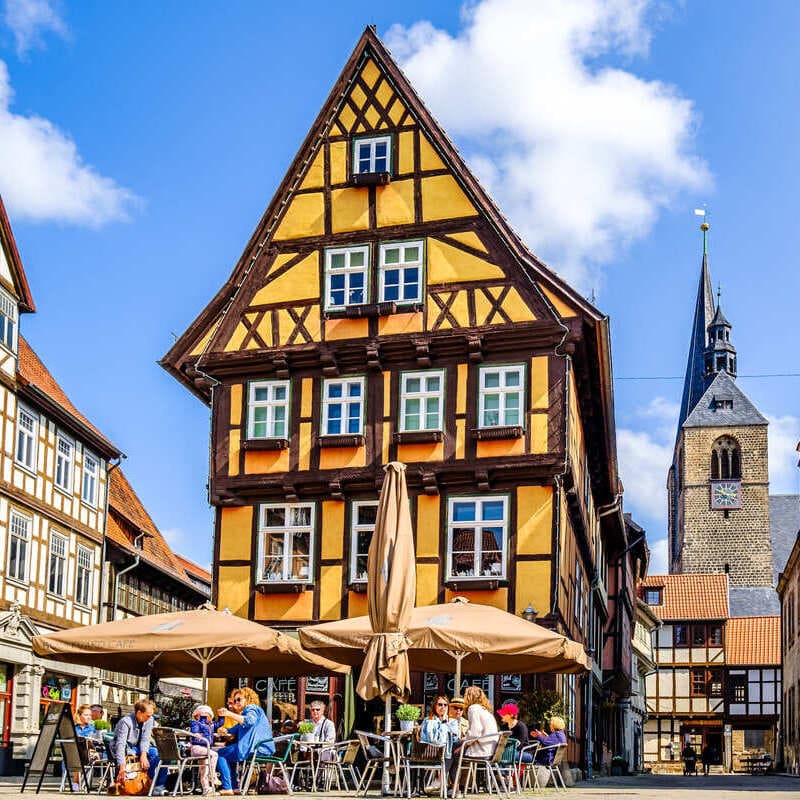
Quedlinburg also has a castle, as usual, and we must add that it is one of the most impressive in Germany, including the 10th-century grave of the infamous German king Henry I, as well as the collegial church of St. Servatius, so old that it precedes the Middle Ages.
For train lovers you would continue to give you the chance for 2 or 3 days Travel on the SelketalbahnA Heritage Steam Railway that connects Quedlinburg with Hasselfelde via the Harz Mountains. Waiting for Epic Mountain view and beautiful walks at your destination, and return rates start from just $ 45.
Freiburg im Breisgau


Over in the west of Germany, on the edge of the black forest, Freiburg im Breisgau is one Photo-Perfect city centered around a labyrinthian old cityConsisting of hidden passages and cafe-oriented squares and sprinkled with medieval monuments.
The most striking is without a doubt the cathedral of Münster or Freiburg. It may have suffered considerable damage during the last world war, but it has now been completely renovated and you can climb its 381-foot high bell tower for a panoramic view of the iconic pointed roofs Below.


Other must-sees are the Schwabentor and the MartinstorTwo gates that survived the destruction of the once impressive city walls of Freiburg. The coolest thing is that a modern tram now goes through the gates and offers great photo spots.
Normally advise you to view your step in a cobbled European city, but in Freiburg, You must get up for the Bächle: These 8 to 12-inch broad channels can be found everywhere in the historic center, which run along the most important passages and hinds, with fresh water from the Dreisam river.
Why would you be careful? Well, according to the local legend, if you accidentally over one BächleYou are destined to marry a Freiburger.
Given how beautiful this city is, it may not necessarily be a bad thing here forever.

Subscribe to our latest messages
Enter your e -mail address to subscribe to the latest Breeknieuws from Path, directly to your inbox.