


Share the article
We at Travel Off Path have reported on dozens of new European hotspots – some more recognizable than others.
While most agree that places like Paris are never bad According to the idea, namesless cities are popping up on travelers’ radars left and right, like the beautiful Latvian capital Riga, for example.
Then there are others that seem far away, but are much easier to reach than expected – and those destinations are the best place in Europe right now. including the incomparable alien island of Europe.
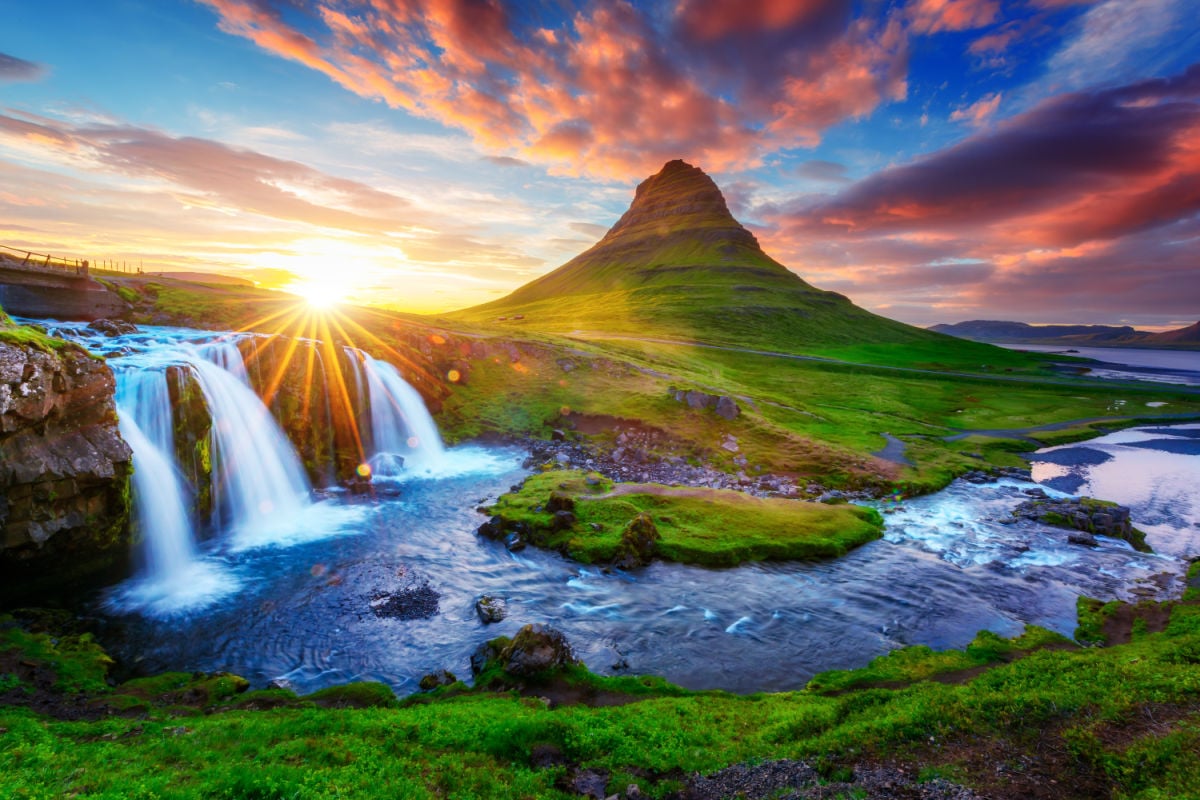
That’s right: it’s not Barcelona, Athens or the aforementioned Paris that are seeing the biggest increase in visitor numbers.
More travelers are skipping global icons for what they see on TikTok, and this Lord of the Rings-esque stunner it happens to be my favorite country of all 44 that I have traversed.
In fact, it’s one of the few countries where I’ve gotten multiple passport stamps (except Mexico, of course).
Seeing one 29% spike in passenger traffic according to the United Nations factsdespite being as quirky as it is beautiful, Iceland is the fastest growing tourist destination in Europe.
Is Iceland still worth the hype?
If I’m 100% honest, I flirt with going back to Iceland every year.
My hesitation is that it has become a full-fledged holiday destination, so I’m afraid I won’t have the same experiences as years before.
My first visit took place just before this wonderful island literally exploded not only with a cataclysmic volcano, but also with an influx of tourists from all over the world, so I think I got there just in time.
Yes, it was still expensive before the pandemic. That’s just something travelers just have to swallow as the days of scoring a decent hotel double digits seem to have come and gone.
Let’s be honest – Iceland is no longer a hidden gem. That doesn’t mean it’s Athens either.
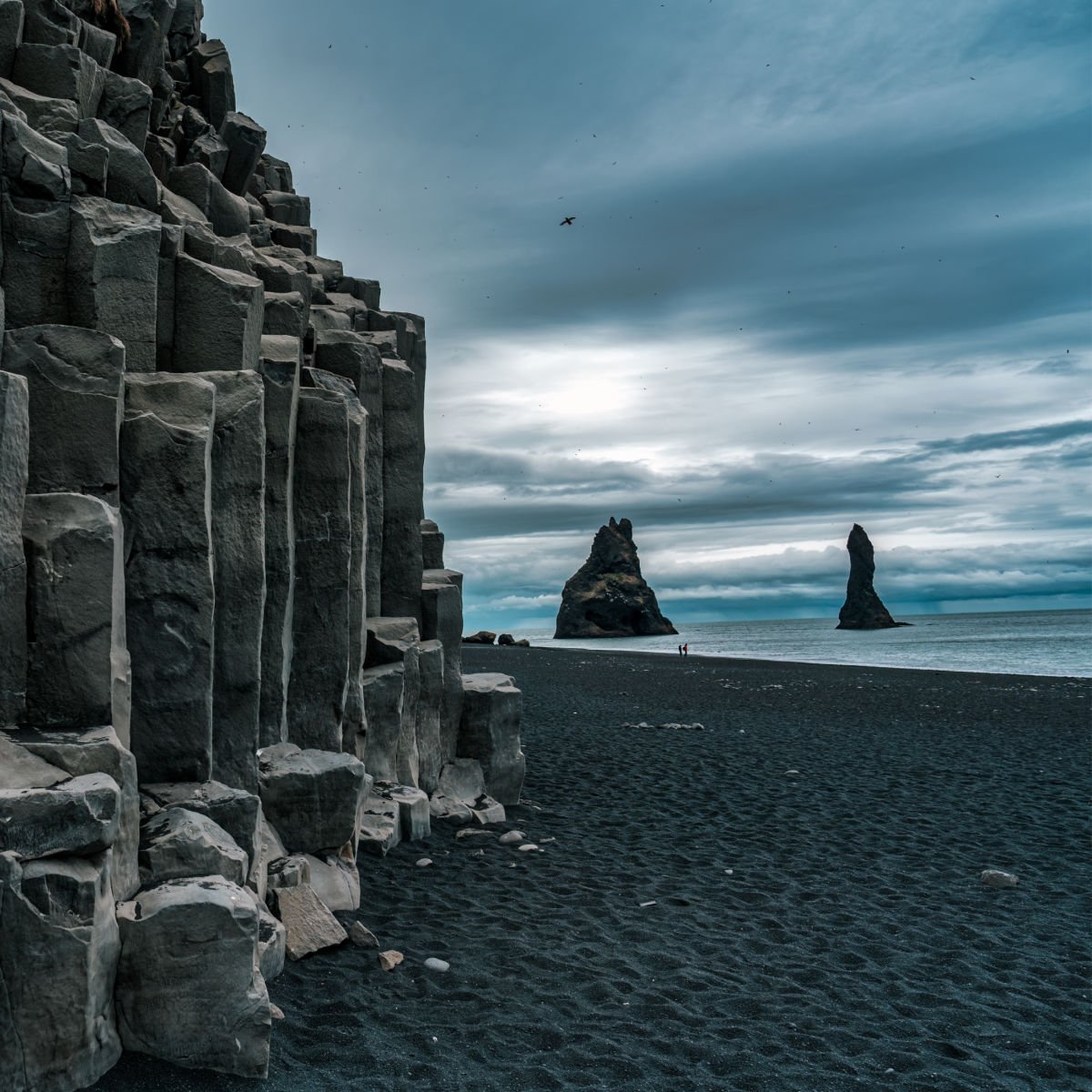
But with more Icelandair connections (and two failed budget airlines that served as a loophole for many Americans), the days of visiting dazzling waterfalls and black-sand beaches with virtually no crowds also seem like a distant experience.
There are few ways to get around Iceland’s high prices unless you follow a strict Icelandic hot dog diet and sacrifice modern conveniences for a bunk bed in a hostel.
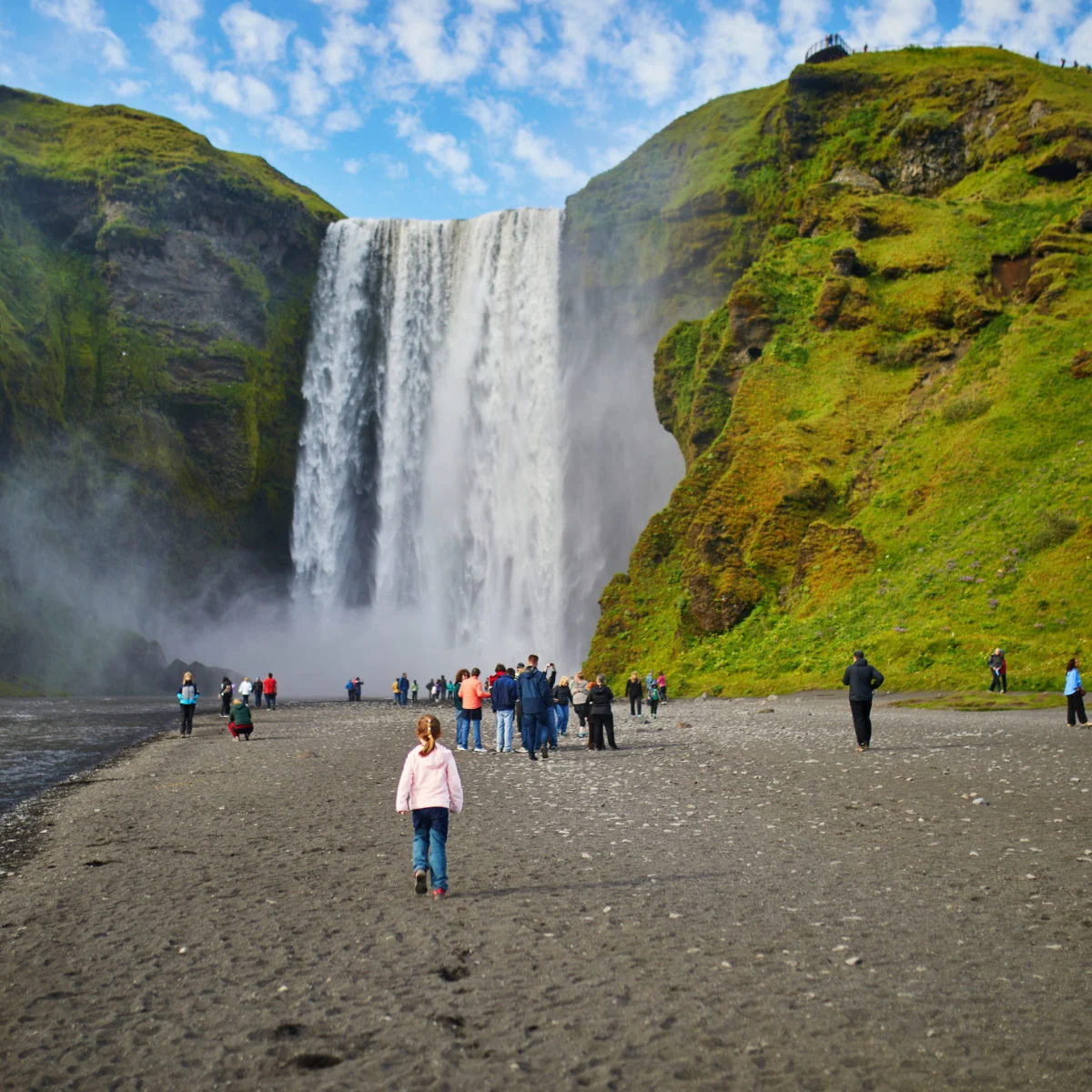
That said, Iceland is as beautiful as it has ever been. The difference is that so many more people know about it, so there’s basically no chance of taking a Blue Lagoon photo without accidental photo bombers.
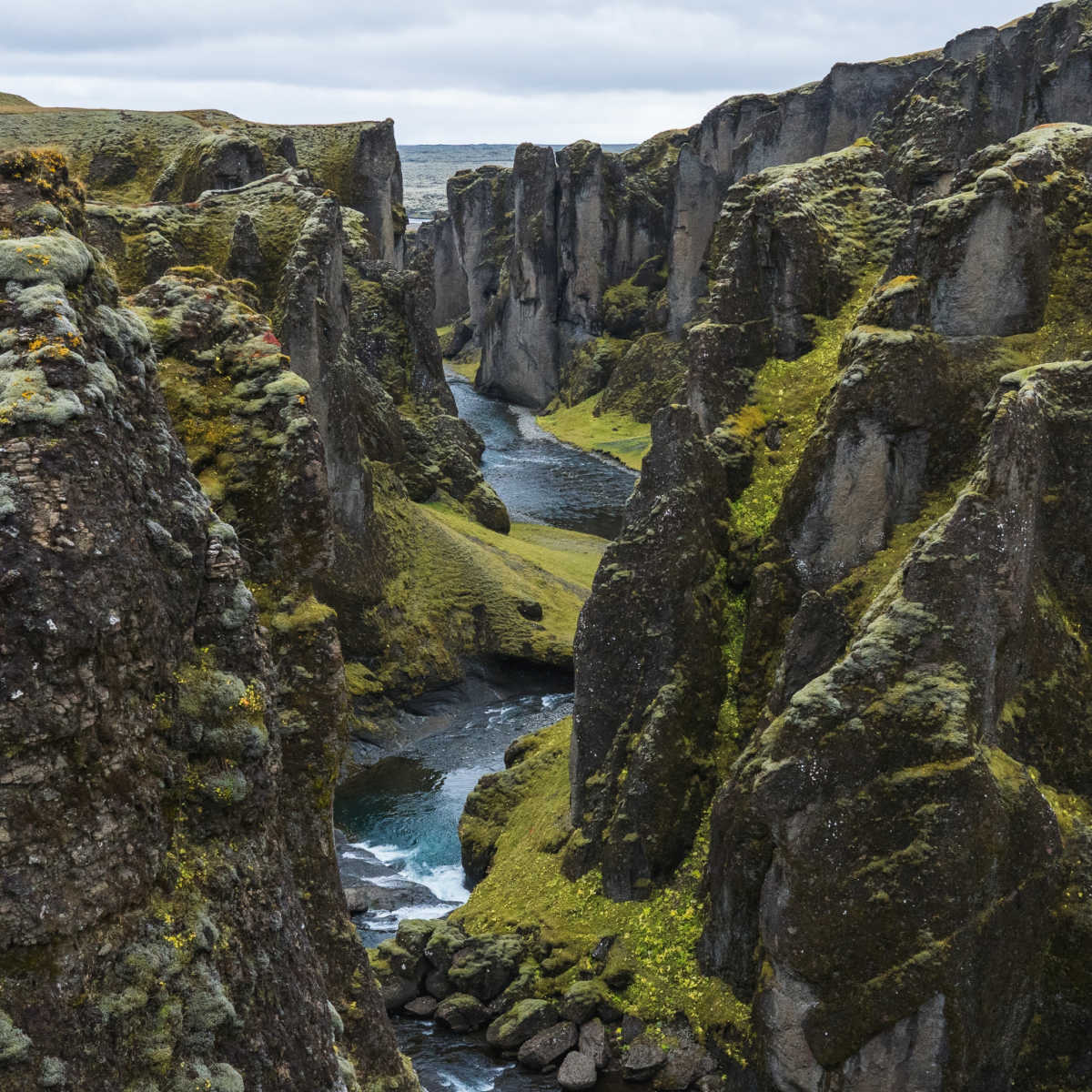
Furthermore, Iceland has run numerous tourism campaigns that highlight its otherworldly landscapes and quirky culture, such as the strange fascination with elves (and not just in December).
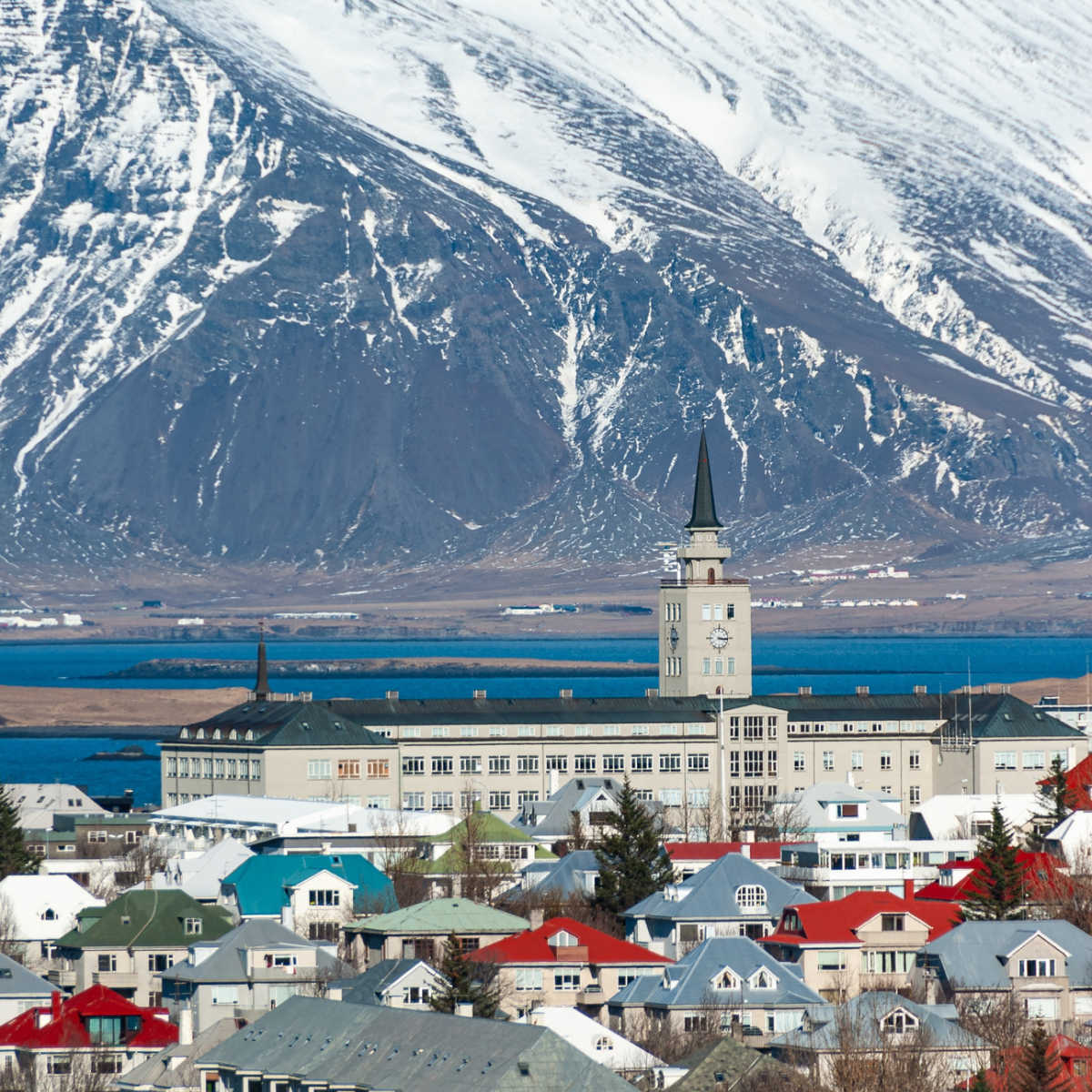
But the good news is that even though places like the Blue Lagoon are both pricey and crowded, the usual route has shifted to exploring the lesser-known Icelandic areas rather than exploring the charming capital Reykjavik and its immediate suburbs.
Sustainability with this level of growth is also always a question, but someone above our pay grade has to figure that out.
Tourists are branching out: the ‘ring road’ is no longer a circle


Okay, the popular Ring Road does indeed still exist, but it has become clear that visitors are doing more than sticking to the script.
While the Blue Lagoon will always be a major draw given its household fame, natural lagoons without sightseeing changing rooms are breaking attendance records in their own right.
To take Jökulsárlón LagoonFor example. This virtually unknown natural wonder with astonishing glaciers and scenic coastline kept park rangers busy last summer with a record number of more than 100,000 visitors in July alone.
But perhaps the trendiest destination is the island’s second largest city, Akureyri.


With a colorful cityscape reminiscent of the more notable Reykjavik, you can spend a few extra dollars here and enjoy attractions with fewer crowds.
This northern city along the Ring Road also feels more authentic (because there is no Hard Rock).
Plus, there may be even better spas that rival the famous Blue Lagoon – and cheaper too.
But no promises about the changing rooms. Europe sometimes goes to Europe…
Iceland is consistently the safest country in the world
Year after year, Iceland is constantly remembered the world’s safest country – and this goes back to when I first visited about ten years ago.
ANALYZE LIVE SIGNALS…
CONNECTING TO DATABASE…
✅ VOICE RECORDED
⚠️ YOU HAVE ALREADY VOTED
NO INCIDENT REPORTS (SHOWING BASELINE)
The legend about Iceland’s safety may be alarming to Americans because we simply have nothing to do with it, but parents really do leave babies in strollers outside cafes (not in the blistering cold, of course).
You can walk freely in any city or town at any hour of the day and not have to keep your head spinning.
The only real dangers are winter road conditions, possibly erupting volcanoes and the occasional bar patron who has one too many – and yes, Reykjavik especially knows how to party.
Let’s just say I had such a good time in the capital that my dog Reyka named me after the island’s signature vodka…
According to the US State Department, Iceland is clearly classified as ‘Level 1: Use normal precautions’, the lowest possible category.

Of course, travelers should always be aware of their surroundings. In terms of sample size, Copenhagen is also largely considered safe, but on my recent trip it actually felt sketchier than Marseille, a notoriously tense French city.

Subscribe to our latest posts
Enter your email address to subscribe to the latest Travel Off Path breaking travel news, delivered straight to your inbox.


