


Share the article
When you think of Spain, you probably think of Barcelona’s towering Sagrada Família, or perhaps Madrid’s bustling Gran Vía, or turquoise-blue Mallorca. calas That comes to mind, but we’ve all seen what happens in those tourist hotspots when the locals get fed up with the Americans.
From the usual ‘Go Home’ graffiti to water gun antics, loose guiris its fair game.
🔫
⚡
🤝
Where is the ‘safe haven’?
Tip: they are active begging for American tourists.
Tap for directions
THE LITTLE ONE
- 🌋 300+ volcanoes (but not Hawaii)
- 🍷Pickled wine black ash pits
- 🚫 Zero “water gun” protests
👇 SCROLL FOR ANSWER
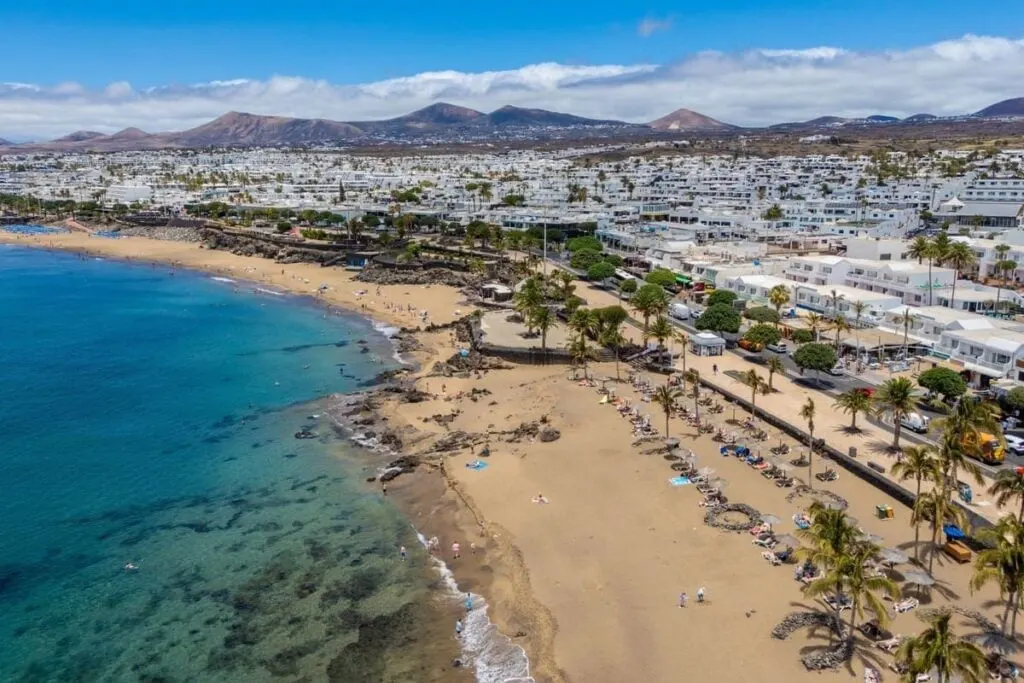
Spain is going head to head with France for the title of the world’s most visited country, and while we don’t condone the hostile anti-tourism approach, we can understand how Spaniards would be pushed to the limit if their cities have now become barely liveable.
That’s because most visitors who land in the Iberian country always go to the same 3 or 4 destinations, completely ignoring everything else Spain has to offer:
One of those unsung destinations that is not only tranquil, but also active begging that the Americans would come, is the Canary Island Lanzarote:
One of the last truly unspoilt islands in Spain
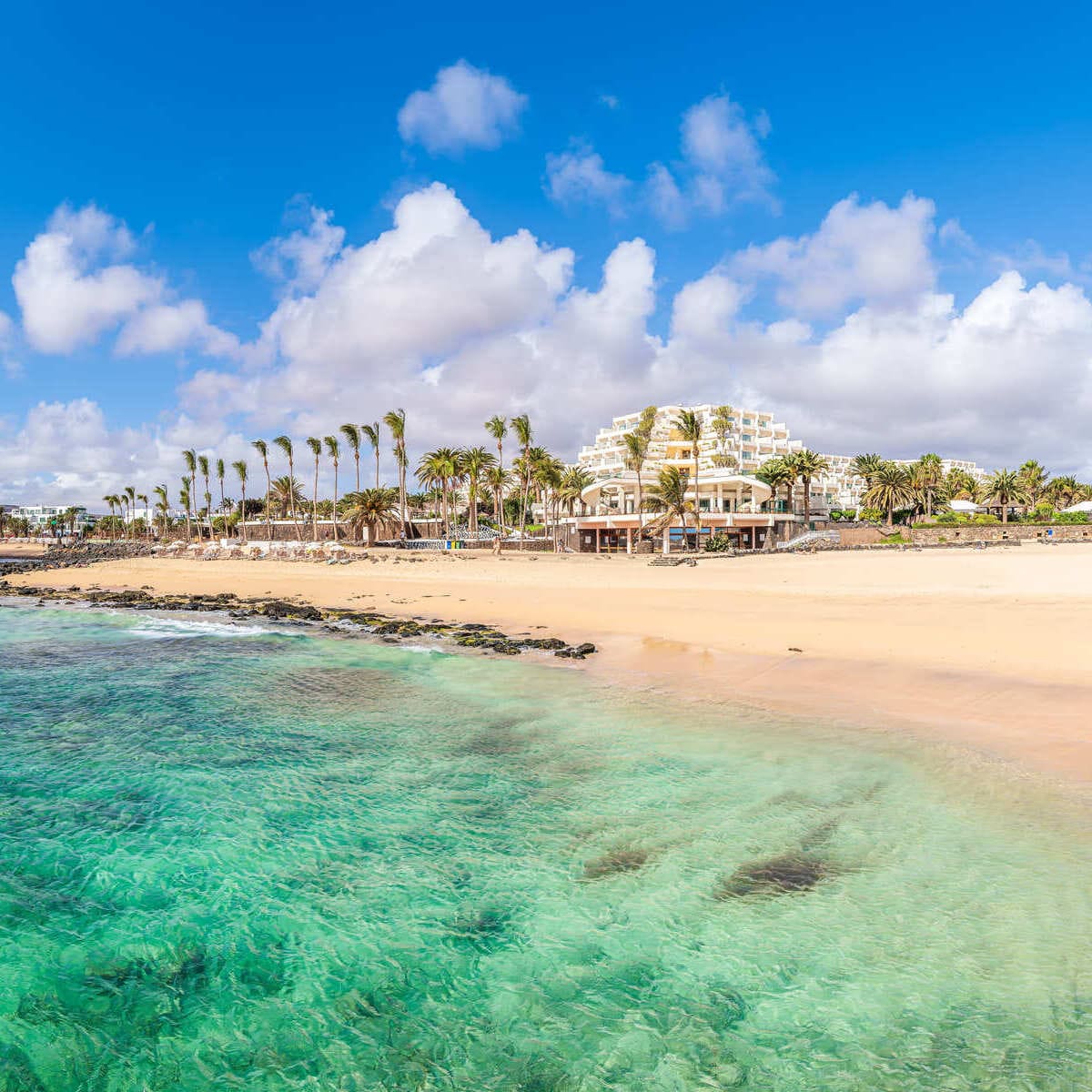
The Canary Islands are a Spanish archipelago off the coast of West Africa, known for their volcanic nature, warmer temperatures all year round and a distinct culture. After all, it is closer to the Lower Continent than Europe.
We’re sure you’ve heard of Gran Canaria, or maybe Tenerife: they’re the two main hubs of the Canary Islands, and they’re not immune to overtourism either. Islanders have even staged massive anti-gentrification protests at least two summers in a row in an effort to discourage more tourists.
What most people don’t realize is that about 123 nautical miles from Gran Canaria lies a lesser-known Canarian treasure that not yet ruined by the masses.

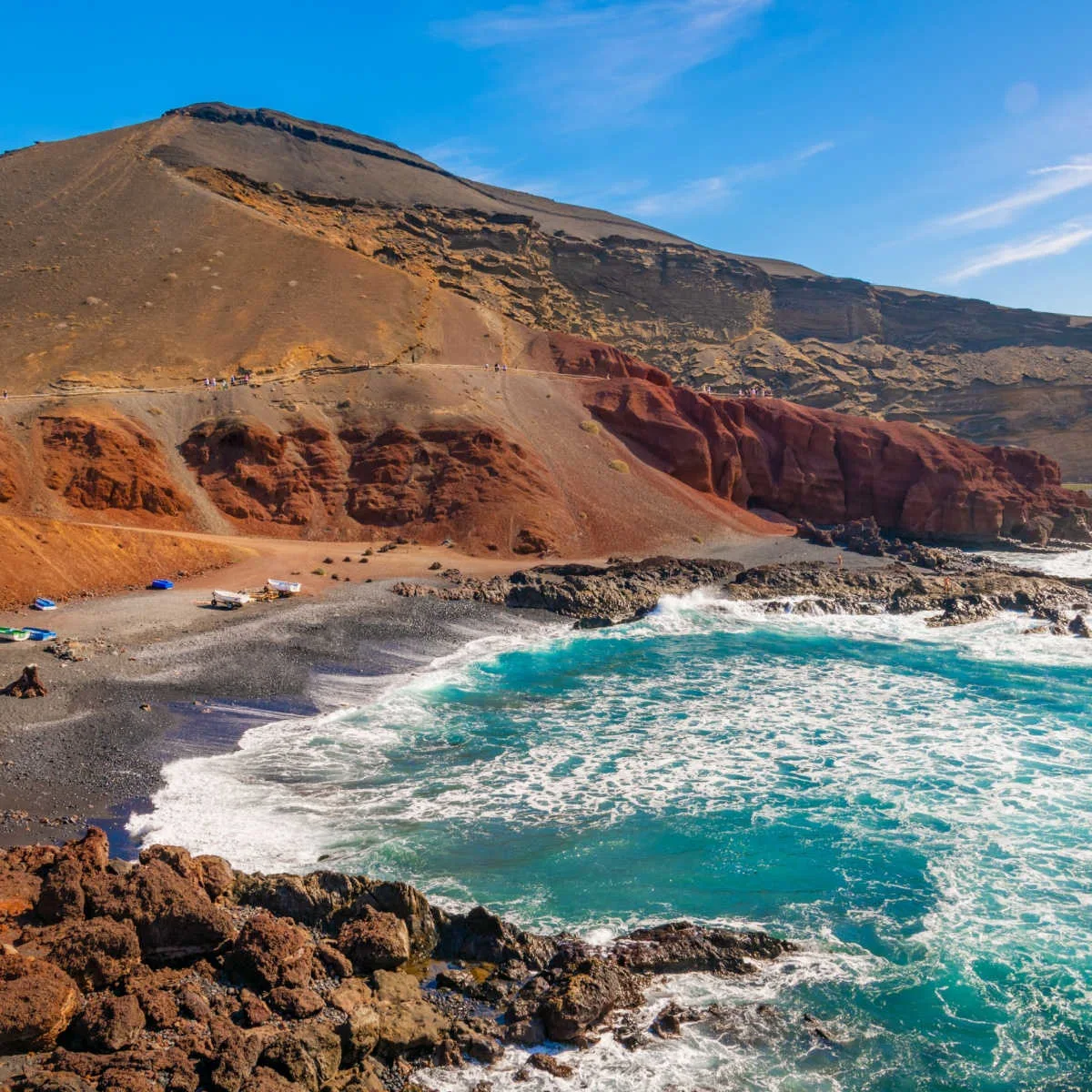
About 1/5 the size of Rhode Island, the smallest US state, Lanzarote may be small, but as usual in this sun-drenched archipelago, it’s packed with beaches, coastal towns where time seems to slow down, and natural wonders.
Lanzarote calls on Americans to visit in 2026
Recently, Lanzarote officials took part in the USTOA Annual Conference & Marketplace, a gathering of tourism and hospitality leaders with the sole purpose of promoting the unusual island to the US market.
All this industry talk is boring as hell, we know, but read between the lines: if they didn’t want that more American travelers coming, why would they bother attending at all?


If A recent study by MMGY Global and Turespaña found: as many as 7 in 10 Americans plan to visit Spain in the next 3 year. While the majority of them will flock to Barcelona or the Costa Del Sol – big yawn – there is plenty of room for Lanzarote to grow on the other hand.
However, if you come to Lanzarote, you should know that this is not your typical Spanish island holiday. In short, you won’t find the all-week nightlife of Playa de las Americas, nor the resort-dominated beaches of Mallorca.
Not the Spain you know


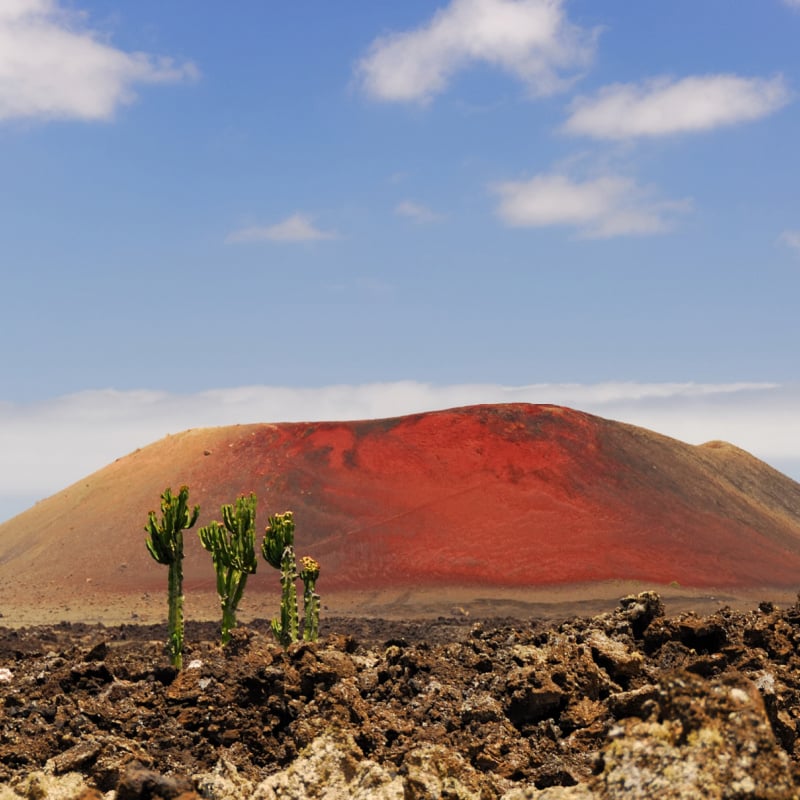
It’s best known for its volcanic landscapes and rugged nature: think jagged mountain peaks surrounded by Mars-like craters, lava-shaped pools fed by a turbulent Atlantic Ocean, and sheltered beaches backed not by palm trees and green jungles, but by imposing coastal cliffs.
The tour de force here is Timanfaya, a national park full of alien things landscapes and home to the Fire Mountains, a series of active lava fields. If you can’t resist an unusual dining experience, be sure to reserve a table at El Diablo, the restaurant in the heart of the park.

Whether it concerns the papas arrugadas (wrinkled Canarian potatoes), their chorizo with fried peppers, or the chicken croquettes, all main courses are cooked over the natural geothermal heat that rises from the nearby rocks. How insanely cool??
Volcano grilled dishes are also not as expensive as you might think: expect to pay around €16-€22 for half a chicken.
Beautiful quiet beaches
Apart from the picturesque volcanic hinterland, Lanzarote boasts around 210 kilometers of coastline, much of it undiscovered by Spain’s usual hordes.


From golden to volcanic black to pebble beaches: the calm coves surrounded by an azure Atlantic Ocean reveal the busy beaches of South Mallorca calas they are for the tourist. In case you’re wondering, some of our favorite swimming spots are:
- Playa Papagayo: known for its golden sands and calm waters – actually not that different from the beaches of Gran Canaria
- Playa Dorada: equally sandy beach, one of the busiest but also best equipped on the island, supported by relaxed beach bars and eateries
- Playa de Famara: quieter, wilder and best known for surfing and water sports. We don’t recommend coming here unless you know your way around an unpredictable sea
- Quemada: one of Lanzarote’s many darker sandy beaches, created by volcanic activity – it’s also right next to the quaint fishing village of Quemada (Casa Tino probably has the best seafood paella you’ll try in your life)
- Playa del Risco: a virtually deserted stretch of sand with crystal clear water and a truly remote island feel

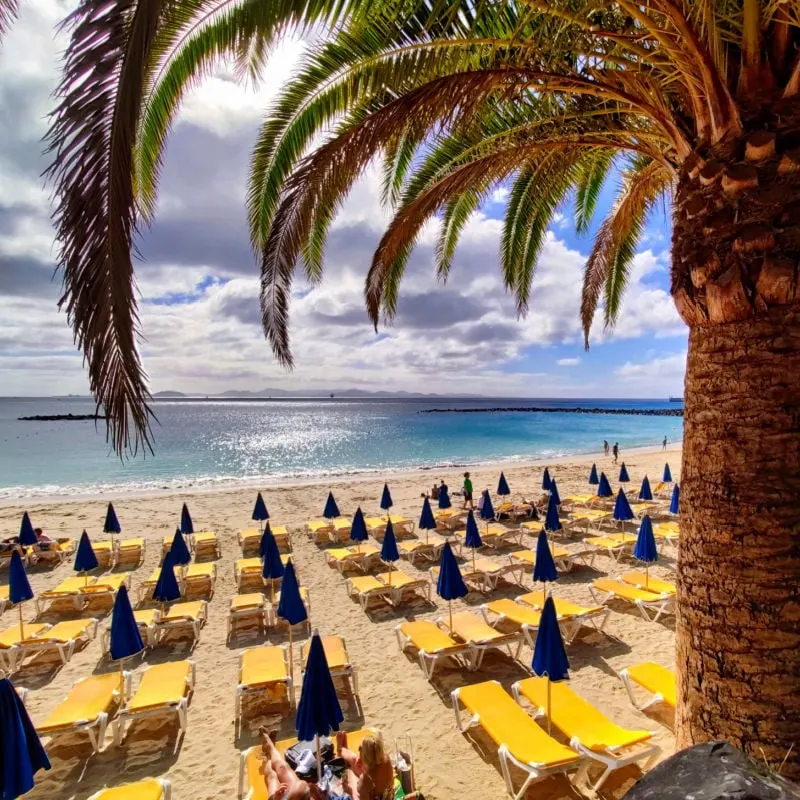
Right now it’s a surprisingly pleasant 68–72°F in Lanzarote. As we pointed out earlier, the island is necessarily closer to Africa than to Europe, and when the Saharan heat waves hit, even in mid-winter, there is no mild Atlantic climate to withstand them.
It will continue to warm as we move into spring (72-77°F), with even higher temperatures expected in summer/fall (79-84°F). Needless to say, you will almost never register the passing of the seasons in a permanently summer period Lanzarote.
One small problem: this is the case Not The Mediterranean Sea
Now the temperature of the water in itself can be a problem for some.


You see, personally, I’m a Southern European kid through and through, and I can’t deal with sea temperatures lower than 27°C. That’s the main reason why I usually avoid Portuguese beaches, because they overlook the icy North Atlantic Ocean.
Lanzarote is no exception: whatever the season, tThe warmest the water gets averages 67°F (72°F if you’re particularly lucky), so don’t jump in thinking it’s a Caribbean hug waiting for you, or you might be in for a chilly surprise.
That said, it has been noted that the water in Playa Papagayo is slightly warmer than Lanzarote’s more exposed northern and western beaches.
Where to stay in Lanzarote
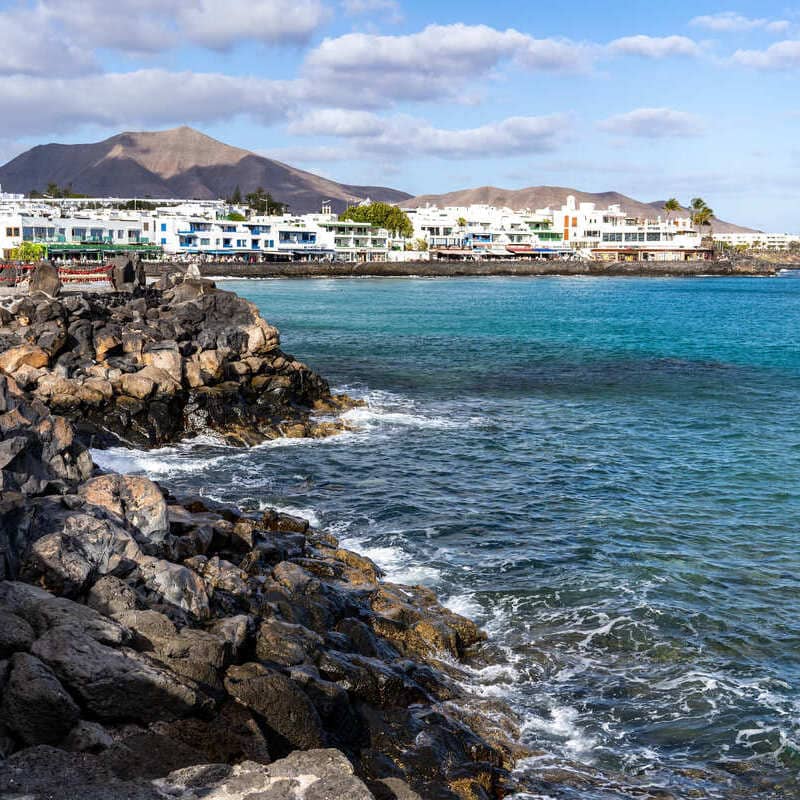
The best place to stay while exploring Lanzarote is its small but vibrant capital. Arrecife. It has a unique blend of history, culture and oceanfront allure that is rarely found in the overly commercialized beach towns.
Castillo de San Gabriel is a small fortress on a small island connected to the mainland of Lanzarote by a bridge. In the accompanying Castillo de San José you will find impressive interiors designed by none other than Lanzarote’s own César Manrique.
He is the man behind the architectural character of the island. You know, the low-rise buildings, white buildings etched on small coastal cliffs. Anyway, we digress.

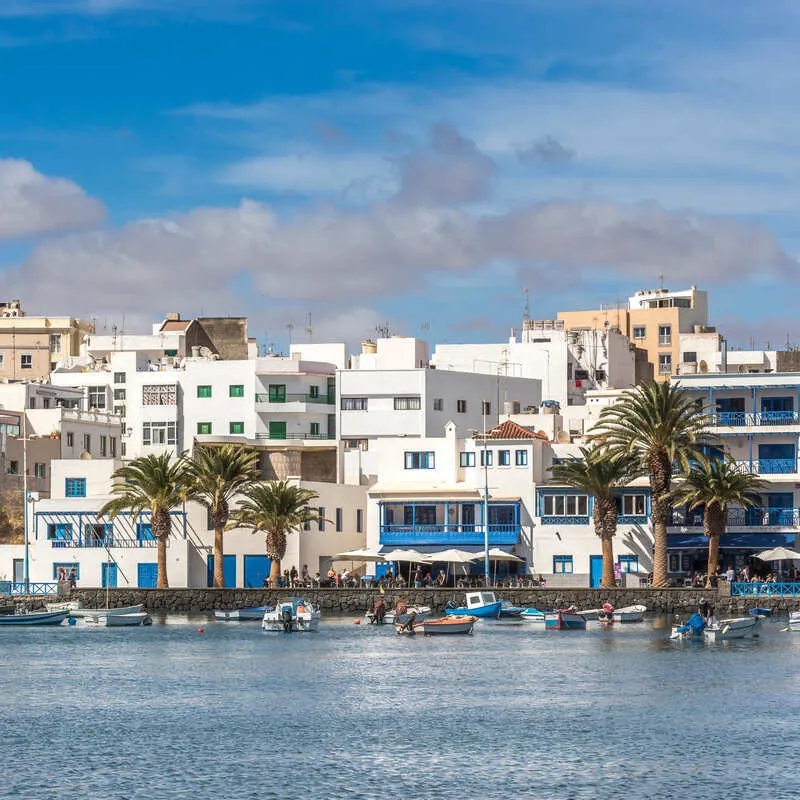
It’s probably a good time to mention Lanzarote considerable more affordable than regular destinations in Spain: this spring you can find cheap stays in Arrecife (and satellite villages) from just $43 per night (per adult), while meals in cheap restaurants range from $10.64 to $23.63.
In short, Lanzarote is perfect for travelers looking for relaxation and escape the drunken boys of Tenerife / Gran Canaria, nature lovers, who could spend hours exploring remote landscapes and pristine beaches, and those who are primarily looking for relaxation.


End-to-end driving takes about an hour, so on a long weekend there’s plenty of time to visit the main sights, visit an ashpit vineyard or two (wine and chocolate tastings at La Geria start from just $28) and enjoy the underrated food scene.
How to get to Lanzarote?
You can reach Lanzarote by ferry from Gran Canaria, by flying from the larger Canary Islands, or by flying directly to Lanzarote Airport (ACE).
The local airport, although small, is well served all year round by numerous low-cost European airlines, from hubs such as London-Luton (LTN), Milan-Malpensa (MXP) and even Amsterdam-Schiphol (AMS), with tickets sometimes starting from $90:


Subscribe to our latest posts
Enter your email address to subscribe to the latest Travel Off Path breaking travel news, delivered straight to your inbox.


