

Share the article
Who said you have to do a 10-hour red-eye session to soak up Old World European charm?
When you think of Mexico, chances are the dreamy white sands and turquoise waters of Cancun come to mind, or perhaps the colorful, chaotic neighborhoods of Mexico City. But peel back a few layers and yes… you can expect a surprise with what you find.
See, before Mexico became what it is today, it was colonized by the Spanish, who built towns, churches and large plazas throughout the country, some of which are still standing today. How we like to see it, a lasting memory of that time.
However, if you’re looking for that old-fashioned atmosphere, it’s there a beautiful city that really steals the showand now, it’s a serious moment:
San Miguel de Allende is all the rage at the moment
San Miguel de Allende, sometimes called the epicenter of romantic tourism in Latin America, is said to have recently played host more than 2 million visitors in 2025, an all-time high for what is otherwise a secondary, mid-sized hub in central Mexico.
With numbers continuing to rise this year and a growing number of travelers coming to Mexico, including Americans eager for a deeper cultural immersion as opposed to the usual idle, lounging by the pool all day, it’s safe to say San Miguel is ready for its big break.
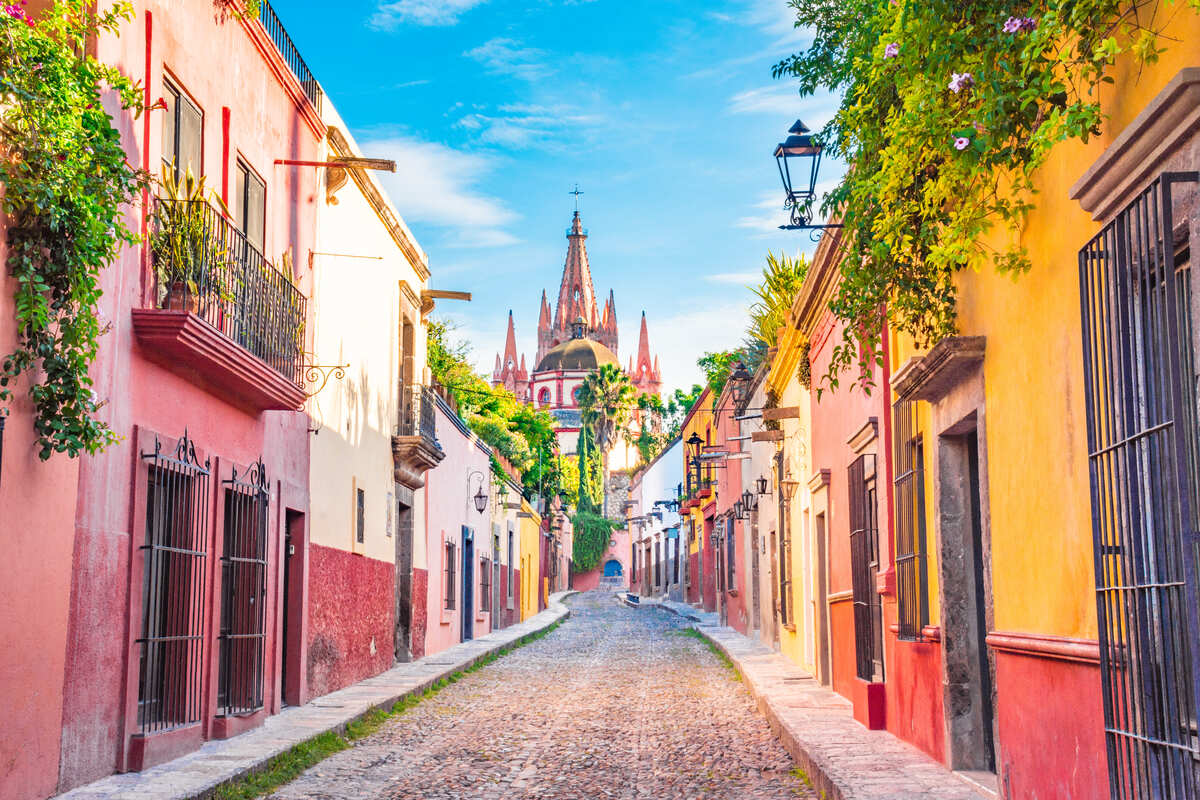
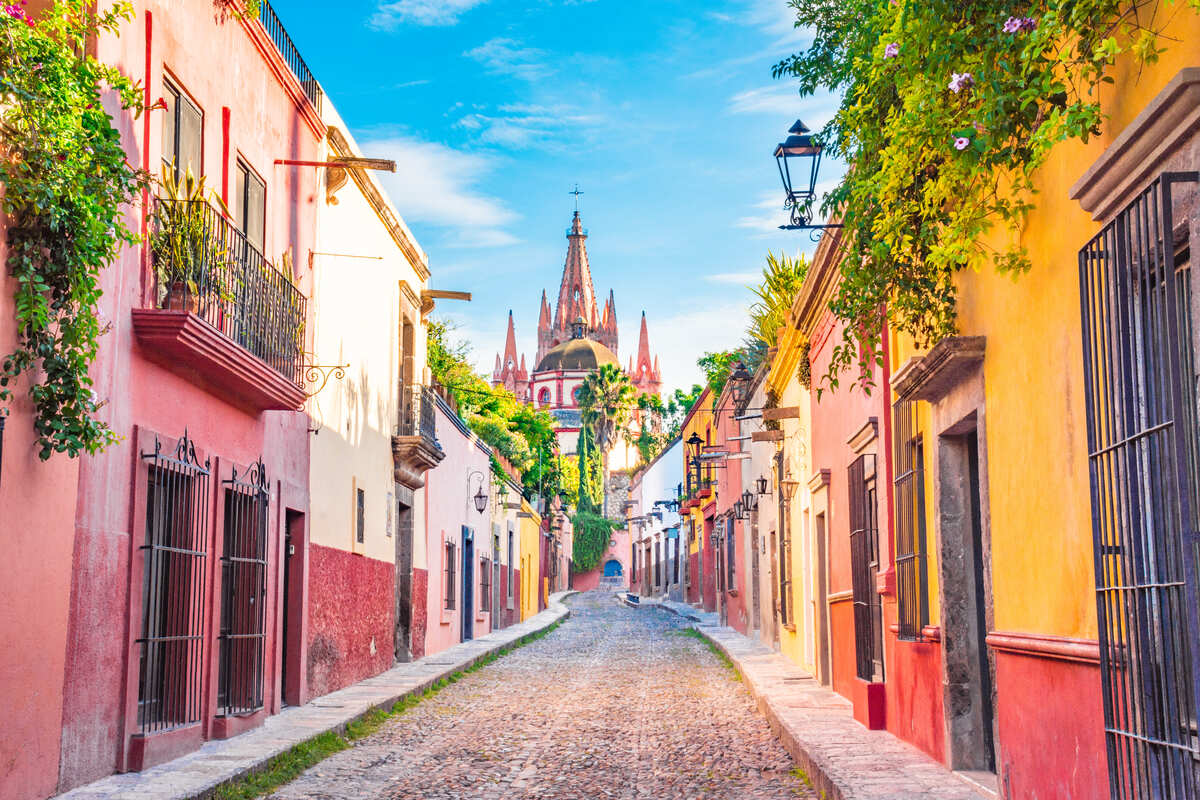
For starters, if you are looking for the feeling of a film setWith colonial-era streets that have barely stood the test of time, traditional markets that don’t just sell expensive trinkets to the big spenders, and that real, authentic feel of Mexico’s interior, this is the place to go.


The entire city is filled with colorful buildings, criss-crossed by cobbled streets, and, unlike the average Mexican urban sprawl, there are no modern high-rises to break the spell. Just like Europe, only it is a much shorter flight of 3 to 4 hours.
Colonial wonders abound
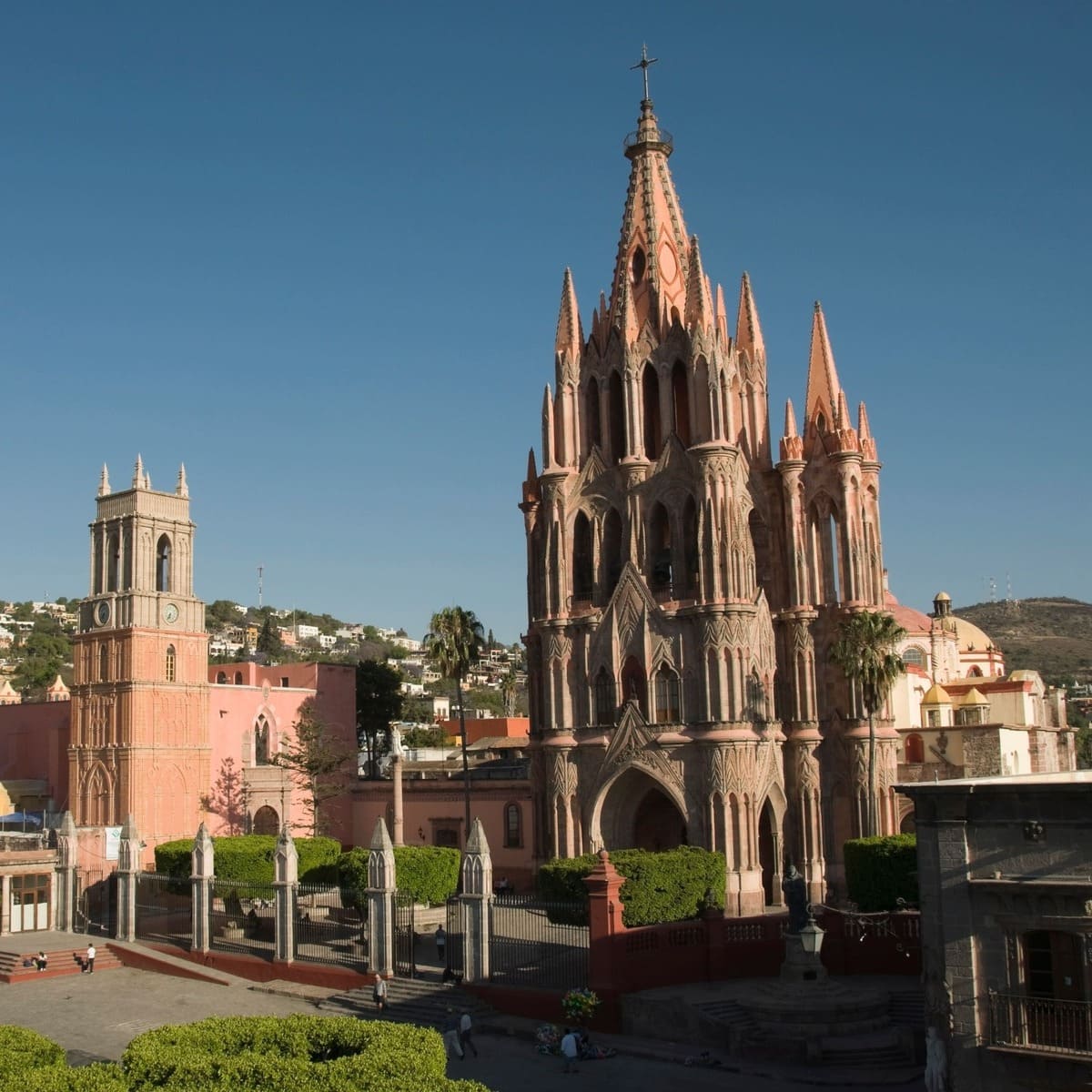
The crown jewel of the UNESCO-protected historic center is a soaring pink gothic church you’ve probably seen it going around TikTok before.
Parroquia de San Miguel Arcángel is dedicated to the city’s patron saint and dominates the 17th-century skyline. Nearby El Jardín is both a lush urban garden and the city’s main square: here you’ll find the usual buskers, street food stalls and abuelos people watch from wrought iron benches.

Although not as popular on social media as the main church, Temple of San Francisco has a beautiful baroque portaland an insanely rich interior with saints in every direction, stucco work that only the angels themselves could have carved, and basically gold everywhere.
The comparisons with Europe are not limited to a shared heritage with Spain, or the quintessentially European architecture: not being exactly gang territory, nor a hotspot for gang warfare, San Miguel is quite chill and laid-back, especially when set against larger Mexican cities.
Either way, make sure you check the latest official travel advisories and embassy warnings before your trip.
If you’re wondering what the situation on the ground is right now, the Traveler Safety Index, based on real-time reports from travelers, is your best guide.
Explore San Miguel beyond the tourist hotspots


The best way to enjoy San Miguel’s historic charm is to simply wander around photogenic streets.
The best hidden courtyards and family-run eateries are often not indicated in your hotel’s city guide El Manantiala cantina where you can go for simple drinks, maybe live music, and that worn-out, uncurated, just real atmosphere.
An old textile factory turned gallery, Fabric La Aurora is another charming local spot, with quirky boutiques and art studios. Even if you’re not particularly artsy, it’s incredibly cool to walk through.
If you like handmade items and souvenirs that don’t feel super touristy, Mercado de Artesanias is that quiet, colorful market for browsing textiles, pottery, leather goods and handicrafts. You can even haggle a bit if you dare.
How to reach San Miguel this summer


San Miguel de Allende doesn’t have its own international airport, at least not yet, and as inconvenient as it may be, we’d say that’s part of the reason why it has been able to retain its timeless appeal.
Luckily for us American travelers, it can still be reached with minimal effort if you’re coming from the United States.
Being here 3 international airports you can fly to if you go to San Miguel de Allende this season:
Querétaro Intercontinental Airport (QRO)
- Distance: 45 miles
- Driving time: about an hour
This is usually the closest and most convenient option


Bajio International Airport (BJX)
- Distance: 70 miles
- Driving time: 1h30
This often has more flight options, especially international connections
Mexico City International Airport (MEX)
- Distance: 170 miles
- Driving time: about 4 hours (it may be longer with traffic)
Not exactly nearby, but a last option if you can’t drive through Querétaro or León.


