

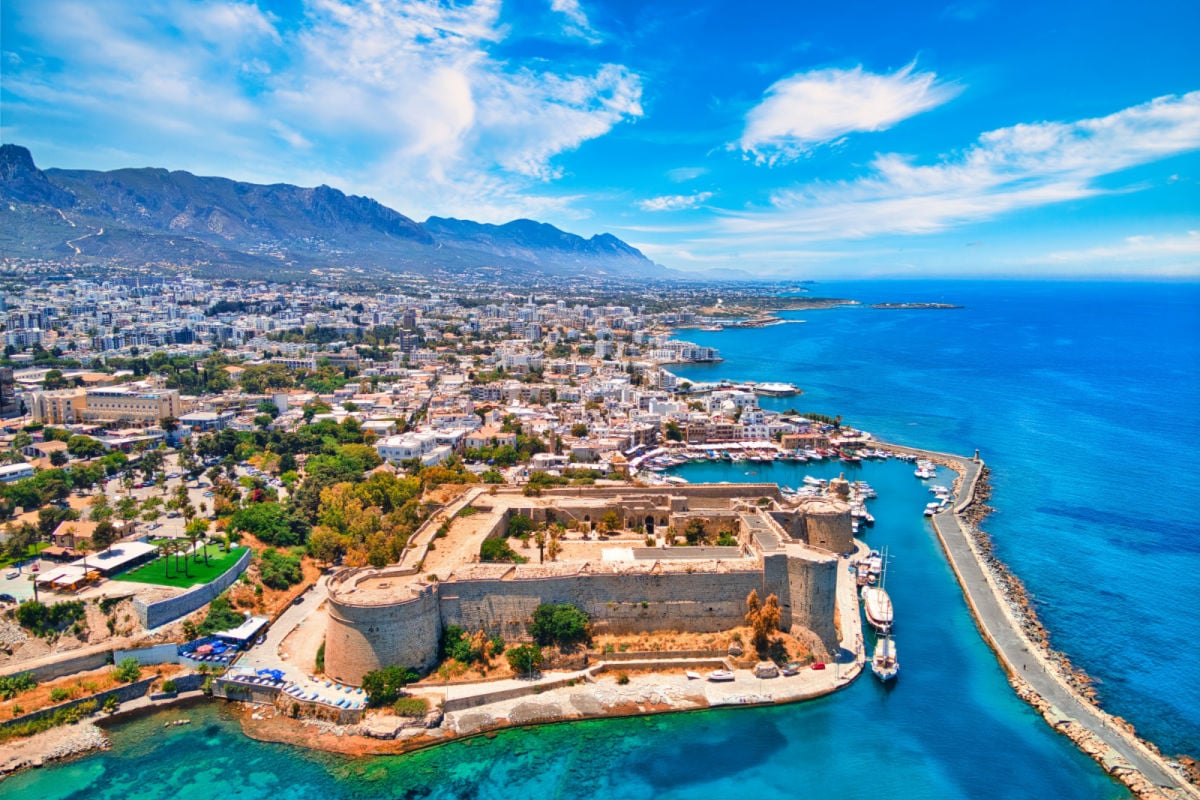
Share the article
Honestly, why do all these millions of tourists even bother spending their hard-earned holiday money in places like Spain or Italy, where they are effectively pushed out of resorts, or, in high season, actively cast aside for a sun lounger, when they could be going somewhere where they will actually be welcomed with open arms?
Before you book your return flights to Barcelona for the season, again, there is actually a beautiful island country begging for you to go.
Think a mix of Greece and Turkeybut with a slightly rougher edge, more room to breathe and a surprising amount of variety packed into one island.
Welcome to Cyprusthe easternmost island in the Mediterranean Sea:
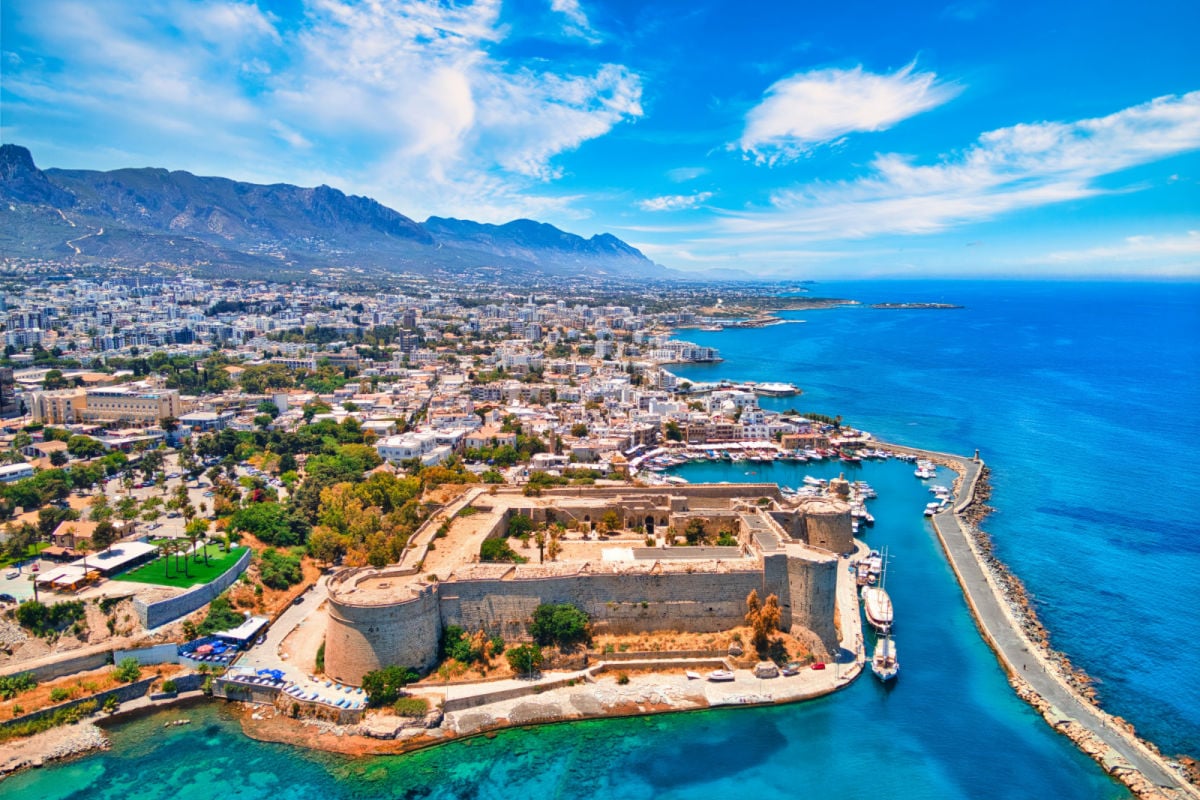
Cyprus in summary
Unless you’re a committed Europhile, chances are you haven’t heard much about Cyprus, so here’s the briefest introduction possible.
First of all, it’s an island just under half the size of New Jersey, which we love because no one wants long drives on vacation.
The island is split into two parts.
The widely recognized Republic of Cyprus is a full member of the European Union, uses the euro and has Greek as its primary language. Consider it historically linked to Greece, deeply shaped by ancient Hellenic culture, but disintegrated over time by Ottoman influence and later British colonial rule.
However, the northern third of the island is administered by the breakaway Turkish Republic of Northern Cyprus. As a result of the 1974 conflict and subsequent divisions, it is only recognized by Turkey but operates with its own institutions, elected government and an economy based on the Turkish lira.
In the south you get beautiful beaches with white sand and turquoise sea who feel like the closest Europe has to a Caribbean postcard, fascinating Greco-Roman ruins and sleepy mountain villages where time has effectively stood still since perhaps the Middle Ages.
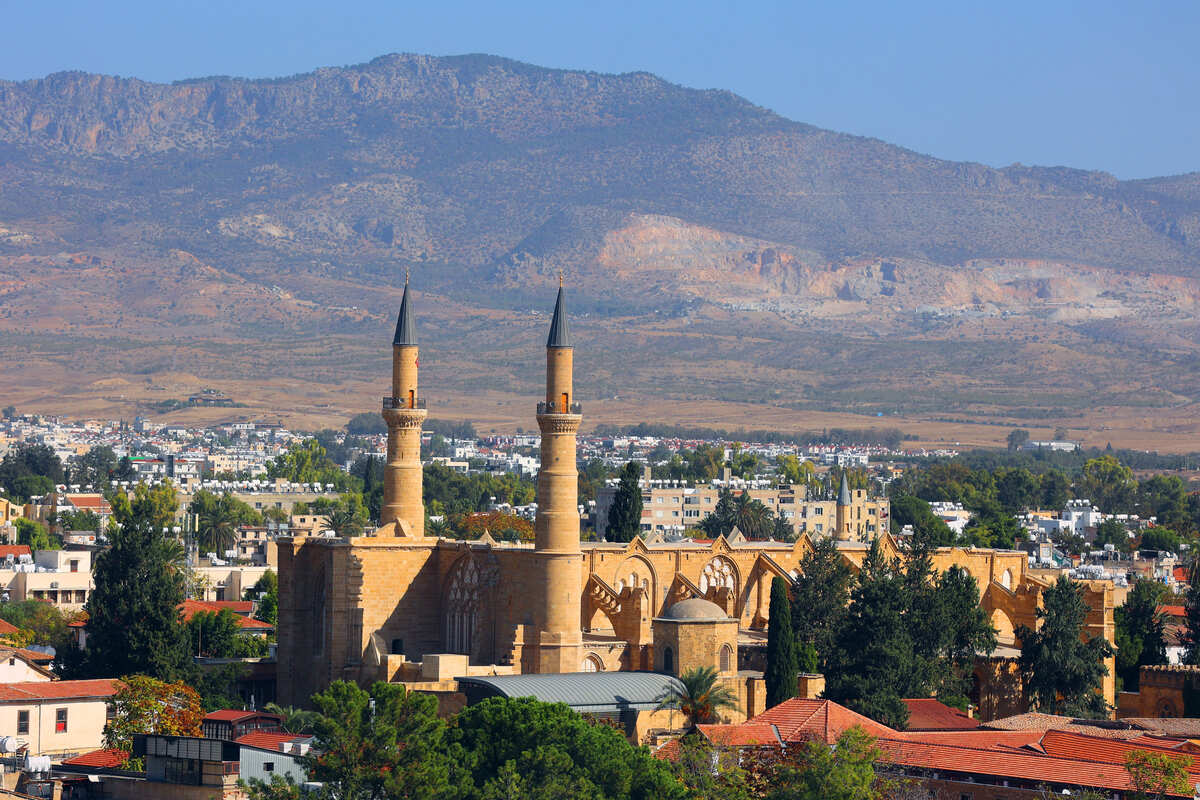
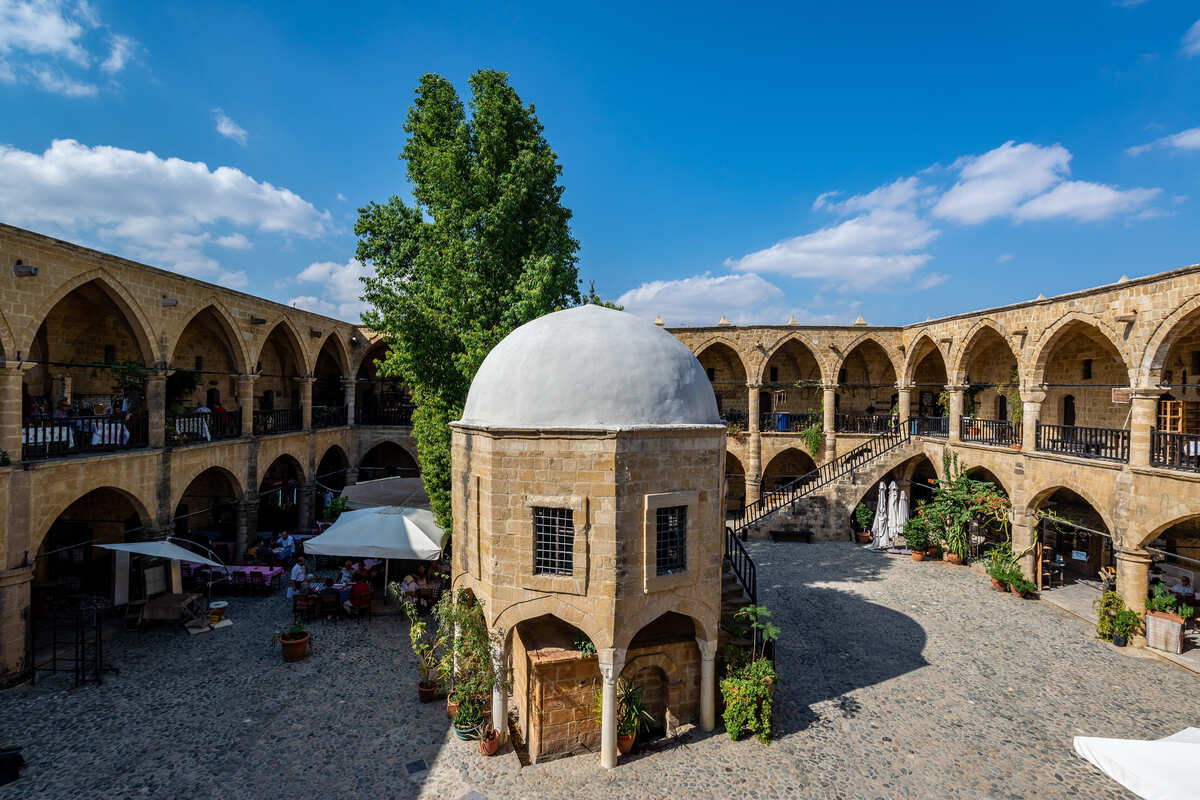
In the north you’ll find wilder swimming bays, towering minarets that punctuate the skyline and a stronger Turkish cultural stamp. Actually a story about two cultures, and one of the few places on the Old Continent where the divide between East and West is still so visibly present and layered.
So why is Cyprus actually crying out for more visitors?
Why is Cyprus crying out for more tourists?
The only downside to being the easternmost island in Europe is that by default you are closer to the Middle East, and therefore to the Levant, than you would instinctively like to be.
Don’t close this tab now and dismiss Cyprus like the average misinformed tourist would.
Yes, it’s practically visible from the coast of Syria and Lebanon on a clear day, if you want Real squeeze hard – and the flight time to Israel sometimes only takes about 45 minutes, but this is still an island firmly within the territory of the EUwith all the protection and institutional support that entails.
Unfortunately, not everyone is aware of Cyprus’ unique geopolitical position.
Despite previously being classified by US authorities as a Level 1 destination, on par with many of the safest countries in Europe such as Iceland and Finland, the island has taken a hit this year amid wider regional tensions. special after an Iranian drone incident reportedly made landfall near a military base in the south.
No casualties reportedprobably just debris or an off-course object that accidentally entered Cypriot airspace, and perhaps one of the few notable safety incidents in recent decades of relative calm.
But even that was enough to scare the scaredy cats.
I mean, if Cyprus’s respectable score of 75/100 on the Traveler Safety Index, probably the best thermometer for assessing safety levels at the moment, is not based on a government expert in a cozy office somewhere watching the news through a screen, but on actual traveler experiences, we won’t be the first to write it off:
Since then, demand for Cyprus has been weak, even after years of encouraging post-pandemic revival, so much so that hoteliers and other tourism businesses are now warning of collapseand holding urgent talks with the Cypriot government, as reported by CyprusMail.
Both due to the fuel crisis and the subdued promotion of Cyprus abroad, there are not only bookings decreased by more than 30% compared to 2025, airplane seats are is expected to decrease by about 5 percentwhich is a significant blow to an island that is essentially dependent on air access.
The Ministry of Tourism has already sounded the alarm to the European Union, essentially rolling out the red carpet for visitors willing to look past the noise, headlines and fear-driven stories and head instead to the sun-drenched Mediterranean coast this season.
Where to go in Cyprus this summer?
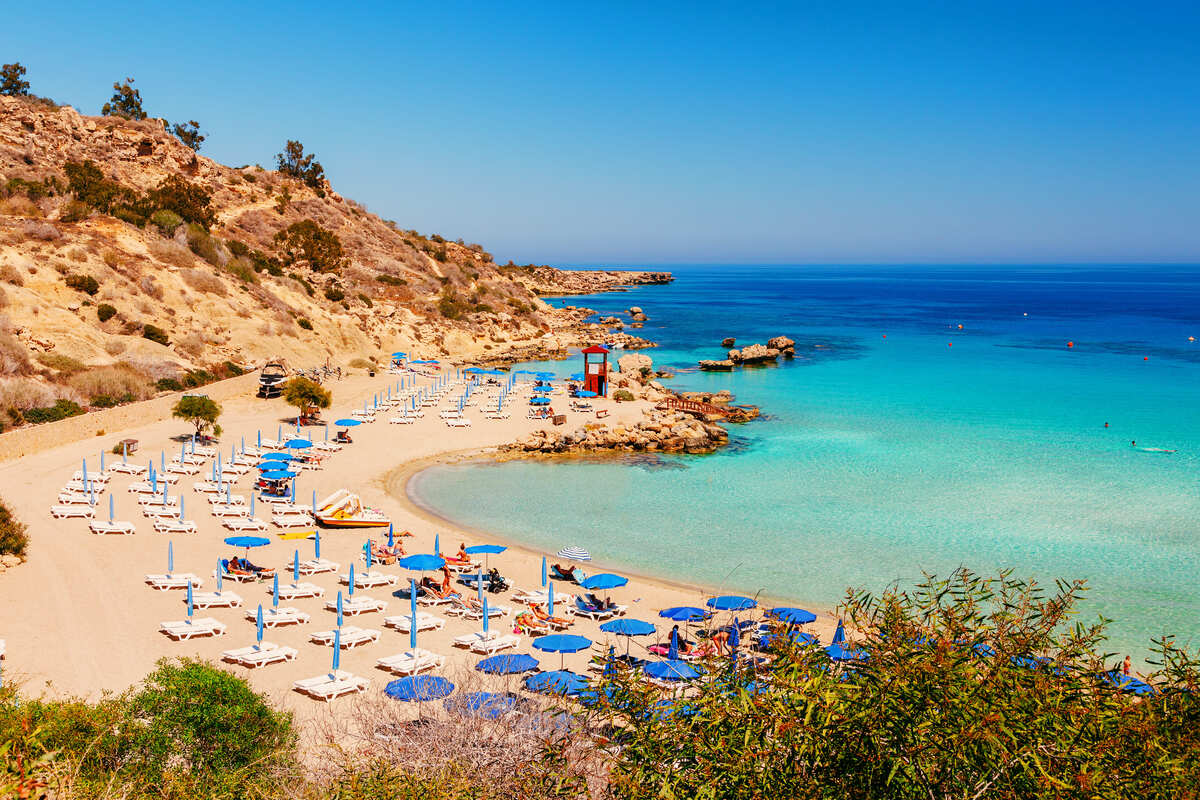
Cyprus is a fairly large island. If you’re wondering where to go for those wonderful Mediterranean summer vibes, Ayia Napa is a good place to start.
Ayia Napa or Larnaca?
The ‘tourist resort’, but no less beautiful, has Maldives-esque white sands and the most turquoise seas you’ll see this side of the pond.
Since the demand is lower than normal, you can find it now beachfront stays start from $65 (check out Rainbow apartments), or if you Real Do you want to go all out and splurge on an all-inclusive, the Tasia Maris Oasis has weekly packages from just $763, or $109 per adult, per night.
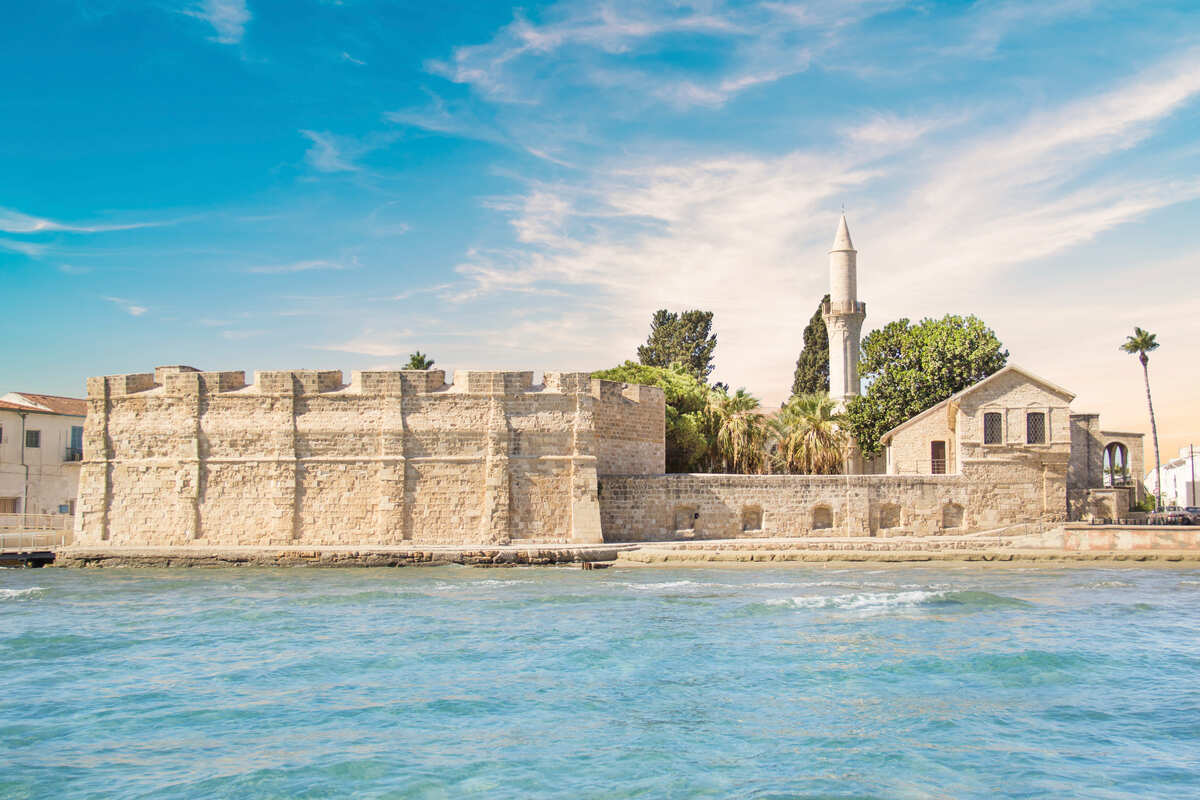
For something a little more relaxed, away from the British staghounds and German crowds, Larnaca is a peaceful coastal town on the south coast of Cyprus, anchored by an imposing castle, and with a truly lived-in atmosphere. Not only resorts and expensive tavernas play Sirtaki on a loop, if you know what I mean.
A mountain escape in Lania or a cultural getaway in Paphos?
Fancy a little mountain retreat?
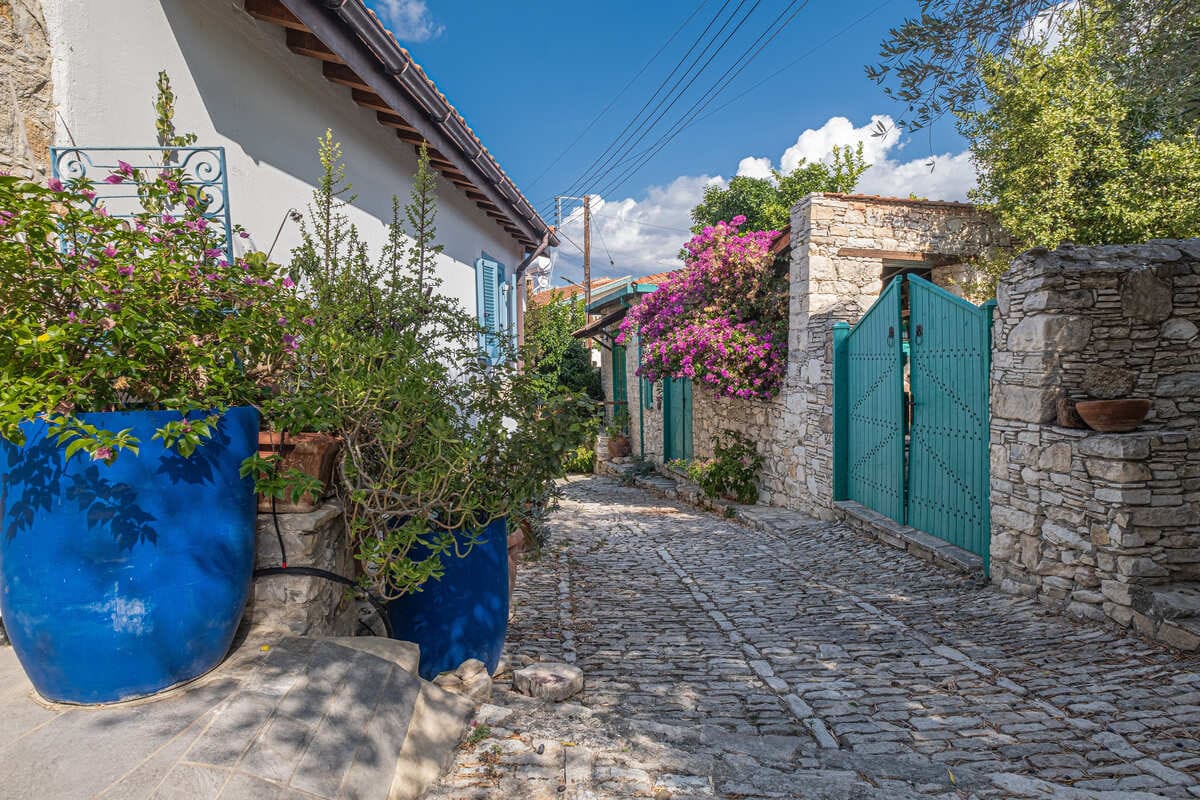
Laneia, high in the lush hills of inland Cyprus, is one fairytale village where cobbled streets lead to squares lined with olive trees, restaurants have been in the family for generations, and are probably someone’s property yay who is still cooking those roast lambs, and the wine from the backyard outshines all your favorite French imports.
To the west, Paphos is the premier beach destination and an emerging seaside resort that combines modern developments and age-old charm. It’s the home to the Tombs of the Kingsa UNESCO-listed Greek cemetery that looks like an underground Parthenon, except the Doric columns are perfectly preserved.
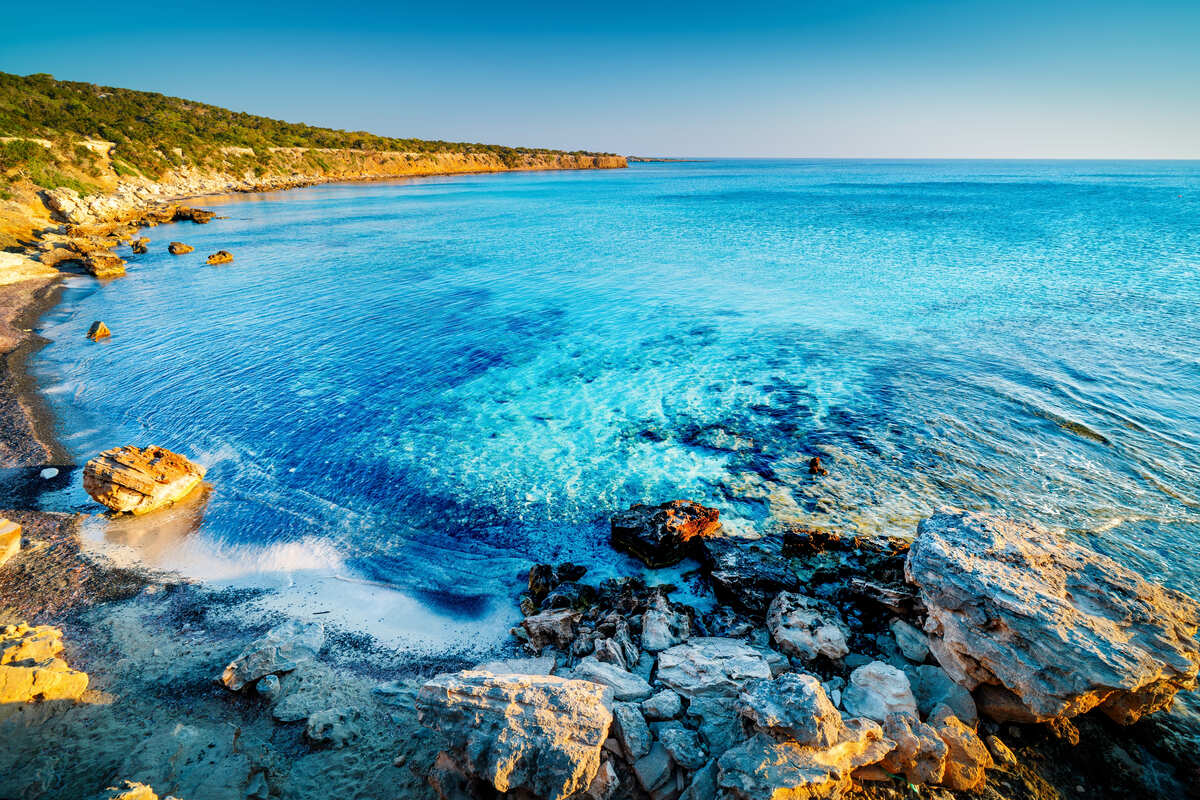
A short drive outside the city is the Blue Lagoon, perhaps Cyprus’s most sought-after natural sea pool. You can literally walk dozens of feet in that water and still not sink below your chest, and in the summer months it becomes almost bath-like.
Soapy, warm and crystal clear in the best possible way.
The last distributed capital
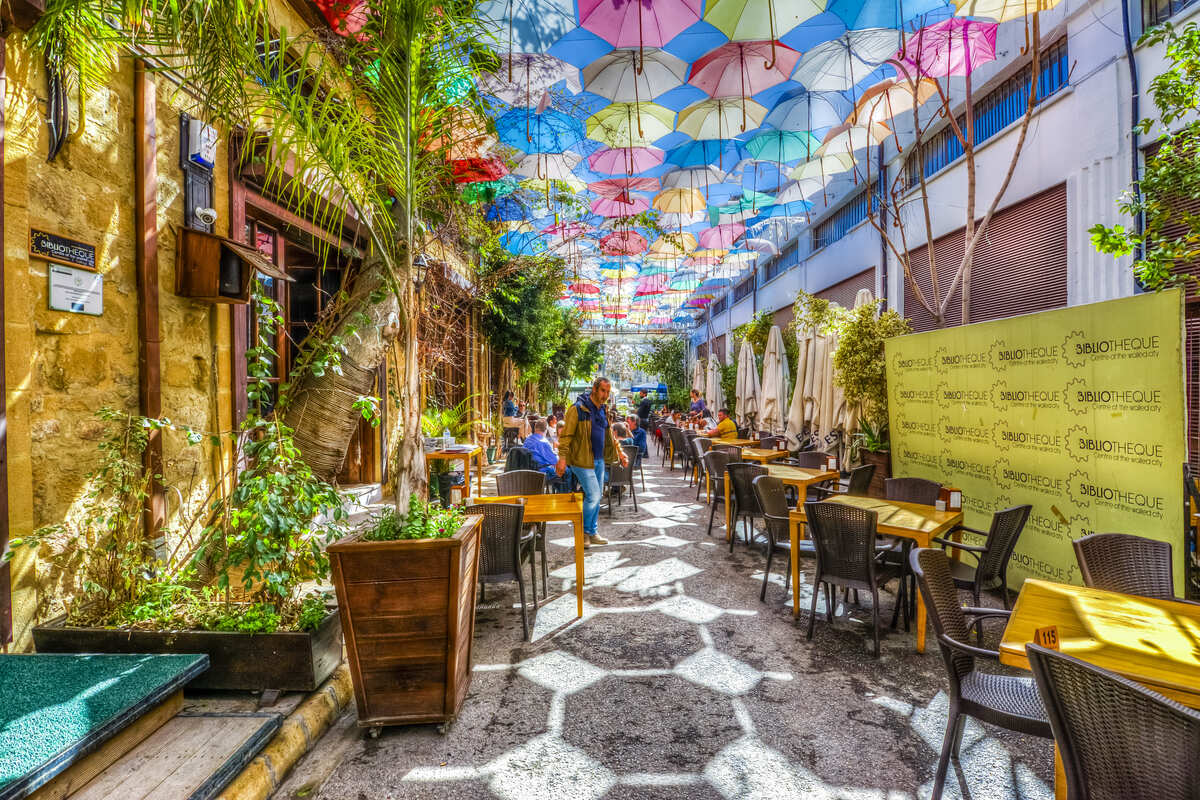
Of course, it wouldn’t be a visit to Cyprus without Nicosia, the last divided capital in the world. If you’ve ever wondered what it must have been like to visit Berlin in the 80s, before the wall fell, Nicosia is the next best thing:
Half of Nicosia is governed by the Republic of Cyprus, the other half by the Turkish Republic of Northern Cyprus, and if you happen to be walking down the seemingly normal, pedestrianized Ledra Street, you will suddenly come across a literal border control in the middle of the road.
From then on you will need your passport to continue your walk.
A UN buffer zone runs straight through the heart of Nicosia, dividing the Greek and Turkish sides of the cityand however unappealing the barbed wire and cafes overlooking barricaded alleys may seem at first, this is probably the most stunning, surreal geopolitical spectacle you will encounter anywhere in Cyprus.
If you dare venture deeper into Northern Cyprus, this cute little port town is close by dolmus bus ride from North Nicosia called Kyrenia (or Girne, in Turkish).
The spiritual sister of Larnaca, it also has a castle, a crescent-shaped harbor with bobbing boats and bougainvillea-lined back streets that look like a living postcard.
The Northern Cyprus Question
Now you’ve probably noticed that Cyprus is not your average European holiday destination. Apart from the conflict in the Middle East, there is an active geopolitical rift runs straight through the island.
The whole ‘North’ debate is a complex topic that you probably won’t want to discuss with more sensitive locals unless you’ve done proper research on the subject, but what you should remember as an American visitor in practical terms is:
- You are allowed alone to cross the north after entering Cyprus through authorized entry points controlled by the south (e.g. Larnaca or Paphos airports, or Limassol port)*
- Landing in South Cyprusyou can travel back and forth between both areas without restrictions, provided you are visa exempt for both (which Americans are)
- For the South you need your euros. For the North: make sure you exchange these Euros into Turkish Lira at a reputable exchange office often frequented by locals (i.e. not the one on Ledra Street)
*Nicosia has an airport, but it is located on the north side of the fence and is therefore under Turkish control. If you land at Nicosia (Ercan Airport), you can travel around Northern Cyprus, but not cross to the south
If in doubt, you can always consult the entry requirements that apply to Americans going to Cyprus on this page.
This is your Visa Wizard for everything related to traveling around the world.
Just type in your destination country, whether it’s Cyprus or anywhere else in the world, and you’ll get all the accurate documentation and entry and residence rules you need to be aware of before you fly.