

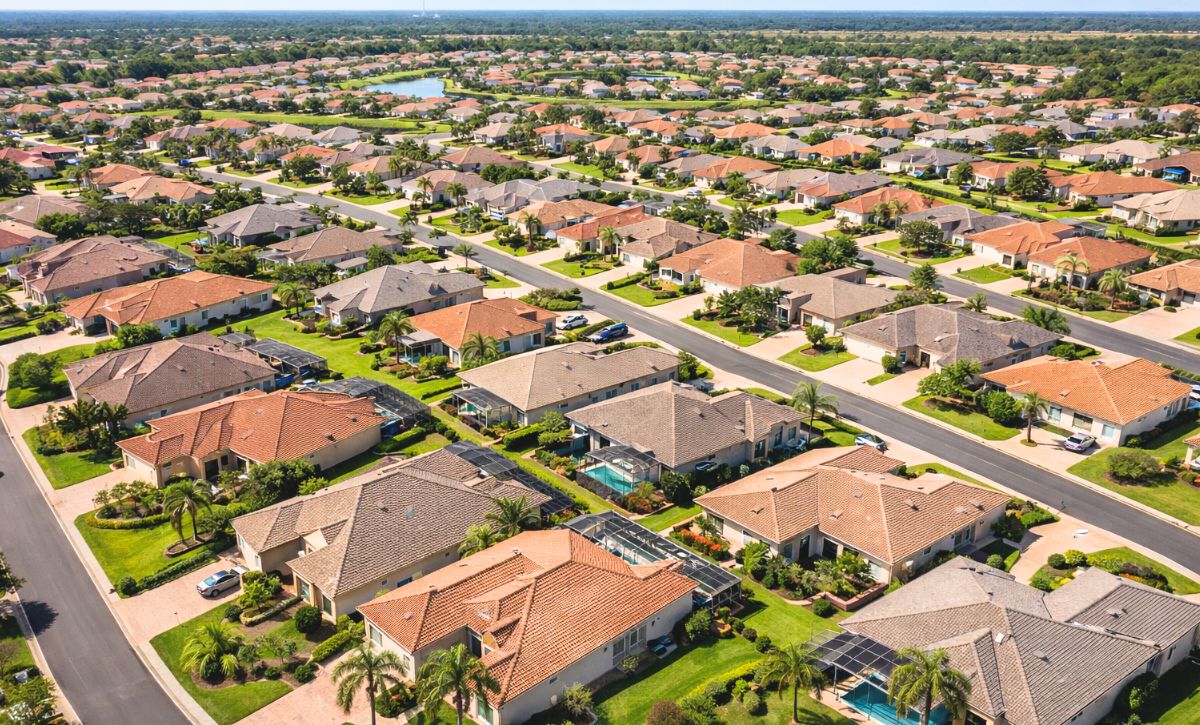
The latest population rankings have been released by the US Census Bureauwhich analyzed demographic changes in 387 metropolitan areas between July 1, 2024 and July 1, 2025. The estimates provide a comprehensive picture of how Americans are moving, incorporating data on domestic migration, international inflows and natural population changes.
The findings show that most U.S. metropolitan areas continued to grow during the period, albeit at a slower pace than the previous yearindicating a broader shift in national demographic dynamics. Average population growth in the metropolises slowed to 0.6%, compared to 1.1% the year beforeas a result of decreasing international migration and changing economic conditions.
Ocala, Florida: The fastest growing metropolis in the country
Ocala, Florida recorded the highest population growth of any U.S. metropolitan areamaking it the fastest growing city in the country over the past year.
The increase is mainly caused by strong internal migrationwith more Americans entering the region than leaving. Unlike larger coastal cities that rely heavily on international arrivals, Ocala’s expansion reflects internal travel trends, especially from more expensive urban areas.
Several structural factors underlie this growth:
- Relative housing affordability compared to major Florida metro areas
- A growing base of retirees and remote workers
- Proximity to larger economic centers such as Orlando
- Continued residential and infrastructure development in Marion County
The city’s appeal has been enhanced by lifestyle considerations, including lower density than major urban hubs, access to nature and a reputation for equestrian culture. As a result Ocala has become a key example of how mid-sized metros are accommodating population growth in the current economic cycle.
Southern cities continue to attract new residents
The Census data show a strong regional pattern: Nearly all of the fifteen fastest-growing metropolitan areas are in the southern United States.
Next to Ocala, Myrtle Beach, South Carolina is among the fastest growing metropolises and also benefits from significant inward domestic migration. Throughout Florida, 21 of the 22 metropolitan areas experienced population growthunderscoring the state’s continued attractiveness despite rising costs of living in some regions.

This continued expansion reflects broader migration trends favoring the Sun Belt, where lower taxes, warmer climates and relatively affordable housing continue to attract new residents.
Slowing growth reflects the decline in international migration
Despite widespread growth, the pace of expansion has slowed nationally. The Census Bureau attributes much of this slowdown to reduced international migration.
As Christine Hartley noted: “[the slowdown is] primarily due to a historic decline in net international migration.”
This shift is beginning to impact the broader economy. Slower population growth can translate into… reduced expansion of the labor force and lower demand for new jobspotentially reshaping employment trends in the coming years.
Jerome Powell recently highlighted and pointed out this dynamic the level of job creation needed to maintain stable unemployment may decline significantly in a lower growth environment.
Cities lose population or momentum

Not all regions benefit from migration trends. Several urban areas are experiencing stagnation or decline.
Watertown, New York recorded the steepest population decline among U.S. metro areashighlighting ongoing demographic challenges in parts of the North East.
Meanwhile, some cities in the border region saw a sharp slowdown in growth rates:
- Laredo, Texas
- Yuma, Ariz
- El Centro, California
Of this, El Centro experienced an outright population declinewhile the others saw a significant cooling compared to previous years.
Even large urban areas are not immune. The The Miami metro area posted a slight population decline of 0.1%driven by negative internal migration and weaker international inflowsdespite Florida’s overall growth trend.
A changing map of American growth
The latest Census data underscores a fundamental shift in U.S. population dynamics. Medium-sized and smaller metropolises – especially in the South – are emerging as the main growth enginesdriven by affordability, lifestyle preferences and flexibility in remote working.
At the same time, Slower international migration and rising costs in major urban centers are changing traditional growth patternscreating a more distributed and regionally diverse population landscape.
As these trends continue, cities like Ocala will likely play an increasingly central role in defining the next phase of American urban development.


