

Share the article
When you imagine the Nordic countries, you probably think of the ocher Gamla Stan and the winding canals of Stockholm, the clear waterfront of Copenhagen and the Little Mermaid that everyone takes a photo of, or the spa town of Helsinki and its monumental whitewashed cathedral.
As beautiful as those places are, nothing says ‘Scandi winter’ as much as the under-the-radar, but fast-rising Stavanger in Norway.
No, it’s not a capital like the rest, and no, it doesn’t host non-stop Transatlantic flights, but travel experts from The times handpicked it as the best city trip this seasonand we love traditional architecture and fjord views ourselves, we tend to agree:
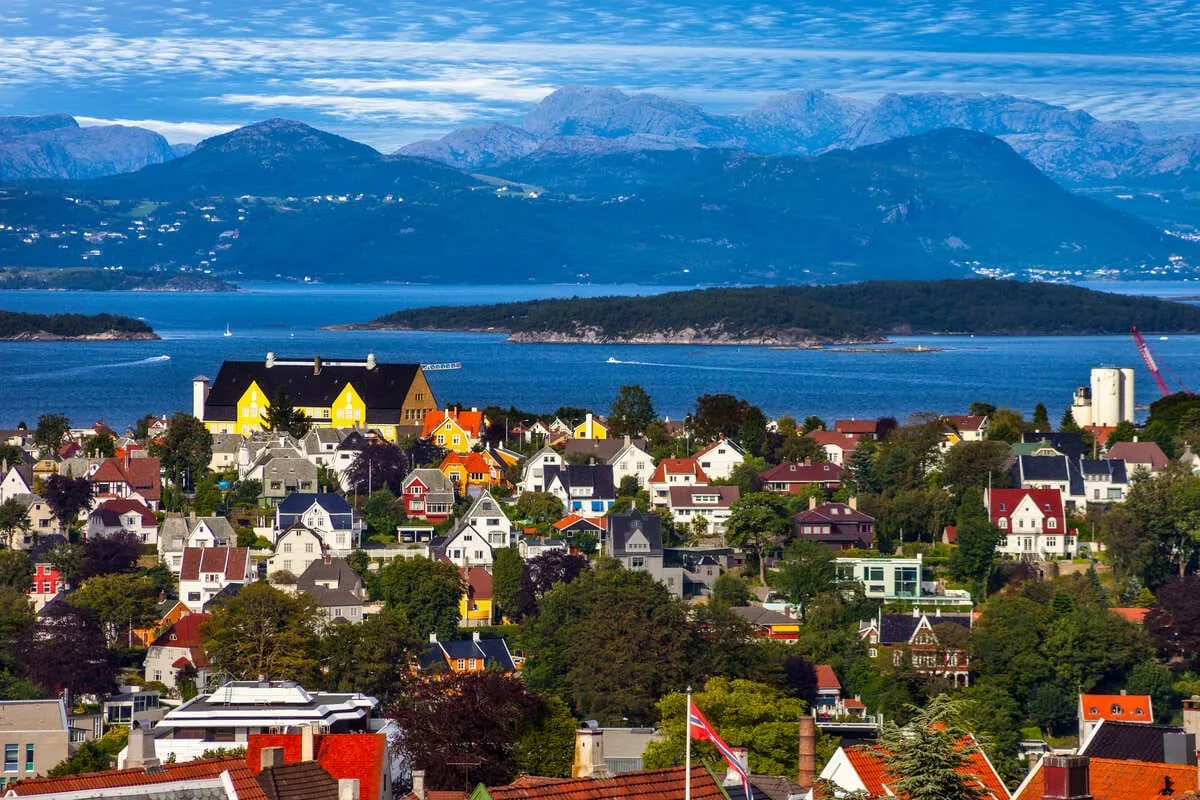
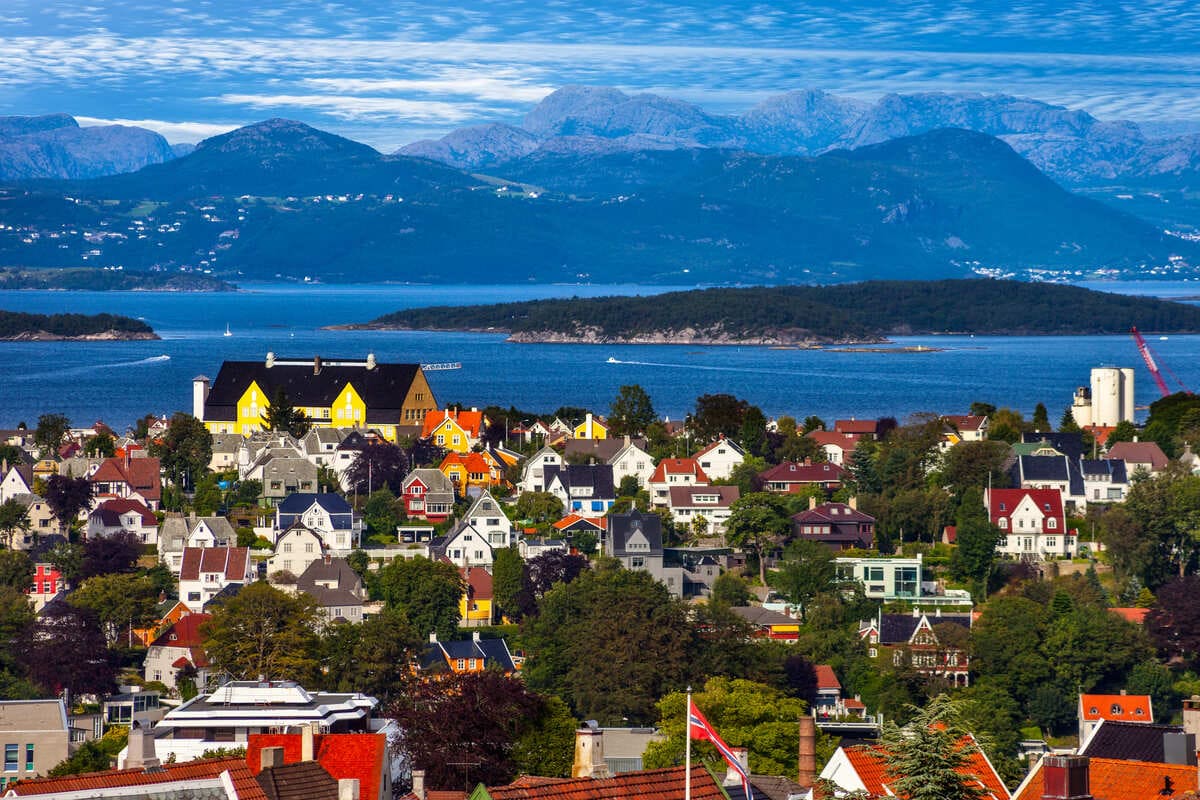
A hidden gem of Scandinavia
A vibrant port city of over 146,000 residents, Stavanger may not be the average tourist’s first choice when planning a getaway to Norway, but it is on par with Oslo, Bergen and Trondheim as one of the country’s top cultural centers.
It is located on the southwestern coast of Norway and despite the rapidly growing urban zone it still has that relaxed, small town atmosphere, with lots of Old World charm go around.
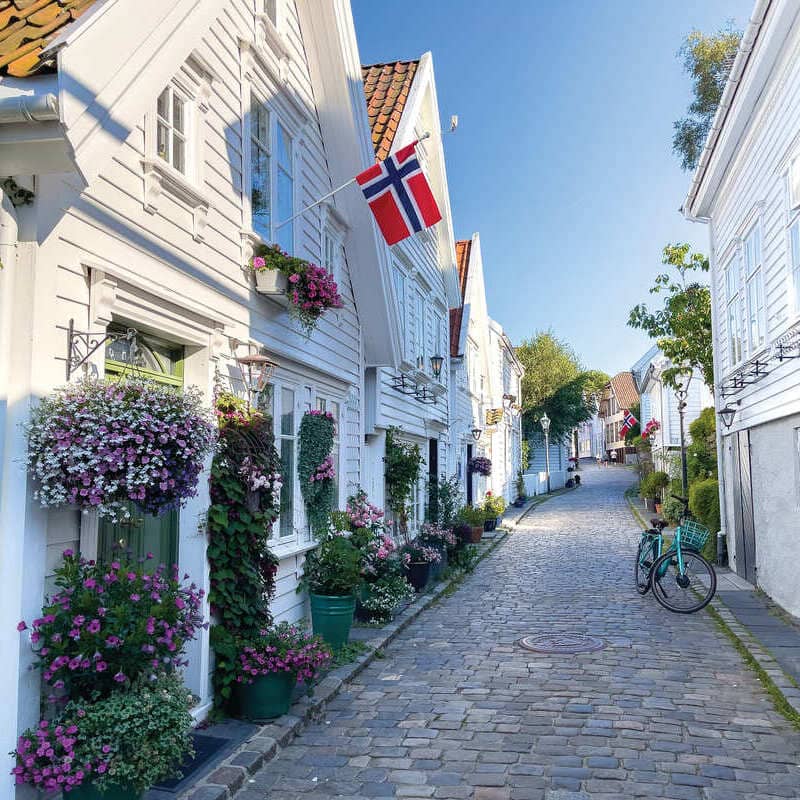
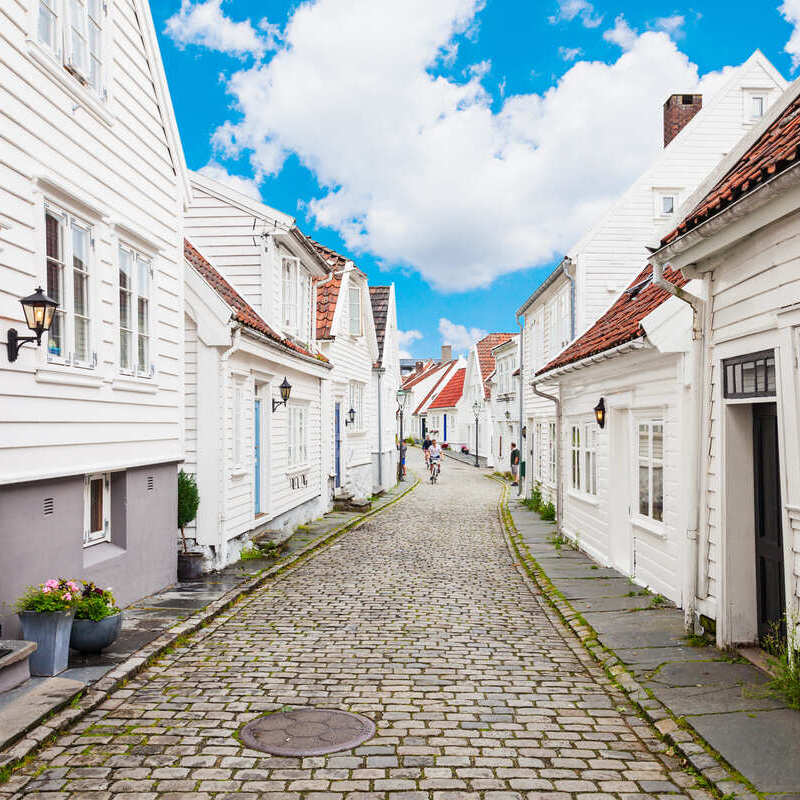
The Old Town, known in Norwegian as Gamle Stavanger, is a small maze of cobbled alleys lined with white-painted wooden mansions from the 18th and 19th centuries, plus cozy cafes with covered patios serving fresh-from-the-oven pastries.
You will find it in the middle of the historic core Stavanger Cathedral:

Combining both Romanesque and Gothic styles, Gamle Stavanger’s architectural centerpiece dates back to the year 1125, when the city was founded, and is considered one of Norway’s best-preserved medieval cathedrals.
A lively waterfront
From the Old Town you are only an 8-10 minute walk to Vågen, The lively port of Stavanger.
It’s known for its brightly colored wooden houses, a sharp contrast to the pale tones of Gamle Stavanger, and with the constant shuffling of boats, classic Norwegian waterside eateries and quirky boutiques, it’s the beating heart of Stavanger’s social scene.
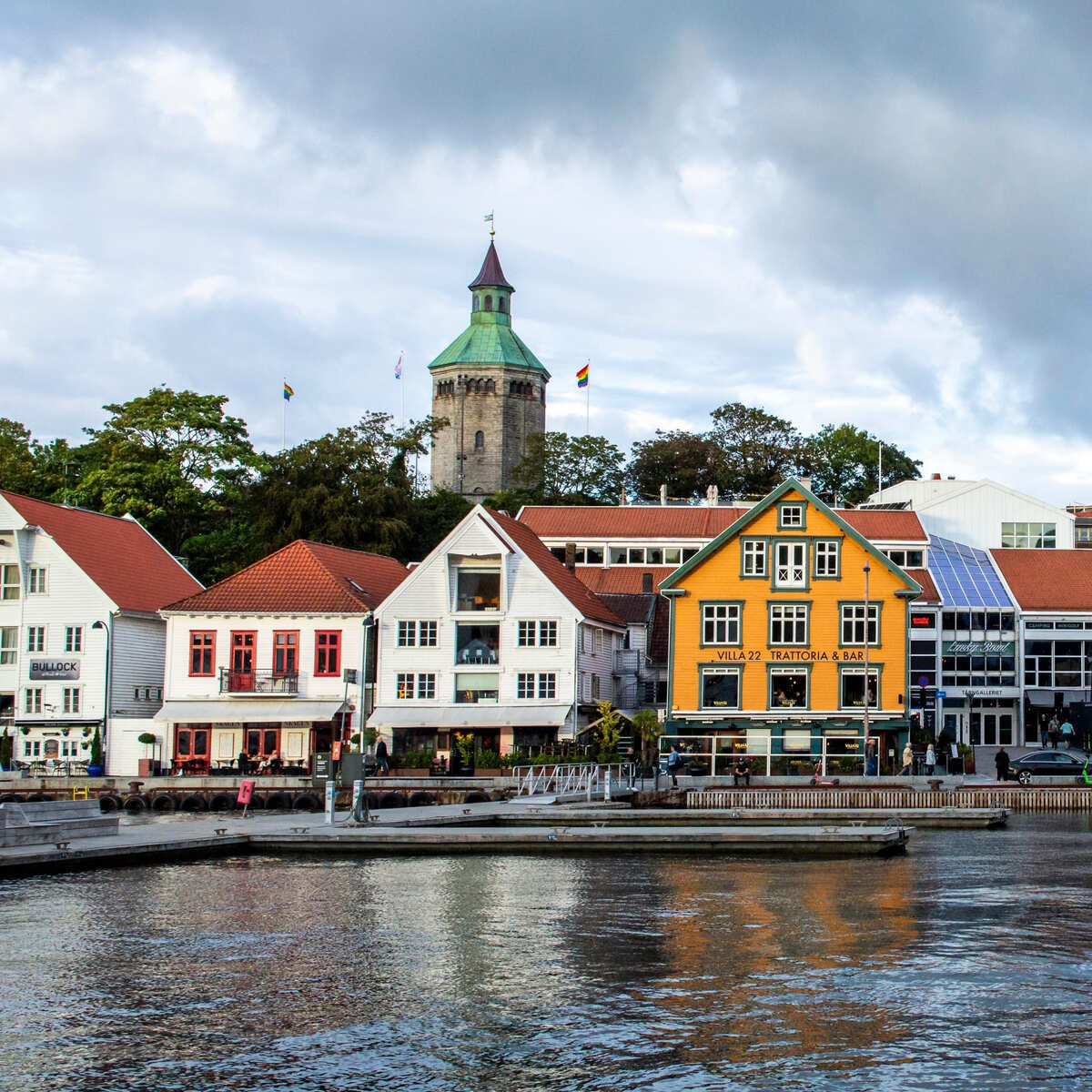
If you’re wondering where the colorful street from the photo is located: it’s Fargegaten. Great photo opportunities everywhere, and an even better place for foodies eager to sample Norwegian delicacies:
For fair trade coffee, delicious cinnamon rolls and heart-warming mugs of hot chocolate, go to Bøker og Børst. Believe us, on a rainy day it will be even more fun if you read a book or pick up a board game and enjoy yourself coffee break as raindrops trickle through the window.
You also don’t want to miss the Fish Market (Fisketorget), the location for fresh seafood and a piece of maritime history. There are countless options, but Fisketorget is your place if you fancy daily catch brought in by fishermen themselves.
A short walk up a moderate hill, Valbergtårnet is also not to be missed: an old lookout tower overlooking Vågen, it’s where locals go to watch the sunset, on the rare occasion that the sun appears late in the afternoon in the colder months.
Views of the fjords for days
No trip to Stavanger is complete without exploring the nature surrounding it. After all, that is Southwest Norway filled with the most dramatic, breathtaking nature.
Imagine waterfalls tumbling off cliffs, winding fjords flanked by snow-capped peaks, and gliding through serene, glassy bay waters breached every now and then by a lone whale.
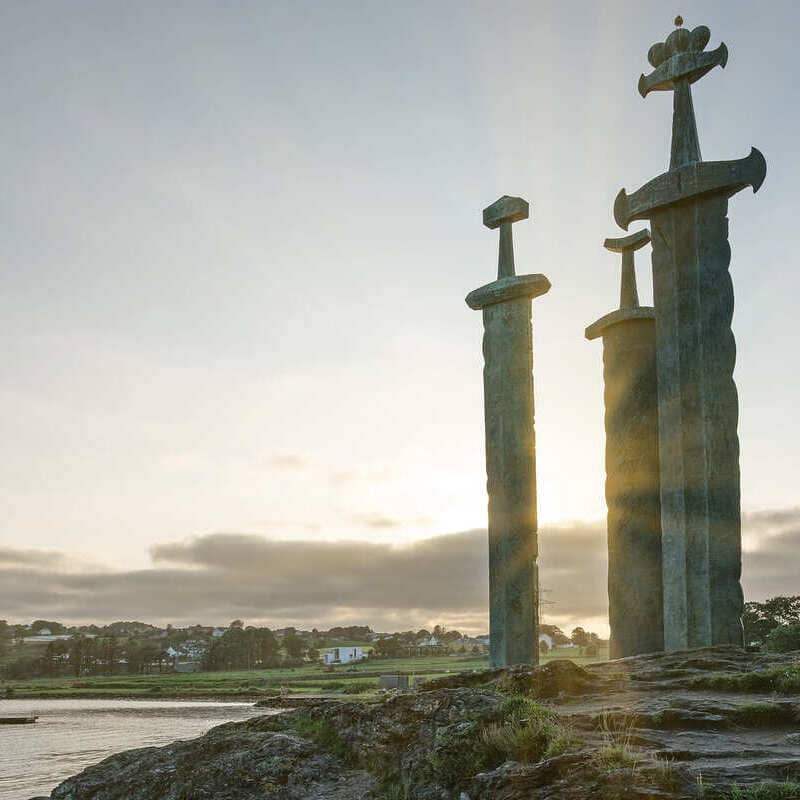
For those who don’t want to go too far into the wilderness, an easy bike ride to Verd and fjellor ‘Swords in Rock’, is sufficient: a trio of gigantic bronze Viking swords, the tallest of which is about 10 meters high, planted in hard rocks and overlooking the picturesque Hafrsfjord, where Norway was born.
For context, this is where an important battle was fought, between Harald Fairhair and rival chieftains. The outcome? Fairhair’s army defeated every other warring clan, and he then united Norway into one kingdom for the first time in its history.
However, that is not the only fjord in the vicinity of the city: The times recommends taking a two-hour Rib Safari across the equally scenic Lysefjord. These can be expensive, costing around NOK 1,190, or around US$145 per person, but the views are absolutely worth it.
What can we say? Stavanger may be off the beaten path for the average tourist, but it’s still Norway.
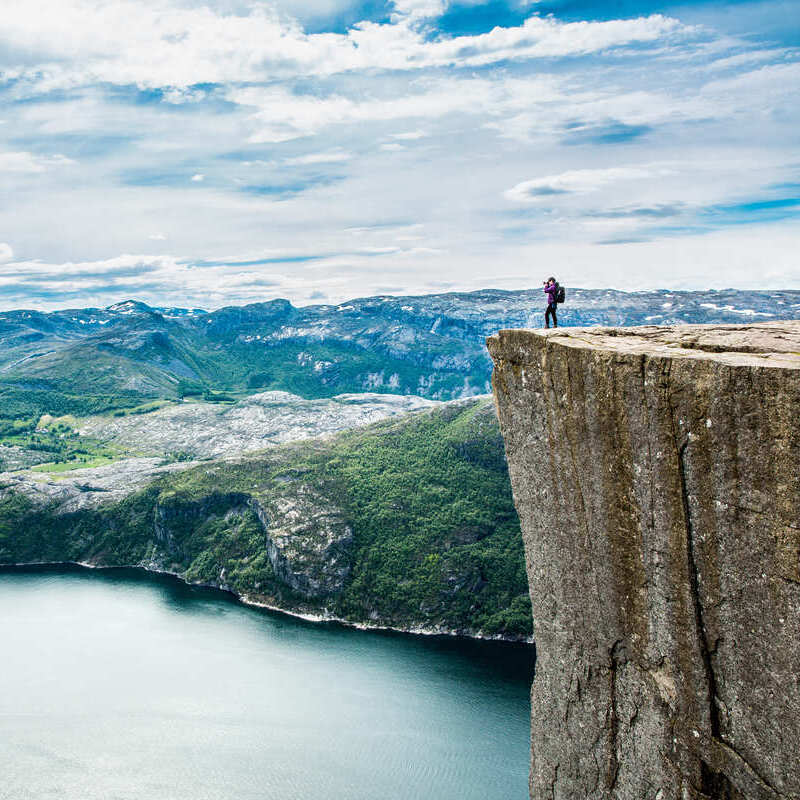
While in Lysefjord, don’t forget to see the Pulpit Rock, a flat-topped cliff with a beautiful panorama of the water inlet. For this you need to prepare in advance: the return trip takes between 4 and 5 hours on foot and it is a steady climb to the viewpoint.
But hey, at least this is a free activity!
Why visit Stavanger now
The times reports that it is 2025 Stavanger’s ‘moment to shine’as it celebrates its 900th anniversary.
Celebrations take place 24 hours a day all year round, from music festivals to dance performances, to innovative art installations amid the epic Norwegian nature, and much more.
The year is already coming to an end, but the festive feeling will certainly continue this winter with the Christmas markets and festive lights which will soon grace the picturesque streets of Gamle Stavanger.
The most convenient way to get to Stavanger this winter is to fly to Stavanger Airport (SVG), about 11 kilometers outside the center. It is well connected to a number of major transit hubs, including Amsterdam Schiphol and Frankfurt.
Alternatively, if you land in Oslo or Bergen, you can take a train to Stavanger; be careful of the long distances. Norway is one biiiiig country, and a train ride from Oslo to Stavanger takes 7-8 hours.

Subscribe to our latest posts
Enter your email address to subscribe to the latest Travel Off Path breaking travel news, delivered straight to your inbox.


