

Share the article
Mexico is the most popular destination for American travelers going abroad, but it is a well-known fact that a majority of people will move here one of only four spots:
Cancun, Tulum, Los Cabos, Puerto Vallarta, and if a cultural getaway is their thing strongpossibly Mexico City. Needless to say, overtourism takes a huge toll on local communities and negatively impacts local culture.
Fortunately, not all Mexican destinations are crumbling under the weight of gentrification.
Located in the less explored interior of Yucatán, less than 3 hours by train from CancunIzamal is a historic city yet to be pampered by the masses and begging to be explored – literally:
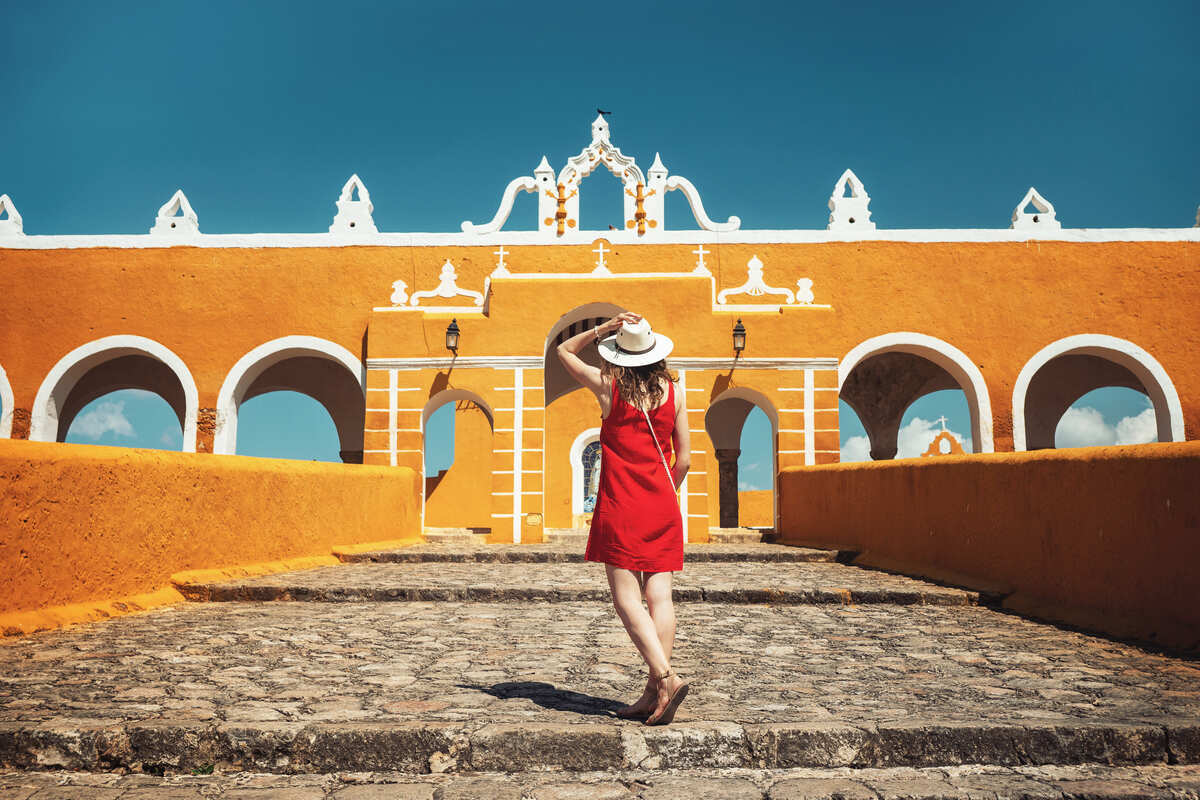
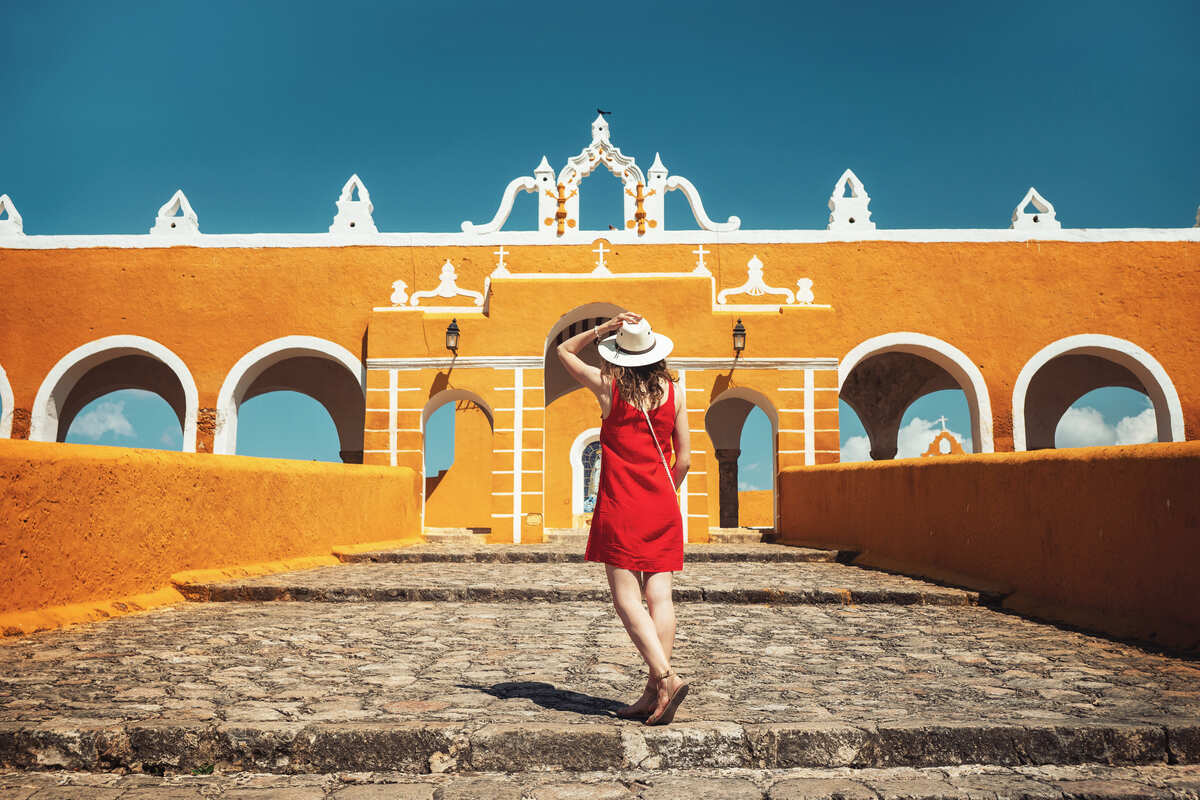
Discover the magic of Mexico’s Yellow City
Izamal, a picturesque Yucatan settlement in the heart of the peninsula of the same name, is popular for its yellow-washed cityscapefascinating combination of Spanish and Mayan heritage, and a monumental 16th century monastery.
Let’s start with the ‘yellow’ itself:
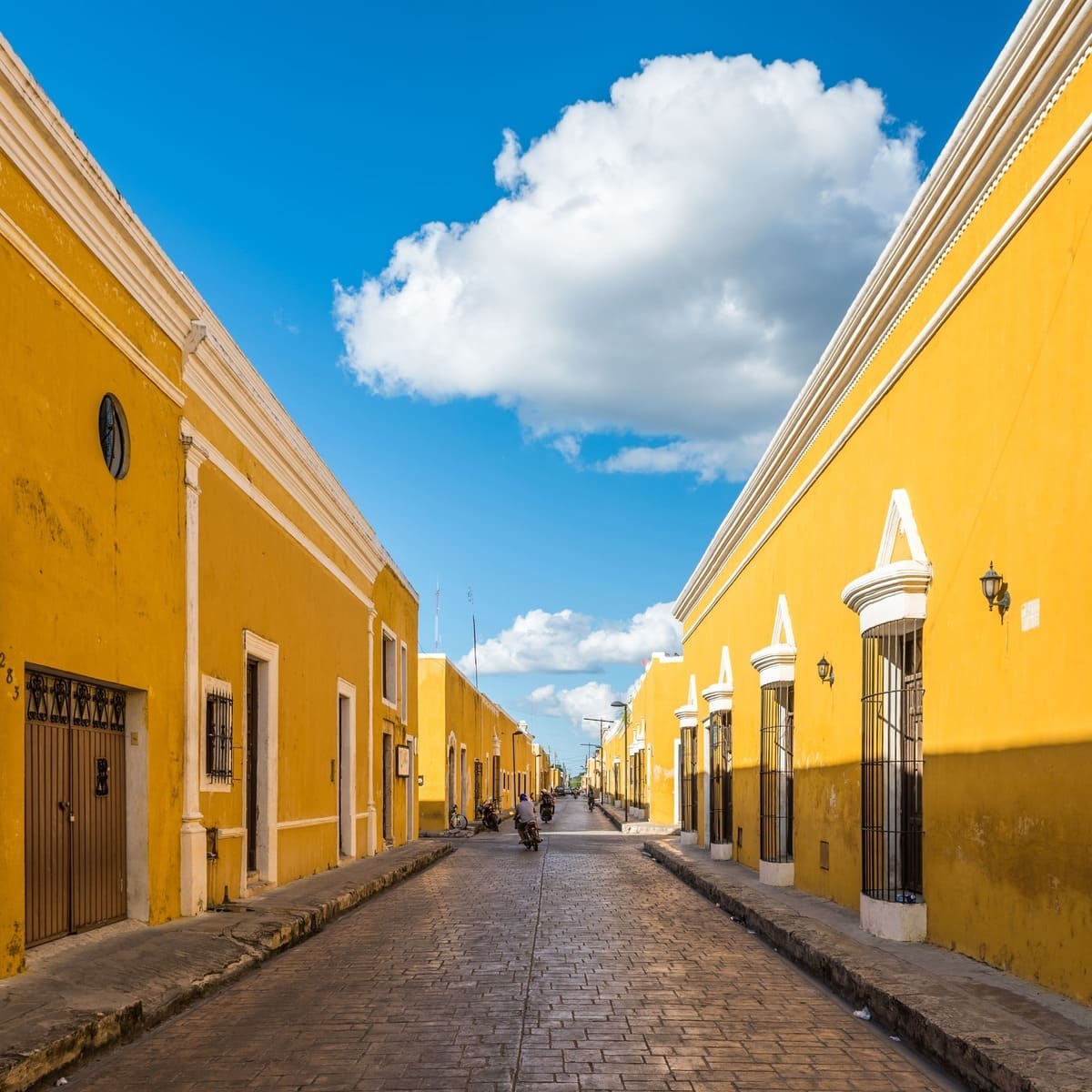
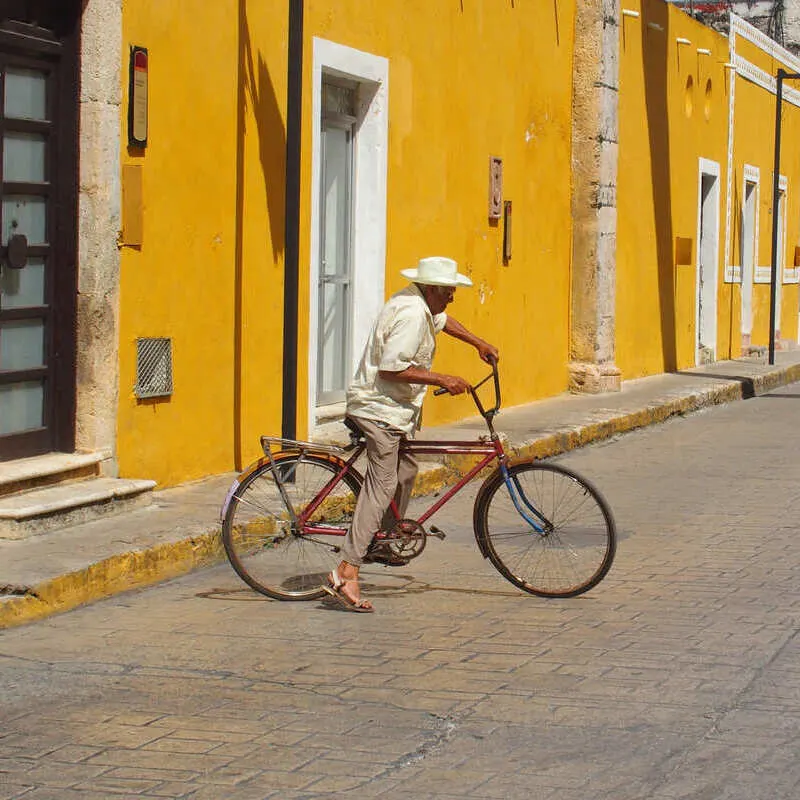
If you’ve ever come across Instagram images of a completely mustard-colored city in Mexico and wondered where that could be, you’ve just found it. All buildings in the historic center of Izamal, which dates back to the colonial period, are painted in this striking shade.
The story behind it is just as intriguing as Izamal’s complex past. In case you didn’t know, yellow reflects sunlight and helps keep the insides of buildings cooler, so there’s that An reason why.
The other one is that, after Pope John Paul II’s visit in 1993, many locals have repainted their facadeswhich were already warm in color, in different shades of yellow, with white edges, to symbolize the colors of the Vatican.
Happy coincidence or not, yellow is also the color of corn, a staple of Mayan cuisine, and there’s no better place to enjoy Mexico’s pre-Columbian charm than here:
Why visit Izamal?
Izamal is a unique destination worth the detour for its aesthetics alone – and trust us, there are plenty of great photo spots here – but its main draw is its architectural ensemble.
The aforementioned monastery, named after San Antonio de Padua, is a huge Franciscan structure built in the late 16th century atop a Mayan pyramid base.
It is Izamal’s most iconic building and it shows off one of the largest enclosed atriums in the world (some say it’s second only to the Vatican).
Pilgrims visit mainly for the Virgin of Izamal, an icon displayed on the monastery grounds, but if you are not Catholic you can still admire the monastery for its centuries-old history and wealth of detail.
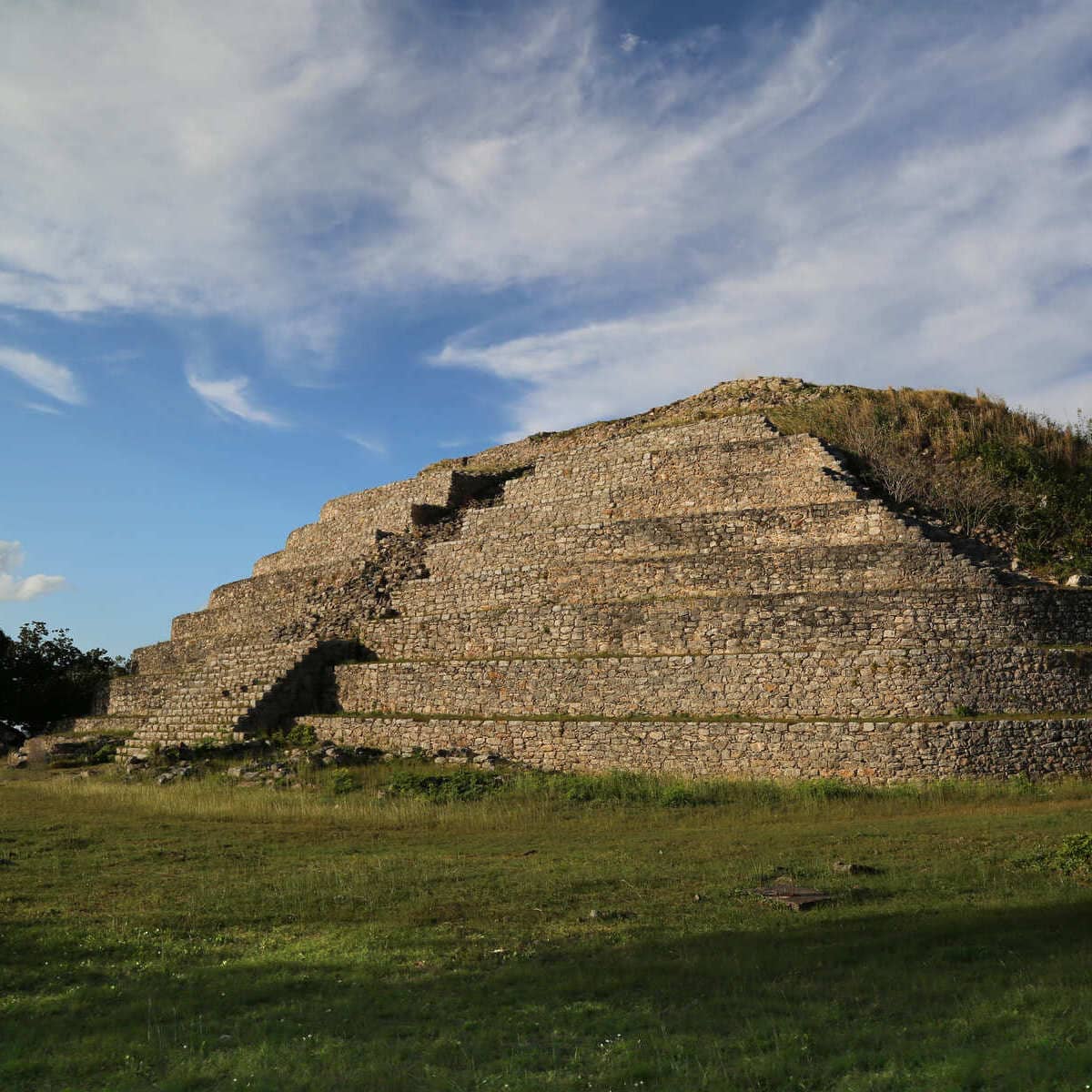
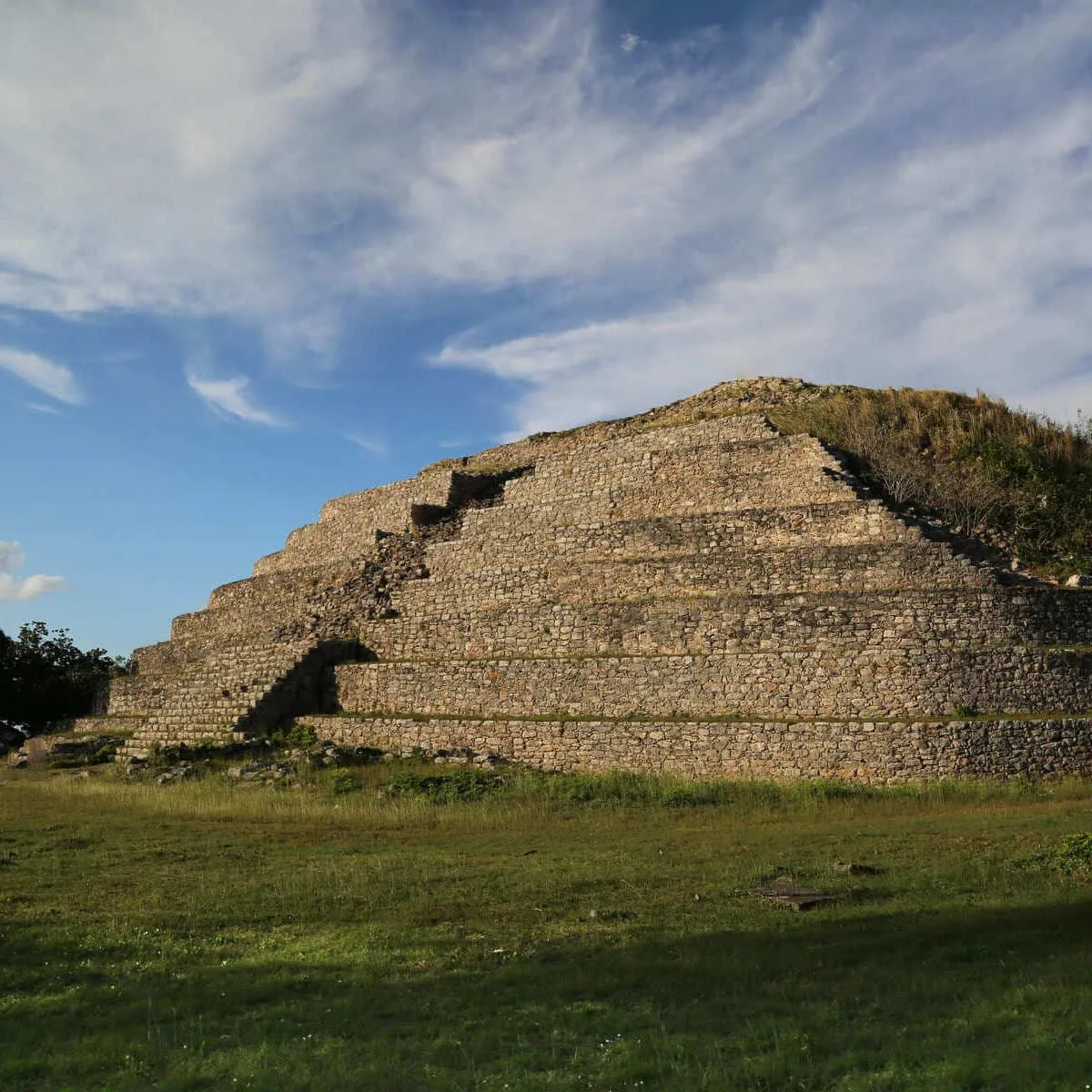
Speaking of Mayan pyramids, Izamal is nicknamed ‘City of hills‘ because of the Mayan mounds buried beneath the modern city. The most monumental of these, and most visible, is Kinich Kakmoa pyramid that stands right in the center of Izamal.
Taste the Mayan heritage of Izamal
Of course, there is no Mayan culture without its rich gastronomy, and if you are looking for native flavors, make sure Restaurante Kinich Izamal is on your bucket list:
Famous for its Yucatan dishes, in particular cochinita pibil And poc chucit is a traditional place in the old colonial core frequented by locals and visitors alike, so you know the food is reasonably priced.
For generous empanadas and vegetarian options, La Conquista is the place to go, and in addition to hearty meals you can also expect a relaxing environment away from the main tourist stream.
Needless to say, you haven’t really been to Mexico until you’ve visited a street market, and the Mercado Municipal de IzamalHoused in a yellow-hued, arcaded covered hall, it has an abundance of stalls selling delicious tacos and tamales, usually for around $1.

Izamal is magical
This month, Izamal took a big step in strengthening its position as a major tourist destination in Mexico, with the launch of the ‘Izamal Is Magical’ campaign.
Although the city is already classified as a Pueblo Magicoa designation intended to draw attention to culturally relevant destinations in the country, local authorities are now doing take matters into your own hands and actively promoting the city’s wide range of attractions to foreign audiences.
After all, Izamal is one of Mexico’s first “magic cities,” and an important “enclave” of Mayan identity.
According to the Regional Director of Tourism, Falú Flores Balam, ‘Izamal is magical‘ is a brand that ‘reaches beyond the current government’ and will consolidate Izamal as a tourism epicenter.
In his own words, there is a ‘limited story’ about what Izamal has to offer. He adds that there are only in the historic center more than 80 sightsnot to mention the contemporary art exhibitions and gastronomy scene.
In short, Izamal wants more tourists, and luckily for them, the Mayan Train comes to the rescue:


How to get to Izamal from Cancun this winter
Since 2023, tourists from Cancun can board a direct train from Cancun Airport to Izamal.
The journey takes just under 2 hours, or to be more precise, 1 hour 45 minutesand tickets start from just MX$328, or an average of US$18.
Currently there are a maximum of 6 departures per day, with an interval of 1.5 hours between trains (and a longer afternoon difference of 5 hours). The earliest departure is at 8:00 AM, arriving Izamal at 9:44 AM, while the last train departs at 8:10 PM and reaches the city at 9:54 PM.
Tickets can be purchased directly from the Tren Maya website.
Subscribe to our latest posts
Enter your email address to subscribe to the latest Travel Off Path breaking travel news, delivered straight to your inbox.