

Share the article
When you think of El Salvador, the first images your mind conjures up are probably of riotous gangs running amok, crime-ridden streets where law of the fittest reigns supreme, and, as is the case in Latin America, probably corrupt governments.
That was the case about five or six years ago, and then a miracle literally happened.
From a global pariah and one of the most violent countries in the world, with a shocking per capita homicide rate and urban violence, to the Switzerland of the Western Hemispherethis small Central American state is now destroying another type of record.
Not to beat around the bush, tourists are finally flocking there in droves, and the new state of well-being is just part of the reason why:
El Salvador is currently experiencing its golden age
As reported by CostaturEl Salvador has welcomed more than 815,000 guests so far this year, with the goal of reaching 4.2 million guests by December 2026.
That’s a bold strategy, especially considering that in 2019, before the current government took power, it hosted about 1.3 million tourists annually, many of whom were returning El Salvadorians or business travelers.
Now, it seems the tide is turning.
El Salvador owes this to Nayib Bukele, the controversial, tough and yet tough on crime president. Say what you want, he put the house in order.


He jailed about 1% of the population in a massive crackdown on violent crime, launched a ‘Territorial Control Plan’ to take control of gang-dominated areas, and invested heavily in infrastructure projects.
We’re talking roads, bridges, public works, a whole makeover of the country’s largest airport, El Salvador International Airport (SAL), a renovation of the capital’s once-abandoned historic center, and a clear, resounding message sent to foreigners:
El Salvador is safe. Come visit.
These are not just empty words either: in 2019 the country had that too a staggering rate of 38 murders per 100,000. By 2025, that staggering figure had dropped to around 1.3.
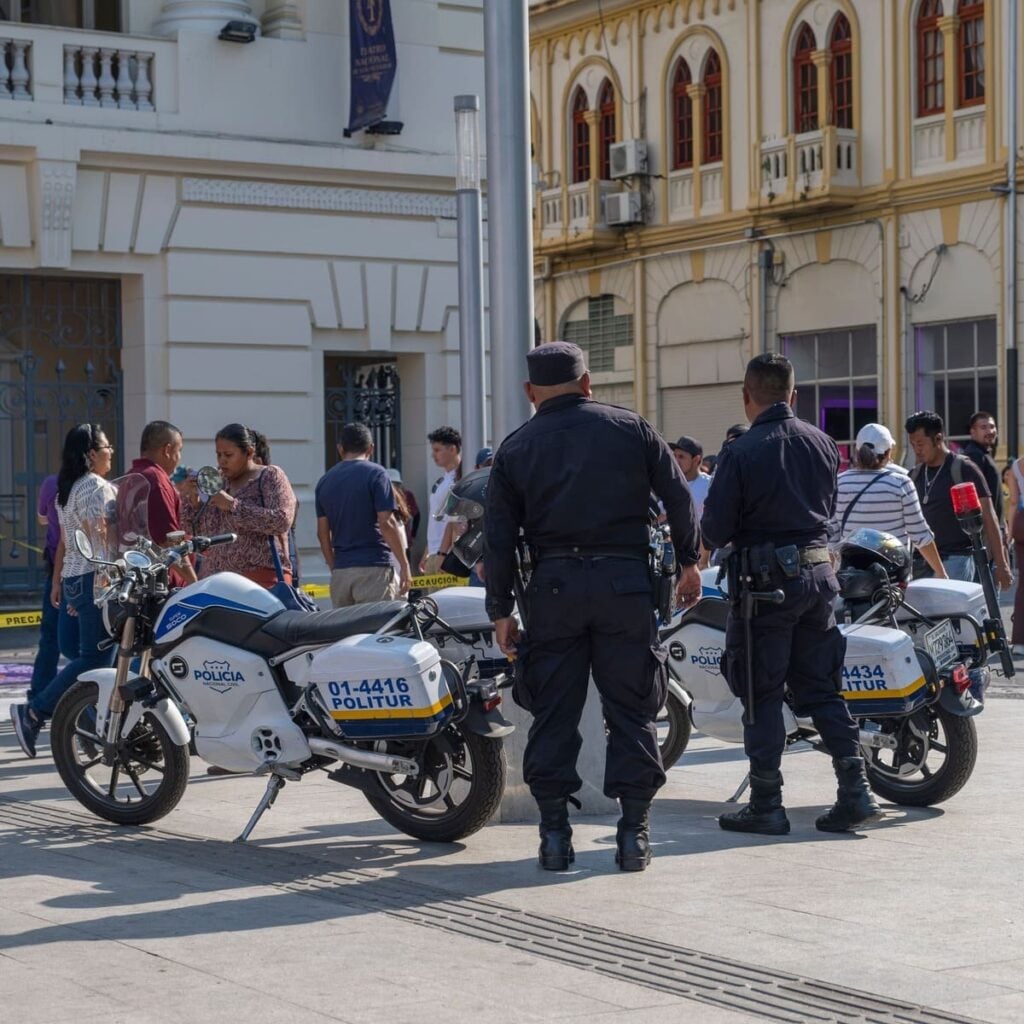
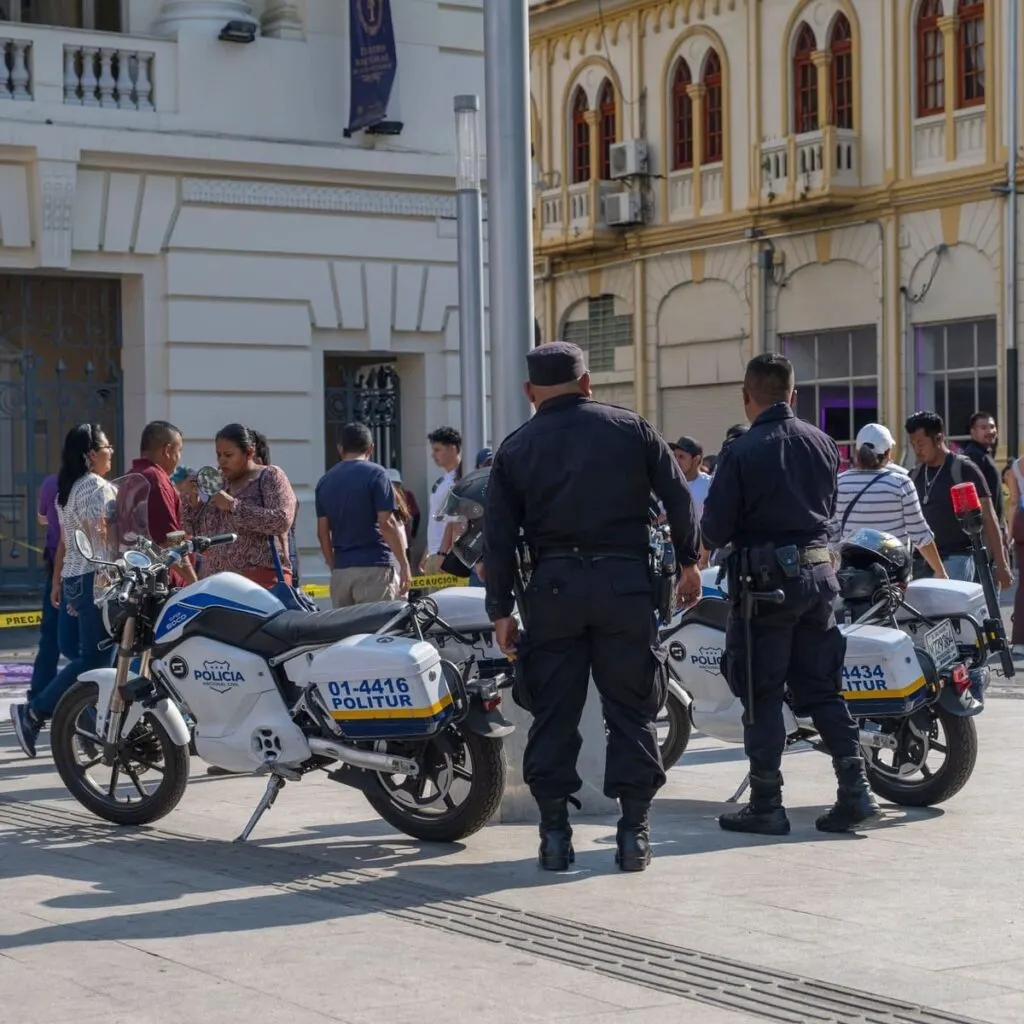
By comparison, Switzerland, one of Europe’s top kids for safety standards and welfare, has a murder rate of 0.6. El Salvador is quickly bridging the gap.
On the ground, this means no more armed attacks, or at least one drastically reduction thereof, home burglaries and gang wars.
The Europeanization of San Salvador
Moreover, the Bukele government is literally turning San Salvador, the national capital, into a city trip that is actually worth spending money on.
No more hanging wires between buildings, no more rubbish piling up, nor dodgy, cheap Josés looking at you funny because they’re an obvious gringo: San Salvador’s once glorious colonial core is being revitalized, with the addition of pedestrian-friendly zones, lamp-lit cobblestone streets and major infrastructure improvements.
You’ve probably seen it Before/after videos of it is doing the rounds on X. The simplest way to explain it is that this may be the first case of First Worldization ever seen in Latin America.
Cuadra por cuadra… a poco, but that is a hermoso. pic.twitter.com/uoiBfi7SqP
— Nayib Bukele (@nayibbukele) March 27, 2026
Maybe not the most politically correct statement to make, but not a little less truthful.
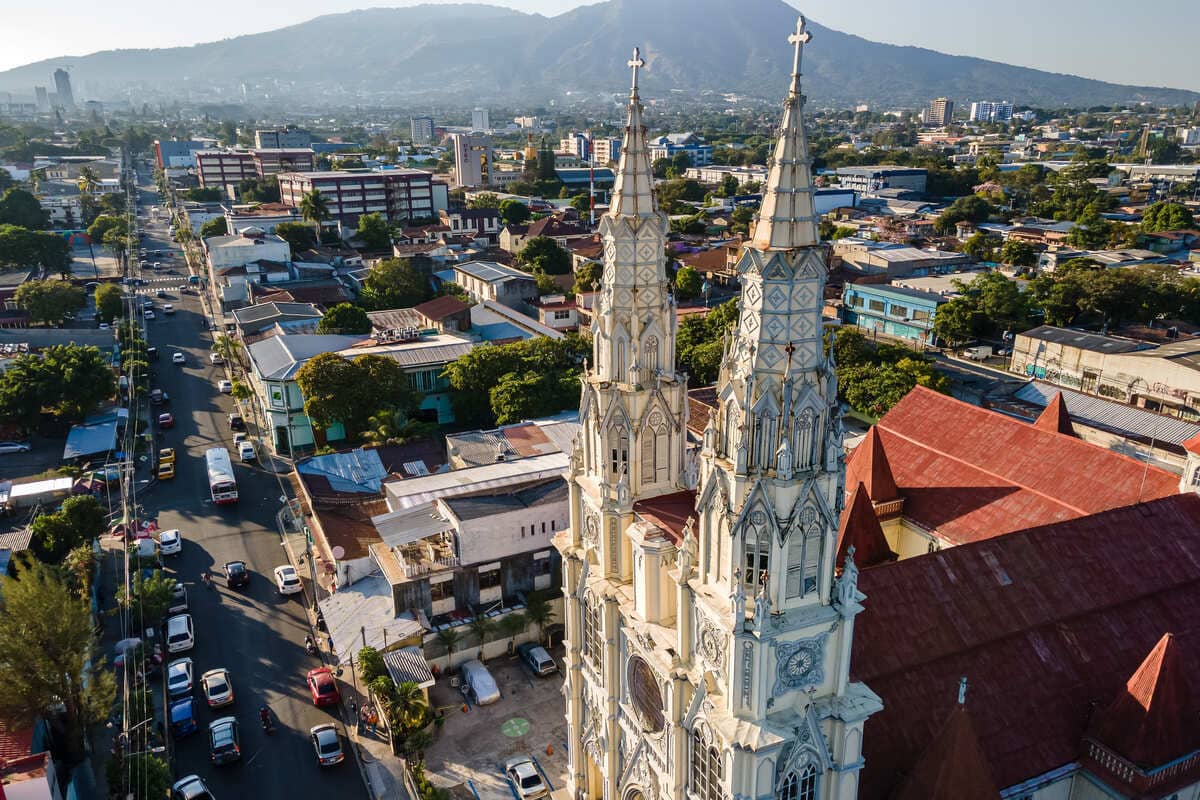
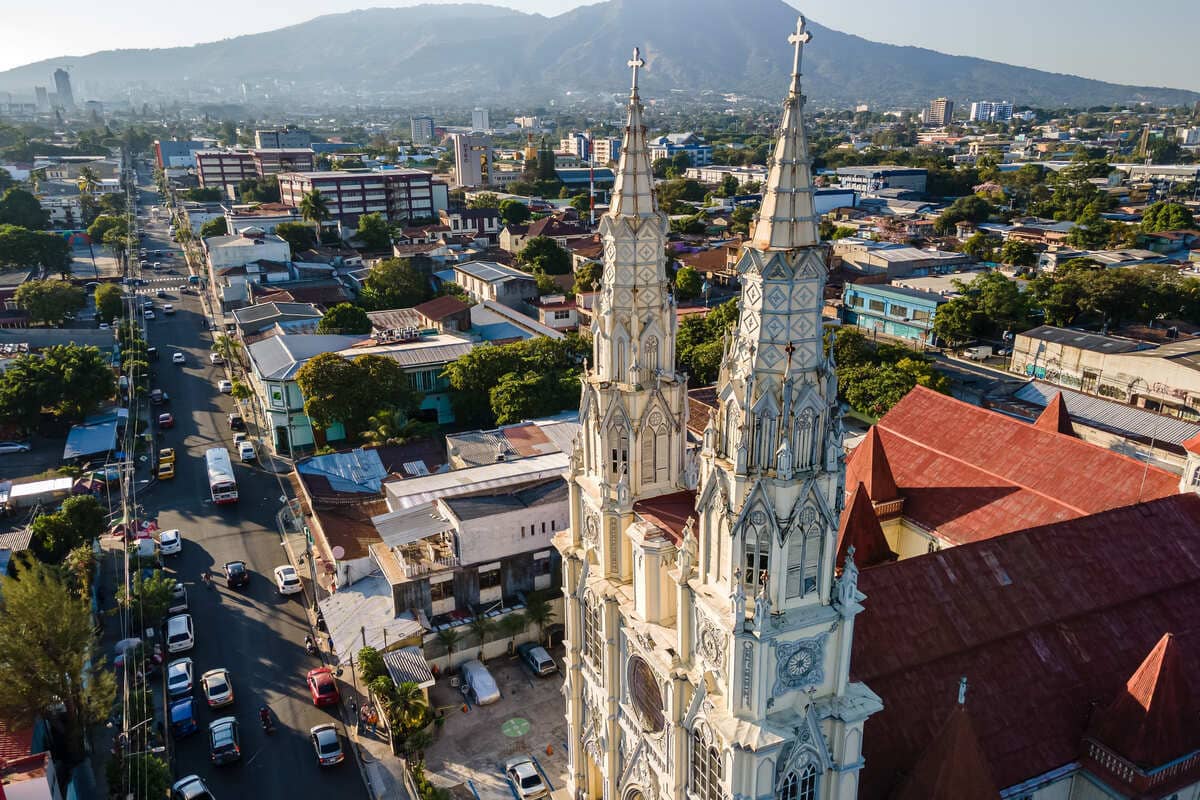
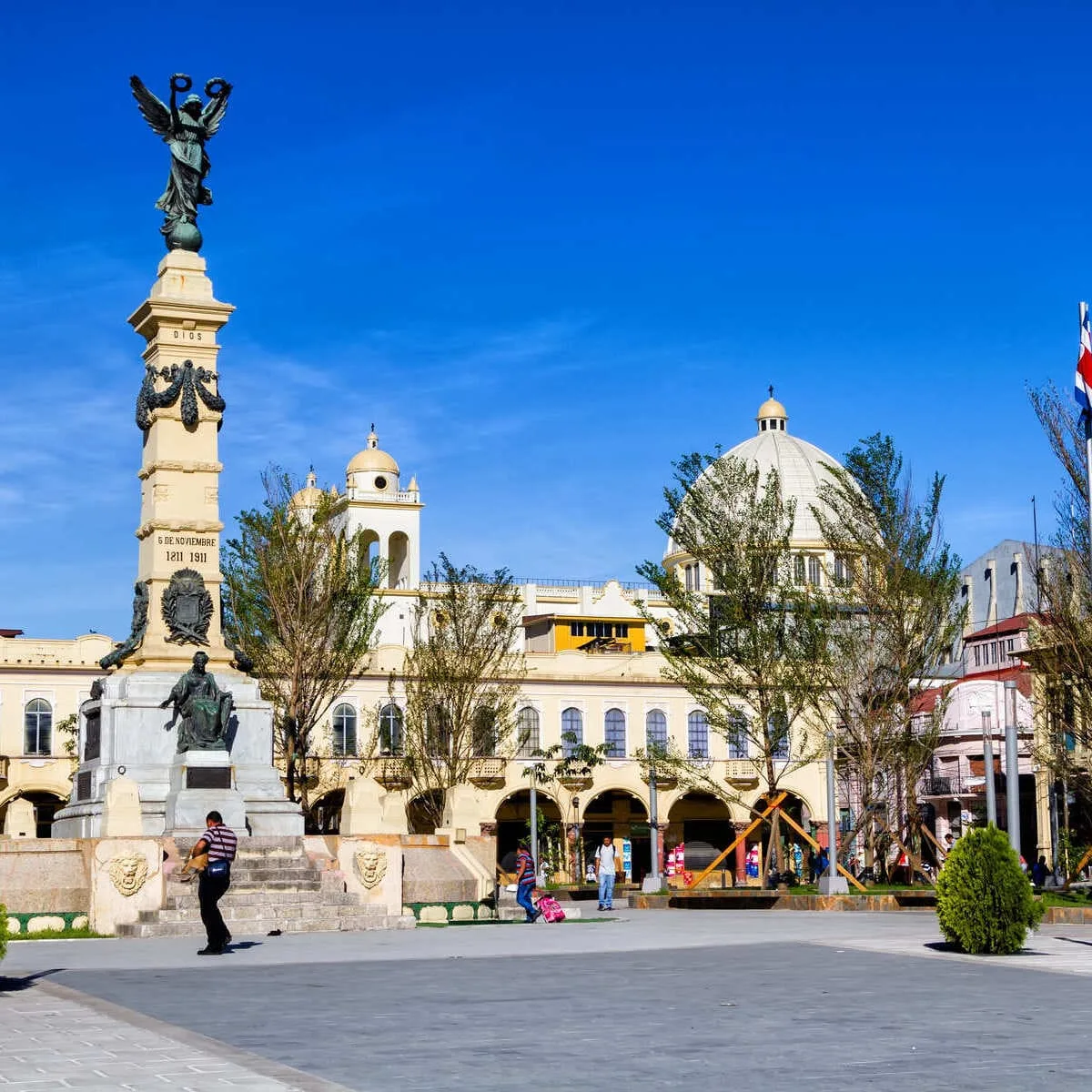
Millions of tourists are now heading to San Salvador to witness its rebirth firsthand, from the grandiose Metropolitan Cathedral, a neo-Gothic marvel that towers over the city center, to the restored National Palace and the green, sun-drenched Plaza Libertad.
Beautiful nature, virtually unspoilt
Like Costa Rica at one point, El Salvador also has a lot of potentialas far as nature is concerned, that has yet to be unleashed.
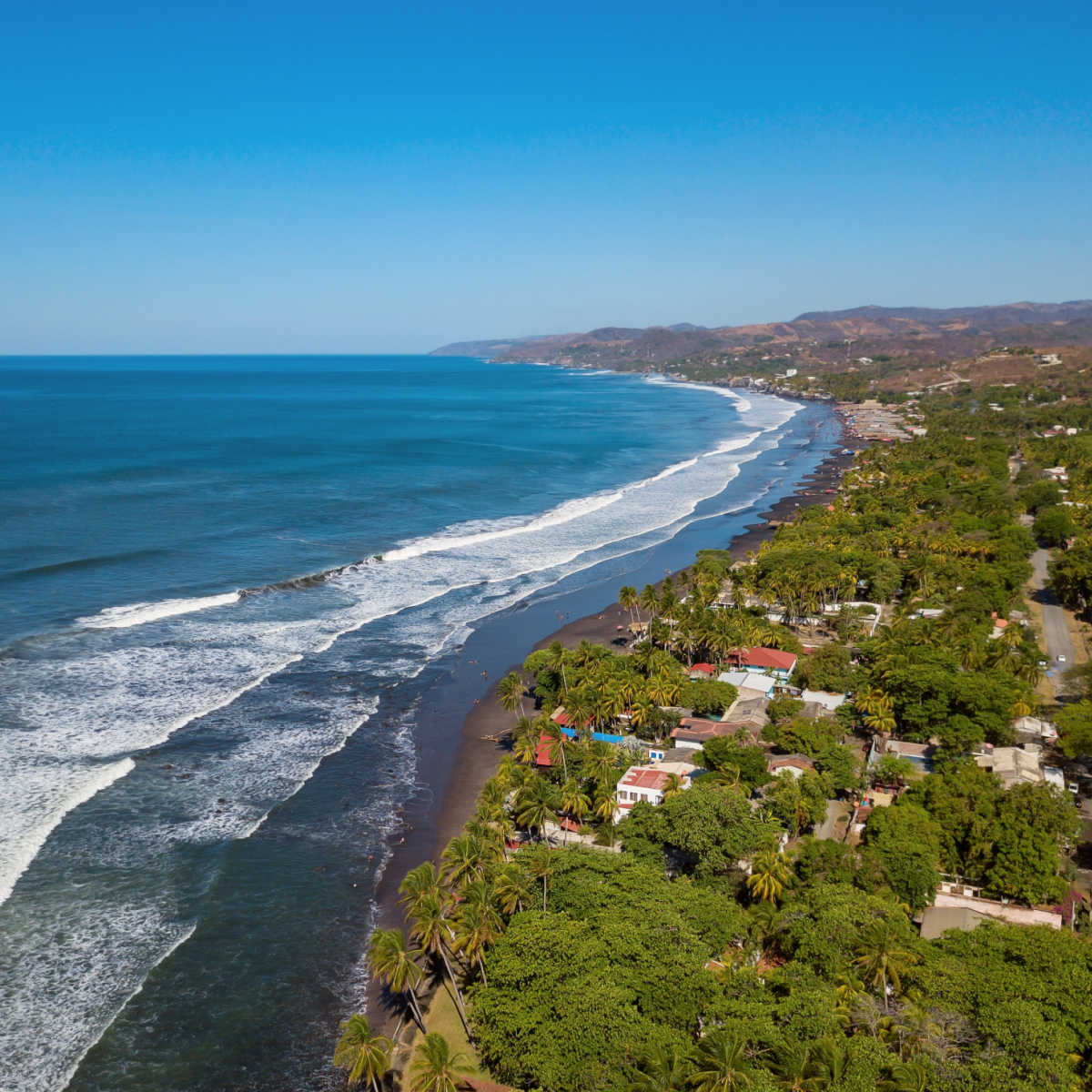
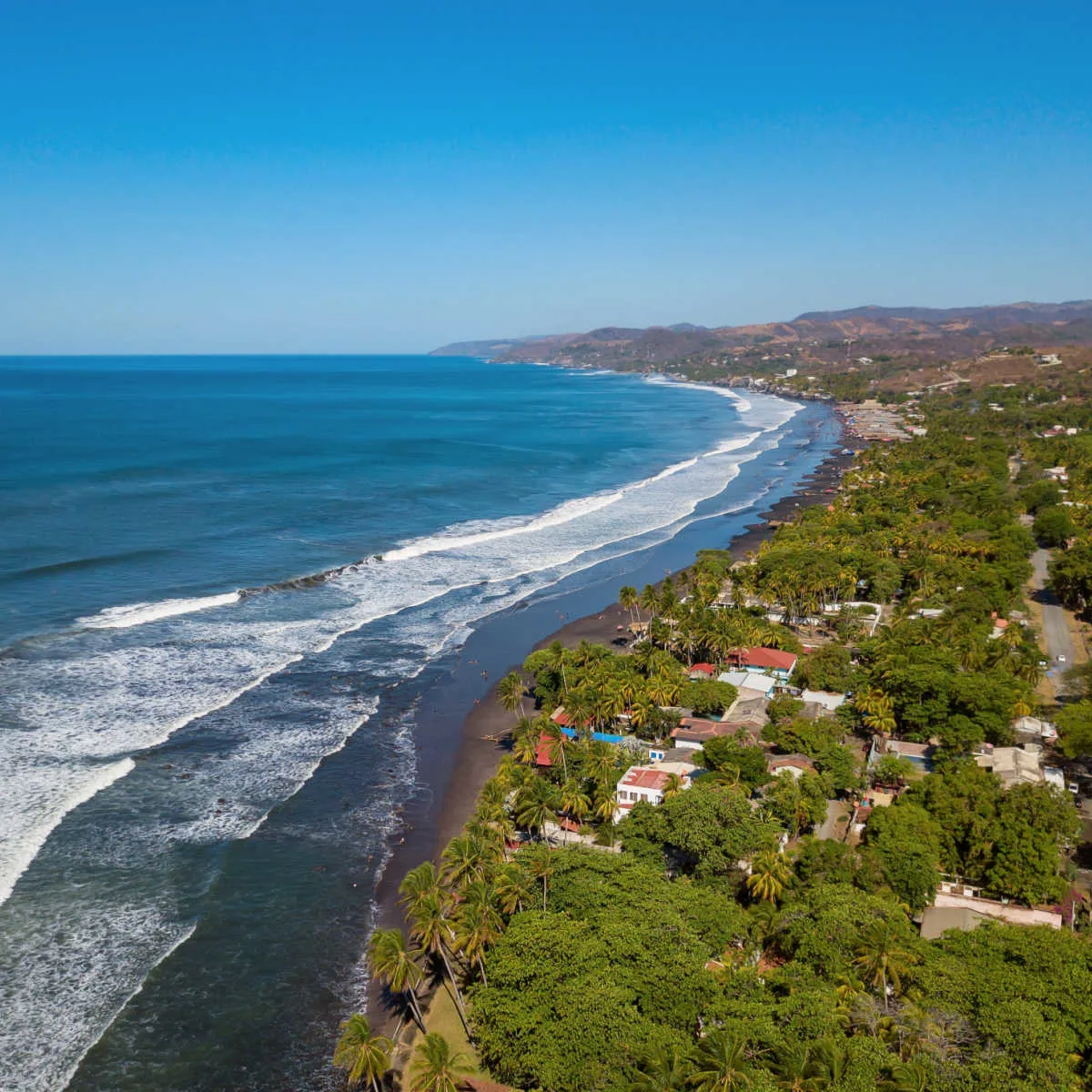
Along the Pacific coast you will find beautiful golden sandy beaches or even black volcanic beaches, backed by vibrant surfer towns that have recently become popular with European backpackers.

As for the main coastal junctions, La Libertad is probably the place to go right now: it boasts some of the best surf breaks in Central America, including Punta Rocaknown for its long waves, El Tunco, one of the most beautiful beaches in the entire country, and the relaxed atmosphere of a fishing village.
For the hiking enthusiasts, Santa Ana Volcano, or as it is known in the local indigenous language, Ilamatepec, offers breathtaking views of the crater, and a glassy, mirror-like lagoon that sits right in the middle.
Although less researched, The Izalco volcano is not to be missed: Called the Lighthouse of the Pacific, because of its constant, fiery lava shows, visible to ships far out at sea, and surrounded by lush jungle and historic coffee plantations.
For a more convenient and easier to reach spot, just outside of San Salvador, El Boquerón is still available another volcano with equally spectacular crater panoramas.
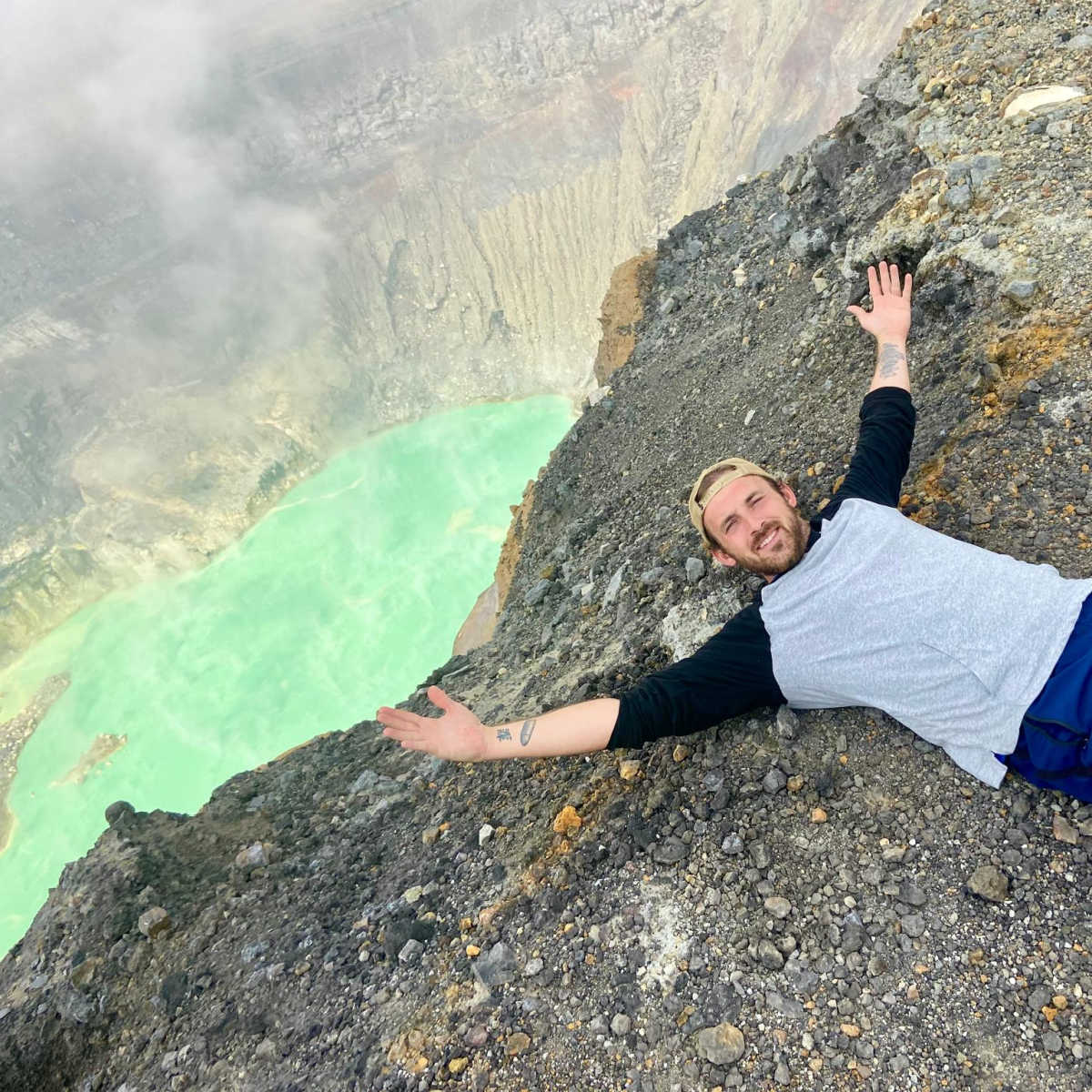
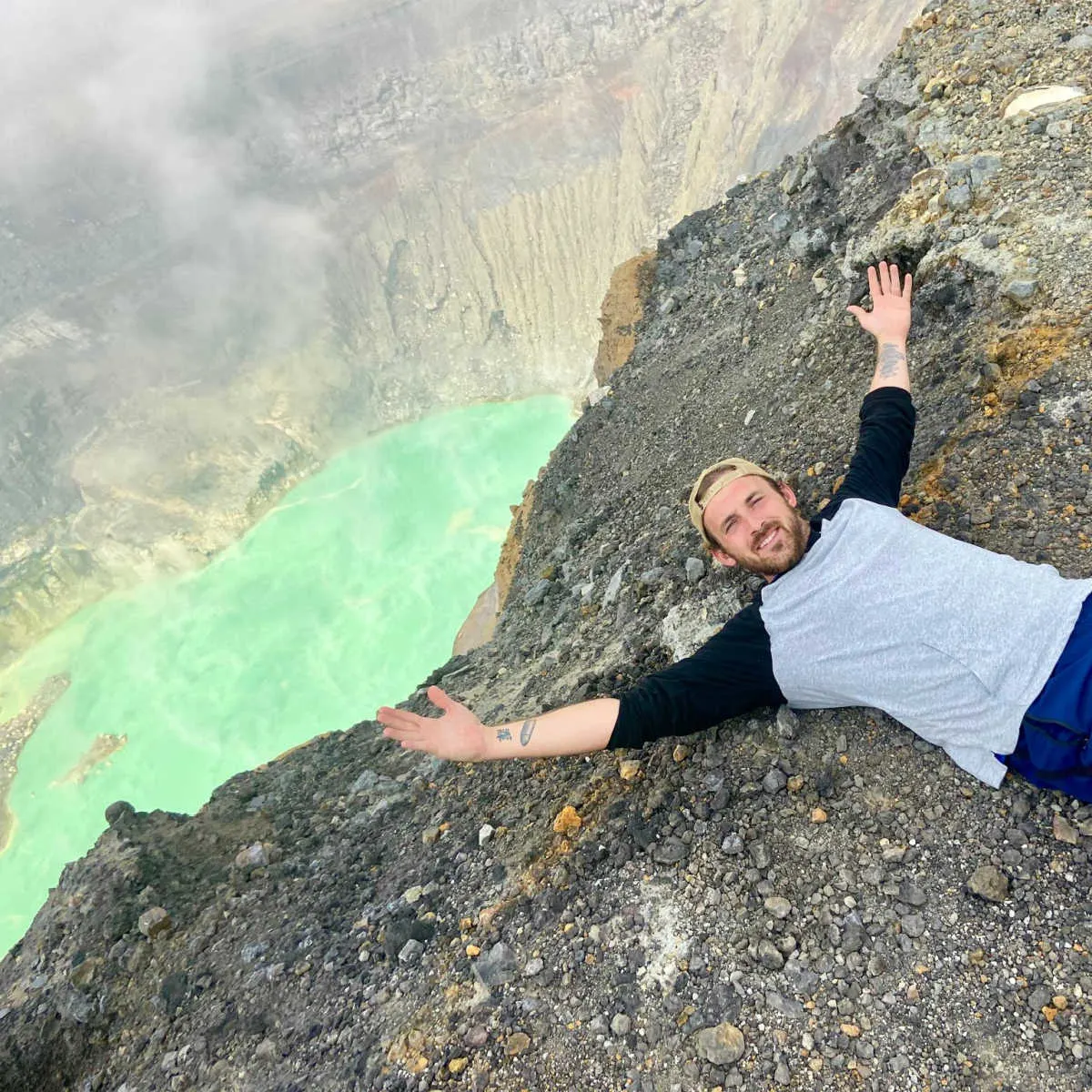
Looking for some of those cloud forests, with winding paths, views of multiple lava sources and rich wildlife? Cerro Verde National Park is located a short 45-60 minute drive from the cityin the western highlands, and it’s like a mini Costa Rica, except less developed and more off-road.
Just the way we like it.
Oh, and don’t forget Santa Ana, a picturesque town near the park, often described as the most beautiful in El Salvador. It is dominated by a Gothic cathedralone of the largest in Central America, and its colonial centre, dotted with colorful squares, centuries-old buildings and cobbled streets, is an absolute pleasure to wander around.
Fly non-stop to El Salvador
Americans can fly nonstop to El Salvador from 4 major US hubs:
- Houston (IAH) — 8-10 flights per day with Avianca, Frontier, United, Volaris
- Los Angeles (LAX) — 7-9 flights per day with Avianca, United or Volaris
- San Jose (SJO) — 7-9 flights per day with Avianca or Volaris
- Washington-Dulles (IAD) — 6-8 flights per day with Avianca, Frontier, United, Volaris
Before you take to the skies, make sure you have all your documentation for travel to El Salvador in order and check for current travel alerts, all in one place, on the Travel Off Path Traveler Dashboard.
As long as Bukele is at the helm of the ship, those dire Lat-Am-style travel warnings probably won’t appear anytime soon. Still… you never know.
For now, this is what El Salvador looks like:


