

Share the article
Spring is hands down my favorite time to visit America’s national parks. The crowds haven’t reached their peak yet, the weather is actually manageable, and… the landscapes transform completely.
If you’re planning a trip this year, I have big news: The National Park Service has finally ditched those pesky park-wide reservation systems for 2026 with timed entry in places like Yosemite and Arches. Instead, they are moving towards hyper-local micro-permits for specific busy routes.
This year also promises to be an absolutely legendary wildflower season. Thanks to some freak winter rains, the American Southwest is exploding with color, while the East Coast delivers its classic, dense forest blooms.
If you want to see the country’s best botanical shows this spring, here are the 5 parks you should prioritize, along with the new 2026 rules you should know before you go.
1. Death Valley National Park, California
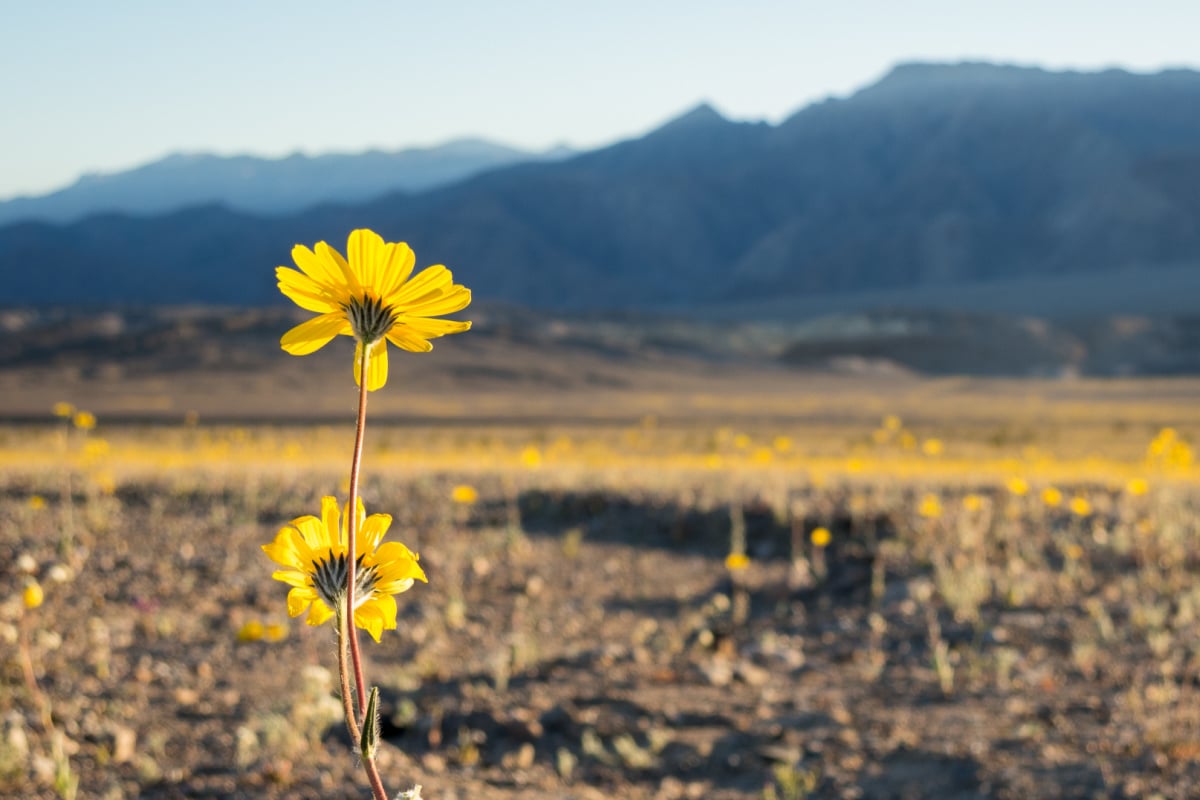
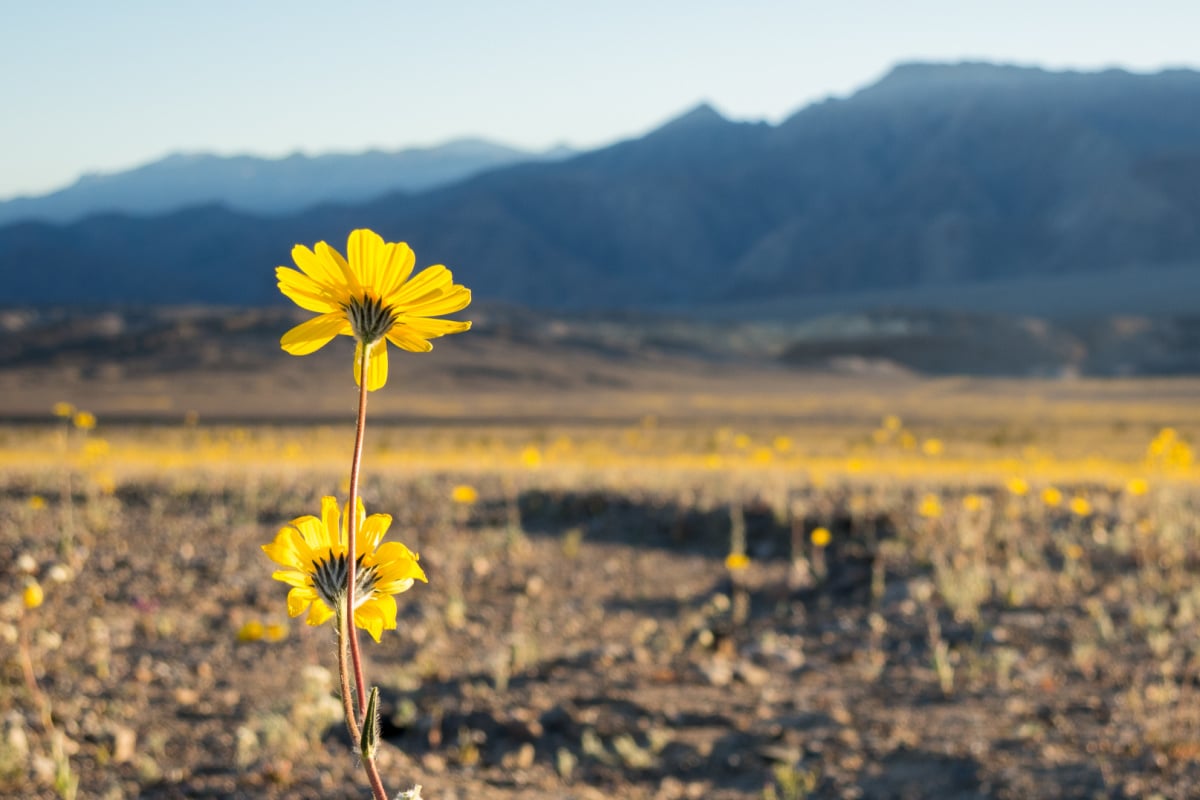
Ten-year-old Superbloom
Death Valley is the hottest and driest place in North America, but it is currently undergoing a spectacular transformation. Thanks to a massive winter flood (the park received 202% more rain than normal in just three months), the protective waxy layer on millions of dormant seeds dissolved. We are currently seeing the biggest ‘superbloom’ since 2016.
The atmosphere: The valley floor is completely covered in vibrant yellow Desert Gold and purple Phacelia. It provides a stunning contrast to the normally arid, salt-crusted landscape.
The strategy: You should stick to paved roads (Highway 190 and Badwater Road are your best bet). Under no circumstances should you drive your rental car off-road to get a better photo. The tire tracks crush the fragile desert crust and permanently destroy seed banks for decades to come. Also note that the Titus Canyon and Darwin Falls roads are completely washed out and closed during the season.
2. Saguaro National Park, Arizona
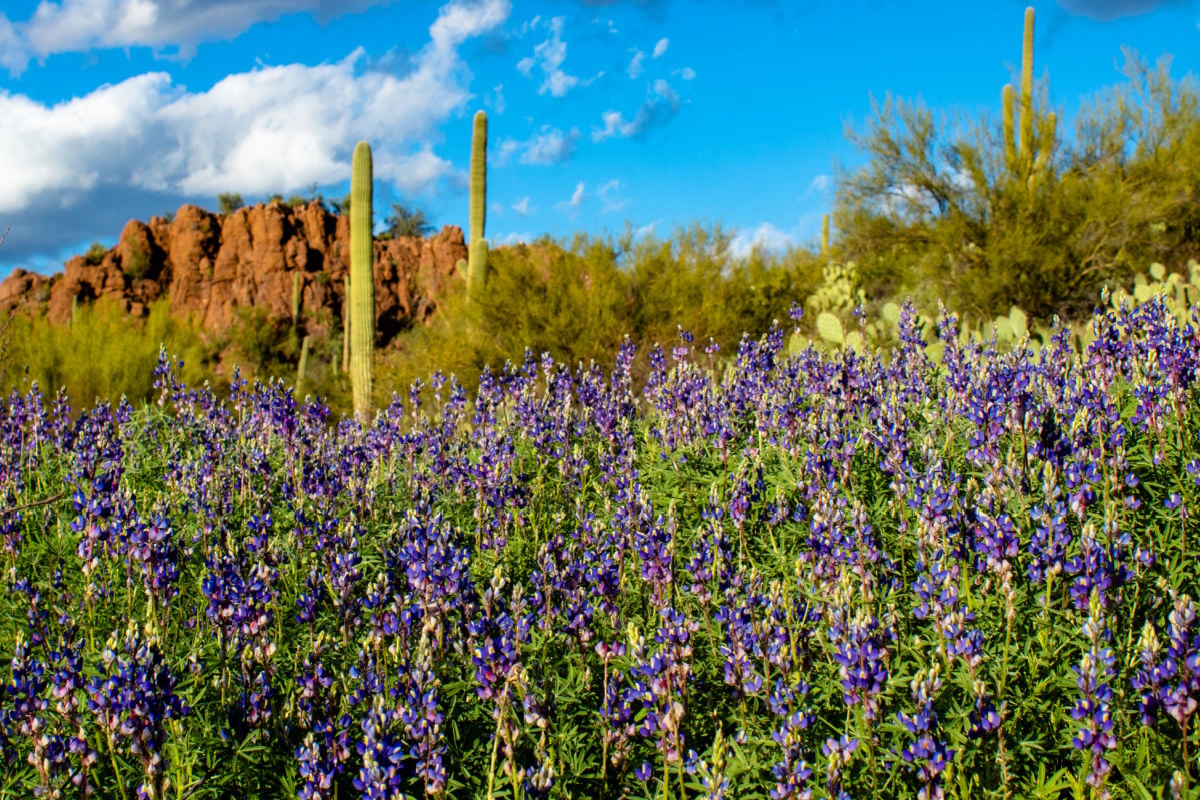
The Cactus climax
Saguaro is uniquely split down the middle by the city of Tucson into a western and an eastern district. Because the Sonoran Desert receives both winter rain and summer monsoons, it has an incredibly diverse bloom cycle that changes depending on when you arrive.
The atmosphere: At this time, the lower elevations are covered with bright Mexican gold poppies and desert lupines. But the real show takes place in May.
The strategy: Plan your trip for mid to late May to reach the peak. That’s when the park’s namesake, the giant Saguaro cacti, finally comes into bloom. They produce huge, creamy white flowers at the very top of their arms that open at night to attract bats and close at midday. It’s one of the coolest, most predictable ecological events in the Southwest.
3. Joshua Tree National Park, California
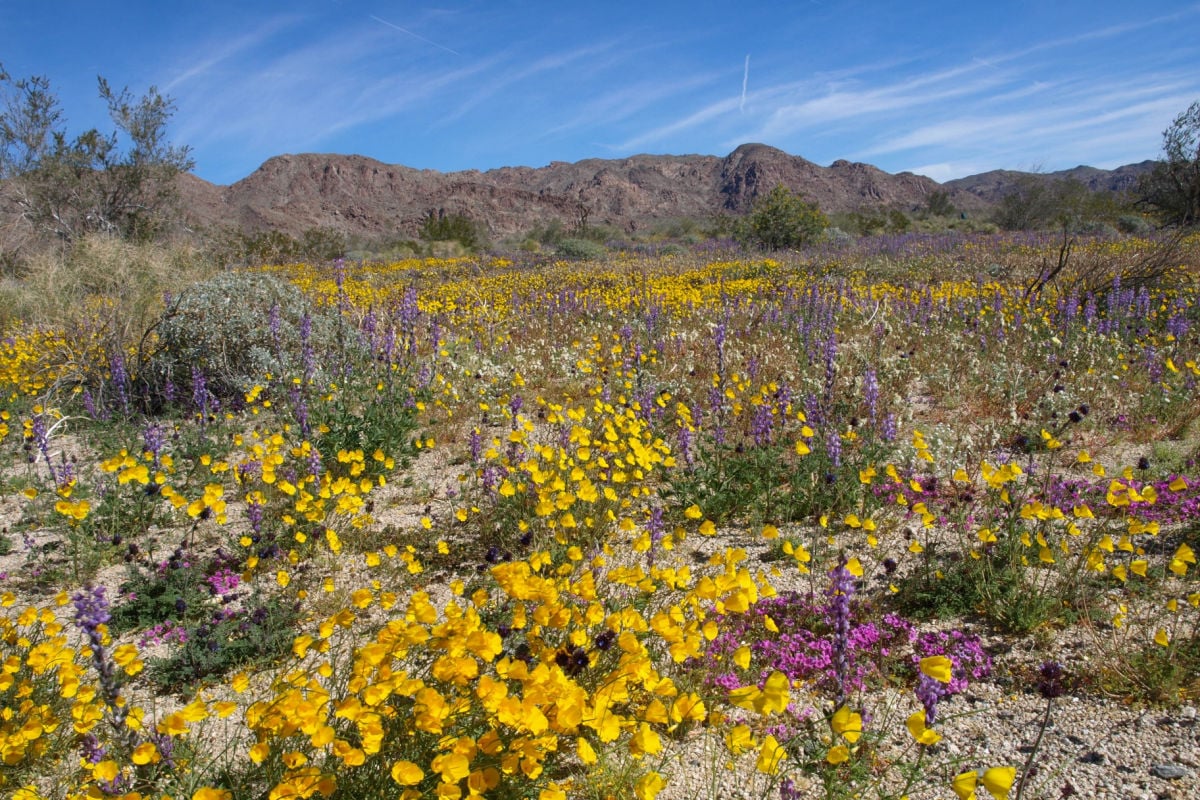
The height chaser
Joshua Tree is actually a huge slope where two different deserts collide. The Colorado Desert is low and hot in the south, while the Mojave Desert is high and cool in the north. Because of this difference in height, wildflower blooms literally creep into the mountains during the spring.
The atmosphere: You can chase the flowers. In March, you can hang out in the lower Pinto Basin to see the bright blue Desert Canterbury Bells. In April and May, head to the 4,000-foot marker around Jumbo Rocks to see the real Joshua Trees surrounded by yellow Brittlebush.
The strategy: If you go hiking, stick strictly to the path. The dirt here is held together by a ‘cryptobiotic crust’: a living layer of bacteria and moss that anchors the sand. If you step on it, you will immediately destroy decades of growth. Also note that the popular 49 Palms Oasis trail will be closed on weekdays this spring due to trail repairs.
4. Great Smoky Mountains National Park, Tennessee/North Carolina
The forest race
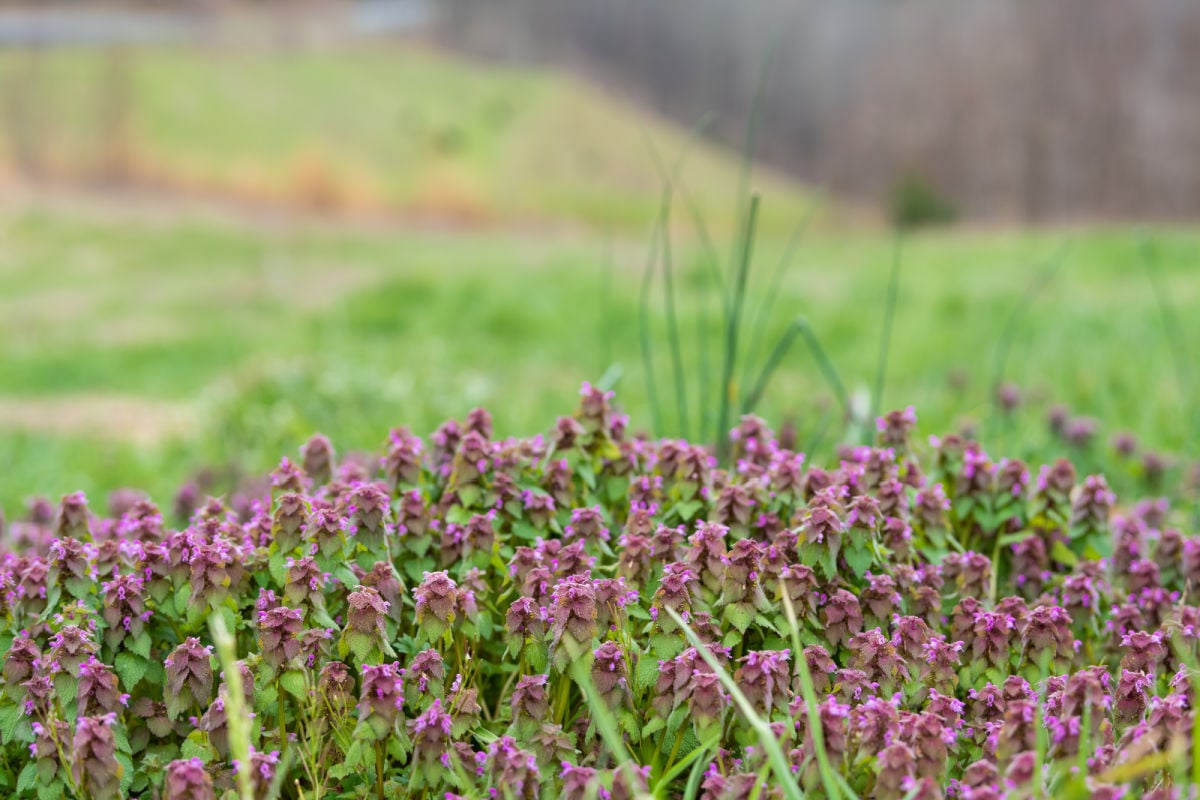
With more than 1,500 species of flowering plants, this is officially the ‘Wildflower National Park’. The dynamics here are completely different than in the desert. The flowers in the Smokies are in a frantic evolutionary race to bloom, get pollinated and drop their seeds before the massive oak and maple trees fail and block all sunlight from reaching the forest floor.
The atmosphere: Walking the lower trails (like Porters Creek) in April feels like a fairy tale. The ground is covered with white Trilliums, Spring Beauties and Bloodroot.
The strategy: You have to know the new “Park it ahead” rule by 2026. While entering the park is still free, you now absolutely need to purchase a $5 per day parking ticket if you want to park your car anywhere for more than 15 minutes. You cannot use your annual America the Beautiful pass for this. Also check your walking routes; Hurricane Helene washed away several bridges on the Caldwell Fork and Boogerman trails.
5. Shenandoah National Park, Virginia
The skyline gradient
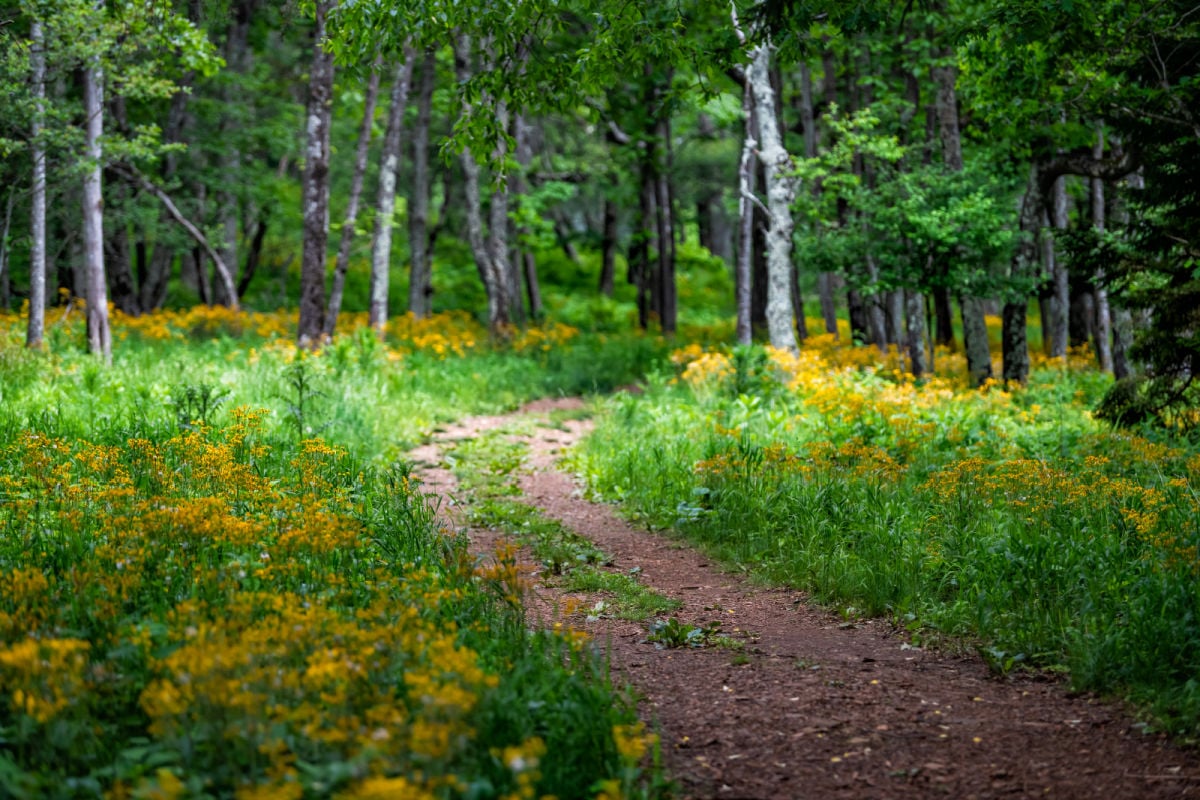
Shenandoah is defined by Skyline Drive, a 105-mile paved road that runs directly along the spine of the Blue Ridge Mountains. Because the road is high, but the hiking trails dive deep into the valleys, you can essentially travel back and forth through the spring season just by changing your elevation.
The atmosphere: In April, the lower river valleys are awash with nodding Virginia Bluebells. In May and June, the higher elevations along Skyline Drive explode with mountain laurel and wild azaleas.
The strategy: If you want to hike the iconic Old Rag Mountain, you’ll need to plan ahead. Shenandoah has implemented a strict micro-permitting system for this particular trail to stop overcrowding. You must purchase a $2 day pass at Recreation.gov in advance. The trail holds a maximum of 800 people per day, and there is no cell service at the trailhead, so you won’t be able to purchase it when you get there.


