

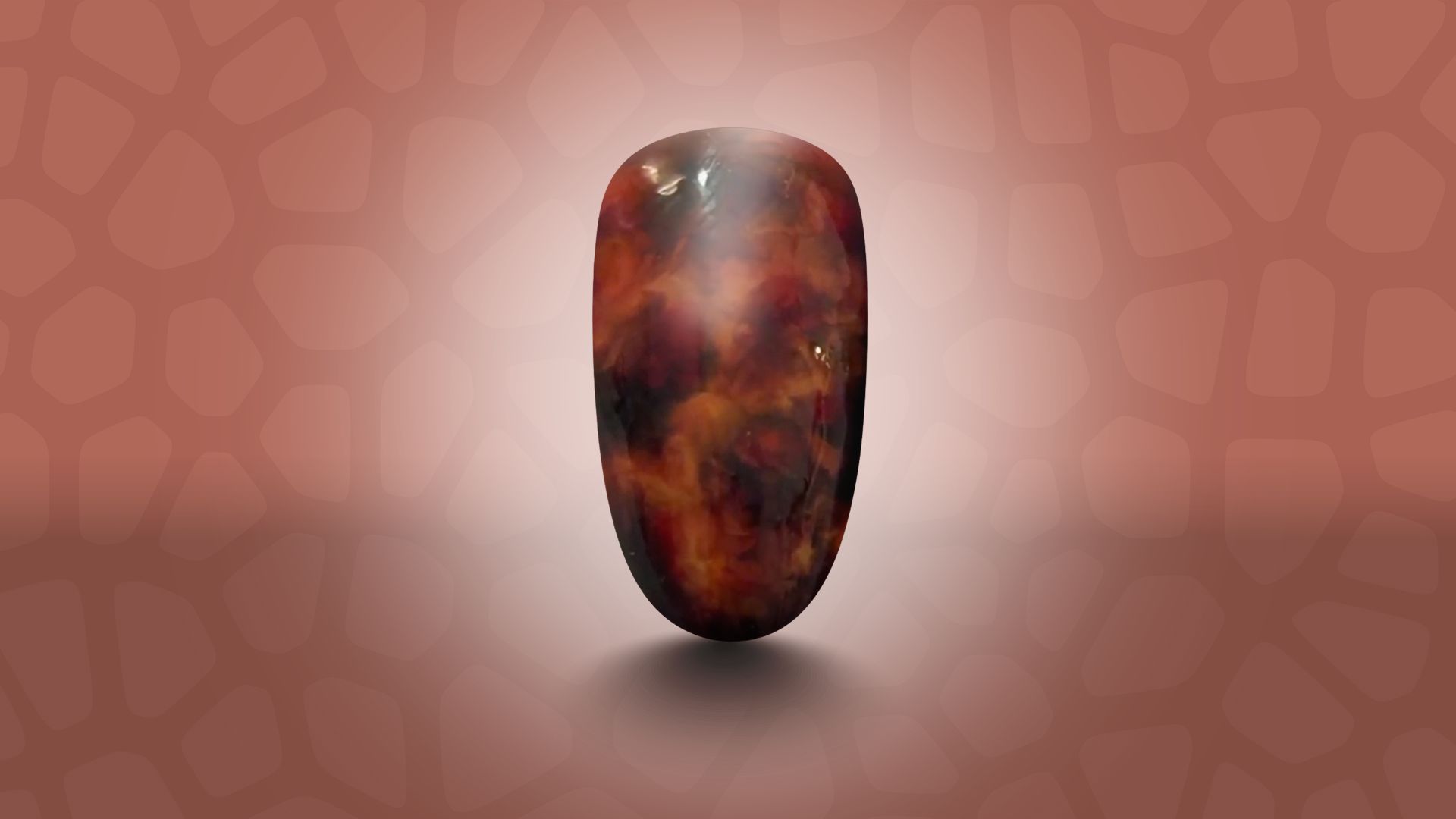
What are tortoiseshell nails?
Some nail aesthetics feel like a moment. Tortoiseshell nails feel like a mood. Rich, warm and endlessly wearable, the tortoise nail aesthetic is based on one of the most iconic patterns in fashion history, and is currently experiencing a serious revival. Whether you’ve seen the look on Pinterest boards, in high-fashion editorials, or on the fingers of your favorite influencers, tortoiseshell nails are everywhere. And honestly? They deserve all the attention.
At its core, the tortoise pattern mimics a tortoise’s natural color: layered amber, deep brown, honey gold and warm caramel, fused together in organic, irregular spots. No two turtle designs look exactly the same.
That unpredictability is part of the charm.
A pattern with a long history
Turtle shell as a decorative material dates back centuries. In the 17th and 18th centuries, real tortoiseshell (harvested from hawksbill turtles) was prized for combs, jewelry and accessories. It was a luxury material, synonymous with wealth and refinement. When international wildlife laws banned the trade in the 1970s, the fashion world turned to synthetic imitations. However, the pattern itself has never lost its prestige.
In the 1980s and 1990s, tortoiseshell frames on glasses became a style shorthand for intellectual cool. The pattern appeared on handbags, scarves and hair accessories every decade that followed.
So when tortoiseshell landed firmly in the nail world, it was no surprise. It was an inevitability.
Why the Tortie Nail aesthetic is trending right now
The tortoiseshell nail aesthetic has been quietly building up for a few years, but in 2025 it has come into full bloom. Search interest in tortoiseshell nails exceeds 8,000 monthly searches, and that number continues to rise. So what drives it?
Part of the answer is the broader shift toward warm, earthy tones in beauty and fashion. We’ve moved from stark white and cool minimalism to richer, more grounded palettes. Browns, terracottas, ambers and caramels dominate catwalks, interiors and beauty looks. Tortoise is perfect for this moment because it is essentially a celebration of those warm tones.
There’s also a quiet luxury angle to the game. Tortoise reads as lofty without being flashy. It’s the kind of nail look that works just as well in a boardroom as it does at a dinner party.
That versatility is exactly what modern nail wearers are looking for.
The color palette that makes it work
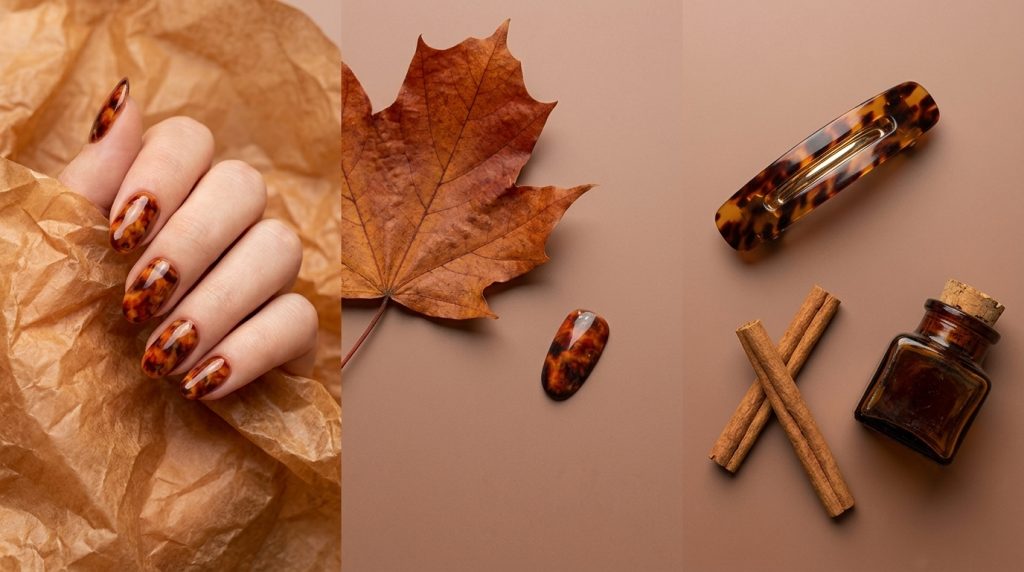
Understanding the aesthetics of tortoiseshell nails means understanding their colors. The classic palette focuses on:
- Deep espresso brown as the anchor tone
- Warm amber and honey for midrange
- Caramel and golden beige as lighter accents
- Occasional flashes of almost black for depth and contrast
These shades flow into each other instead of sitting in blocks with hard edges. The result looks almost translucent in places, with depth building where the tones overlap. This layered quality gives turtle its distinctly luxurious appearance.
Modern interpretations also expand the palette. Some nail artists introduce terra cotta and rust into the mix for an autumnal touch. Others use warm olive green or deep burgundy to create their own signature twist. The aesthetic is flexible enough to accommodate all these variations without losing its identity.
Turtle Nail Art Ideas: Shapes and Styles
One of the reasons why tortoiseshell nail art ideas translate so well to different wearers is that the aesthetic suits almost any nail shape. However, some shapes suit the look particularly well.
Almond and oval nails give the pattern a soft, feminine quality. The curved tip reflects the organic flow of the mixed notes. Coffin and square shapes, on the other hand, provide a more editorial touch. The structured silhouette provides an interesting contrast to the flowing, unpredictable pattern.
Short nails also work beautifully. A micro turtle motif on a shorter square or round nail can look incredibly chic, almost like a piece of jewelry. You don’t need height to wear this look.
Blooming tortoiseshell nails: the gel technique that changes everything
If the tortoise aesthetic has a crown jewel right now, it’s the blossoming tortoise technique. Nail artists call it blooming tortoise, and it uses the specific properties of gel to create that soft, watercolor-like blend that makes tortoise so distinctive.
Unlike hand-painted nail art, the blooming technique works with the gel itself. Nail artists place colors on a wet gel base and allow them to spread and blend into each other naturally. The result is a feathered, organic pattern that seems almost impossible to achieve intentionally. That’s exactly why it looks so impressive.
Turtle gel nails created this way have a depth and translucency that other application methods simply cannot reproduce.
This is part of the reason why the blooming tortie technique has become a favorite for nail artists who want to offer something that photographs beautifully and wears elegantly.
Vogue has documented the tortoise pattern’s continued fashion influence on accessories, eyewear and beauty, indicating how embedded this aesthetic is in the wider culture, and not just in nail trends. You can read more about the fashion range of the turtle trend on Vogue.
Is Blooming Tortie suitable for beginners?
Simple tortoiseshell nail designs exist, and the blooming gel method is actually more forgiving than it seems. Because the technique relies on the gel to do some of the work for you, small imperfections tend to disappear into the overall pattern.
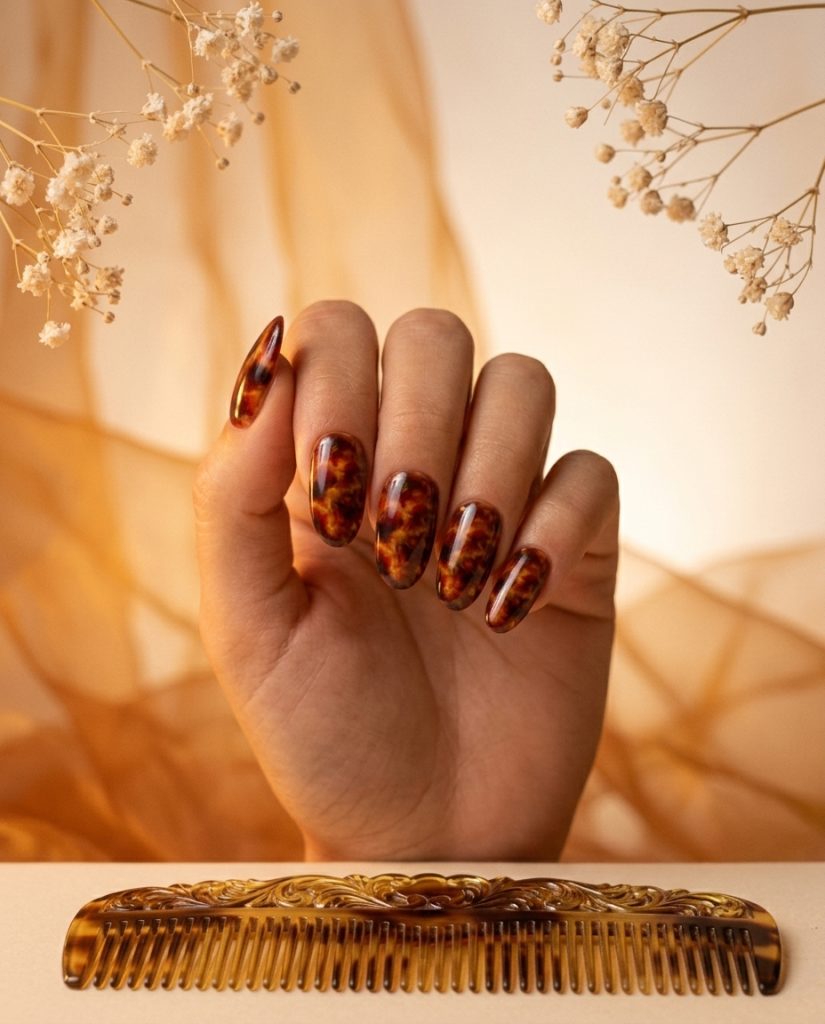
Timing is important. Color placement is important. The consistency of the gel is important. Getting all these elements right is what sets a muddy result apart from a truly stunning tortoiseshell finish.
Although the blooming tortie look may seem effortless, achieving those beautifully soft edges and rich, layered shades requires an understanding of gel behavior and color placement. Knowing how experienced nail artists approach the technique turns a good result into a truly beautiful result.
If you want to master the blooming tortie technique, MyNailEra’s tutorials are taught by award-winning nail artists who explain exactly how the gel behaves and why. Era, your personal nail coach, is there to support you every step of the way. Head over to MyNailEra and find out what the technique really looks like when done right.