


Keeping up with the travel world can feel like a full-time job, with safety situations changing on the fly. One of the most important tools for any savvy traveler is the U.S. State Department’s travel advisories, but let’s face it: the official language can be dense, confusing, and difficult to read.
Hereby Travel off the pathour job is to cut through the noise and give you a realistic overview of what these updates actually mean for you. This isn’t about fear mongering; it’s about giving you the information you need to travel smarter and safer.

The State Department has been busy issuing a series of updates for seven countries, from popular European hotspots to more off-the-beaten-path destinations. This follows an important update for Mexico earlier this year, when the US government add specific warnings about risks in certain regions.
So, what are the latest changes to have on your radar? Let’s break it down.
Ecuador
- Advisory level: Level 2: Be extra careful
- Updated: October 14, 2025


The bottom line is: Ecuador remains at “level 2” but this update adds “Terrorism” as a new risk and gets very specific about which areas to avoid. This is not a warning not to go for the whole country, but a strong message of ‘be smart’ and ‘be aware’, especially if you plan to go off the main tourist route.
What actually happens? Crime is a widespread problem, and the advisory now highlights specific “Do Not Travel” zones due to crime and terrorism linked to the drug trade. These include parts of Guayaquil and several cities and provinces near the border. For tourists, the key takeaways are:
- Please note that demonstrations can block major highways without warning.
- If you plan to cross from Colombia or Peru by land, you now need an apostille certificate of criminal record.
- The advisory lists several provinces under the ‘Reconsider travel’ warning, so check your itinerary carefully.
Maldives
- Advisory level: Level 2: Be extra careful
- Updated: October 7, 2025


The bottom line is: For a destination known for its serene overwater bungalows, seeing a “terrorism” risk can be shocking. This “Level 2” advice means that although the Maldives is generally safe, travelers should be aware of the possibility of violence.
What actually happens? The State Department warns that terrorist groups can target tourist sites, transportation hubs and markets with little to no warning. The advisory notes that attacks could occur even on remote islands, which could lengthen authorities’ response time. The key advice here is to maintain a high level of situational awareness, especially in busy public areas.
Equatorial Guinea
- Advisory level: Level 2: Be extra careful
- Updated: October 7, 2025
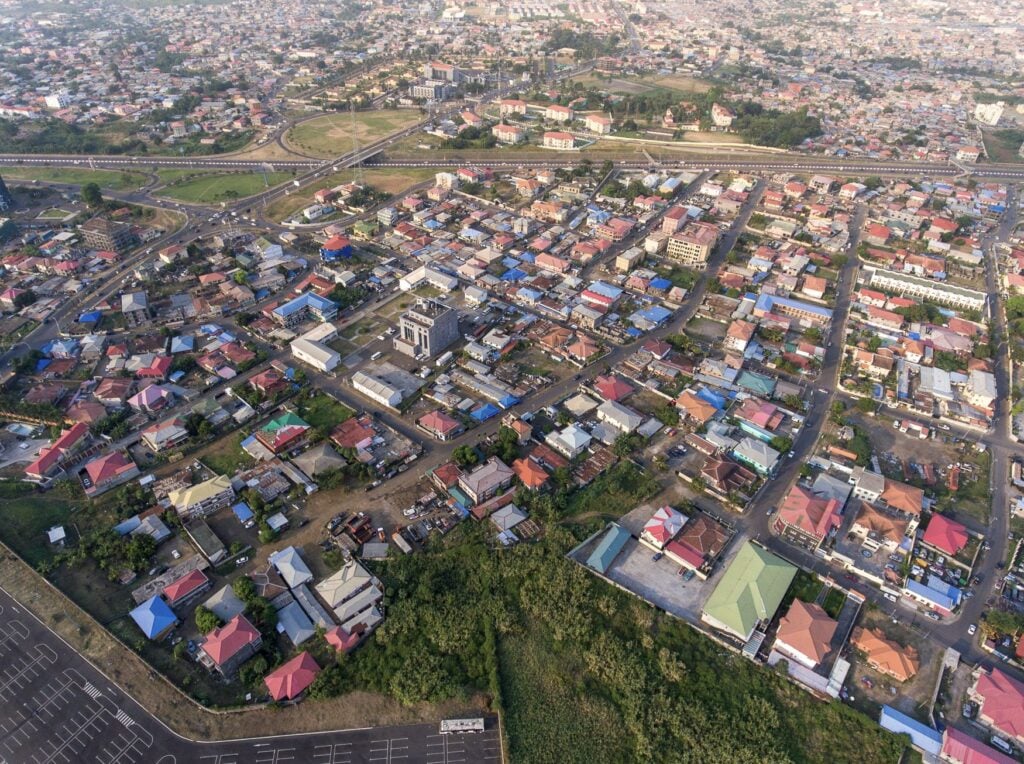
The bottom line is: This “Level 2” advice has been updated with a warning about the ‘arbitrary enforcement of laws’. In plain English, this means that travelers are at risk of harassment and detention by local authorities for no apparent reason.
What actually happens? In addition to the risk of arbitrary detention, the advice points to common petty crime and extremely limited medical services. The US government’s advice is clear: keep a low profile, don’t show signs of wealth and always carry your passport and visa with you to avoid complications at checkpoints.
Croatia
- Advisory level: Level 1: Practice normal precautions
- Updated: October 9, 2025


The bottom line is: Croatia is still at the safest ‘level 1’ but this update adds a very important and specific warning for travelers who venture off the beaten path: landmines.
What actually happens? Although the popular coastal areas and towns are completely safe, approximately 24.5 square kilometers of the country, especially in the Counties Karlovac and Lika-Senjcould still contain unexploded landmines from previous conflicts. These areas are usually located in dense forests and rugged terrain and are marked with international warning signs. The government expects to be completely demined by 2026, but for now it is a crucial risk to take into account if you plan to hike inland in those specific regions.
Romania & Bulgaria
- Advisory level: Level 1: Practice normal precautions
- Updated: October 14 and 9, 2025


The bottom line is: This is good news. Both Romania And Bulgaria their “Level 1” advisories have been revised and reissued with no changes to their risk levels.
What actually happens? When the Ministry of Foreign Affairs reissues an advisory without changes, it means that they have assessed the current security situation in the country and determined that the existing advisory remains valid. For travelers this is a sign of stability. It confirms that both countries remain among the safest destinations you can visit, with the only notable risk for Romania being the possibility of earthquakes.
Sudan
- Advisory level: Level 4: Do not travel
- Updated: October 15, 2025
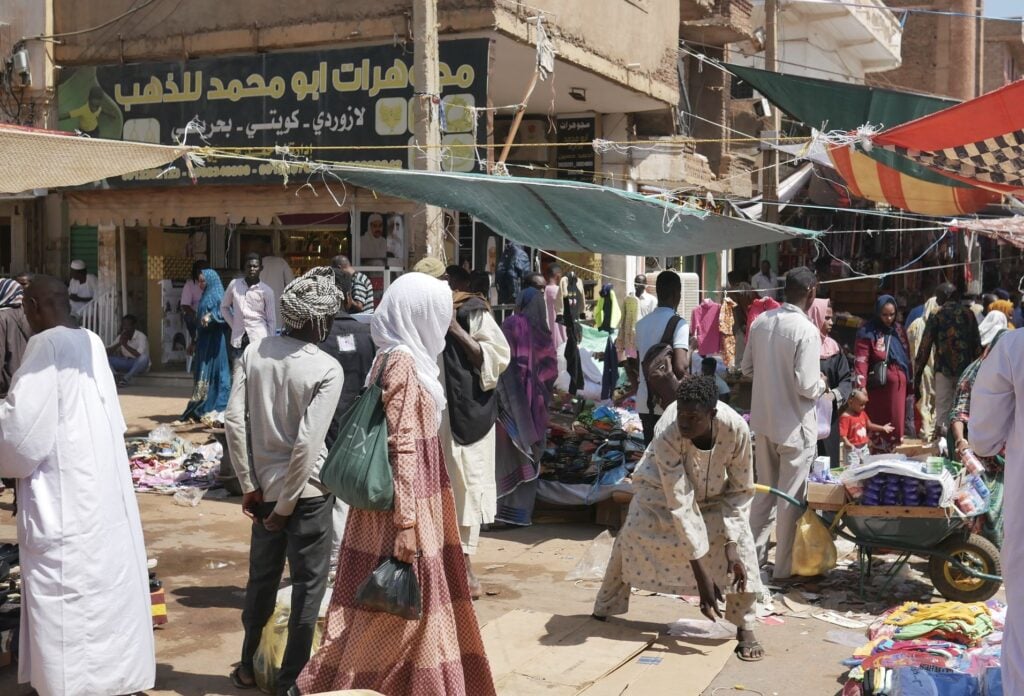
The bottom line is: The situation in Sudan remains extremely dangerous. This is not a new ‘Do Not Travel’ warning, but an update to an existing warning, which reinforces the seriousness of the situation. The US Embassy in Khartoum has suspended operations in April 2023, meaning if you run into trouble, the US government cannot provide emergency services. You’re on your own.
What actually happens? Armed conflicts, including heavy fighting, continue across the country, especially in Khartoum and the Darfur region. The international airport is closed and crime, including kidnapping, armed robbery and carjacking, is rampant. The State Department also added “Health” as a risk indicator, noting that medical services are extremely limited and even minor problems could require a costly medical evacuation.
Latest US travel advisories
Get a quick, easy-to-understand overview of what you really need to know about the latest State Department warnings.
Level 4: Do not travel
• The US Embassy is closed and no emergency services are available to citizens.
• Widespread armed conflict and violent crimes, including kidnappings.
Level 2: Be extra careful
• A “Terrorism” risk has been added, identifying specific “Do Not Travel” zones in the country.
• Widespread crime and the risk of kidnapping are ongoing concerns.
Level 2: Be extra careful
• The advice has been updated with a specific warning on the risk of terrorism.
• Terrorist groups can target tourist locations, even remote islands.
Level 2: Be extra careful
• Advice updated to warn about the “arbitrary enforcement of laws”, which poses a risk of harassment or detention.
• Frequent petty crime and very limited medical services also pose risks.
Level 1: Practice normal precautions
• Still at the safest level, but now includes a warning about this landmines in specific, marked provinces in the interior.
• Popular coastal areas and cities are not affected.
Level 1: Practice normal precautions
• Good news: The guidance was revised and reissued with no change in risk, indicating continued stability.
Level 1: Practice normal precautions
• More good news: Like Romania, Bulgaria’s safest “Level 1” advisory has been revised and reissued without changes.
Navigating the world of travel advisories can be confusing, but it’s an essential part of planning any international trip. To make it easy, Travel off the path has its own simple 1 minute trip checkwhere you can find official travel advisories and entry requirements for any destination in seconds.
Travel safely!
Subscribe to our latest posts
Enter your email address to subscribe to the latest Travel Off Path breaking travel news, delivered straight to your inbox.


