

Share the article
There’s a specific feeling you get when you step off a plane abroad and realize that you can actually let down your guard. It’s not about being reckless or ignoring your surroundings; it’s that rare, weightless feeling when the feeling of ‘something doesn’t feel right’ is gone. You don’t constantly hold your passport in your hand, you don’t look behind you on every corner and you don’t worry about whether you can walk to that highly regarded restaurant in the evening.
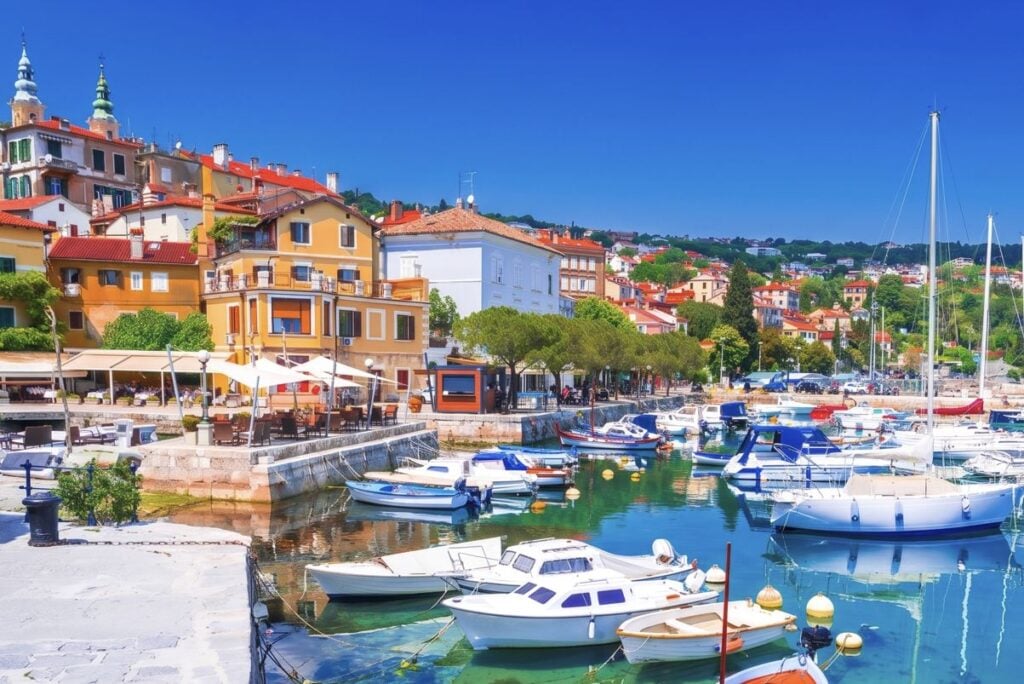
For thousands of Americans heading to Europe this summer, that’s a feeling of total ease exactly what they will find in Croatia. From May 18, 2026the US government has officially confirmed this Croatia remains at level 1 travel advicethe safest possible ranking, meaning travelers are encouraged to take normal, everyday precautions.
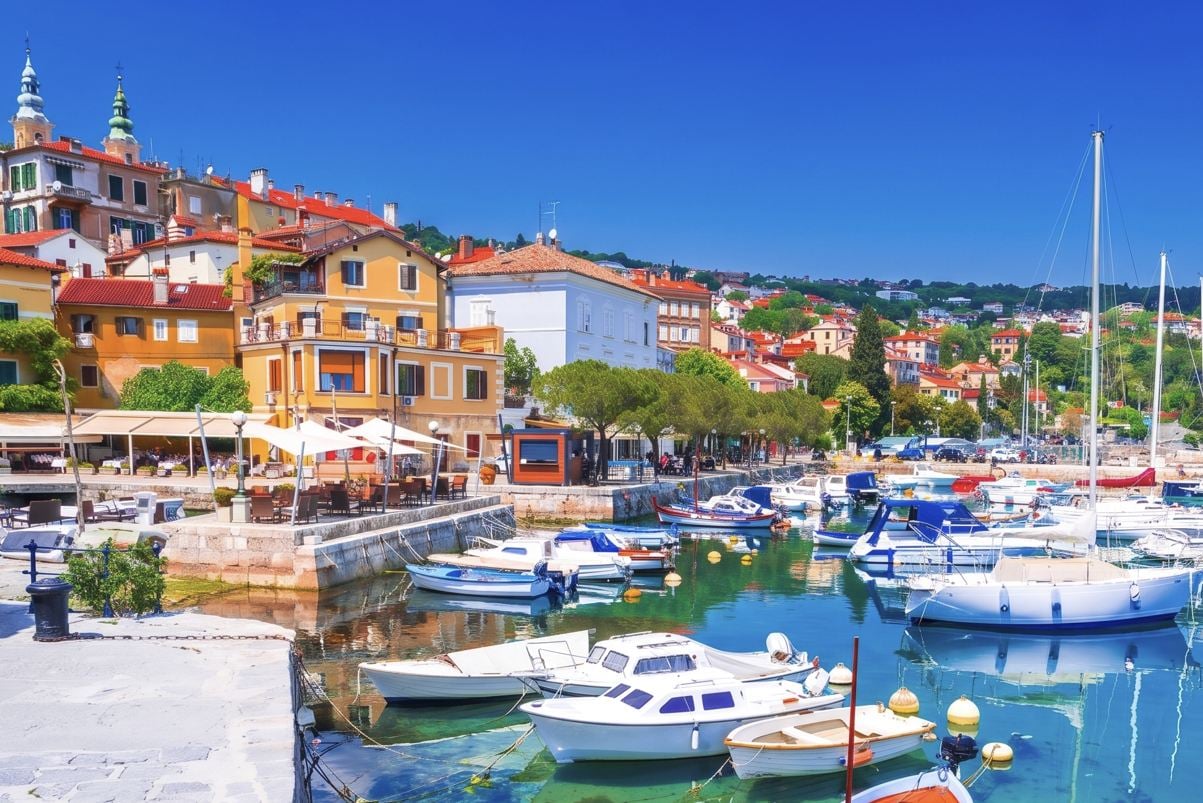
It’s rare to find a destination that combines world-class beauty with this level of stability. When you arrive in Croatia, you step into a landscape where the Adriatic Sea sparkles with a clarity that looks photoshopped, and the local rhythm is set by slow seaside dinners rather than frenetic tourist traps.
What local travelers are saying now
You can take the guesswork out of your next adventure in Croatia with our proprietary Traveler Safety Index, the world’s only real-time reporting system based on what travelers actually feel on the ground. Right now this live data paints a glowing image of the Adriatic coastwith visitors currently rating Dubrovnik with an incredible safety score of 95 out of 100.
When you zoom out to look at the country as a whole, the majority of travelers rate Croatia a very impressive 83 out of 100, a clear signal that the vast majority of tourists feel completely safe and comfortable while exploring the region’s historic walls and hidden island coves.
The balancing act: the hits versus the hidden gems
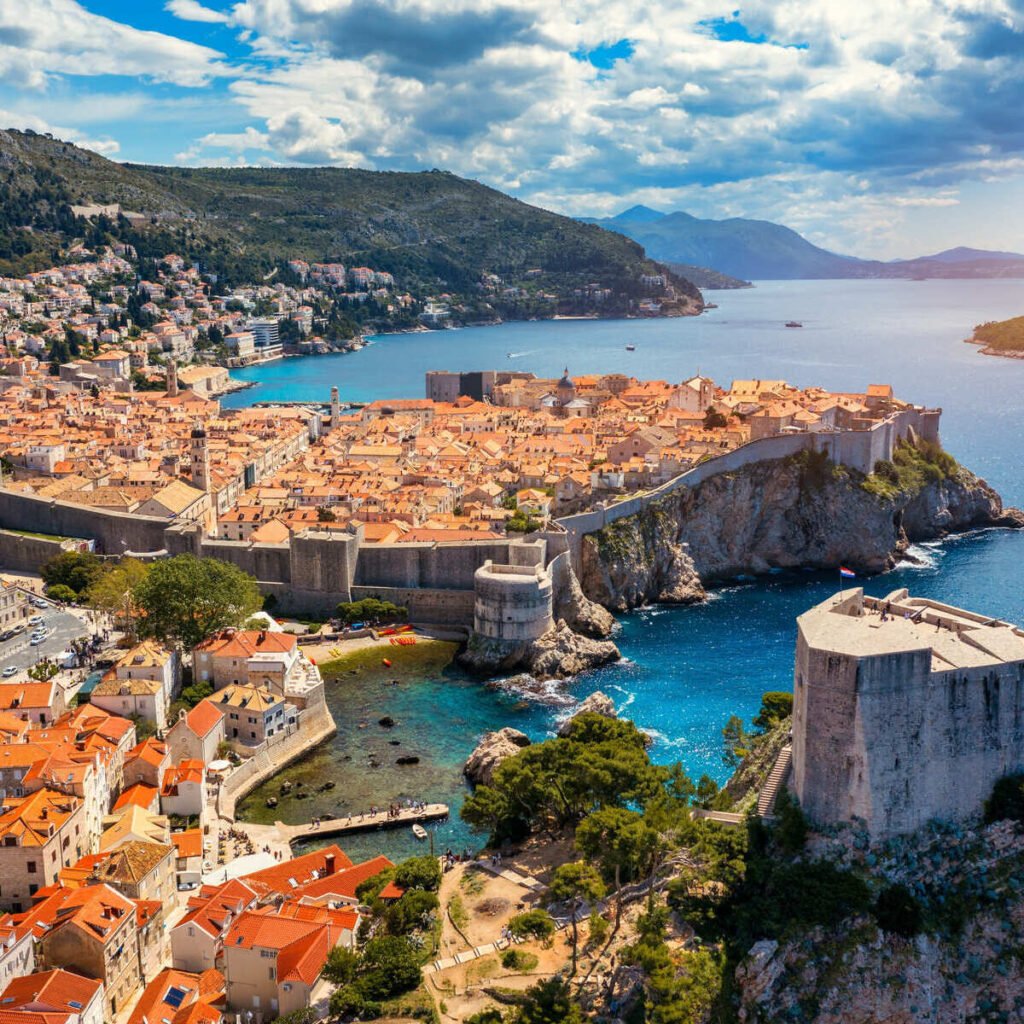
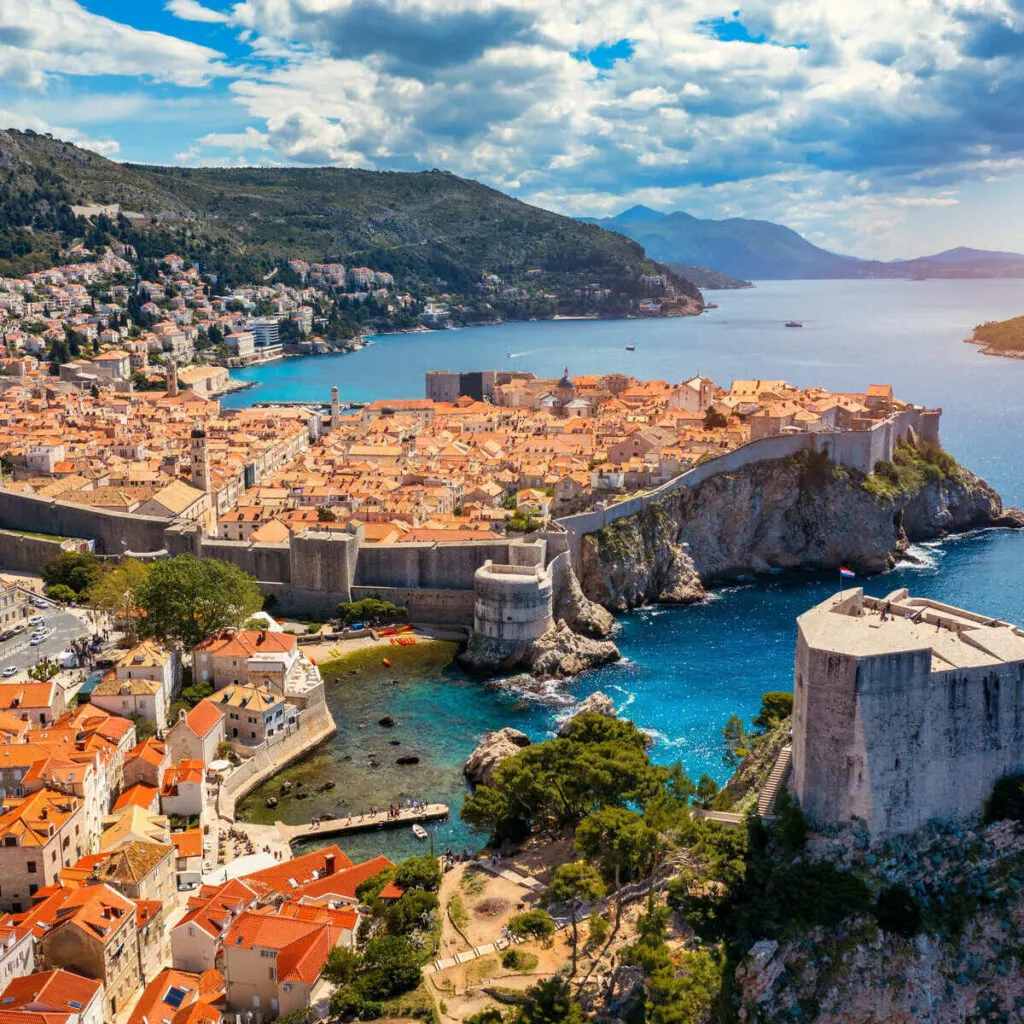
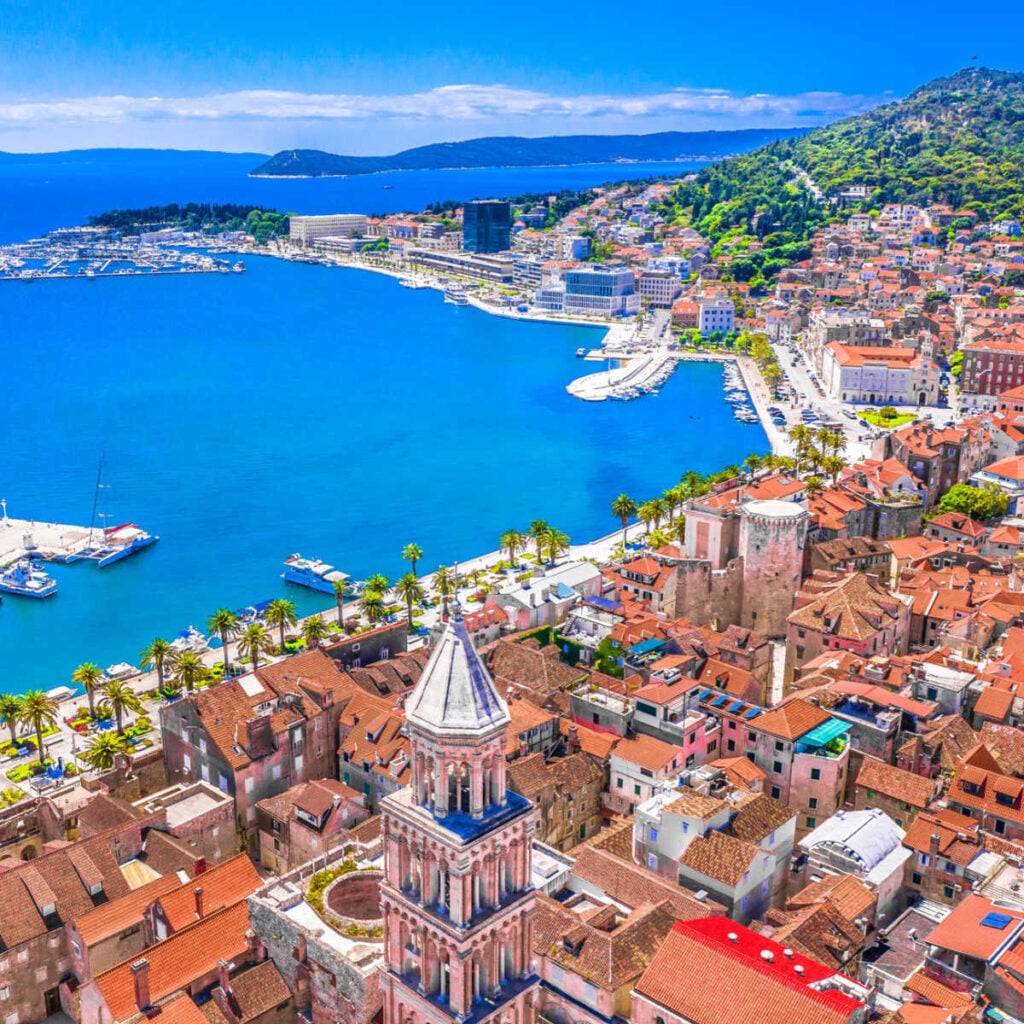
Croatia’s popularity has exploded in recent years, and for good reason. Cities like Dubrovnik and Split are absolute wonders of history. Walking through the medieval walls of Dubrovnik or onto the ancient stone floors of Diocletian’s Palace in Split feels like walking into a movie set.
However, popularity comes at a price. During the height of summer, these two hotspots can become overwhelmingly busy. You’ll be standing shoulder to shoulder with thousands of other travelers, waiting in long lines for photos and dealing with the inevitable chaos of huge crowds on cruise ships. If you want the safety and scenery without the crushing density of the main hubs, look a little further afield.
Where to go for “quiet” Croatia
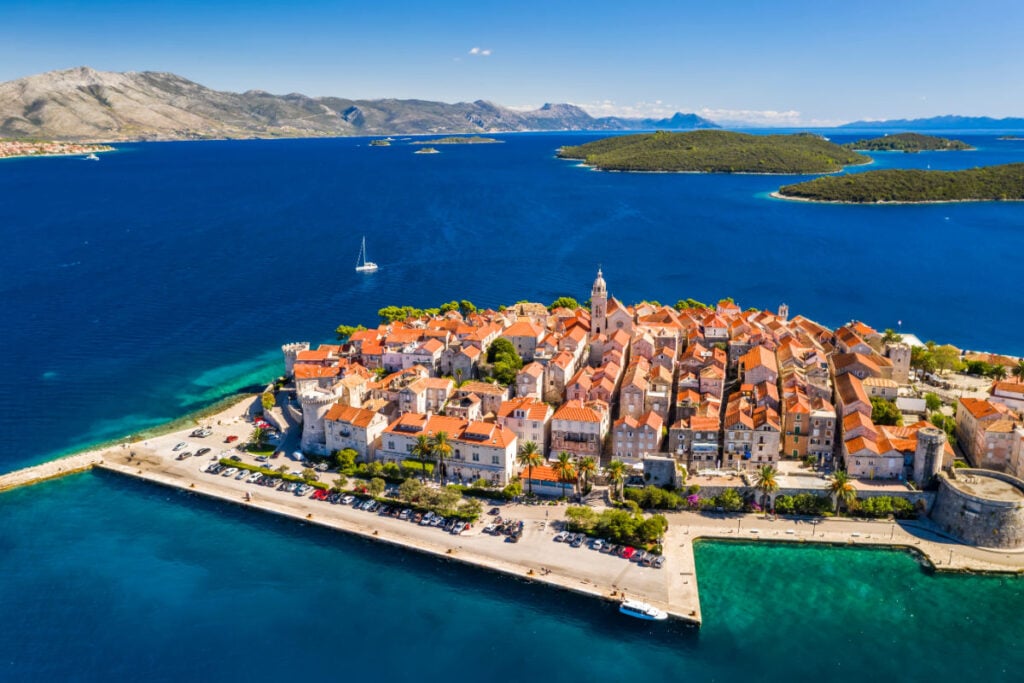
If you want that authentic, stress-free European summer without the constant jostling of crowds, consider these alternatives that offer all the magic of Croatia with significantly more breathing room:
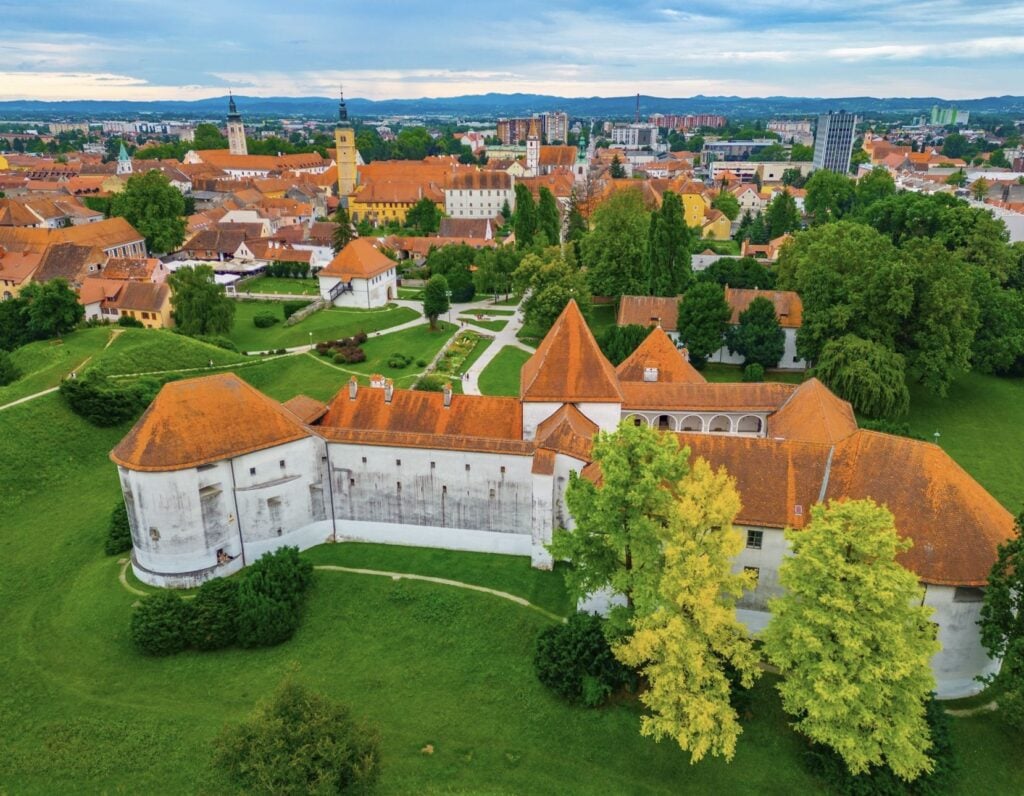
- Varazdin: Often referred to as a ‘baroque gem’, this northern city is the perfect alternative to a coastal crush. It’s full of candy-colored palaces, cobbled streets and a striking medieval fortress. It feels noble, tranquil and exceptionally safe, offering a glimpse into the country’s refined history away from the beach crowds.
- Sibenik: Located near the famous Krka National Park, Šibenik is a UNESCO World Heritage gem that most tourists skip altogether. It offers the same dramatic stone architecture as Dubrovnik, but feels like a real, functioning city rather than a museum. It’s the perfect base for exploring waterfalls and islands without the huge influx of cruise ships.
- The island of Vis: If your dream is true island authenticity, Vis is the answer. For decades it was a limited military base, leaving it completely off the tourist radar. Today it remains one of the most untouched places in the Adriatic. You won’t find flashy mega clubs here; you’ll find quiet vineyards, hidden coves and the kind of deep, restorative silence that’s impossible to find elsewhere in Europe.
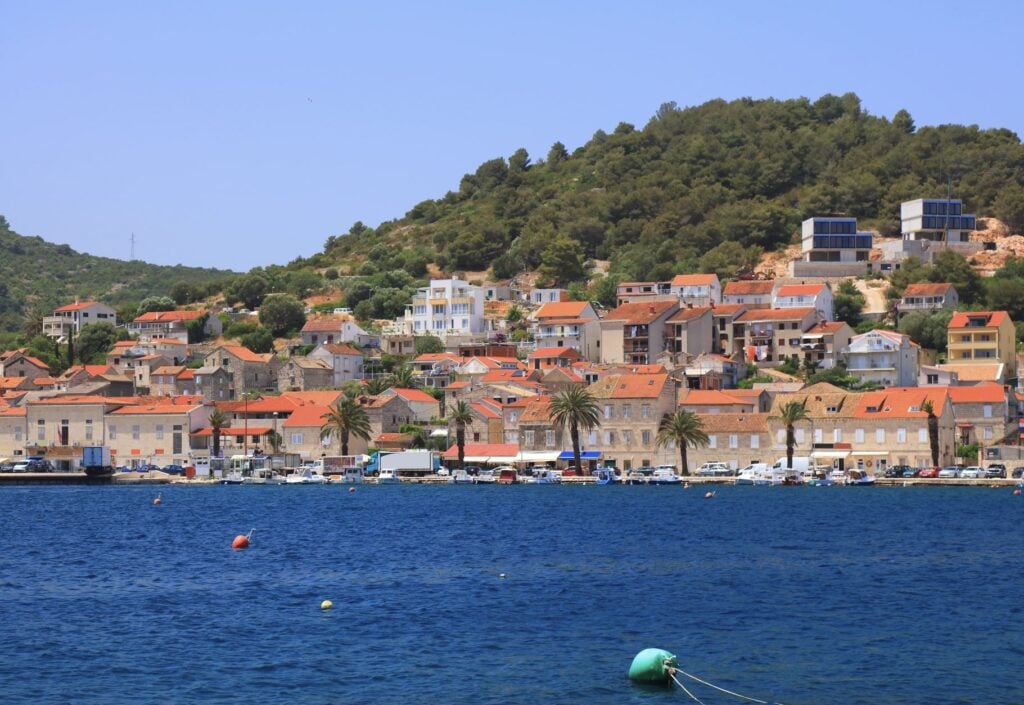
- Rovinj: Tucked away on the Istrian peninsula, this town feels more like a fairytale seaside village than a major tourist center. The pastel-colored houses crash into the sea, and while it remains lively, it lacks the frenetic ‘theme park’ energy of the big southern cities.
Croatia’s status as a Level 1 destination is not just a classification; it is an invitation to explore. Whether you choose the famous walls of the south or the tranquil vineyards of the north, you are choosing one of the most reliable and beautiful experiences that Europe has to offer in 2026.