


There’s a certain kind of blush look that’s been quietly hijacking every Pinterest board, FYP, and red carpet this season. It doesn’t scream ‘makeup’. It doesn’t draw attention like a sharp contour line or a bold lip. Instead, you tilt your head and think, wow, their skin looks fantastic. That’s the whole point. The watercolor blush trend has arrived and it’s here to make the most ‘polished’ version of your face look like you just came home from a breezy afternoon stroll.
But before we get into how to wear it, let’s talk about what it actually is, because the original meaning of “watercolor blush” is thrown around loosely and deserves a good explanation.
So, what exactly is watercolor blush?
Think about what a watercolor painting looks like compared to an oil painting. Watercolor is translucent, soft-edged and luminous. You can see the texture of the paper through it. The pigment appears to bleed naturally rather than sitting on the surface in a defined shape. That’s exactly the effect this trend aims for on your real face.
The watercolor blush trend is as much a technique as it is an aesthetic. It involves applying ultra-sheer, translucent layers of blush and gradually building them up until the color looks like it’s coming from under the skin rather than resting on top of it.
The main features of a watercolor blush look are:
- Scattered, feathered edges — no defined circles or hard boundaries
- A blotchy skin effect – color that looks as if it has seeped in and not been dyed
- Clarity without glitter – a dewy, lit-from-within glow instead of shimmering
- Buildable purity — you can see the skin through the pigment, just like real watercolor
What it isn’t is a blush that announces itself. This isn’t the bold, graphic blush-blocking trend or heavily patterned color placement of years past. This is a color that can easily be mistaken for your natural blush after a smile or a sprint up the stairs at a glance.
Why Blush is the hero product of 2026
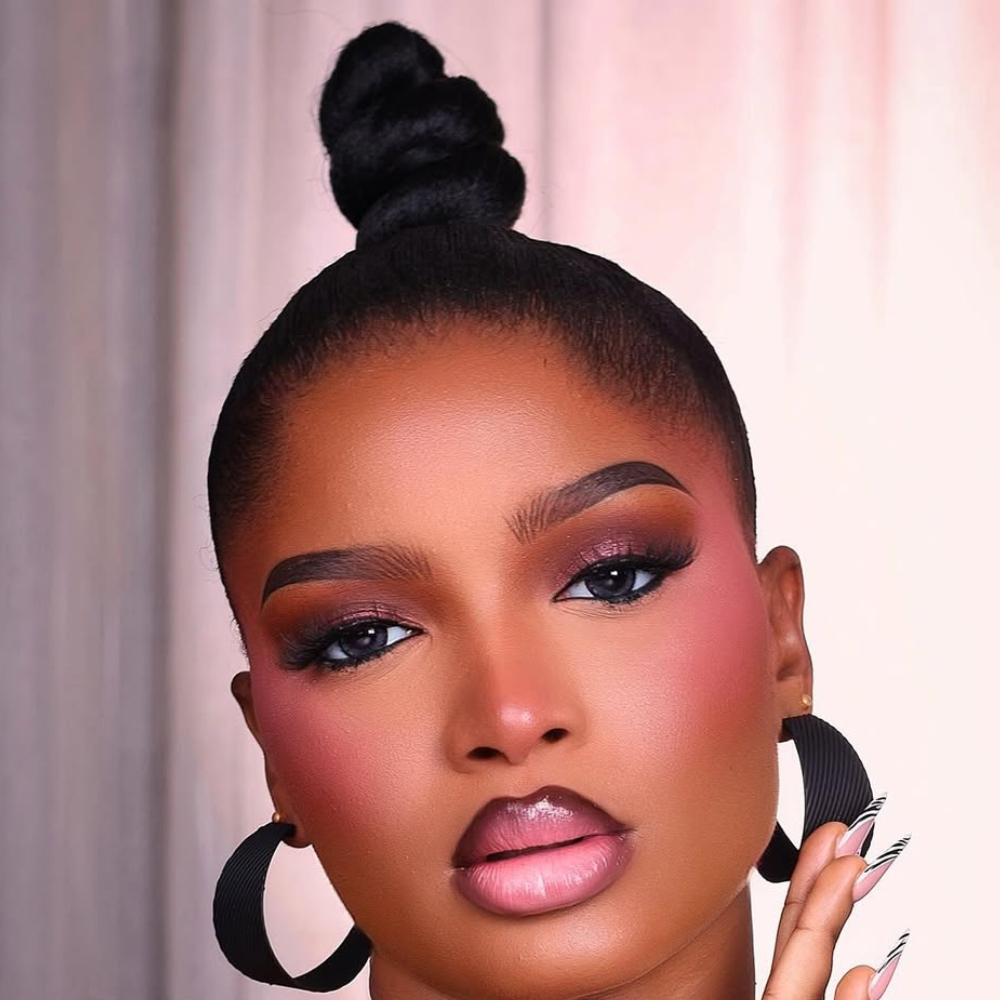
If your makeup bag has been seeing a lot more blush action lately, you’re not imagining things. Blush has officially reclaimed its status as the most transformative product in your routine, a title it lost for a while to contour sticks and setting powders. This season it is central again.
Part of the driving force for this is a cultural mood swing. After years of hyper-defined, camera-ready, sculpted makeup within an inch of its life (you know the look: chiselled cheekbones, baked concealer, ten-step contouring), the beauty world collectively exhaled. People want skin that looks responsive, warm and human. Blush is uniquely positioned to achieve that because it mimics something our bodies do on their own: flushing with color.
Celebrities have played no small role in amplifying the look. At the 2026 Met Gala, Nicole Kidman, Gigi Hadid, Karlie KlossAnd Joey King they all arrived with beautiful soft blushes sweeping across their cheeks.
The runways also supported this. Makeup artists backstage at major fashion weeks have described the trend’s technique as “diffuse blush application,” which dissolves pigment into the skin until the boundary between makeup and biology disappears completely.
The formula question: Liquid and gel win, powder takes a step back
This is where many guides get it wrong, and it matters because getting the formula right is literally half the battle with this trend. The watercolor blush trend lives and dies by texture. And the textures that make it work are liquid and gel formulas, not traditional powder blushes. This is why:
Liquid blush is the gold standard for this look. It delivers the lightest, purest color, almost like a skin stain. A few drops spread over the cheeks and sink into the skin instead of staying on it. Gel blush is just as brilliant for this trend because of its interaction with the skin. Famous make-up artist Karol Rodriguez notices that “gel blushes blend seamlessly into the skin and have a more radiant finish than powder blushes,” making them particularly ideal for the warmer months, when you want that fresh, sun-kissed look without anything feeling heavy.
Powder blush tends to sit on the skin instead of sinking into it. It can look dusty, emphasize texture, and create edges that are too defined for the soft, diffused finish that the watercolor look requires. It’s not impossible to make work, but it takes significantly more effort to break out and blend. And even then, it rarely achieves the same skin-melted quality.
Gel-cream hybrids and serum-like formulas are also worth mentioning. Experts recommend “lightweight, water-oriented formulas” across the board-“serums, skin tints, balms and gel-cream hybrids that create a veil on the skin rather than sitting on top of it.”
The bottom line: grab liquid or gel and let the pressed powder sit for another day.
The technology: How to actually solve this
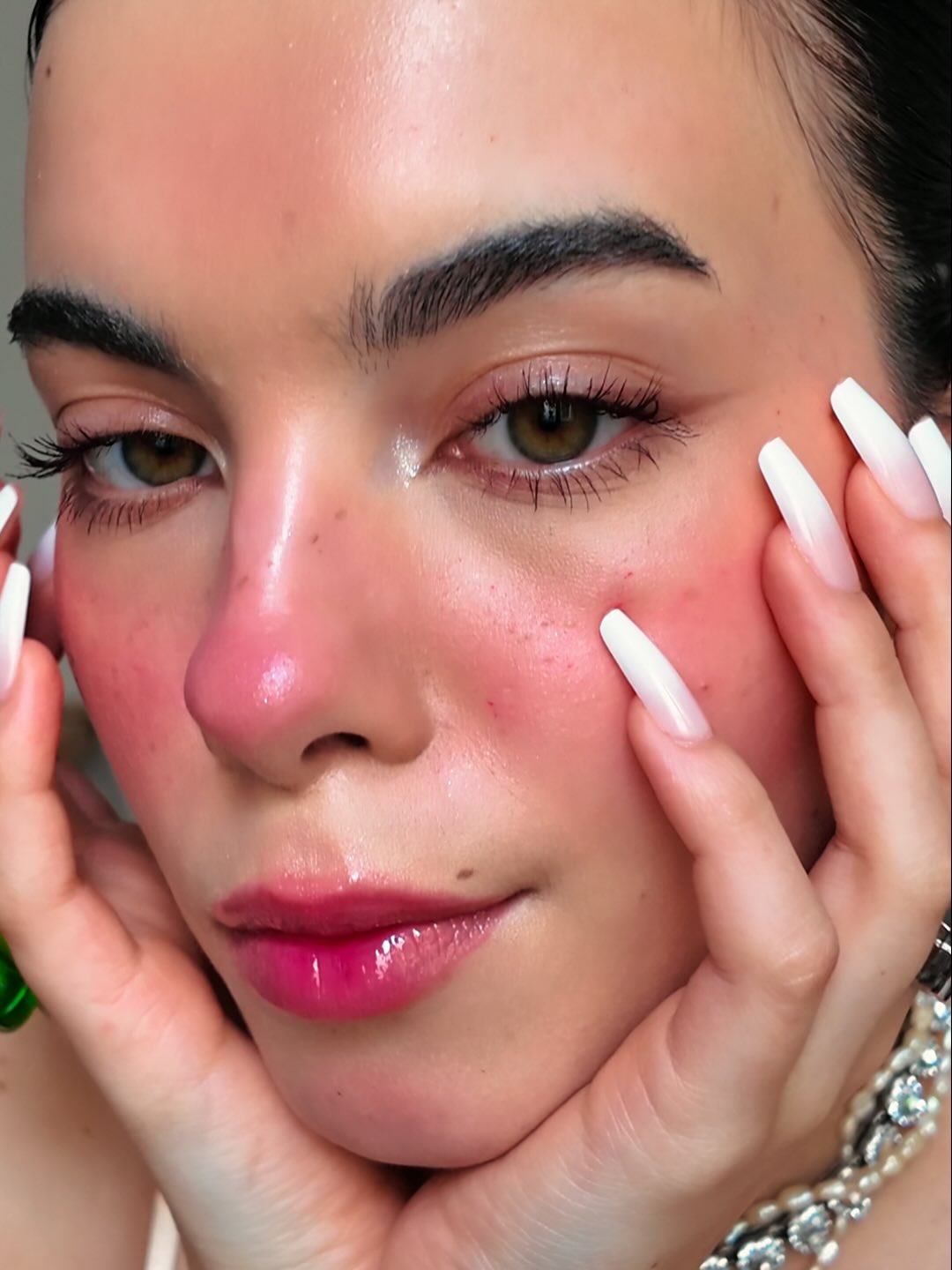
Product choice is important, but technique is what separates a beautiful watercolor blush look from an accidental mess. This is what the professionals do:
- Start with less than you think you need. The rule is unequivocal: start with less than you think you need and build up slowly, pressing and tapping pigment into the skin rather than swiping. The first coat should feel almost pointless, barely a hint of color. Let it sink in. Then add the next layer. It is the gradual build-up that creates quality from within.
- Press and tap, don’t swipe. The movement is important. Swiping drags the product across the surface; tapping presses it into the skin. Use your ring finger, a damp beauty sponge or a soft brush, whatever will help you press the pigment in instead of pulling it around.
- Let each layer settle before adding more. Experts recommend letting each layer settle before adding more. This allows the color to fade into the skin instead of sitting on top and becoming patchy. This patience is what separates a polished result from a spotty one.
- Loosen your placement. Forget the strict ‘apples of the cheeks’ rule. Watercolor blush should be on the cheekbones, towards the temples, sometimes over the bridge of the nose. The color should not be concentrated in one spot; it should expand and fade.
- Try the nose bridge wiper. One of the most distinctive features of this trend is a light blush across the bridge of the nose, which creates the effect of natural, sun-kissed warmth. It evokes the look of someone who’s just spent an hour in the garden, and combined with the cheek blush, it makes the whole face feel cohesive and alive.
- Mix with a luminizing oil for extra dimension. A professional trick: mix your favorite liquid blush with a drop of highlighter or luminizing oil and tap it with your ring finger on the cheekbone, tip of the nose and temples. This adds depth without any overload of shine.
Skin prep is the secret weapon
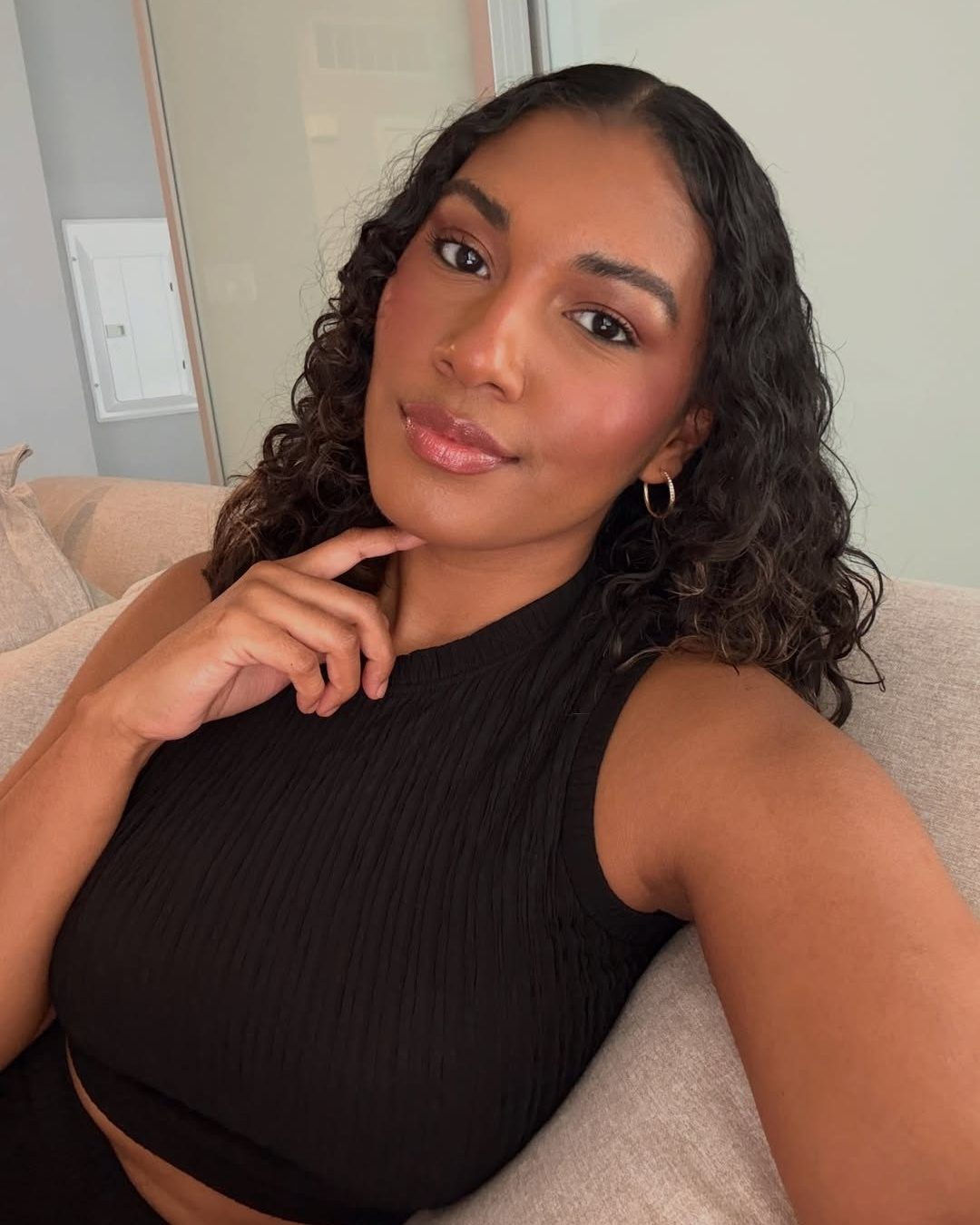
You can’t recreate a skin-first look on unprepped skin. Watercolor blush is translucent in design, meaning everything underneath is visible. That’s the whole point, but it also means that your canvas needs to be in good condition.
Ditch the heavy, full-coverage foundation. This trend works best with skin tones, tinted moisturizers or serum foundations that let your natural texture shine through. The skin under the blush should look hydrated and bouncy, not flat and matte. If your skin is dehydrated, the pigment will cling to dry patches and look patchy.
A light layer of a hydrating primer or facial oil massaged in before makeup creates the perfect base for liquid or gel blush to blend into.
What this trend says about where beauty is going
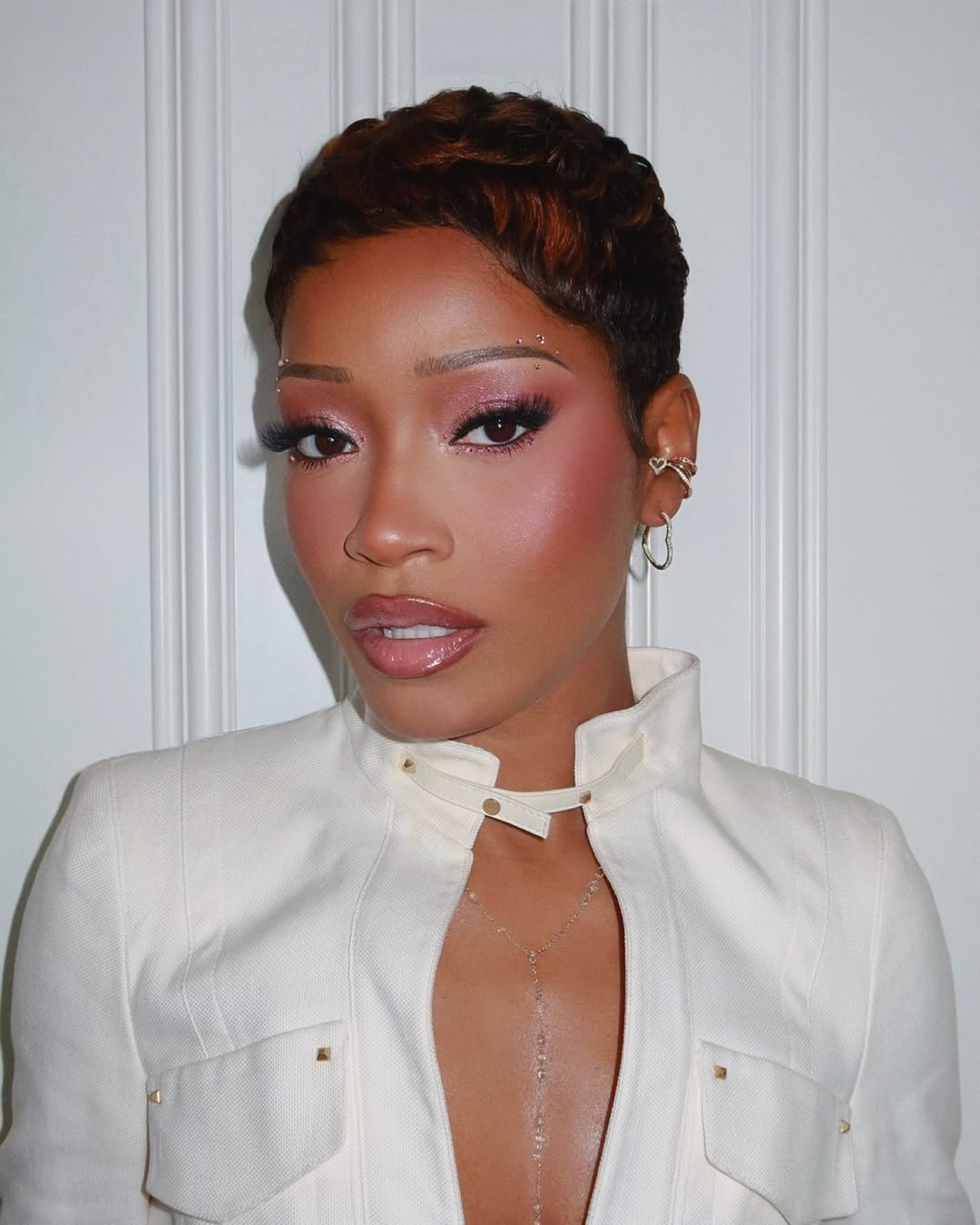
The watercolor blush trend didn’t emerge in a vacuum. It’s part of a much larger shift in beauty toward what’s sometimes called “skin-first” makeup, the idea that the purpose of makeup is not to cover the skin but to accentuate it, to make it look more like itself, just on a really good day.
There is also a practical driver: cameras. High-definition photography, ring lighting and the constant scrolling of social media have changed the look of ‘natural’. Sharply placed blush and heavy contours, which once appeared polished, now appear worked and flat under modern lighting. Soft, diffuse colors read like emotion, and in a beauty culture where everything is photographed, emotion consistently outperforms perfection.
Even the product development side of the industry is responding. Brands are building peptides, adaptogens and barrier-repairing ingredients directly into color products. Blush quietly becomes skin care. You’re not just adding color; you nourish the skin at the same time. It’s a small evolution with big consequences for how we think about what makeup is for.
The watercolor blush trend is for everyone – no exceptions
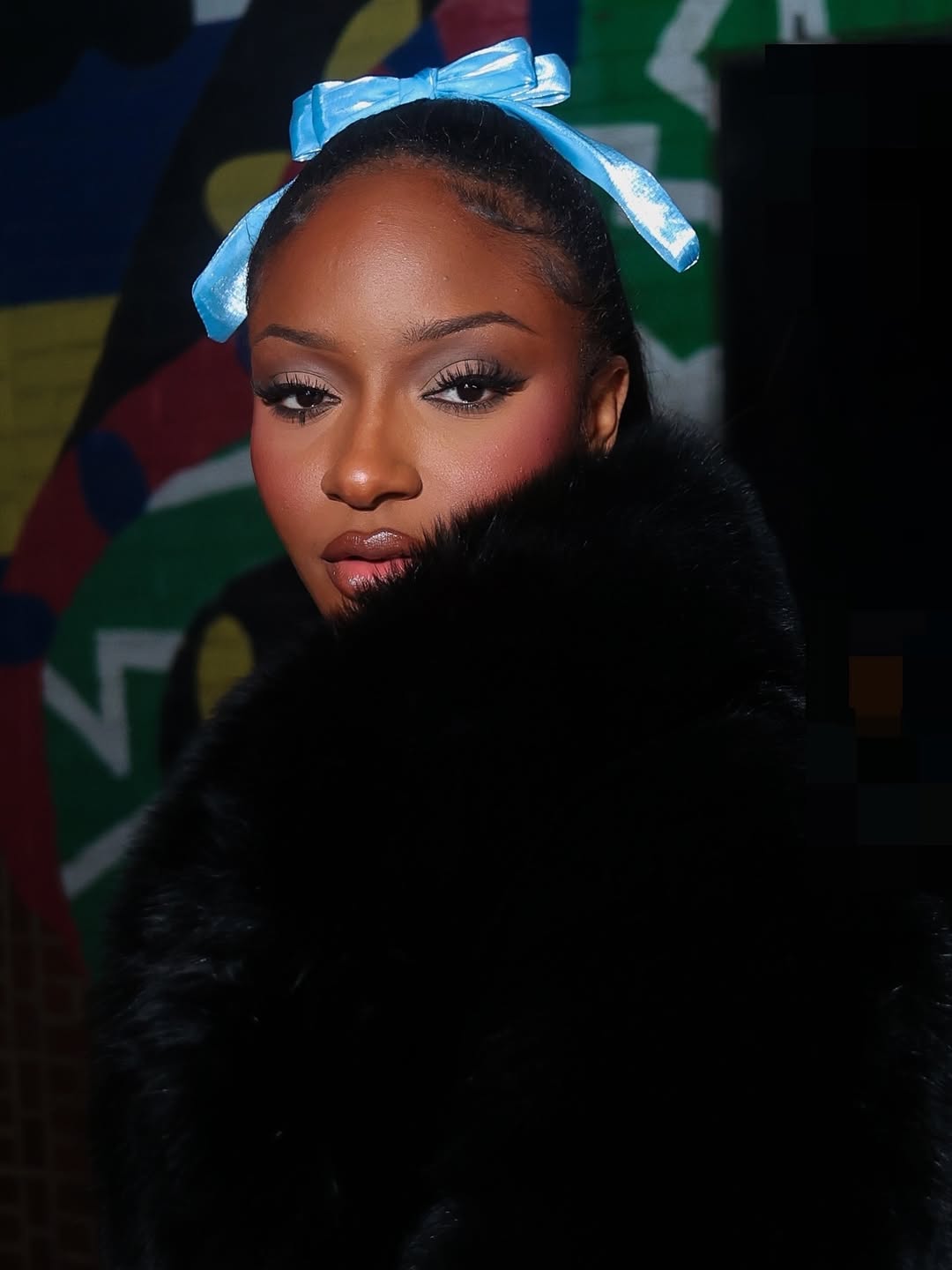
One of the most refreshing things about the watercolor blush trend is its universality. It does not favor one skin color, face shape or age category. The key is adjusting the shade intensity and placement to your needs:
- Deeper skin tones look beautiful with rich coral, berry or deep pink liquid blushes that blend into a warm, sun-kissed finish
- Light skin tones can work well with the softest pinks and peach tones and build up slowly to avoid looking patchy
- Mature skin benefits from gel formulas and a light hand; the sheerness is actually more flattering than a heavy pigment deposit, which can settle into fine lines
- Oily skin should look for gel and liquid options that provide a natural finish, rather than leaving it too dewy
The placement can also be adjusted: a higher movement towards the temples provides a lifting effect, while the color on the lower part of the cheeks gives a softer, more diffused appearance.
Get the watercolor blush look
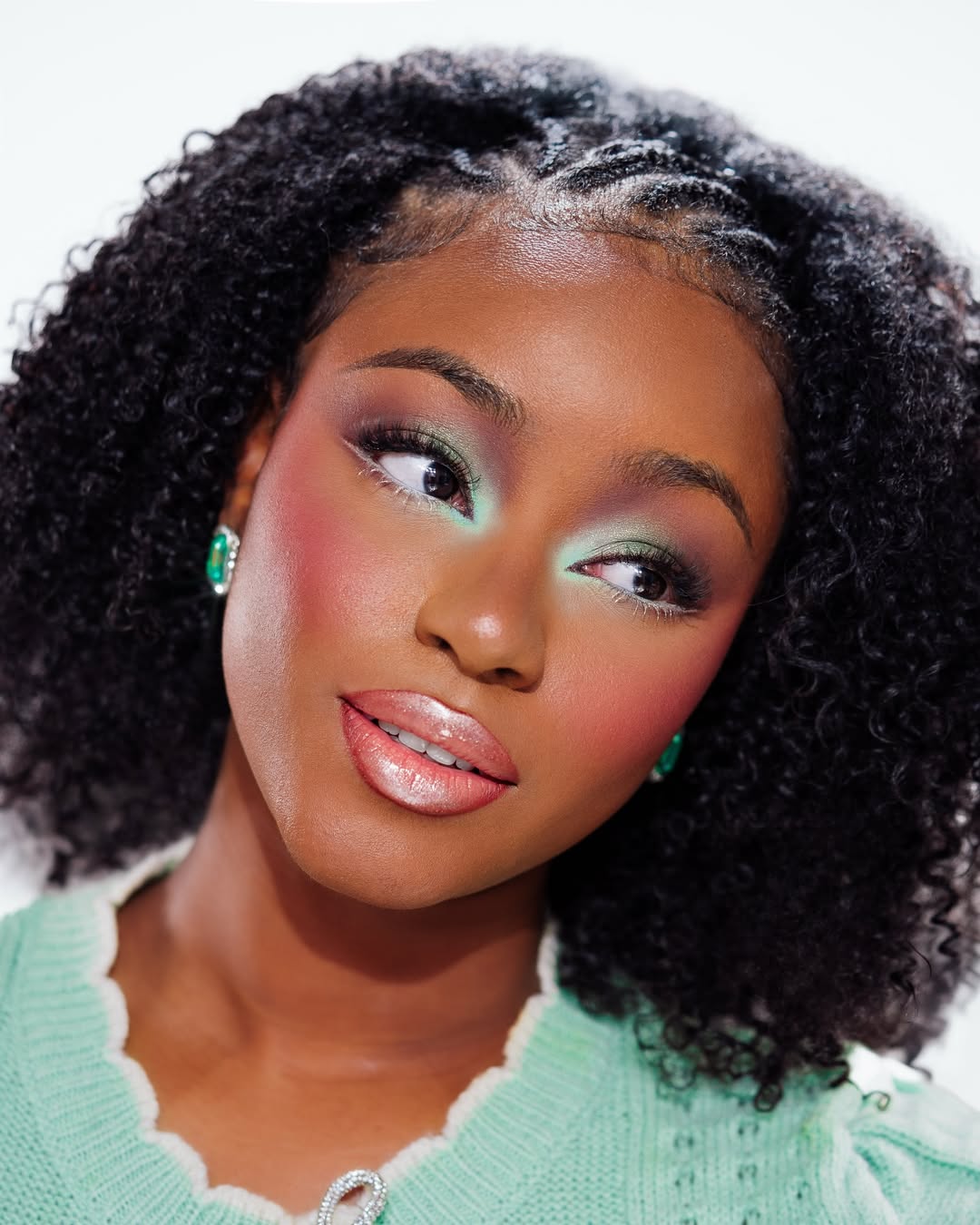
This trend extends beyond just aesthetics. Products are important because texture determines the effect.
- Cream Blush Sticks: Cream formulas anchor the watercolor blush look. They melt into the skin and create a seamless, lived-in blush.
- Liquid blush drops: Liquid blush produces the strongest watercolor effect. A few drops spread easily, creating a soft, patchy skin finish.
- Blending Brushes and Beauty Sponges: Tools determine the end result. Dense brushes soften the edges, while damp sponges press pigment into the skin for a diffused finish.
- Skin tones for basic harmony: Watercolor blush performs best on breathable, even skin. Skin tones replace heavy foundation and provide seamless blending.
- Gloss and Balm Finishes: A soft gloss or balm adds dimension without competing with blush, completing the overall look.
Shop editor’s picks
The bottom line
The watercolor blush trend isn’t just a new-season fad; it’s a true recalibration of what beautiful, healthy skin should look like both on and off camera. Soft, red and radiantly vibrant beats, sculpted and flawless, every time.
All it takes is the right formula (always liquid or gel), a patient layering technique, and a willingness to make your skin part of the look rather than something to be hidden. The result? Cheeks that look as if they blushed of their own accord. And honestly, that’s the best kind of makeup there is.
Featured image: Fenty Beauty