

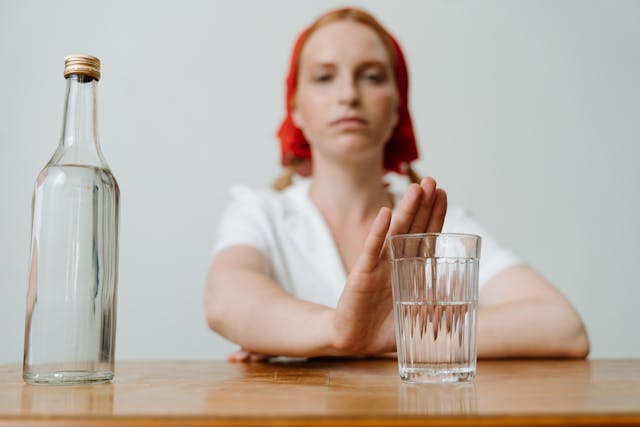
Quitting alcohol may not be the hardest thing someone does, but it won’t be the easiest either. Alcohol dependence affects both the body and the mind. That’s why quitting also has physical and mental effects that almost everyone who chooses detox has to go through. For many, the big question is: what happens after detoxing?
Whether you choose detox at home or a residential clinic, the first 30 days without alcohol will present challenges. Most people will transition from acute withdrawal within the first week of detox. They then experience a longer phase of ups and downs that affect everything from sleep to energy levels and emotional well-being.
The good news is that gradual physical and mental improvements begin in the second week. They generally continue until the fourth week and beyond.
Days 1-3: Acute withdrawal
Although this post is mainly about the first 30 days after detox, it is important to outline what happens during the detox itself. The first few days are crucial. They formed the basis for the rest of the process.
Withdrawal symptoms usually begin within 6-12 hours after the last drink. They peak between 24 and 72 hours. The most common early symptoms are:
- Anxiety and irritability
- Tremors
- Sweating, nausea and headache
- Interrupted sleep
- Feeling on edge
People who enter detox with a higher level of dependence are at greater risk for more serious side effects, including hallucinations, seizures, and delirium tremens. More serious side effects may require medical intervention.
In a medical setting, patients are observed throughout the entire detoxification process. They stay hydrated and comfortable. If necessary, medications are offered that can ease the withdrawal symptoms.
Days 4-7: relief of symptoms
Withdrawal symptoms tend to peak no later than the third day after the last drink. On the fourth day the symptoms subside. Some symptoms may last a week or more, so don’t expect to feel completely normal within the first week.
During days 4 through 7, you may still feel irritable or anxious. Your mood may be worse than you hoped, and you still aren’t sleeping as well as you would like. But remember, things will improve gradually.
As for sleep, keep in mind that disruptions during the first week are normal. Expect to wake up often or have trouble falling asleep. By the end of that first week, your sleep should start to fall into more predictable patterns. You may also notice that you think more clearly and have more energy.
Weeks 2-3: physical and mental transition
By the time you enter the second week of recovery, most of the acute withdrawal symptoms should have disappeared. In weeks 2-3, a physical and mental transition begins. During this transition, you may experience post-acute withdrawal symptoms (PAWS), including low motivation, mood swings, and persistent sleep problems.
Many recovering alcoholics report cravings for alcohol during this time. They can contribute to anxiety and irritability. The good news is that the cravings, while they may be intense, begin to fade by the end of the third week or the beginning of the fourth week.
As for physical health, you can expect noticeable changes. Your digestion will likely improve, possibly leading to mild weight loss and less bloating. Some people also report clearer skin. From an emotional standpoint, you can expect a bit of a rollercoaster with bursts of high energy, fatigue and brain fog.
Weeks 3-4: Stabilization
Because sleep tends to improve by the third or fourth week, patients usually stabilize as well. Anxiety and bad moods disappear as cravings become less intense. Physically, blood pressure and other cardiovascular markers begin to show signs of improvement by the fourth week.
Unfortunately, some patients continue to experience mental health problems, including depression and cognitive problems, well after the third or fourth week. Mental health problems can persist for months afterwards. But with professional help, they can be managed.
30 days and beyond
If you can reach the 30 day mark without drinking anything, you are well on your way to full recovery. The key to your success is a combination of support and thorough aftercare. Support comes through family members, friends and alcohol support groups. Aftercare is available through support groups and medical professionals.
Good sleep hygiene should be part of your routine after 30 days. If not, start working on it. Good sleep hygiene includes creating a regular bedtime and wake-up schedule, limiting your screen time in the last 60 minutes before bed, and practicing a calming pre-bed routine.
Your success during the first 30 days after starting the detox forms the basis for a new life without alcohol. If you plan to detox, know what to expect and set reasonable goals for yourself. Then give it everything you’ve got.