

With its endless miles of pristine Mediterranean coastline, vibrant cities and rich Iberian heritage, Spain has always been a hugely popular destination for Americans vacationing across the pond, and the trend shows no signs of slowing.
According to new research performed by MMGY Global for Turespaña, Seven in ten US citizens plan to visit Spain by 2028placing the southern European nation above other major powers such as France, Italy and Greece.
It should come as no surprise that places like Madrid and Barcelona are leading the way in bookings.
After all, they are probably Spain’s most famous cities across the pond.
Be that as it may, they are there 2 other rapidly rising spots ready to take on the challenge decades-long government period Madrid-Barcelona:
Seville
With 66% of respondents answering that they plan to visit in the future, Seville is one of two alternative Spanish cities that Americans now have on their radar.
The sun-drenched capital of Andalusia, the warmest region of Spain, it is a city built on the remains of several civilizationsfrom the ancient Romans to the Visigoths, to the Moorish (Muslim rulers from North Africa) and finally the Spanish Empire.
Although it is not on the coast and certainly lacks the coastal promenades of Malaga or Marbella, Seville is located on the scenic Guadalquivir River. There are architectural gems and colorful neighborhoods to discover on either side of the busy waterway.
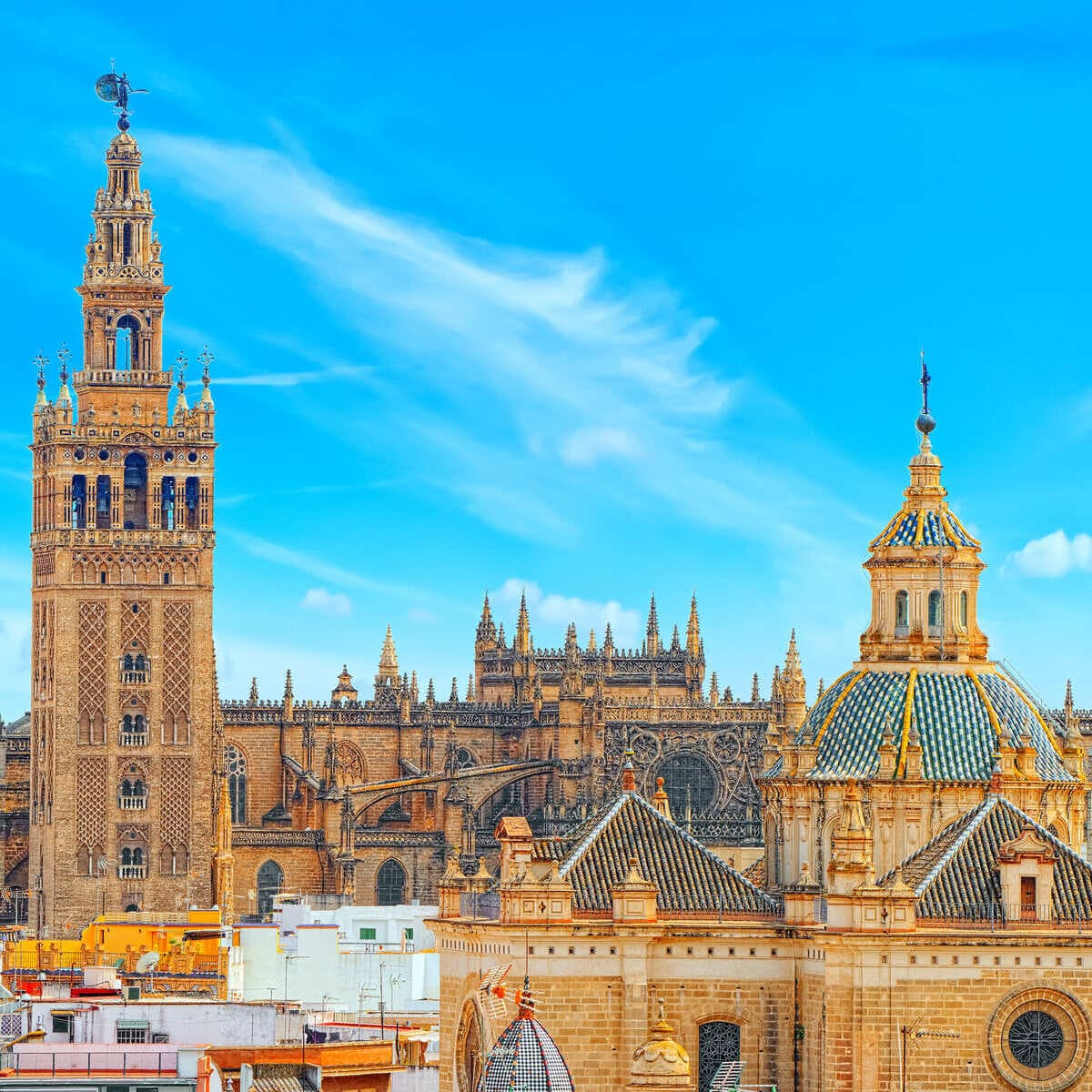
In Santa Cruz, the heart of historic Seville, you will find a maze of narrow, cobbled alleys lined with colorful facades, ornate Christian shrines and the monumental Seville Cathedral, originally built as a mosque in the Middle Ages.
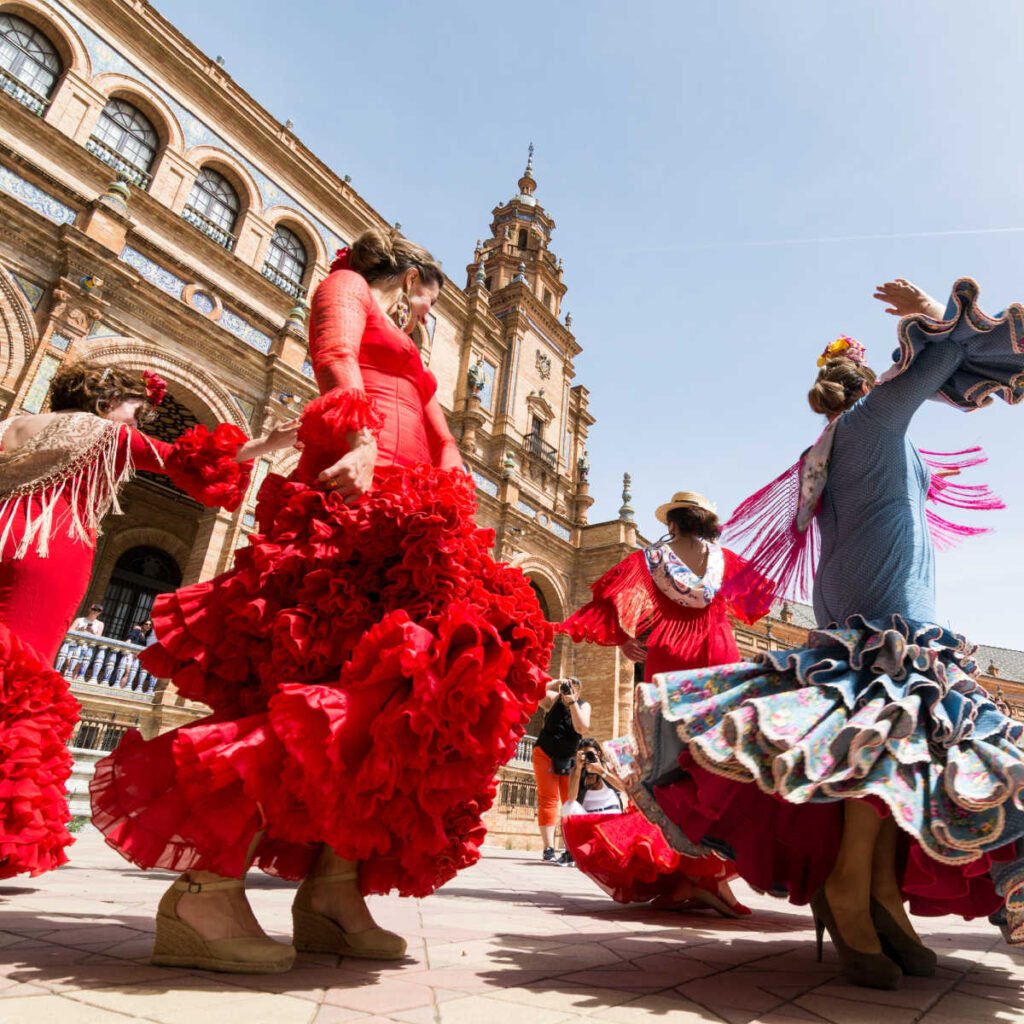
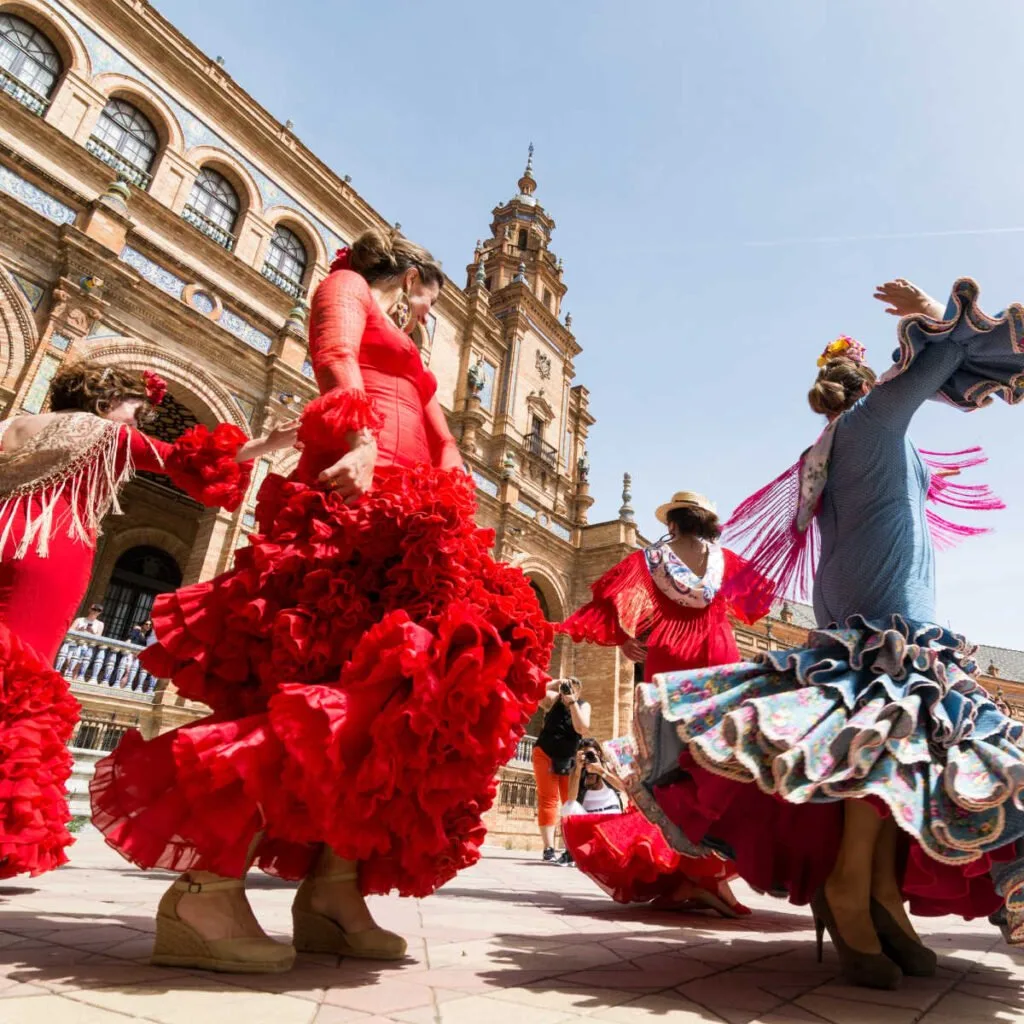
When you visit Triana, expect to see a plethora of tapas bars serving $3 glasses tinto and homemade salmorejo, flamenco dancers in flamboyant dressesand quirky craft shops, and Macarena is all about admiring the ancient sights, from ancient city gates to Moorish walls and pub crawls.
If the name sounds familiar, it’s because you’ve probably heard it a million times in a song of the same name that, surprise, surprise, was inspired precisely through this neighborhood.
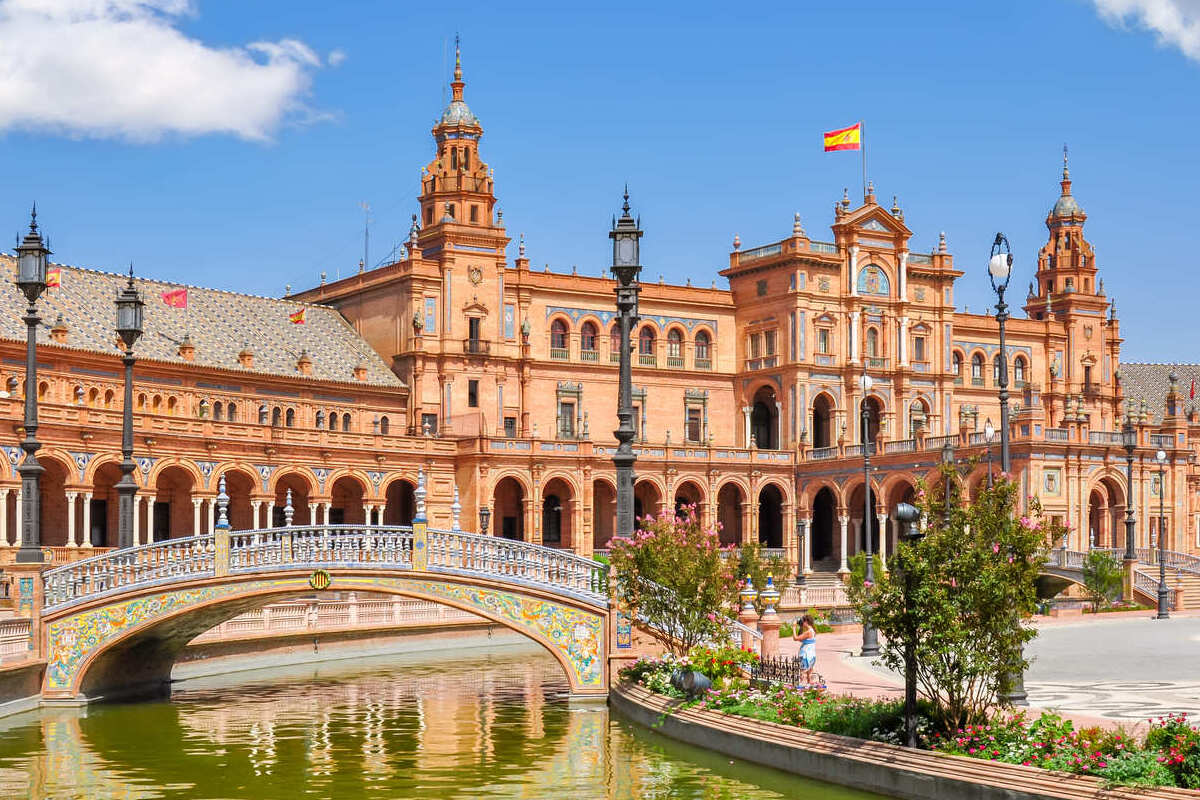
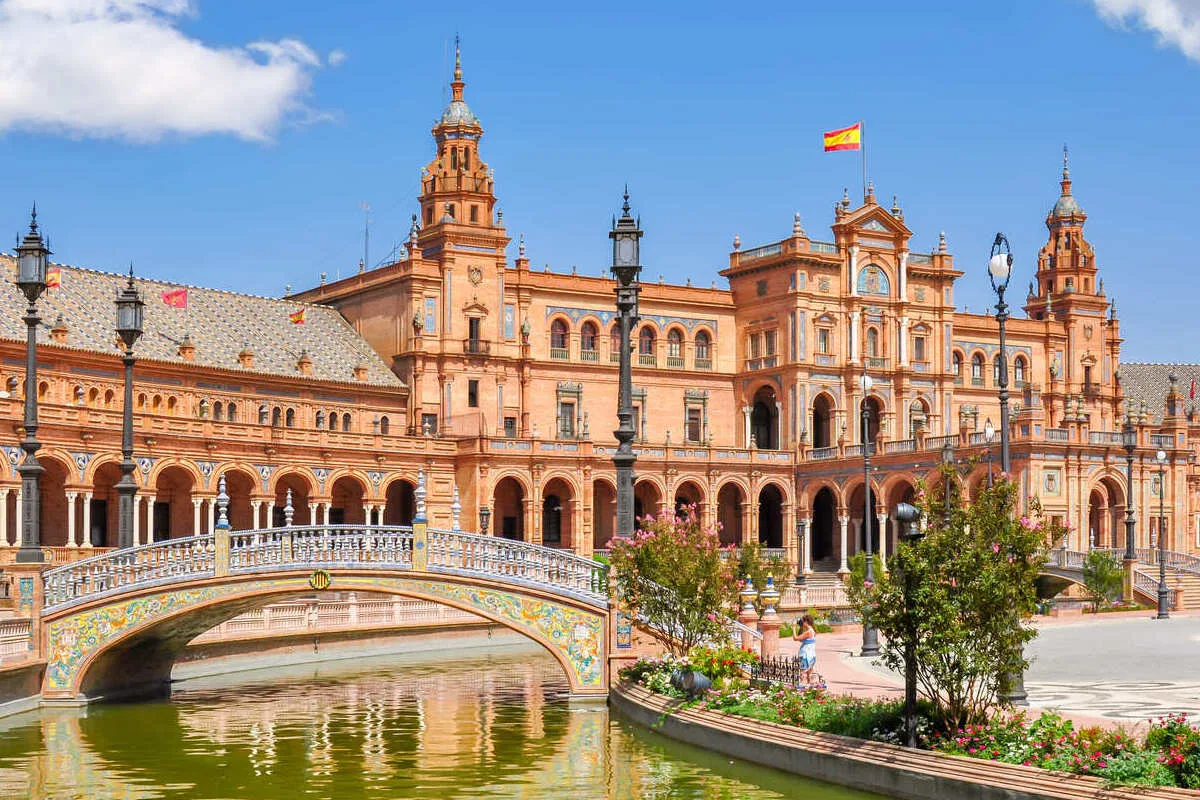
Of course, there is no Seville without its landmark Plaza de España: Although it was only built in the last century, it is being considered The most beautiful public square in Spain for its unique blend of Renaissance and Moorish architectural styles, crescent-shaped canal and intricate tile murals.
Between its intangible heritage and vibrant culture, it is no wonder that Seville was recently crowned best city in Europe.
Valencia


Just ahead of Seville, with 68% of Americans interested in giving it a try, Valencia is Spain’s next popular event after overtoured Barcelona.
It has many similarities with the old Catalan capital: it is also one lively coastal metropolis on the shores of the Mediterranean Sea, where medieval charm and modern city life are seamlessly combined.
Any visit to Valencia starts with the iconic City of Arts and Sciences, a historic museum district packed with futuristic museums in particular Museu de les Ciències Príncipe Felipea science center in the shape of a whale skeleton, with rib-shaped supports and glass facades.
Valencias Oceanographic, Europas largest aquarium, home to entire marine ecosystems and more than 500 species, is also part of the ‘City’, as is the spaceship-encoded Palau de les Artsa unique modernist opera.


This is Europe after all, and you’re probably here to see some ancient things.
Don’t worry, because Valencia is one of the most culturally charged cities in the Mediterranean, and its Old Town is too dotted with medieval sights:
From the fortress-like cathedral and adjacent Micalet Tower to the Silk Exchange, a historic building famous for its Hall of Columnsto the medieval Serranos and the Quart Towers, which once protected Valencia from pirate attacks, there’s plenty of Old World charm to discover.
If we may add: Valencia is one of Spain’s culinary capitals, and there is no better place to taste the traditional meal than Mercado Centrala huge covered market full of delicacies that you really have to try.
Make sure you taste the local one empanadillassmall filled pastries, usually filled with tuna, meat or vegetables, which are extremely popular boqueronestheir signature marinated white anchoviesand above all, be a tourist and grab something churros with a Nutella dip for the road.
Have you ever been to Spain if you don’t?


Spain’s new entry rules for American travelers
Spain is more popular than ever before, and the rising demand for secondary destinations like Seville and Valencia is only further proof of that, but before you start packing and booking the next flight, there’s something you need to know:
Starting this fall, Americans will be required to be fingerprinted and provide biometric information upon arrival in Spain, as part of Europe’s EES (Entry-Exit System).
For that reason you should prepare for some delays at the airport as new arrivals are checked in and properly registered with European authorities.
This accompanying article will tell you how to prepare and what to expect when flying to Spain in the coming weeks.

Subscribe to our latest posts
Enter your email address to subscribe to the latest Travel Off Path breaking travel news, delivered straight to your inbox.