


There was a time, not so long ago, when sneakers ruled everything. Limited drops. Resale culture. Collaborations that sold out in seconds. Hype wasn’t just marketing; it was momentum. But look at how young people dress today, and a subtle shift becomes unmistakable. Generation Z is moving away from sneaker dominance and making a conscious pivot. Men’s loafers, especially the sturdy, durable versions, are becoming their new statement shoes. And this isn’t just a trend cycle turning around. It indicates a generational recalibration.
This shift feels layered. There is fatigue in it. Intention. Even a silent rebellion, all expressed in one thick-soled shoe. After seasons marked by hype-driven consumption, Generation Z appears to be drawn to shoes that are grounded, constructed and quietly challenging. And that shift is important not only for fashion, but also for the way a generation defines value.
The sneaker saturation effect
During the recent fashion weeks in Paris, beyond the catwalk spectacle, a quieter story unfolded in showrooms and retail conversations. Designers and shoemakers noticed something unexpected: sneakers disappeared from the spotlight. Retailers reported that their youngest customers did not ask for the latest drop. Instead, they asked what else was available.
Over the past eighteen months, demand for loafers, especially among younger consumers, has steadily increased. And according to several industry insiders, this isn’t just cyclical. It’s exhaustion. Generation Z is tired of constant churn: hype, resale, microtrends, repetition. Sneakers increasingly feel designed for a six-month flex. Chunky loafers, on the other hand, offer longevity. They are made to be worn, broken in and kept.
What this shift says about the values of Generation Z
The shoe pivot reflects a broader cultural mood. Gen Z has grown up in an algorithm-driven marketplace where trends move at digital speed. Aesthetic categories appear and disappear within weeks. Taste is continuously optimized. Against that backdrop, choosing men’s loafers, especially the heavier, constructed versions, feels almost philosophical. It signals a rejection of the drop culture treadmill.
When a 22-year-old opts for chunky loafers instead of the latest sneaker collaboration, it’s not just a style decision. It is a subtle vote for sustainability. For sustainability. For a style that outlasts the scroll.
The appeal of chunky loafers
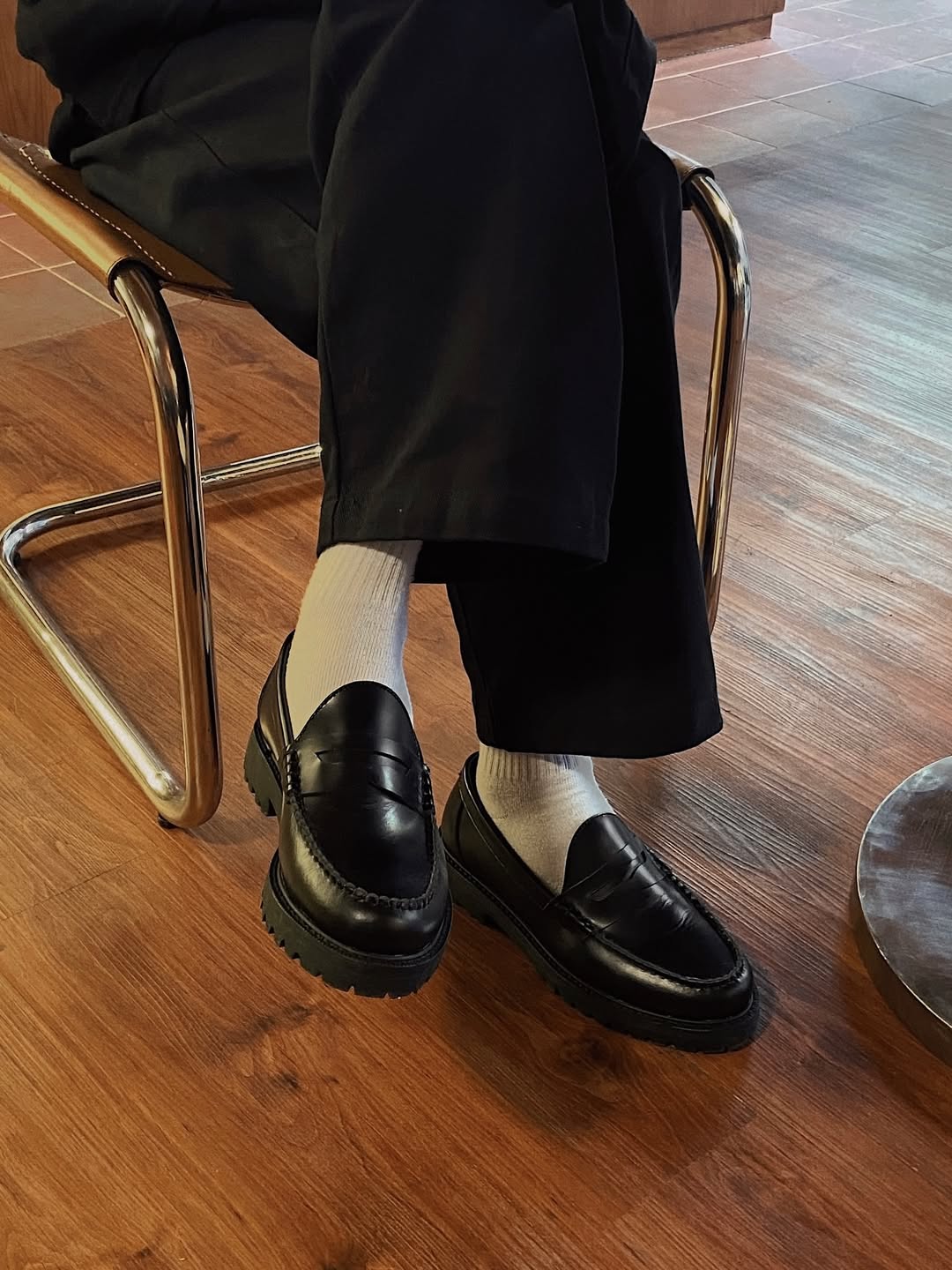
Loafers themselves are not new. They emerged in the 1930s and 1940s and were prized for their comfort and understated shine. Icons like Paul Nieuwman carried them with relaxed confidence, while later figures such as Pharrell Williams modernized them on red carpets.
However, Generation Z isn’t reviving loafers as nostalgia. They are reworking them. Slimmer silhouettes from the ’70s and ’80s resonate more than mid-century formality, often tasseled, sometimes tight, always easy to put on. And then comes the defining update: the sole. Chunky loafers exaggerate the classic profile. The thicker sole literally adds height and visual weight. It introduces attitude. They feel harder. More street ready. And here’s the compelling contradiction: they look formal, yet are styled casually. That tension is exactly where Gen Z thrives.
Dressing up in an era when dressing up no longer existed
There is also a generational psychology at play. Many Gen Z men grew up watching their fathers go from dressing up for work to wearing casual sportswear. Offices relax. Sweatshirts replaced blazers, sneakers replaced oxfords. Comfort became king. But what 25-year-old wants to copy his father’s weekend uniform?
Men’s loafers, especially the chunky ones, offer a way to reintroduce structure without looking corporate. They nod to customization without demanding a full suit. They work with thrifted tweed jackets, cropped track pants, oversized trousers or even shorts, paired with white socks.
The hybrid aesthetic generation Z owns it
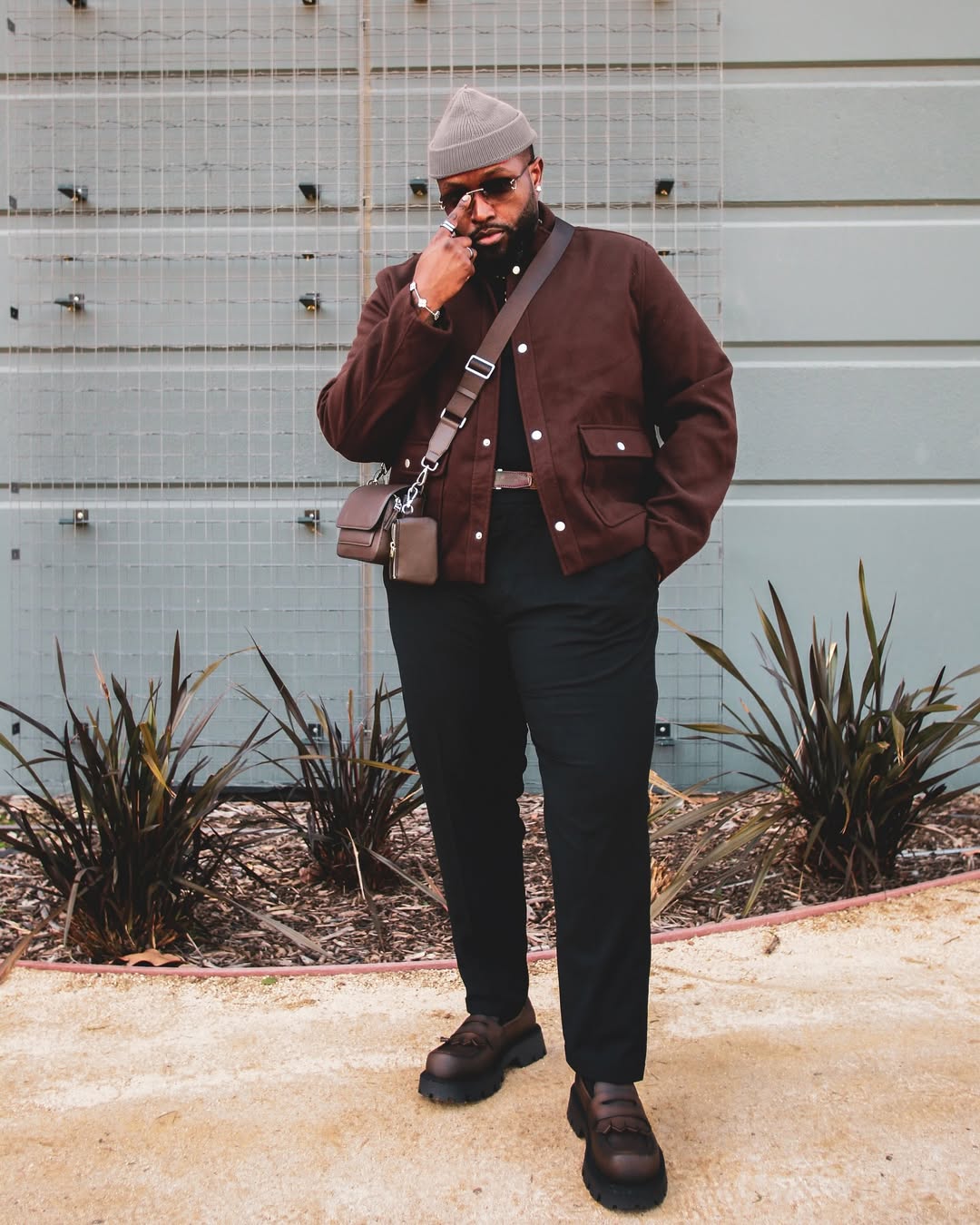
Today, Gen Z styles chunky loafers by combining casual streetwear with classic tailoring in a way that older generations might struggle to pull off:
- A vintage blazer with athletic shorts.
- White crew socks are deliberately pulled high to frame the shoe.
- Relaxed tailoring combined with graphic T-shirts.
- The loafers complete the look.
This hybrid dressing, half nostalgic, half ironic, shows a generation that is comfortable with contradiction. Authority and rebellion. Polish and playfulness. Structure and softness. Chunky loafers embody that duality better than almost any other shoe right now.
Comfort still wins
Let’s be clear: this isn’t about giving up comfort for aesthetics. Loafers became popular almost a century ago precisely because they were comfortable. They offered a simpler, softer alternative to stiff dress shoes. Today’s versions typically feature cushioned insoles and a flexible construction, making them truly wearable for everyday life.
For a generation that values mental health, work-life balance and sensitivity, this is important. Men’s loafers aren’t stiff relics of office culture these days. They are customizable. They slip on and move between settings with ease. Wear them to a creative office, a night out or a weekend at the gallery.
Investment over impulse
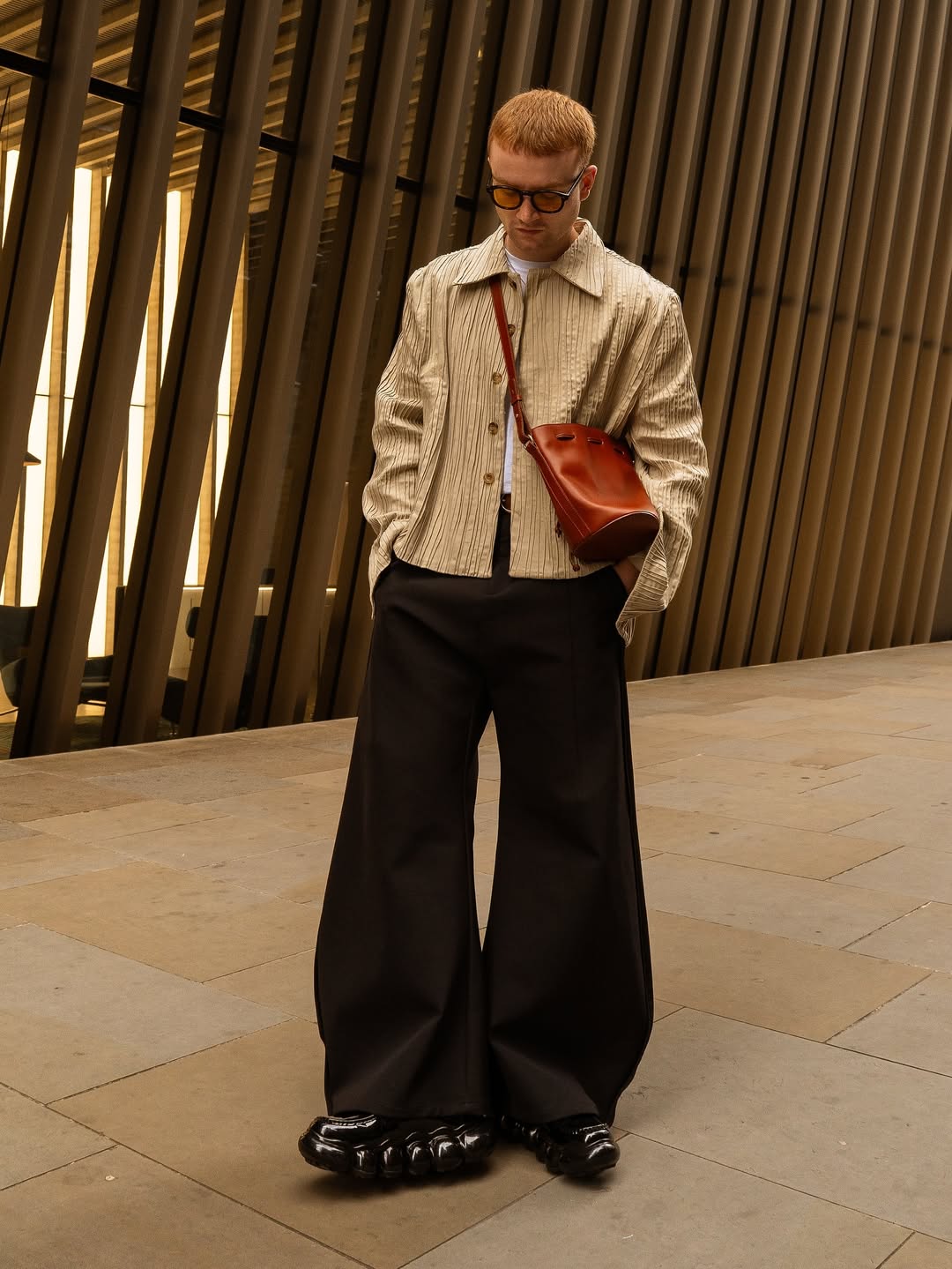
Perhaps the most telling part of this shift lies in spending patterns. Gen Z is often described as impulsive due to the influence of social media. Yet there are increasing indications of a countercurrent: a desire to buy fewer, but better things. Chunky loafers fit that philosophy. They are built. They can be solved. They age.
Moreover, they often become a gateway. Cobblers like Grenson note that those who start with loafers often evolve into brogues, derbies and boots, signaling a deeper commitment to craftsmanship. That suggests a healthier relationship with fashion than the endless search for limited-edition sneakers.
Are sneakers outdated?
Hardly. Sneakers are too embedded in the culture to disappear. However, their dominance is waning. And in that softening, something more interesting emerges. This generational shift from sneakers to chunky loafers is important because it reflects more than just shoe preference. It signals a shift toward substance over hype, longevity over momentum, confidence over noise.
Gen Z doesn’t just buy different shoes. They are redefining what taste means in an age of constant stimulation. With thick loafers they step away from the hype and move towards sustainability, even though they would never put it that way themselves.
Shop editor’s picks
Featured image: @georgesneil_/Instagram
—Read also