


Beauty has a way of capturing the mood of a moment. Right now, that mood seems lighter. The days when foundation was treated like a mask are slowly making way for something softer: something that allows the skin to breathe and move naturally. Makeup bags still contain complexion products, but the products inside are changing. Instead of reaching for formulas designed to perfect every inch of the face, many people now prefer products that simply enhance what’s already there.
You see the shift everywhere. Morning routines have become shorter. Makeup looks are less constructed. Skin texture no longer causes panic and freckles often remain visible instead of hidden under layers of opacity. The goal has changed. Beauty enthusiasts no longer chase flawless skin as aggressively as they used to. They want healthy-looking skin, fresh-looking skin and, most importantly, skin that still looks like their own.
That shift helps explain why skin tints still outperform full-coverage foundations. Despite the long-standing popularity of traditional foundation formulas, consumers are increasingly opting for lightweight alternatives that fit into modern lifestyles. The success of skin tones is not just a trend. It reflects a broader change in the way people define beauty, confidence and everyday makeup.
What exactly is a skin tone?
At its core, a skin tone is somewhere between skin care and foundation. It provides a light coverage veil that evens the complexion without completely masking it. Unlike traditional full-coverage foundations, skin tints aren’t meant to erase every imperfection. Instead, they soothe redness, blur minor imperfections and add a healthy finish, all while leaving natural skin characteristics visible.
Freckles are still visible. Texture still exists. The skin remains recognizable. That barely visible finish is exactly what makes these products so attractive. Instead of creating a perfected canvas, skin tones make a polished version of reality. They strengthen instead of transform.
Modern beauty routines also favor products that work quickly and effortlessly. Most skin tints blend easily, require little maintenance throughout the day, and feel almost weightless once applied. For consumers looking for simplicity without sacrificing appearance, that combination is hard to ignore.
The shift to real skin
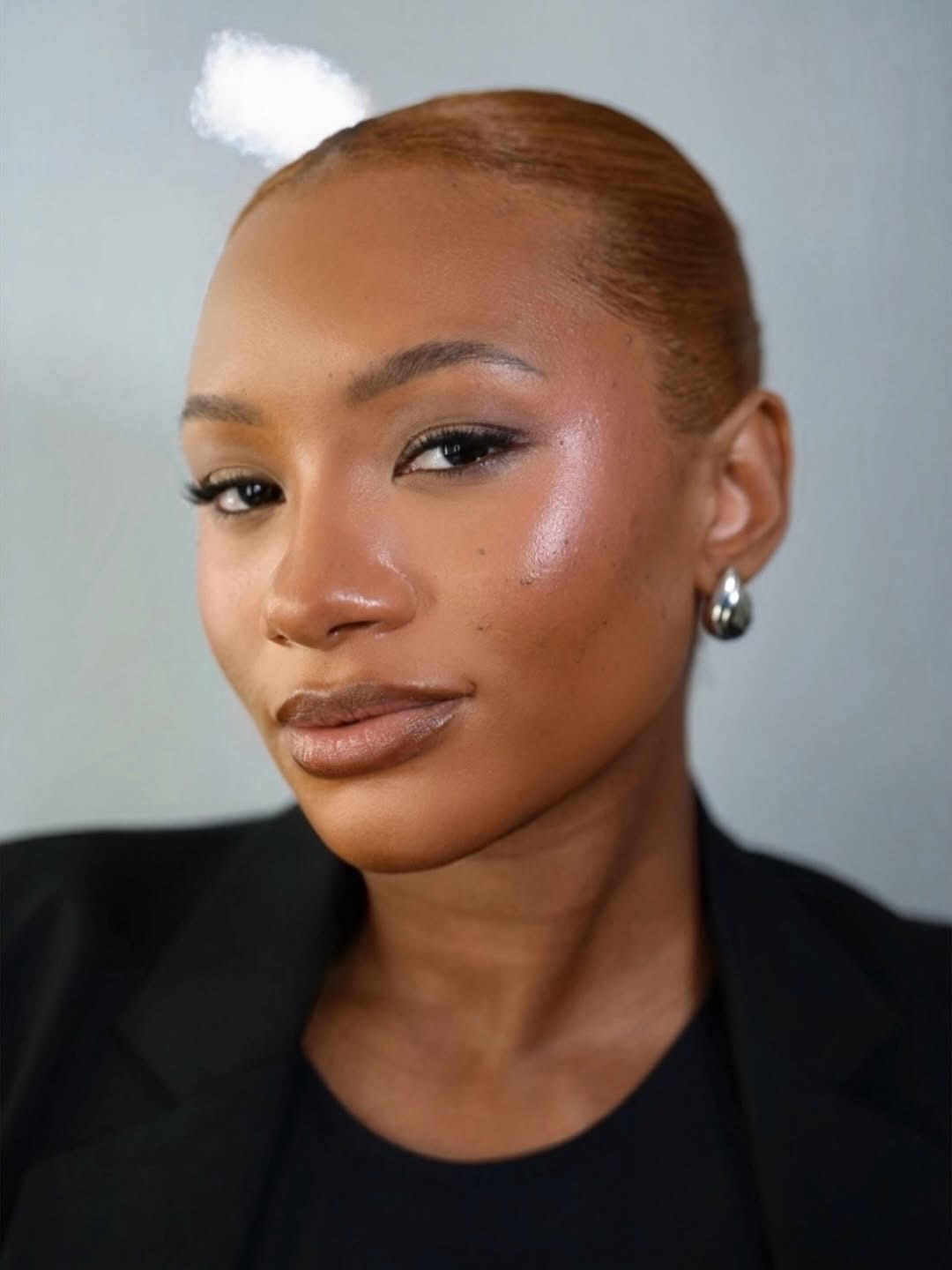
Beauty standards never stay fixed. For the past decade, the industry has celebrated a flawless, poreless complexion that almost looks airbrushed. Today, a different view of beauty dominates the conversation. People have become more comfortable with natural skin. Texture no longer feels like something that needs to be corrected immediately. Freckles, beauty spots and subtle variations in tone now add to a look instead of detracting from it.
This shift has changed the way consumers approach makeup. Many no longer see the value in covering every detail. Instead, they look for products that leave their skin visible while offering a touch of sophistication. The ‘your skin, but better’ philosophy perfectly reflects this mentality. Instead of creating a new face, makeup supports the face that already exists. Skin tones fit naturally within that approach, which helps explain why so many consumers continue to choose them over heavier alternatives.
Consumers want makeup that is comfortable

Appearance is still important, but comfort now carries equal weight in beauty decisions. Heavy foundations often feel unnecessary during long work days, hot afternoons, or busy schedules. Many people no longer enjoy the feeling of having multiple layers on their skin from morning to night.
Skin tones solve that problem. Their lightweight formulas leave skin feeling breathable while still providing enough coverage to create a polished appearance. The difference becomes especially noticeable in hot and humid climates, where heavy makeup can quickly become uncomfortable.
Lifestyle also plays a role. Modern consumers move between work meetings, errands, social plans and travel without having to constantly check or adjust their makeup. Products that feel effortless all day long obviously get an advantage. In many ways, the popularity of skin tones reflects a greater preference for convenience. People want beauty products that fit their lives, rather than requiring extra effort.
The influence of skinimalism
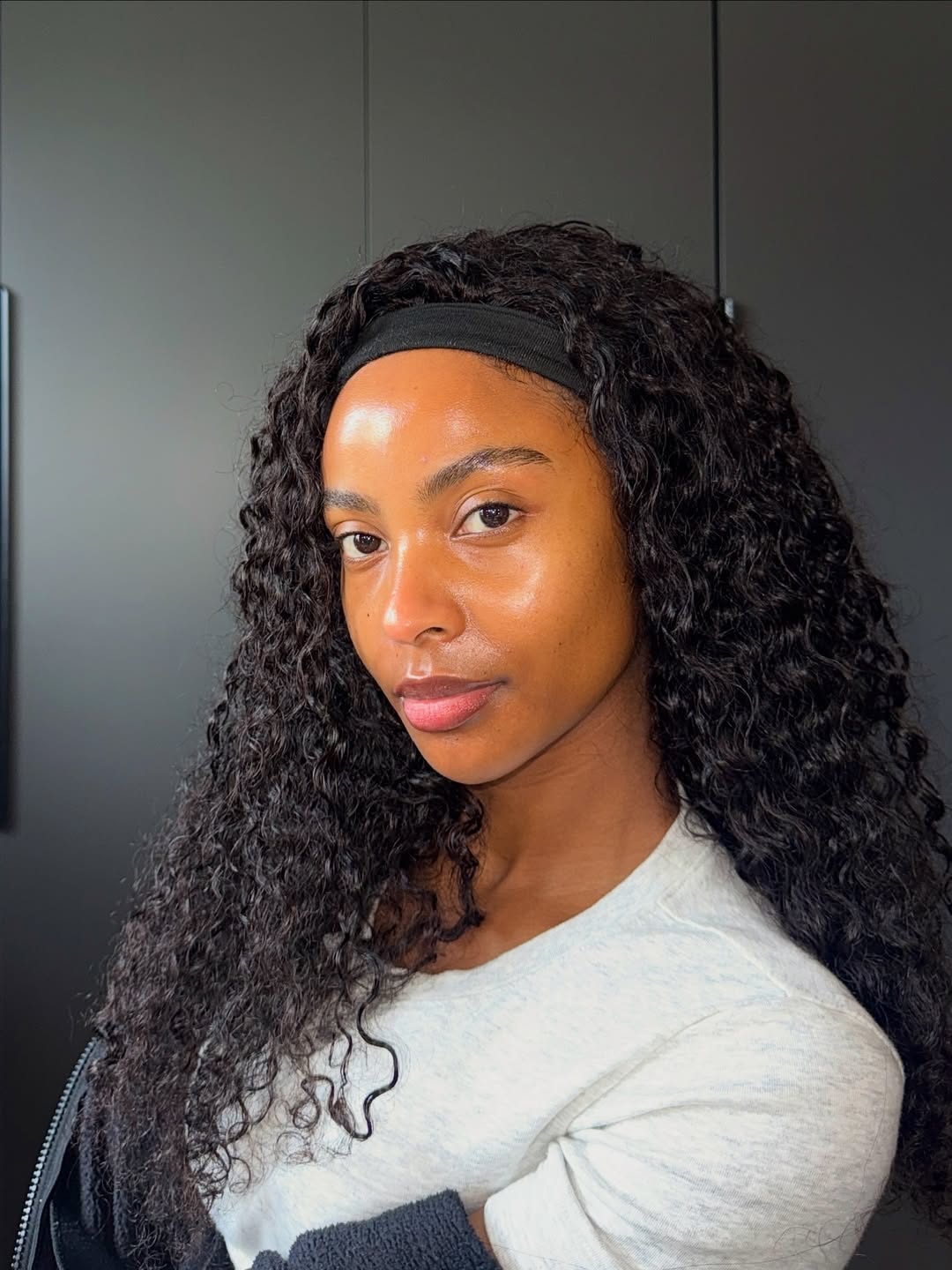
Few beauty movements have influenced complexion products as much as skinimalism. Skinimalism encourages a simpler approach to beauty. Instead of relying on multiple layers of product to create perfection, it focuses on healthy skin, supported by fewer, more intentional choices. The movement emerged alongside the growing interest in skin care. Consumers are now investing heavily in serums, moisturizers, treatments and sunscreens. As skincare routines improve, the need for heavy coverage often decreases.
That connection between skin care and makeup creates the perfect environment for skin tones to thrive. These products complement healthy skin instead of covering it. They allow consumers to show off the results of their skincare routines instead of hiding them under thick layers of foundation. For many beauty lovers, skinimalism feels refreshing. It takes the pressure off and delivers results that are polished and purposeful.
The post-pandemic beauty mindset
The pandemic has changed beauty habits in ways that continue to shape consumer choices today. Remote work, video calls and long periods of time at home led many people to simplify their routines. Full facial makeup no longer felt necessary every day. Comfort became a priority and beauty routines were adjusted accordingly.
Even after normal routines returned, many consumers continued the habits they developed during that period. They discovered they could feel confident without spending a lot of time applying multiple complexion products. This new mindset values practicality. People want products that fit seamlessly into everyday life, not products that require constant maintenance.
Skin tones came at just the right time. They provided enough coverage to inspire confidence and fit in perfectly with a more relaxed approach to beauty.
Social media helped normalize the natural complexion
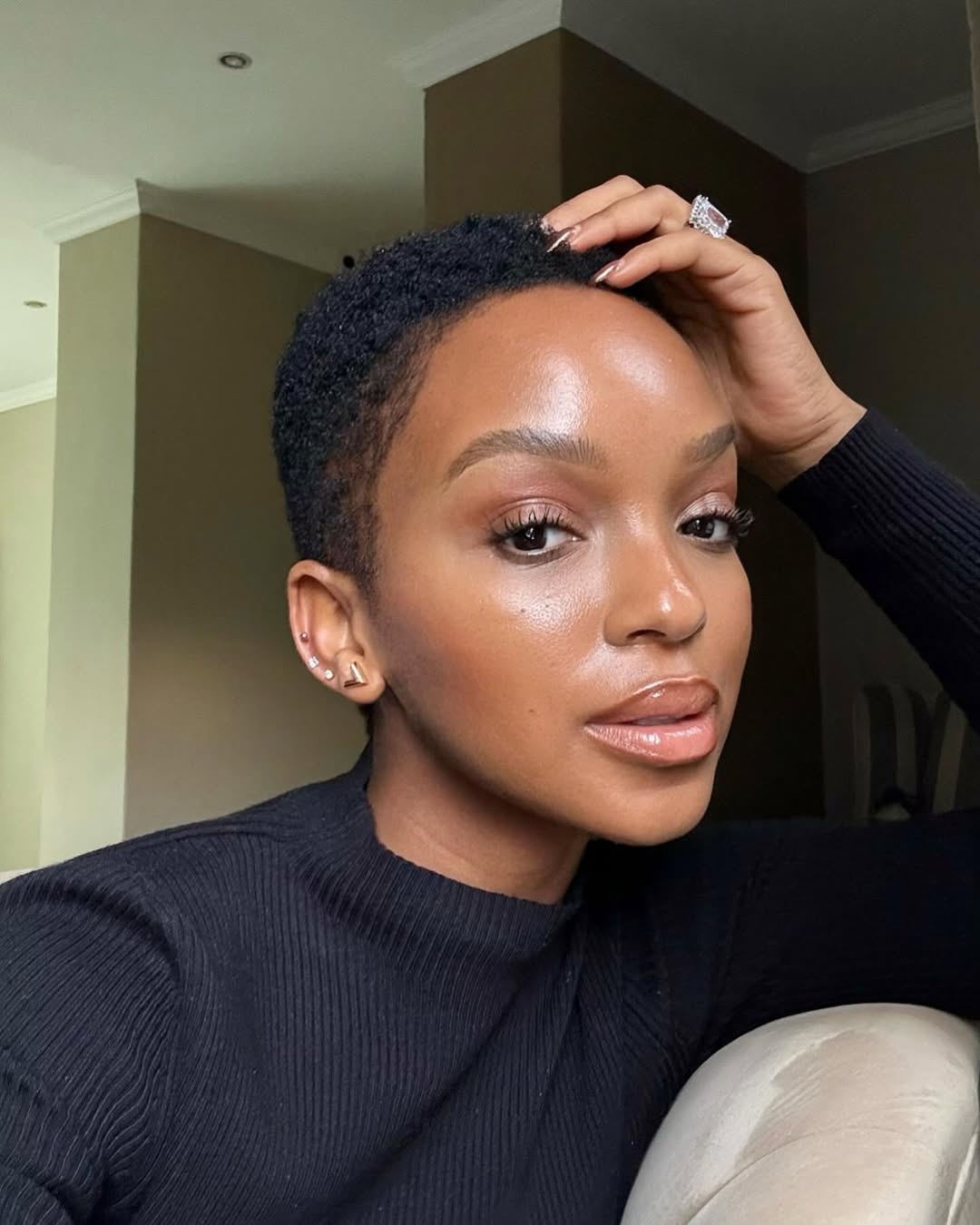
Social media has changed the way people look at makeup and skin. Platforms like TikTok and Instagram introduced a more intimate version of beauty content. Viewers now see makers applying products in real time, often under natural light and with high-definition cameras revealing every detail.
Those close-up views changed expectations. Audiences became accustomed to seeing real skin instead of heavily processed perfection. The popularity of “get ready with me” content has further accelerated this shift. Beauty creators often showcase skin tones because they deliver believable results, both on camera and in real life.
As more influencers embraced lighter messaging, consumers followed suit. A natural-looking complexion became aspirational in a way that heavily perfected skin once was.
Skin care and makeup merge
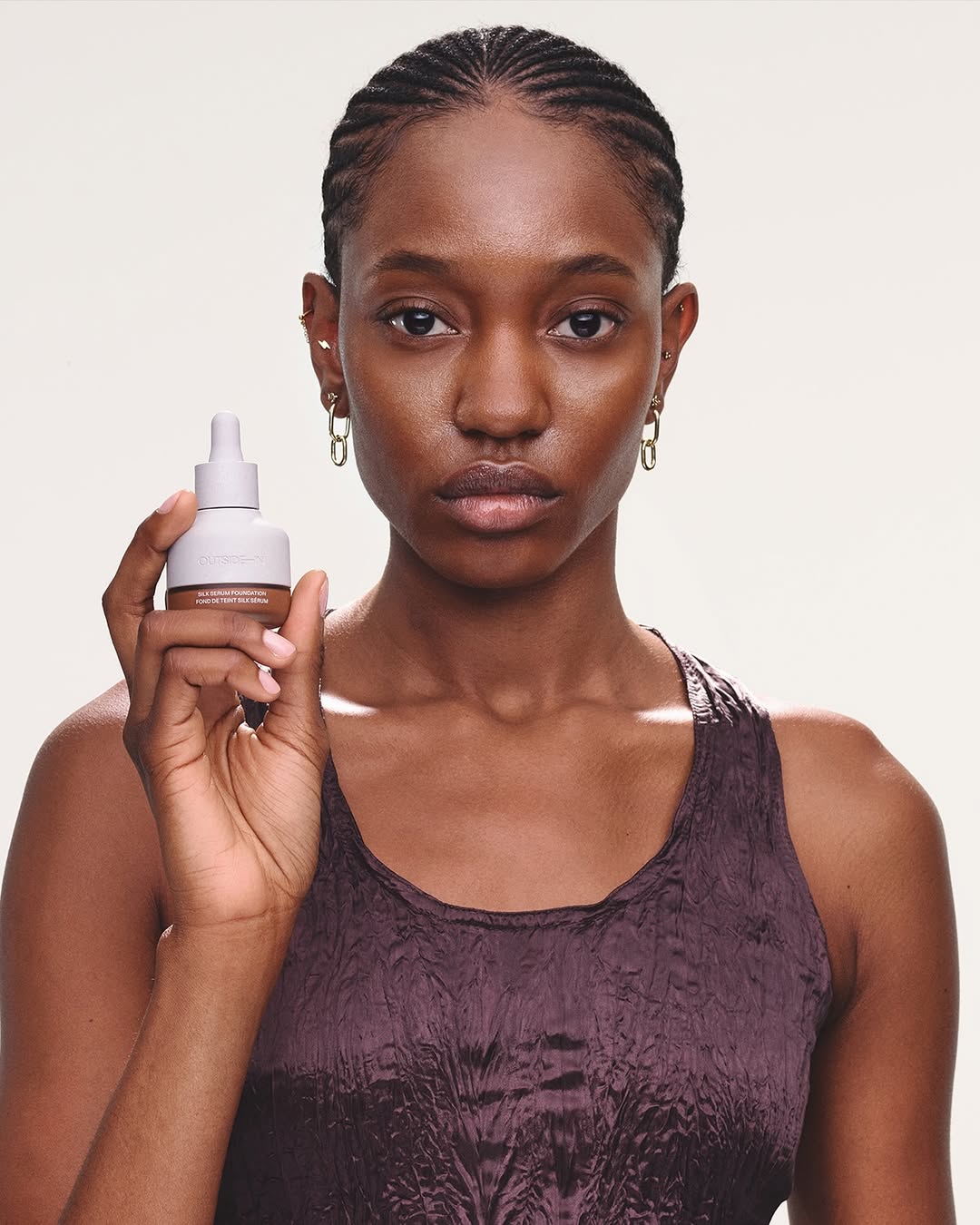
In the beauty industry, the line between skin care and makeup is increasingly blurring. Today’s consumers expect more from their products. Coverage alone rarely feels enough. People want hydration, sun protection, soothing ingredients and long-term skin benefits built into their makeup choices. Many skin tones answer this question beautifully. Modern formulas often contain SPF, hyaluronic acid, antioxidants and moisturizing ingredients that support the skin all day long.
This multifunctional approach appeals to consumers who want to simplify their routines. Instead of applying multiple separate products, they can achieve multiple benefits in one step. As hybrid beauty products become increasingly popular, skin tones remain perfectly positioned to meet evolving consumer expectations.
Full coverage foundations still have a place
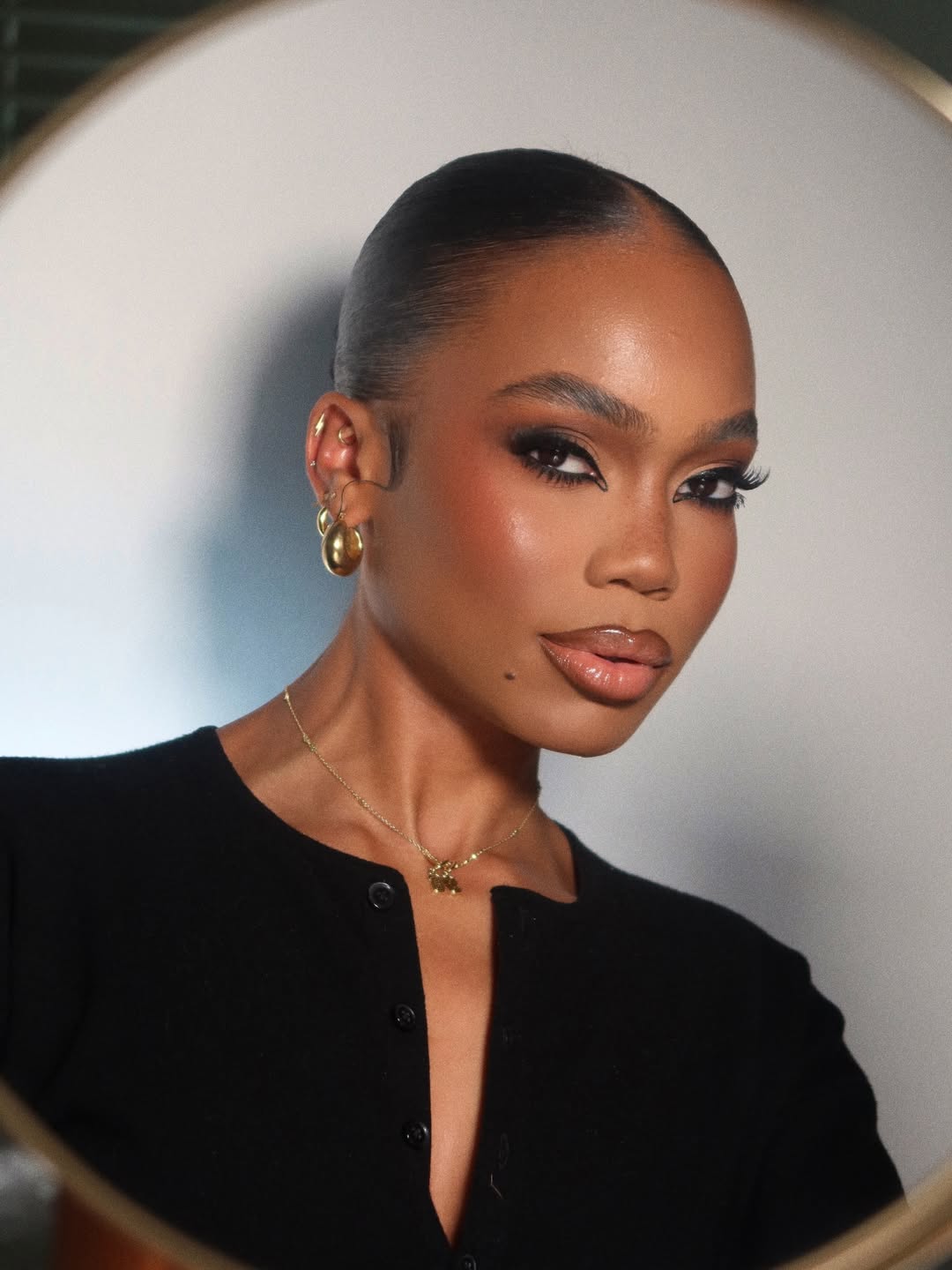
The success of skin tints doesn’t mean the end of full-coverage foundations. Certain occasions still require more coverage and longer life. Weddings, special events, professional photography, stage performances and formal celebrations often require products that deliver a more sophisticated finish.
Many makeup enthusiasts also enjoy the art of full glam application. Coverage, contouring and detailed complexion work remain important parts of beauty culture.
The difference is in the frequency. Full-coverage foundations are increasingly being used for specific occasions, while skin tones dominate daily routines. One product supports transformation. The other supports improvement. Both have value, but they now occupy different spaces within modern beauty.
What Skin Tone Sales Reveal About Beauty Today
The continued success of skin tints reveals something important about the current beauty landscape. Consumers no longer view perfection as the ultimate goal. Instead, they prioritize authenticity, comfort and flexibility. Makeup now works alongside natural features rather than trying to replace them.
Purchasing behavior reflects that change. Products that enhance, hydrate and simplify routines consistently attract attention because they align with modern expectations. The popularity of skin tones suggests that the future of beauty will continue to evolve towards products that feel effortless, customizable and skin-focused. Consumers want makeup that fits their lives, not routines that revolve around makeup.
The era of effortless complexion products
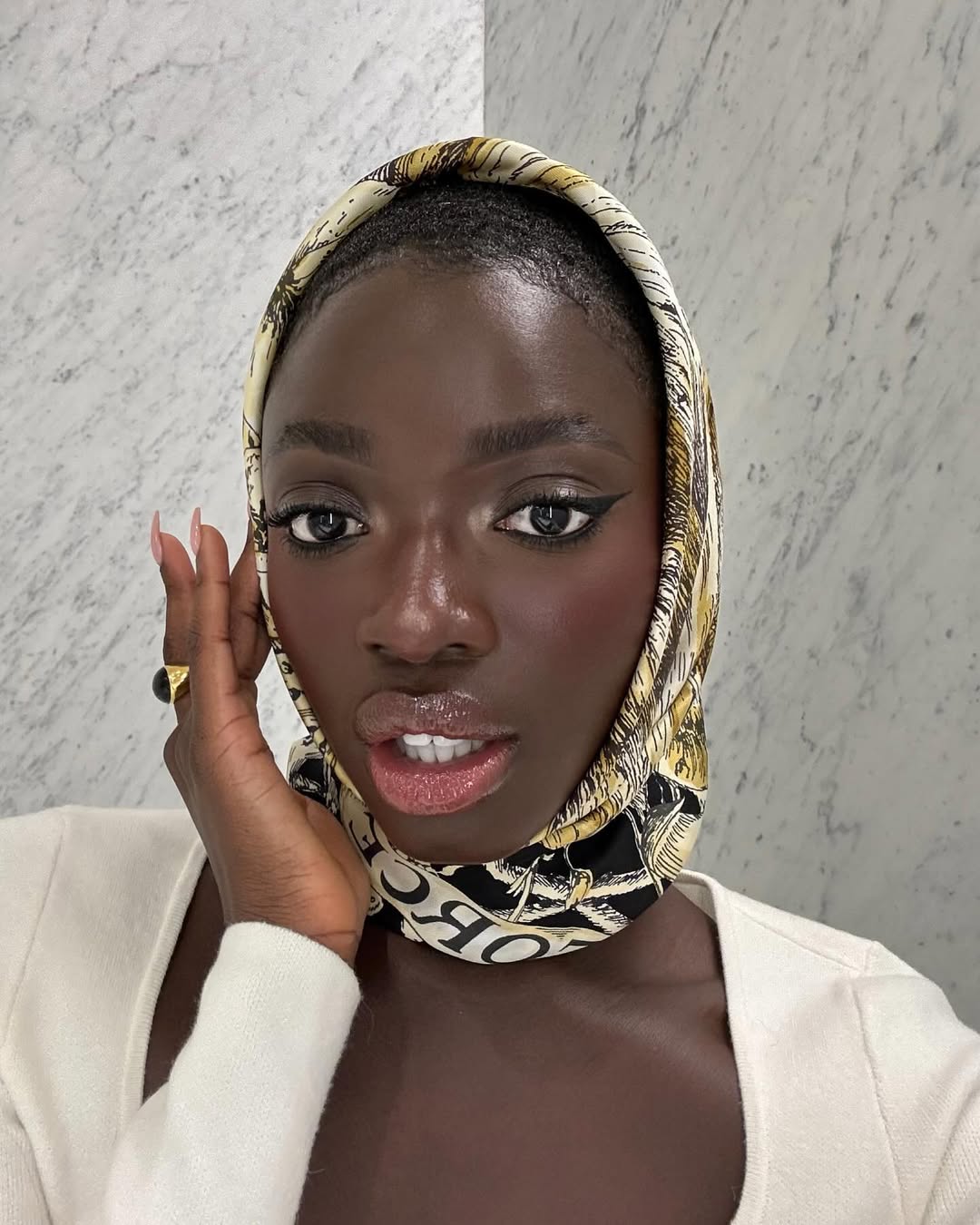
Skin tones continue to outsell full coverage foundations because they reflect where beauty stands today. They are lighter, apply faster and support a more natural-looking complexion without sacrificing self-confidence. Their success goes beyond messaging; it speaks to a broader shift in what consumers value.
Beauty enthusiasts are increasingly looking for products that enhance rather than conceal. They want skin that looks healthy instead of perfected, routines that feel manageable instead of time-consuming, and makeup that complements their features instead of completely covering them up.
Full coverage foundations will always have their place. Yet the rise of skin tones shows that modern beauty favors flexibility, authenticity and ease. Today’s consumers are not looking for products that fight against their skin. They choose products that work with them, which is exactly why skin tones continue to lead the conversation.
Shop editor’s picks