

Share the article
I love hopping on a flight to the old world as much as anyone else. But these days, as soon as the wheels land in Europe, the reality of modern travel hits home hard.
Major hubs like Rome, Paris and Barcelona are absolutely crushed by the crowds at the moment, and fighting for elbow room just to take a photo sounds tiring.
Lately I’ve found myself obsessed with it completely skip the huge tourist traps.
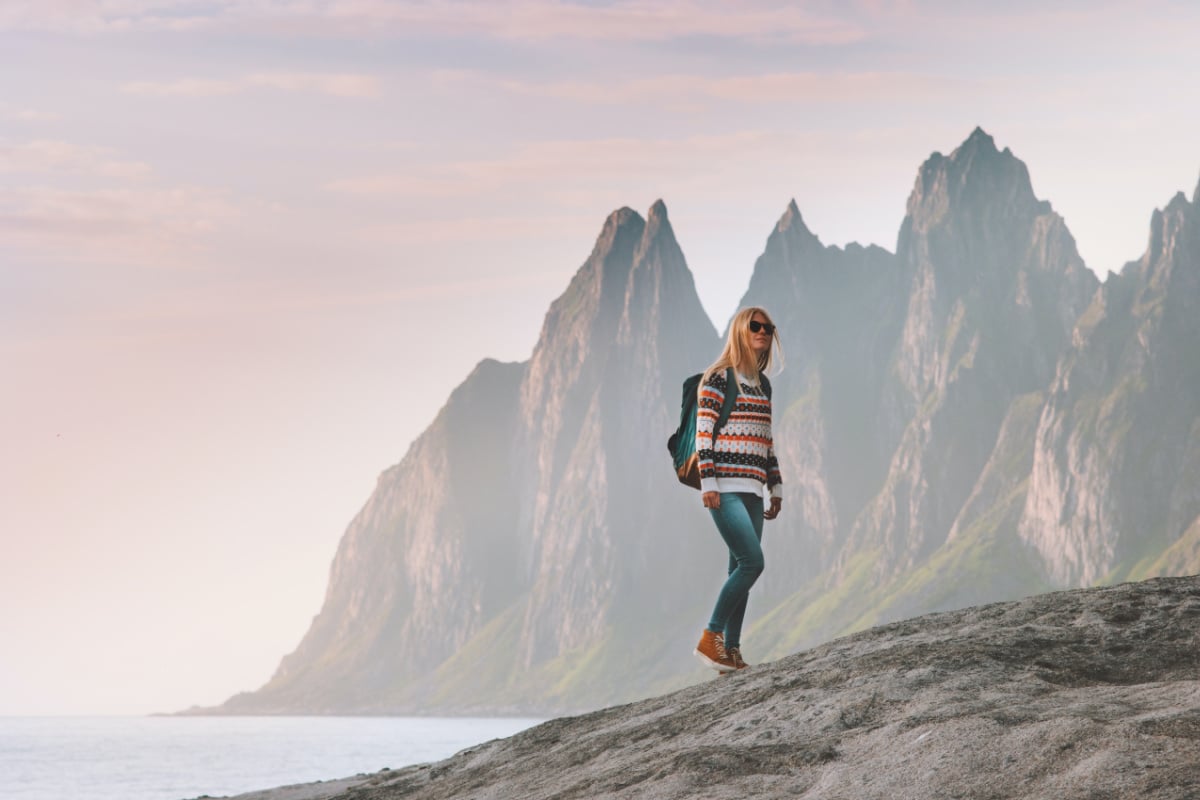
Working in this sector, I am fortunate to know hundreds of people in the travel industry: from hardcore backpackers and digital nomads to luxury resort scouts. I recently interviewed a handful of my friends who skip the familiar and asked them to give up their ultimate, untouched hidden gems.
I told them I wanted places that were wild, peaceful and completely off the radar of the megatours. If you’re ready to strap on your favorite backpack, earn your say and trade the long lines for total isolation, here they are the 5 off-the-grid European places everyone should visit at least once.
1. The Zagori region, Greece
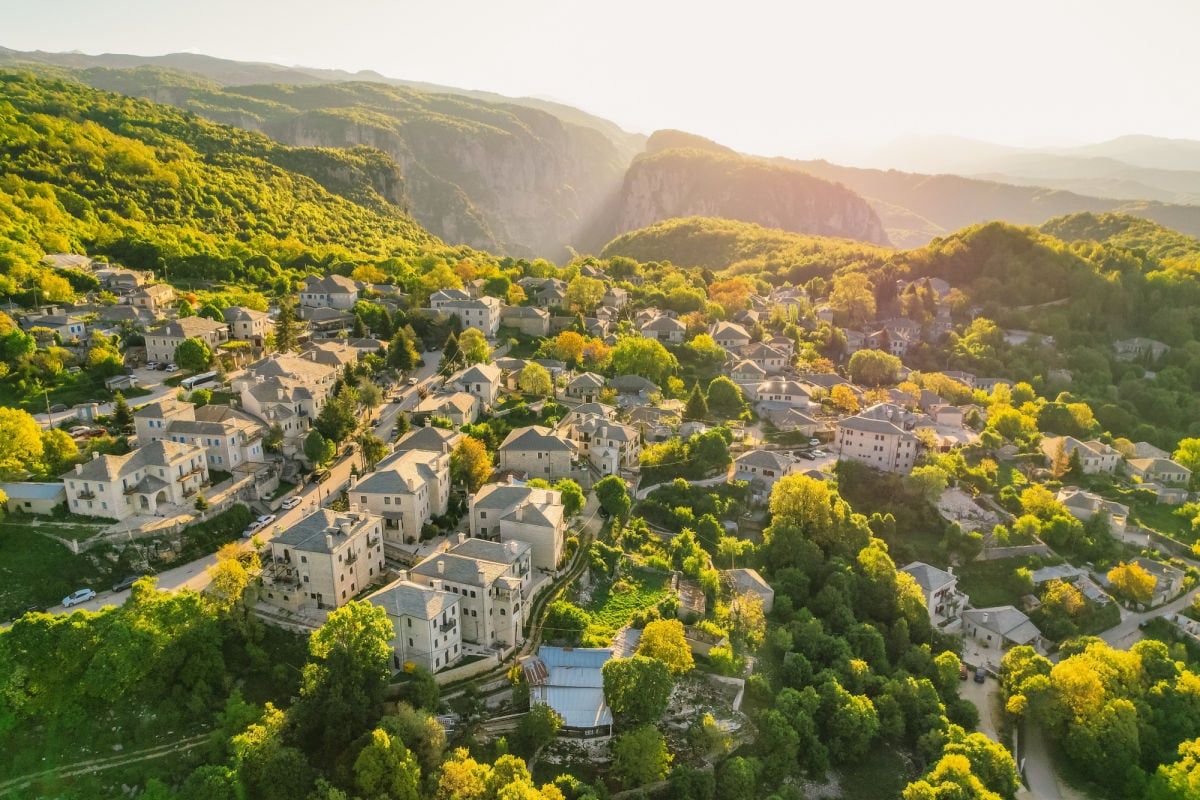
Whenever I thought of Greece, my thoughts immediately went to the packed, sun-drenched islands and overcrowded ferries. Zagori completely flips that script. This isolated plateau is hidden high in the Pindus Mountains in northwestern Greece packed with 46 incredibly preserved stone villages that I am absolutely dying to explore.
- The atmosphere: The entire area is cut off from the rest of the world by the Vikos Gorge. It even holds the Guinness record as the deepest gorge in the worldin proportion to how narrow it is. The photos make it look huge and totally wild.
- The ground experience: The locals built historically intricate, towering arch bridges here, entirely without mortar, just to get around. You can spend the day walking along the ancient stone paths to the Voidomatis River. The water is fed by crystal clear springs and has an ice-cold temperature of 8.5 degrees Celsius all year round.
- When I plan to go: I have a trip in mind in the spring, specifically April. The high-altitude air is still clear, the summer crowds have not yet arrived, and the river is flowing with fresh melted snow.
2. Senja Island, Norway
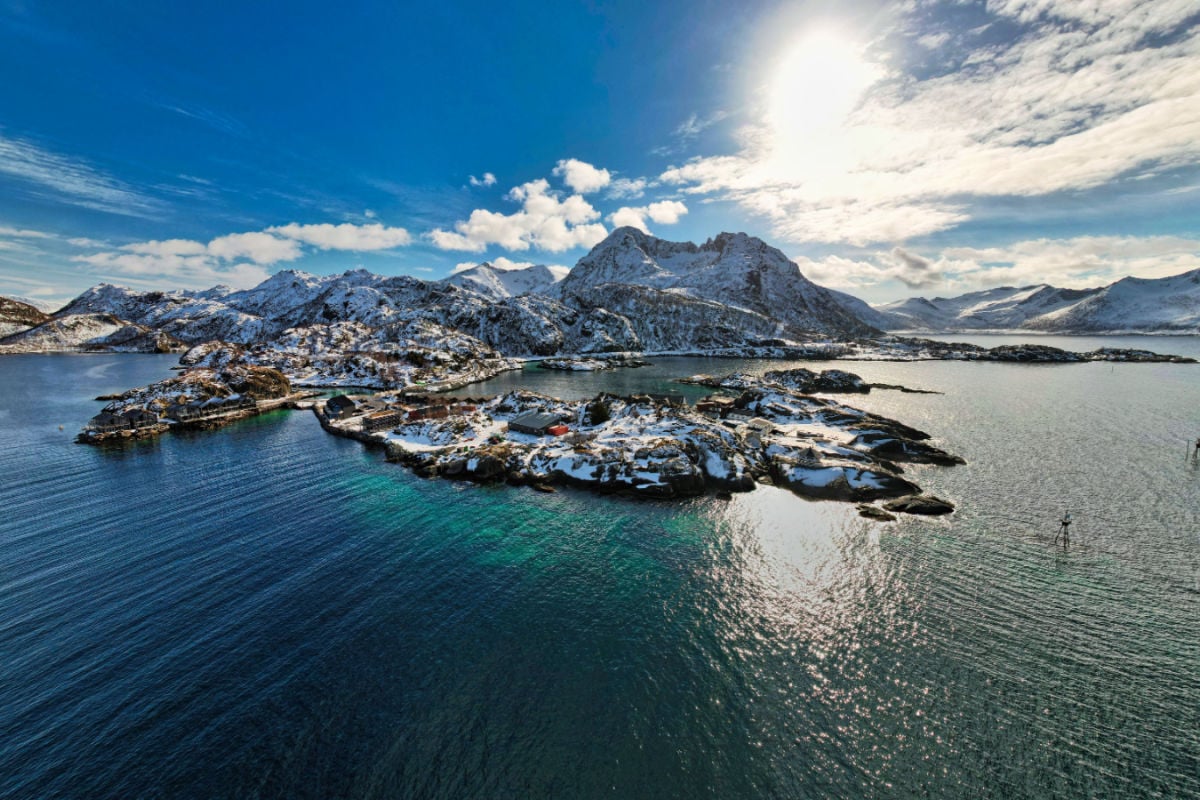
With European summers getting so intensely hot lately, I’m leaning heavily towards the idea of booking a ‘coolcation’. Norway is at the top of my radar. Located 300 kilometers north of the Arctic Circle, Senja Island offers all the jagged mountain peaks and deep turquoise fjords of the famous Lofoten Islands, but without the suffocating crowds.
- The atmosphere: This place is completely dictated by the crazy effect of aurora borealis. That’s possible in summer, take a mountain climb at midnight under the midnight sunor catch the Aurora Borealis during the total polar night in winter.
- The ground experience: I’m already planning to take the walk to the cliffs of Hesten. It’s quite a trek, but it apparently gives you the best vantage point to see Segla, a huge rock monolith that drops straight down into the icy ocean.
- The food: You can’t leave without eating Skrei. It is a strange, migratory Arctic cod that swims more than 1,000 kilometers from the Barents Sea to the waters around Senja. It goes straight from the ice-cold water to your plate.
3. Marvao, Portugal
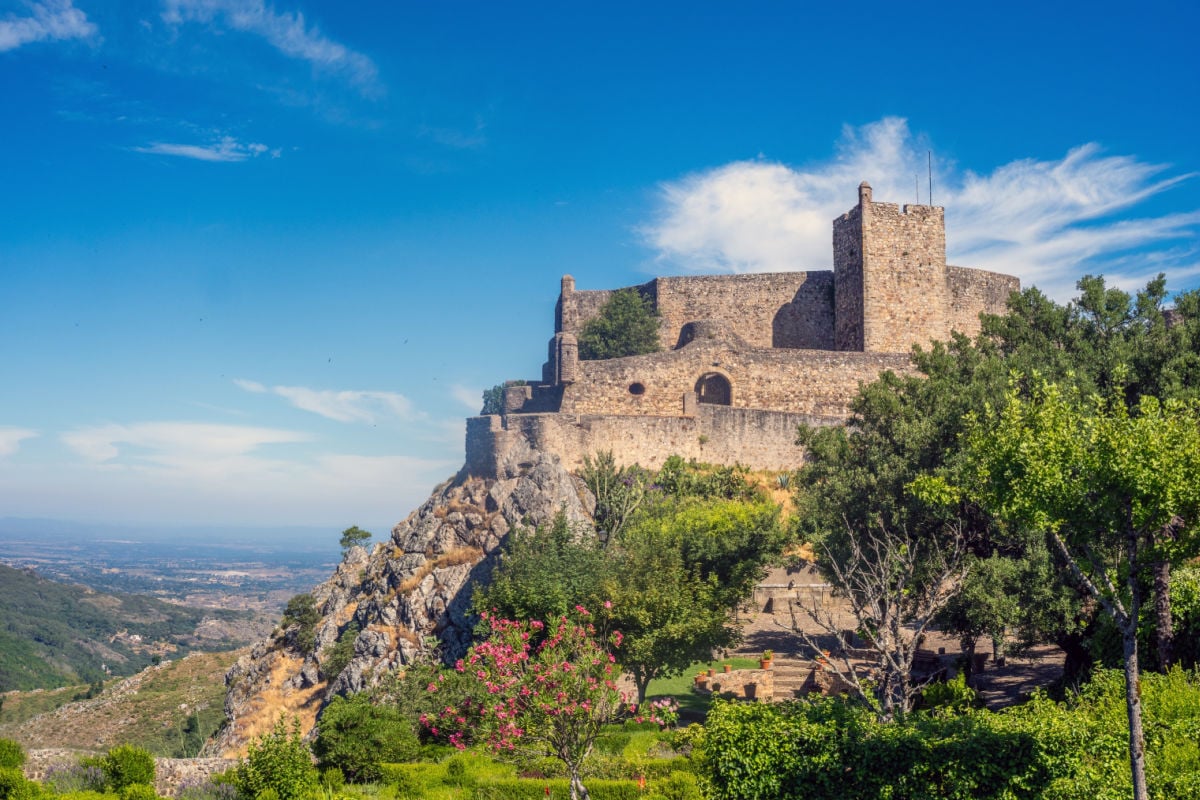
I’m a big fan of the Portuguese coast, but everything I research about going inland to Marvão sounds like stepping into a time machine. Forget the busy resort beaches in the south; this is a walled medieval settlement on top of a huge quartzite rock over 800 meters high.
- The atmosphere: The village was originally founded in the 8th century and is completely surrounded by 13th century granite walls. Actually, if you look at the drone shots of it from below, it is looks like a whitewashed fortress hanging in the clouds.
- The ground experience: Being right on the porous Spanish border, the surrounding dense forests have traditionally been used by locals to smuggle contraband. Today you can take two-hour guided hikes to follow those ancient clandestine smuggling routes through the forest.
- How do I get there: I will definitely skip the train for this, as there are no direct train connections to the top. It seems like it’s a play to catch a Rede Expressos bus from Lisbon. It takes about four hours and twenty minutes to cross the plains directly to the area, so you don’t have to worry about navigating.
4. Banská Štiavnica, Slovakia
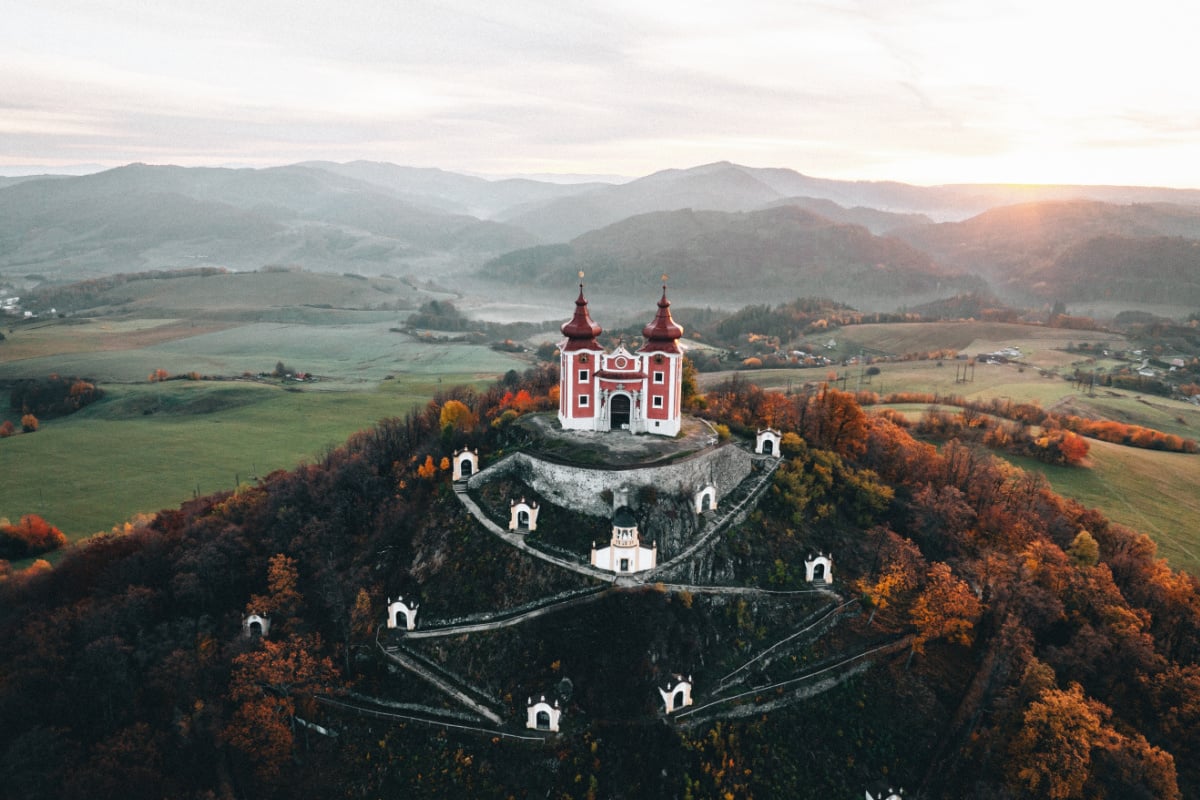
This one absolutely blows my mind. Banská Štiavnica is a town literally built into the collapsed caldera of an ancient volcano. Thanks to the insane amount of silver and gold hidden in that volatile rock, it became a hugely prosperous mining center centuries ago.
- The atmosphere: When the veins of silver finally ran out, the city essentially froze in time. They didn’t have the money to modernize in the 20th century the beautiful Gothic and Renaissance architecture has been perfectly preserved.
- The ground experience: To prevent the deep mine shafts from flooding in the past, local engineers built the Tajchy: a brilliantly conceived network of sixty artificial lakes. Today, these pristine, forest-lined lakes serve as completely tranquil recreational reservoirs for swimming and hiking.
- The ultimate flexibility: The city is the birthplace of the world’s longest love poem. They cleverly transformed the historic home of the poet’s muse into the “World’s First Love Bank.” You can even rent a safe in a huge vault made up of the poem’s verses to store personal tokens of affection.
5. The Beara Peninsula, Ireland
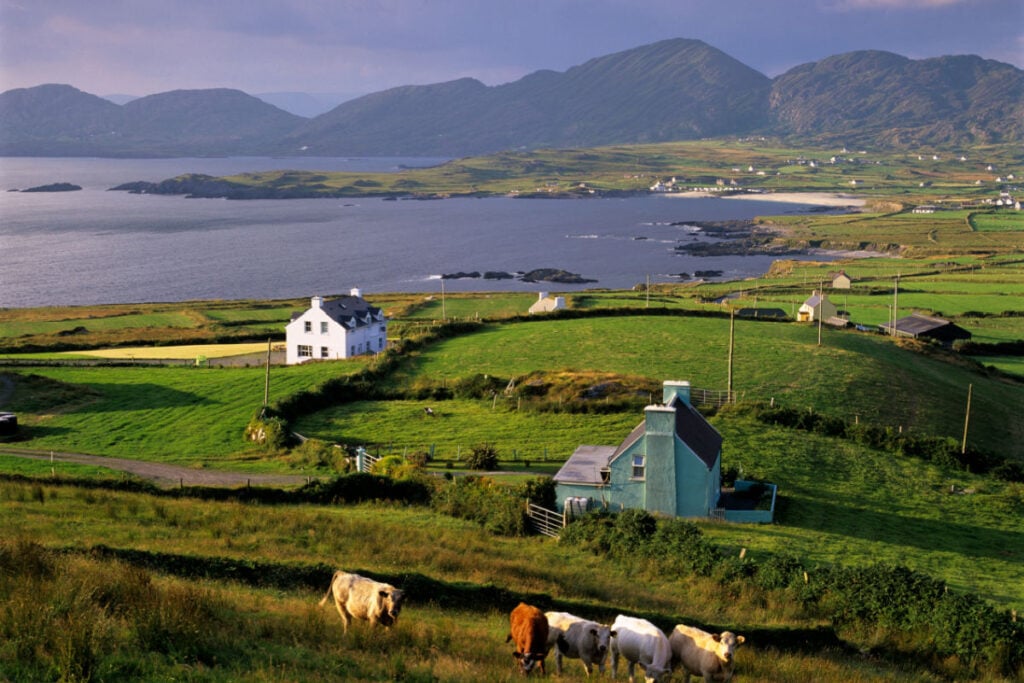
Everyone always talks about driving the Ring of Kerry, but as I plan an Irish road trip, my main goal is to avoid the bumper-to-bumper tour buses. Instead, I continue to be drawn to the Beara Peninsula, and it looks completely pristine and untamed.
- The atmosphere: This is rugged maritime Ireland at its best. You can drive along the winding hairpin bends of the Healy Pass, through desolate, rocky terrain where you can drive for miles without seeing another car.
- The ground experience: At the far western edge of the peninsula you can take Ireland’s only cable car across the swirling Atlantic Ocean to Dursey Island. The car floats 250 meters above the water and can carry a strict maximum of six passengers, although you will often share your ride with local sheep.
- The food: The seafood here is said to be incredible and completely unpretentious. My absolute dream move is to sit in a pub in the village of Kilmakilloge and eat a bowl of fresh mussels harvested the very same day from the harbor directly in front of the building.
Take this quiz now to find your perfect match!