

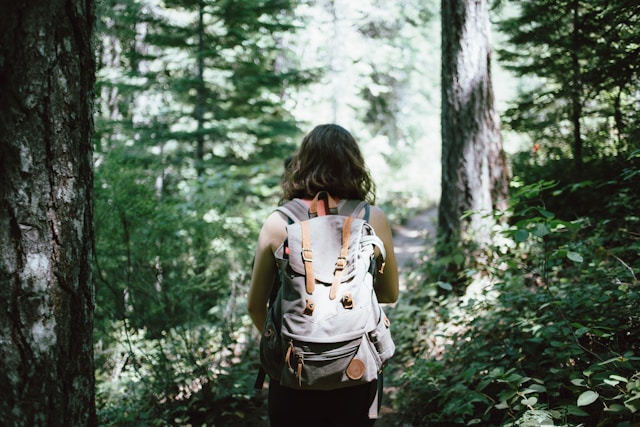
Mental health struggle and addiction repair are brutal. Like, really brutal. Your brain feels like it’s constantly at war with itself. The stress levels run through the roof, and sometimes just through the day, feels impossible. But here is something that you could surprise: walking out and walking between trees or grass. Moreover, the walking of a trees can even re -wander your brain again in ways that support the healing of mental health.
Last Tuesday I saw my neighbor Jake stumbling from his house as if he had been hit by a truck. Dark circles under his eyes, curved shoulders, who get defeated look people when life feels too heavy. Three hours later? The same guy, but walking back from the park with real color in his cheeks and – I almost swear – smiling.
What happened in those three hours? A simple walk through nature. And before you roll with your eyes, this thinks that this is nonsense, I hear.
I’m not talking about a magical remedy here. But research shows that spending time in nature can drop your stress hormones by 21%. For someone who is dealing with addiction or mental health Problems, that’s huge. High stress activates craving for craving, desires lead to relapse and the cycle continues. Nature walks? They can help break through that cycle.
The best part is that mental health care costs nothing through nature. No sports costs, no special equipment, no appointments. Only you, some fresh air and whatever green space you can find.
Your brain on nature (it’s pretty wild)
Okay, so here things become interesting – and a little nerdy, but stay with me. When you step outside, your brain literally changes how it works. Scientists call it ‘soft fascination’, which sounds like something from a novel novel, but is actually about how nature gently attracts your attention without overwhelming your thinking.
Imagine your brain as a smartphone that has performed too many apps. It is hot, slow and the battery dies. Nature is like closing all those apps and cooling.
Studies show that people who hang out in green spaces have less activity in their subgenual prefrontal cortex. That is the brain area linked to depression and that endless loop of negative thoughts that can feed the use of the resources. When nature brings this mental chatter to rest, it creates space for healing mental health.
The Japanese discovered this centuries ago with something that is called “forest baths”-shinrin-yoku. It is not about exercise or walking. You just exist … in nature. Research shows that it increases your immune system, lowers blood pressure, increases cells of disease control. For someone in recovery, a stronger immune system means better health and resilience in general.
But here is the real kicker: nature causes the natural feel-good chemicals of your body endorphins. These are the same chemicals that artificially stimulate substances. So walking in nature gives your brain a natural high. This can reduce desires and offer a healthy alternative to substance use. Programs that include Export control and addiction treatment Use outdoor activities often for precise this reason.
Why nature walks are like stress fights super power
Stress is the worst enemy of Recovery. It makes everything more difficult, knew your judgment and actually turns your brain into that friend who panics everywhere. Nature walks are like a secret weapon against stress that you can withdraw at any time.
If you are surrounded by trees, water or even the open air, your nervous system will shift with the meters. It goes from the mode “Everything is on fire” to the mode “Okay, we can now breathe”. This also happens quickly – within five minutes your heart rate slows, breathing deeper, muscles relax.
Nature walks also offer what psychologists call ‘attention recovery’. When you are dealing with addiction repair, your brain constantly works overtime. Making decisions, resisting drives, processing emotions – it’s tiring. Nature gives your brain a break of all that mental heavy lifting.
The current rhythm also has this meditative quality. Every step comes to rest like a mantra, racing thoughts and brings you in the present moment. This mindfulness aspect helps mental health because it interrupts the care cycle of concerns that often comes with addiction repair.
Build your recovery routine around green spaces
Recovery loves structure, and nature walks can become the backbone of your daily routine for mental health care. In contrast to memberships of the gym or therapy agreements, nature is open 24/7. Morning walks to determine intentions, afternoon walks to break stress, evening walks to decompcrimer – Take your choice.
The beauty of nature runs for mental health? They are flexible as hell. Feeling energetic? Go for a walk. Hardly any functioning? A soft walk also works. Both help. Consistency beats intensity every time. Even a 10 -minute walk around the block can shift your mood.
Many people in recovery change nature runs into moving meditation. They practice gratitude, postpone daily intentions or just observe thoughts without judgment. This builds emotional regulation skills that are crucial for the success of mental health recovery in the long term.
Here is something that I have noticed: nature walks create natural opportunities for social connection. Walking groups, hiking buddies, even only nodding to other walkers – these small interactions combat the insulation that often comes with addiction and struggle of mental health care. Skypoint Recovery Virginia Expert Support Programs often include groups of nature activities to build community and support.
There is something outside that together breaks walls, people usually stay with.
Drawing up your personal psychiatric nature plan
Starting a nature -based mental health practice requires no chic equipment or detailed planning. Start where you are with what you have. City person? Find parks, roof gardens lined with trees. Rural area? Trails, fields, waterways are your playground. The goal is regular exposure to nature for the benefits of mental health.
Keep a nature diary if you like things like that. Follow how different outdoor experiences influence your mood and craving. You may discover that morning walks give you energy while evening walks help you to relax. Some people think that water sounds are soothing for their mental health, others prefer Forest to Stop or Meadow Openness.
Don’t let it stop your mental health routine again. Rain walks can be therapeutic (with the right equipment), winter landscapes offer unique benefits. Dress well, adjust the expectations. A snowy 15 -minute walk can be just as recovering as a summer -long walk.
If you work with a treatment center, ask for adding nature walks to your recovery plan.
Reality check time: Nature Walks Support but do not replace professional mental health care. They work best in combination with therapy, support groups, medical care if necessary. See them as a powerful tool in your recovery toolkit – always available, takes nothing but time.
Your next step outside starts now
Nature walks offer simple but powerful support for addiction repair and mental health. They reduce stress, offer natural mood boosts and create opportunities for healthy routines. Whether you start with recovery or strengthening existing practices, the outside time can be valuable for your journey in mental health care.
Your mental health earns every available tool. Nature is free, accessible and waiting outside your door.


