


Some trends should never leave the animal farm, and freezing branding on human skin is certainly one of them. Somewhere between curiosity, rebellion, and the pursuit of shock value on social media, people started experimenting with an idea that was never intended for humans. What was once used to mark livestock for identification has somehow been rebranded as a form of self-expression, ignoring one crucial fact: human skin isn’t built for it.
Freeze branding may seem like a bold way to claim individuality, but in reality it is one of the most painful and permanently damaging things you can do to your body. Before you dismiss it as just another exciting experiment, it’s worth understanding what this trend actually means, where it came from, and why it’s a decision your skin (and your future self) will regret.
What exactly is Freeze Branding?
Freeze branding is a process that uses extremely cold, usually liquid nitrogen or dry ice mixed with alcohol, to scar the skin and destroy pigment cells. Originally developed as an identification method for cattle and horses, it was never intended for human use. The science behind it is simple but brutal: the cold kills pigment-producing cells, leaving a lighter strand of hair that serves as a permanent mark.
Sounds clinical? It is. But that’s because it’s designed for animals, not humans. Human skin simply isn’t built to withstand that kind of frostbite-level trauma. When applied to the body, Freeze Branding doesn’t just change the pigment. It burns through the layers of the skin, damages the nerves and can even damage the tissue beneath the surface.
How did it even become a thing for people?
Like many dangerous beauty and body mod trends, Freeze Branding has entered pop culture via shock value. Some began to see it as an extreme form of body art – a symbol of strength, individuality or rebellion. It gained traction in underground circles where pain was romanticized as proof of authenticity or emotional depth.
But here’s the truth: what was once considered “raw” or “real” is actually reckless. Freeze branding on human skin has never had a safe or standardized process. There are no trained artists, no sterilized tools and certainly no regulated way to heal. It’s not art. It’s self-inflicted damage dressed up as an expression.
The real side effects of Freeze Branding on human skin no one tells you about…
Freeze burn on human skin may look like a superficial wound, but it is actually long-term damage. The cold burns can lead to blistering, tissue death and permanent discoloration. On fair skin, the scars may look white and blotchy; on darker skin they are often keloid and form thick, raised scars that never fade. Nerve damage is also common. Some people are left with areas that remain sensitive or numb for years.
And then there is the risk of infection. The wound remains open for days, creating a perfect entry point for bacteria. What starts as an “explanation” can quickly turn into a serious infection or even blood poisoning. No aesthetic result is worth that much pain, or the lifelong memory it leaves behind.
Why people have nothing to do with that

The human body was never designed for surf, whether hot or cold. Our skin is complex and heals in unpredictable ways in different shades and textures. What often appears online as a “cool scar” is usually a heavily filtered glimpse into a painful, messy, and risky healing process.
On a deeper level, this trend begs a question: why would we feel the need to brand ourselves in the first place? For some it is about identity, control or taking ownership of one’s body. Yet control does not have to come at the expense of pain. Body art can be expressive, creative and safe, while celebrating individuality. However, freeze branding doesn’t offer any of that. It gives no power; it endangers.
The better way to make a mark
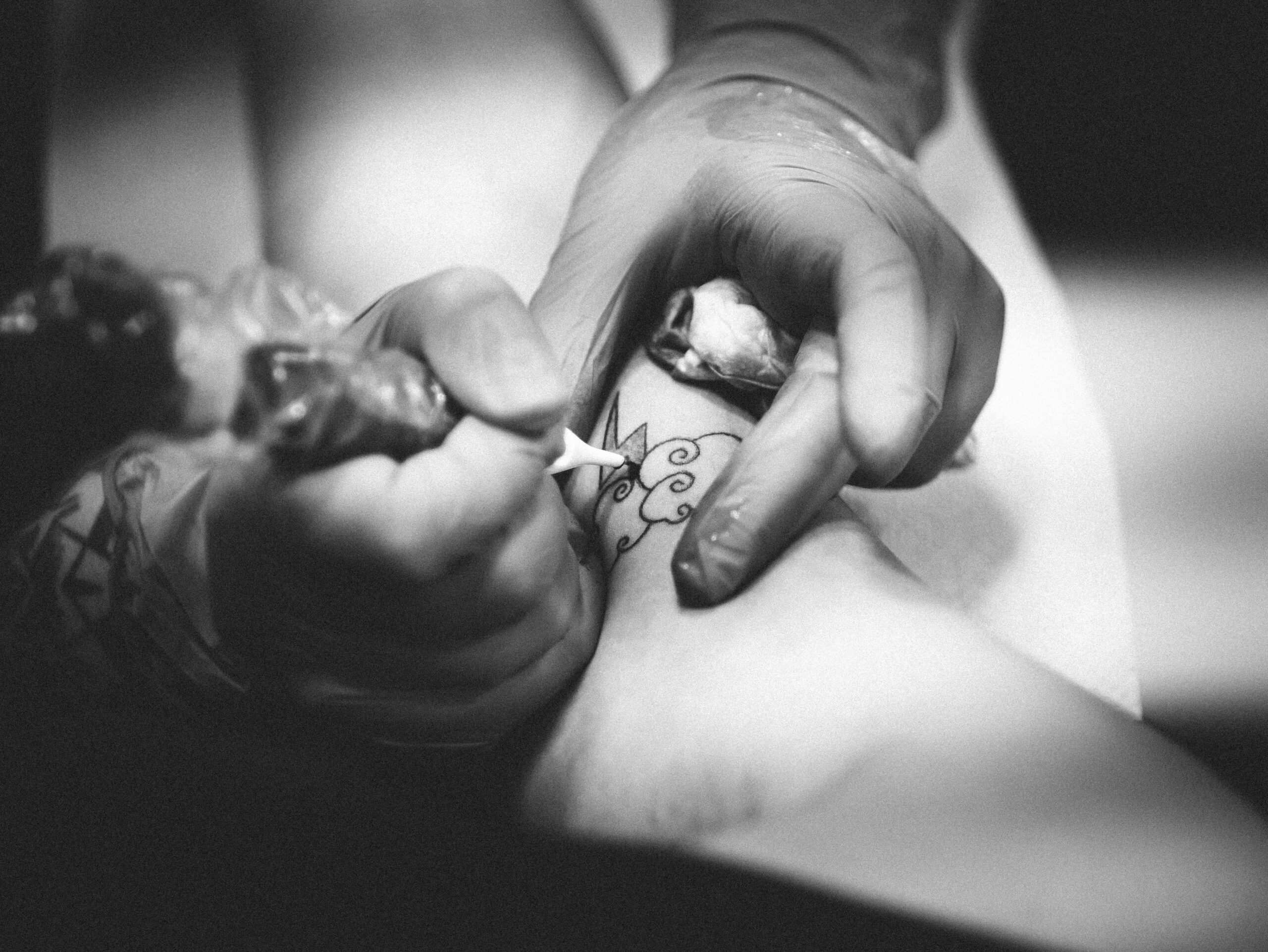
If you’re drawn to permanent body art, there are safe ways to express yourself. Opt for tattoos from licensed professionals or explore temporary options such as henna, body painting or minimalist ink designs. You can show individuality without turning your skin into a battlefield. Freeze branding is outdated, dangerous and completely unnecessary. You don’t have to scar yourself to prove that you are unique; your skin already tells a story worth protecting.
While freezing branding on humans may seem daring in theory, in reality it is permanent damage masquerading as rebellion. It’s not an explanation; it is a risk with lifelong consequences. This trend is a thing of the past: on livestock, not on human skin. Keep your body art creative, not catastrophic, and remember: nothing about enduring pain that leaves permanent scars is empowering.
Featured image: Jacob Wackerhausen/iStock
Follow us on Instagram for the latest news in fashion, lifestyle and culture @StijlRave
—Read also