


Red and copper tones are once again taking center stage, with countless people embracing the warm, radiant energy of ginger hair. But what many only realize after that first salon visit is how delicate this color really is. It fades faster than most shades, especially when exposed to sunlight, heat or the wrong shampoo. That’s why learning how to maintain ginger hair has become as essential as choosing the perfect tone.
The magnetic appeal of ginger hair is undeniable. Its warmth, intensity and rare shine make it one of the most admired shades in the color spectrum. From soft copper and strawberry blonde to deep auburn and fiery red: ginger tones have an almost ethereal quality that catches the light like no other. But for anyone who has embraced this striking shade – natural or dyed – the real challenge lies in keeping its sparkle alive.
What makes the color so captivating is also what makes it easy to maintain. Red pigment molecules are larger than those in most other colors, meaning they wash out more quickly and penetrate less deeply into the hair shaft. Even after a perfect salon session, ginger shades can lose their shine within a few weeks. Yet, with the right care, this radiant hue doesn’t have to be fleeting.
Before we get into how to care for it, let’s take a look at some of the most frequently asked questions about ginger hair: from its origins to how it behaves over time. These cultural curiosities and genetic facts provide deeper insight into what makes this fiery shadow so fascinating.
Why is someone with red hair called Ginger?
The nickname “ginger” has an interesting history. It is believed to have originated in Britain, inspired by the reddish-golden hue of the ginger root. The term later gained traction through pop culture, think of Ginger Gilligan’s Island or Ginger Spice from the Spice Girls, confirming the link with redheads. Over time, ‘ginger’ came to represent not just a hair color, but also an attitude: bold, vibrant and unforgettable.
Why is red hair called ginger?

Although “red hair” and “red hair” are often used interchangeably, true red hair rarely looks bright red. Instead, it has golden undertones closer to copper or maroon, much like the spice itself. The color variation comes from a pigment called pheomelaningiving the hair its characteristic orange-red hue. Unlike eumelanin (found in brown or black hair), pheomelanin reflects light vividly, giving red hair an unmistakable shine.
Can black people have ginger hair?

Absolute. Ginger hair is not limited to fair skin tones. In people of African descent, natural red or copper hues can occur due to genetic variation, often linked to ancestral mutations in the MC1R gene or due to mixed heritage.
Although red hair is naturally less common among people of African descent, it is certainly not exclusive to one group. Ginger hair occurs in a wide range of ethnicities, including African, Middle Eastern and Polynesian descent. At its core, ginger hair is not about race, but about genetics.
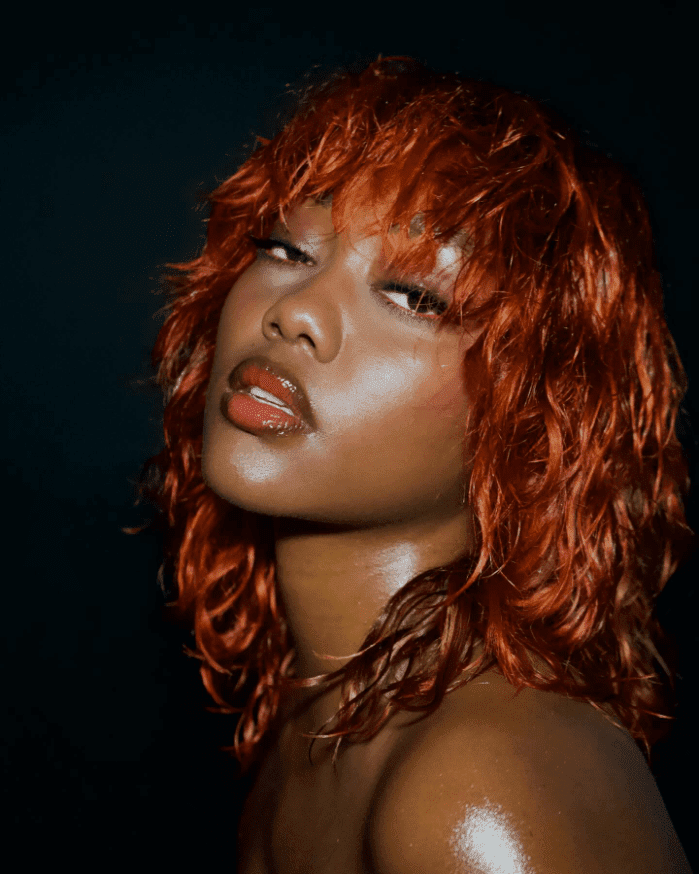
Biology aside, ginger shades have become a defining beauty statement among black women, embraced by coppery dyes, wigs and creative color blends. The contrast between rich skin and glowing copper tones creates a stunning visual harmony that continues to dominate fashion and social media.
Does ginger hair turn gray?
Interestingly, natural redheads tend to skip the traditional graying process. Instead of immediately turning white or silver, ginger hair gradually fades into soft shades of rose gold, strawberry blonde or silvery copper. This happens because red pigments are the last to fade during the aging process. While brunettes and blondes often see gray locks early, natural redheads retain their warmth well into their later years – one of nature’s most graceful transitions.
How to improve the shine of ginger hair naturally
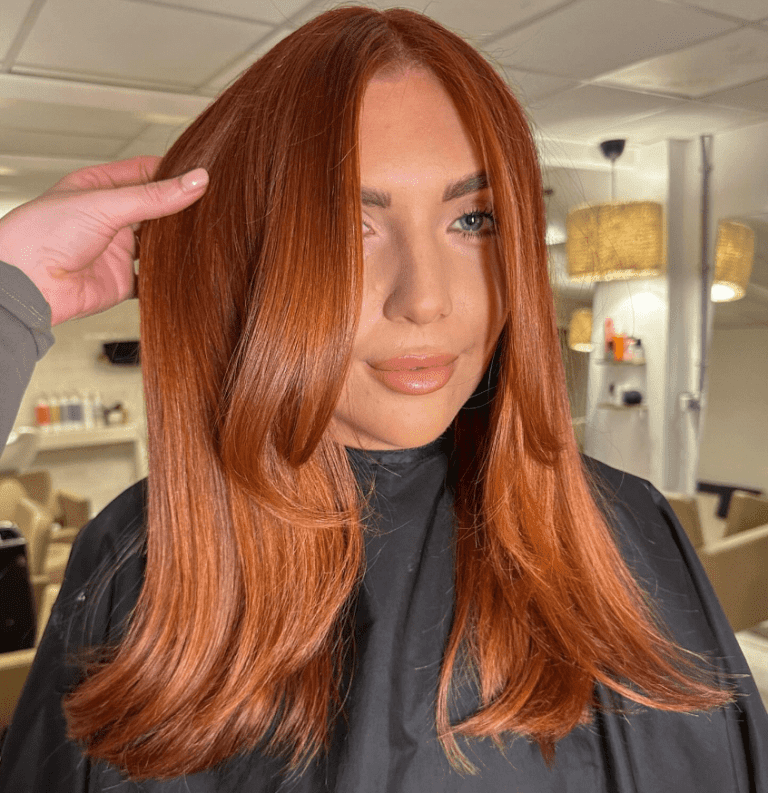
Now that we’ve explored the beauty and genetics behind this captivating shade, let’s talk about how to enhance its radiance naturally.
- Rinse with apple cider vinegar: Mix one part vinegar with three parts water to remove buildup, balance the scalp’s pH and restore shine.
- Apply natural oils: Argan, jojoba and macadamia oils mimic your scalp’s natural sebum, giving ginger tones a reflective, healthy finish.
- Use herbal rinses: Chamomile, calendula and rooibos tea subtly enhance warmth while adding softness and shine.
- Eat for shine: A diet rich in omega-3 fatty acids – think salmon, flaxseed and walnuts – supports scalp health and natural shine. Ginger hair thrives when nourished from within.
How to maintain ginger hair

For anyone who has recently become a buyer—or for those lucky enough to have been born with it—maintaining that bright shade is about more than just color. It’s about care, rhythm and balance. Ginger shades require dedication, but with the right habits their glow can last beautifully between salon visits. Therefore learn how to maintain ginger hair has become as important as choosing the perfect tone.
Shop editor edit
#1. Choose Color-Safe Shampoo and Conditioner
Color-safe, sulfate-free products are non-negotiable for preserving ginger notes. Aggressive cleaning agents remove the pigment and dull the color. Instead, opt for formulas enriched with argan oil or keratin to protect and moisturize. Wash only two or three times a week to prevent fading.
#2. Protect from heat and sun
Nothing fades red pigments faster than UV rays and heat styling. Always use a heat protectant before styling and apply a UV-protective serum when outdoors. In addition, wide-brimmed hats and silk scarves are not only chic, but also practical barriers against oxidation.
#3. Refresh the color between appointments
Even with perfect care, ginger shades fade faster than most. Color-depositing conditioners or glosses are your best friends. Use them weekly to keep your tan rich and vibrant. Choose a copper or maroon shade that matches your tone for the most natural result.
#4. Rinse with cold water
Hot water opens the hair cuticles, allowing pigment to escape. Cool water seals it, locks in color and adds shine. Therefore, end each wash with a cool rinse to maintain the shine of your tone.
#5. Hydrate deeply and often
Ginger hair looks its best when it is soft, healthy and reflective. Regular deep conditioning treatments with coconut, macadamia or jojoba oil keep strands soft and strong, helping pigment last longer and shine stay bright.
#6. Schedule shine treatments
Salon gloss treatments are transformative for red and copper tones. They refresh the color, enhance shine and prolong vibrancy. Stylists recommend using one every four to six weeks to keep your shade glowing between color sessions.

#7. Protect against chlorine and hard water
Chlorine and mineral-rich water can dull ginger tones in just a few washes. If you swim often, wear a protective cap and wash immediately afterwards with a gentle clarifying shampoo.
#8. Switch to satin pillowcases
Satin pillowcases reduce friction and minimize frizz and breakage. The result? Smoother, shinier hair that shows off your ginger tones in their best light.
Final thoughts

Ginger hair is not just a color; it is a statement, an atmosphere and a legacy of warmth and individuality. Once you master how to maintain ginger hair, you’ll find that this fiery tone rewards grooming with unparalleled shine. Each strand catches light like spun copper or molten gold, reminding us why ginger hair remains one of beauty’s most timeless treasures.
Featured image: @keke/Instagram
—Read also
Metal Detox Shampoo: the hair hero you never knew you needed