


The NASCAR world is in mourning following the tragic death of a former driver Greg Bifflewho died along with his family members in a plane crash at Statesville Regional Airport in North Carolina. Authorities confirmed that there were seven people on board the plane, and no one survived.
The crash occurred Thursday morning as the plane attempted to land, ending the life of a driver who spent more than two decades shaping American stock car racing and who became equally known in recent years for his quiet service off the track.
What happened at Statesville Regional Airport?
According to investigators, the plane, a Cessna C550 business jet, crashed around 10:20 a.m. local time while landing at Statesville Regional Airport, about 45 minutes north of Charlotte. Officials said the plane had taken off just minutes earlier and was briefly in the air before crashing on the east side of the runway.
Statesville Airport Director John Ferguson told reporters that the plane was already engulfed in flames when he arrived on the scene. The airport was immediately closed and will remain closed until debris is cleared and investigators complete their work on the scene. The National Transportation Safety Board confirmed it has sent a team to lead the investigation. At this time, officials have not released a cause for the crash.
Confirmation of Greg Biffle’s death
NASCAR confirmed this in a statement that Greg Biffle was among the dead, along with his wife and children, as well as three other persons.
“Greg was more than a champion driver,” the organization said. “He was a beloved member of the NASCAR community, a fierce competitor and a friend to so many. His passion for racing, his integrity and his dedication to fans and fellow competitors alike had a lasting impact on the sport.”
A spokesperson for the North Carolina Highway Patrol also confirmed that investigators at the scene identified Biffle as one of the passengers on the flight. The plane was reportedly owned by a private company with ties to Biffle, according to reports cited CBS News.
Tributes are pouring in from motorsport and beyond
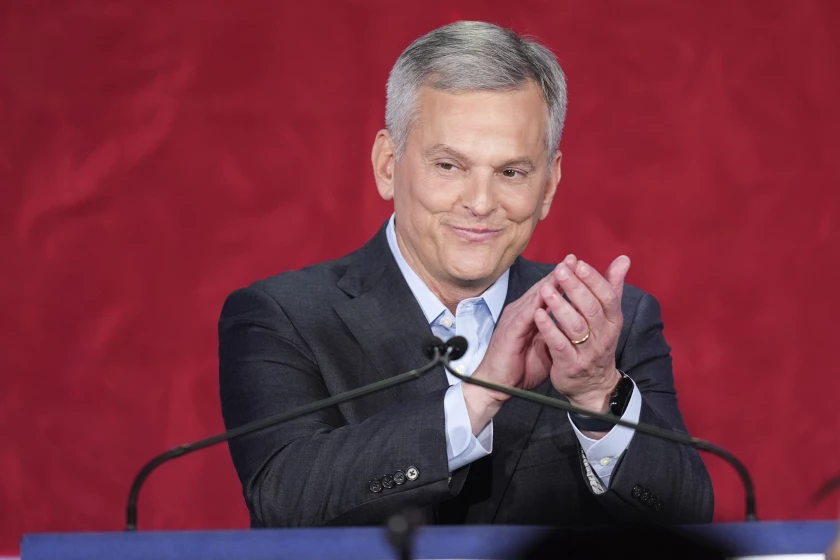
As news of the crash spread, tributes began pouring in from across the racing world and beyond. Governor of North Carolina Jos Stein shared a post on X and wrote:
“Heartbreaking news from Statesville. In addition to his success as a NASCAR driver, Greg Biffle lived a life of courage and compassion and moved to western North Carolina after Hurricane Helene.”
Motorsport YouTuber Garrett Mitchell also confirmed the tragedy in an emotional one Facebook post. He stated that Biffle and his family were on their way to spend time with him when the crash occurred.
“Unfortunately, I can confirm that Greg Biffle, his wife Cristina, daughter Emma and son Ryder were on that plane.” Mitchell wrote. “We are devastated. I am so sorry to have to share this.”
A career that redefined consistency and competition
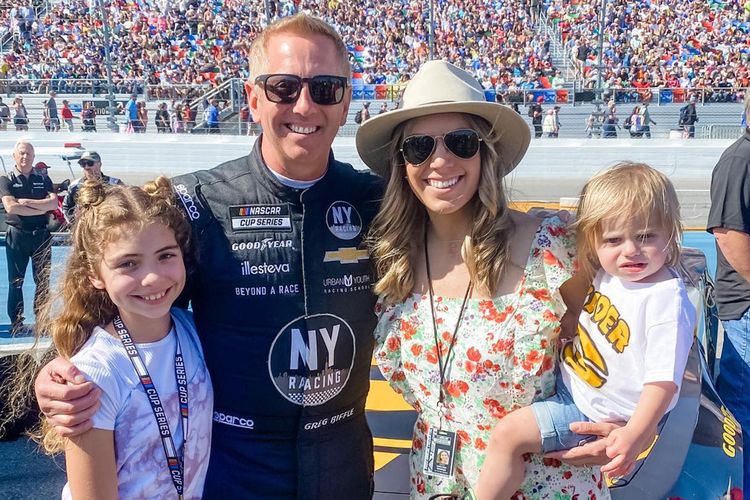
Greg Biffle’s racing career spanned more than two decades and left a lasting mark on NASCAR history. Known to fans as “The Biff,” the Vancouver, Washington native rose to prominence in the mid-1990s and steadily built one of the most respected and intense resumes in the sport.
He broke into the Craftsman Truck Series, earning Rookie of the Year honors in 1998 and winning the championship in 2000. Biffle later claimed the Xfinity Series championship in 2002, becoming the first driver to win titles in both series. In the Xfinity, Craftsman Truck and Cup Series, Biffle has 19 wins and was named one of NASCAR’s 75 Greatest Drivers in 2023.
Although he stepped away from full-time competition after 2016, Biffle returned briefly for a one-off race at Texas Motor Speedway in 2019 and won. “Racing is racing”, Biffle told NASCAR.com in 2021. “It’s that adrenaline. You want to be better than the competition. I just enjoy the competition.”
Greg Biffle: Remembered for who he was off the court
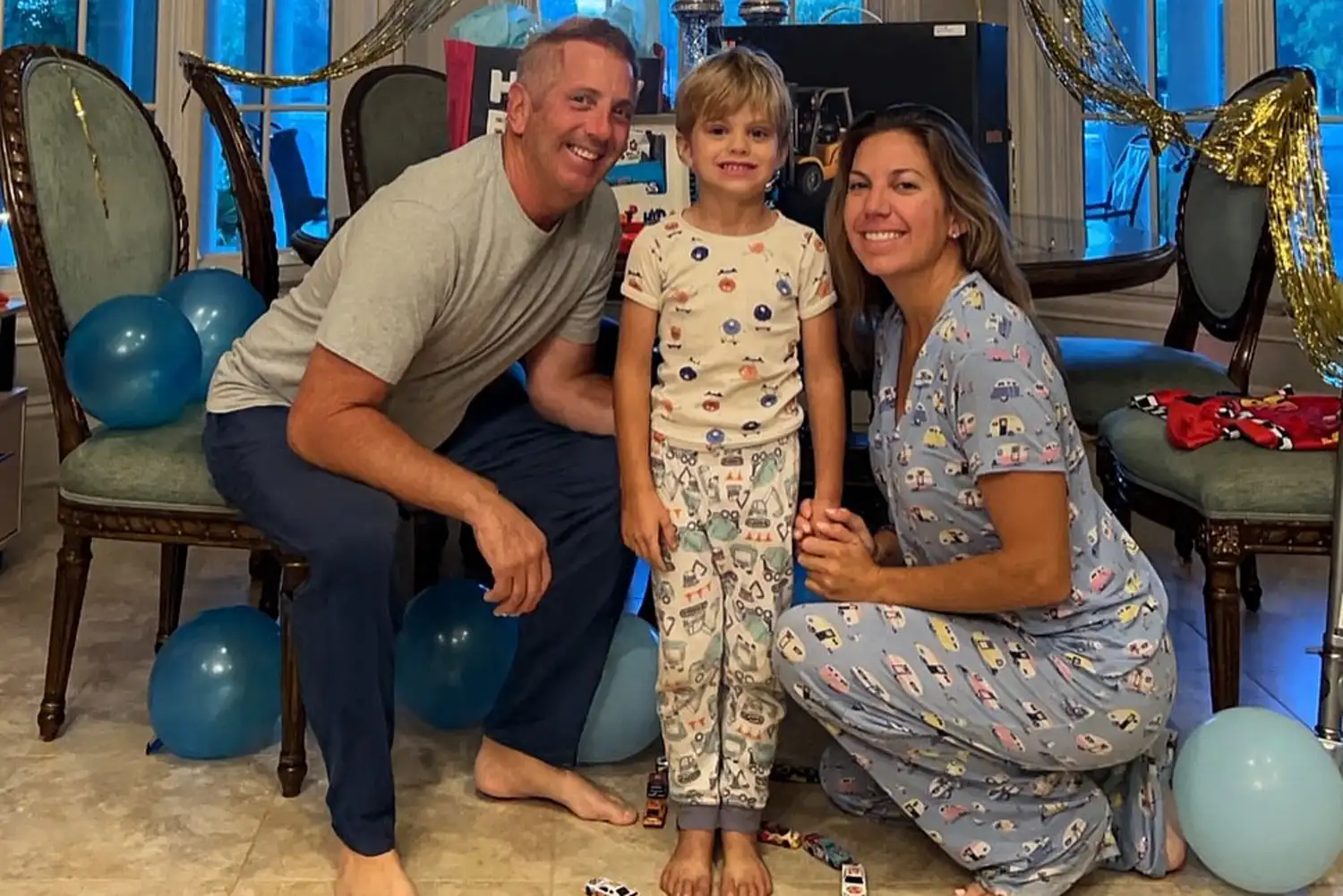
In the years after he stepped away from full-time racing, Greg Biffle became known for his quieter form of leadership. Away from the spotlight, he remained deeply connected to several communities that had supported his career, especially in North Carolina.
This involvement became especially visible after Hurricane Helene. Biffle used his personal helicopter to assist in rescue operations. He helped evacuate stranded residents and delivered emergency supplies to areas cut off by flooding. Local officials and residents praised his willingness to act quickly without seeking publicity or recognition.
For many in the racing world, these efforts reshaped the way Biffle was remembered. He was no longer just a champion behind the wheel, but someone who showed up when it mattered most. It was a reminder that his competitiveness on the court was matched by compassion off it.
As tributes mount, that balance – fierce racer and steady presence – has become central to how colleagues, fans and government officials honor his legacy.
Featured image: Getty Images
8 Best Racing Movies to Watch If You Loved F1: The Movie