


Eyebrows are the silent architects of the face. You may not notice them, but wait until the moment you accidentally scrape them off and suddenly understand how much alien energy they have protected you from. They maintain everything, often unappreciated but essential. Like a well-built frame around a painting, the right eyebrow shape supports the face and brings harmony to everything else.
Therefore, shaping the eyebrows is a skill. And once you understand your natural brow shape, the process becomes much less about chasing trends and much more about refining what’s already yours. This is your comprehensive guide to eyebrow shaping, from understanding shapes to learning how to achieve them, and maintain them in a way that really works, without compromising your natural character.
Why it’s important to know your eyebrow shape
Eyebrows don’t grow randomly. They follow the bone structure beneath your skin, curved and curved like handwriting unique to you. When people have trouble shaping their eyebrows, it’s often because they’re trying to overwrite that natural script. They cut arches that don’t belong, thin eyebrows that want to be full, or force symmetry where the face prefers balance.
Knowing your brow shape first is like reading the instructions before assembling furniture. Everything becomes easier. Mistakes become rare. And trust replaces guesswork.
See the most important eyebrow shapes (and what they do for the face)
- Straight eyebrows: These flow gently over the brow bone with little to no arc. They give the face a calm, youthful appearance and soften sharp facial features. Straight eyebrows suit long or angular faces beautifully, as they visually shorten and balance the proportions.
- Softly arched eyebrows: This is the most universally flattering eyebrow shape. The arc rises gently, never sharply, more like a slow hill than a mountain. It opens up the eye area and adds subtle texture without drama.
- High arched eyebrows: These brows dramatically lift and provide instant definition. They bring intensity and elegance to the face, but require restraint. If it is too sharp, the expression may appear surprised or serious.
- Rounded eyebrows: Rounded eyebrows bend smoothly without a strong peak. They soften facial angles and provide accessibility, especially on faces with sharper jawlines.
- Slanted eyebrows: Defined and structured, angled eyebrows radiate strength and confidence. They suit fuller faces and can visually lift the cheek area if shaped correctly.
No eyebrow shape is superior. The best is the shape your eyebrows already tend towards.
Match eyebrow shapes with face shapes
The face shape acts as a compass for shaping your eyebrows. Round faces benefit from brows with a soft arch to add length and structure. Square faces go well with softly rounded or arched eyebrows that soften strong angles. Oval faces are the most versatile and work well with most eyebrow shapes when kept proportionate. Heart-shaped faces suit round or soft arches that balance a narrower chin. Long faces are complemented by straighter eyebrows that reduce vertical length.
While these may sound like rigid rules, they are really just guidelines for visual harmony. When the brow shape reflects the natural lines of the face, everything feels aligned.
Shaping eyebrows correctly
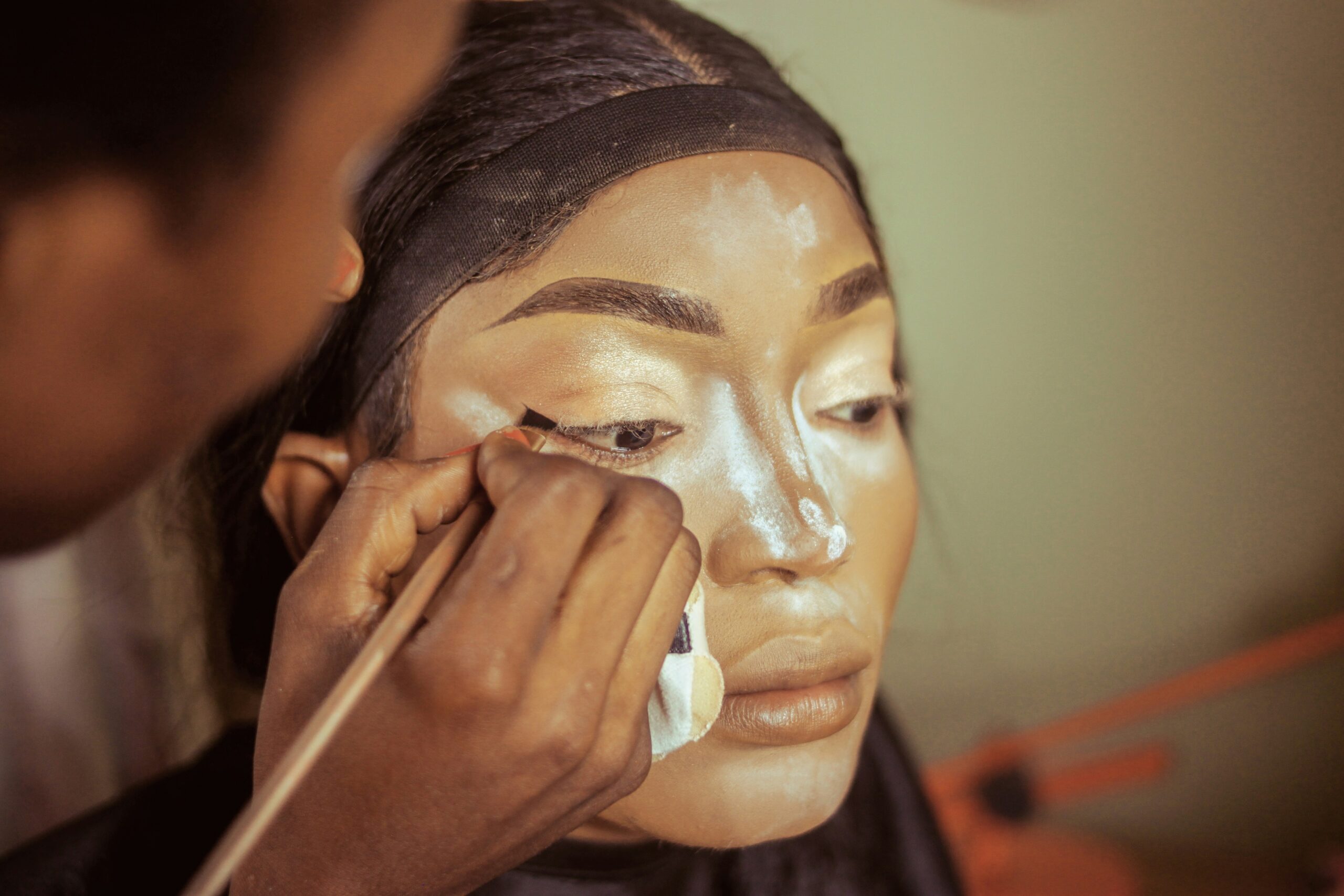
Real shaping is more editing than erasing. Start by brushing your eyebrows upwards and outwards to reveal their natural density and direction. This simple step shows you where your eyebrows want to be and which hairs are simply visiting from elsewhere.
When shaping, concentrate on three calm anchor points:
- Where the eyebrow begins
- Where it bends naturally
- Where it tapers and ends
Only remove the hairs that clearly fall outside this frame. If you have any doubts about a hair, leave it alone. Eyebrows reward patience and punish impatience.
Think of shaping your eyebrows like pruning a plant. Careful pruning promotes healthy growth and structure, while aggressive pruning creates holes that take months to repair.
Filling and defining without exaggerating
After shaping comes the definition, not the transformation. Use light, hair-like strokes when filling in thin spots. Follow the direction your eyebrows grow rather than pulling against them. Keep the front of the brow soft and gradually deepen towards the tail. Eyebrows should look full, not drawn. Present, not announced. Often one tinted eyebrow gel does more than a pencil, adds structure and maintains softness.
Maintenance tips that really work
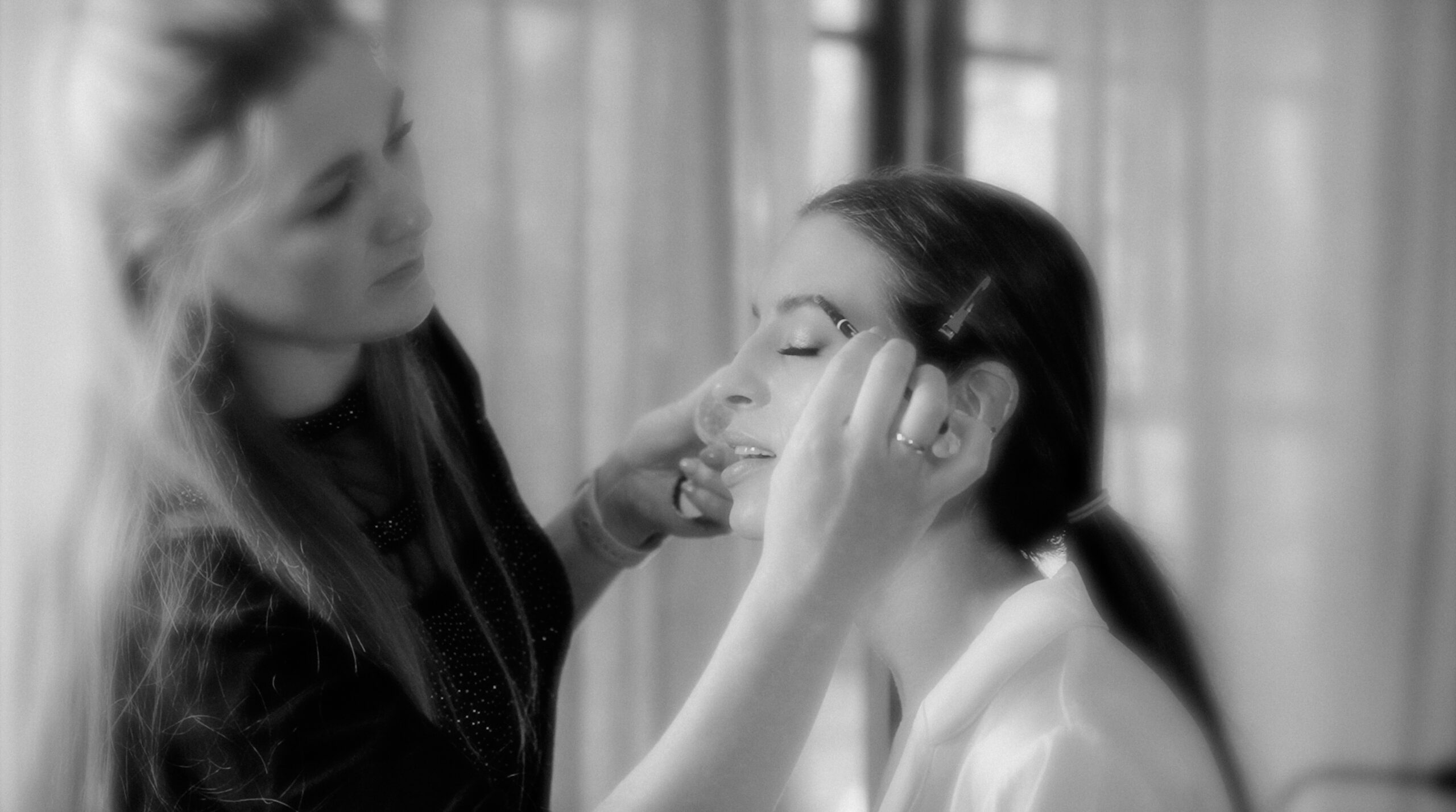
Good eyebrow shaping does not require constant correction. In fact, excessive maintenance is one of the fastest ways to lose good shape. A light cleaning every one to two weeks is sufficient. Daily brushing trains the brow hairs to last better over time, just like teaching fabric how to fold naturally.
Conditioning is more important than most people realize. Healthy eyebrow hairs hold their shape better and break less. An eyebrow serum or natural oil applied at night will keep them flexible and strong. After all, maintenance is preservation, not perfection.
If your brows have been plucked too many times, are uneven, or have been shaped too often by too many hands, a professional shaping session can serve as a reset. An experienced eyebrow artist reads your face before touching a tool. They restore balance instead of imposing trends. One good session can undo years of guesswork. Eyebrows grow slowly. Part of trusting the process is respecting it.
Shop editor edit
The silent confidence of good eyebrows
Well-shaped eyebrows don’t scream. They don’t ask for attention. They just make everything else look better: your eyes brighter, your makeup cleaner, your face more awake, even on bare-skin days.
Understanding the shape of your eyebrow and shaping it with intention is one of the most impactful beauty skills you can learn. It is subtle, daily and quietly transformative. Because at the end of the day, shaping eyebrows isn’t about control. It’s about alignment.
Featured image: @feruzisak/Instagram
—Read also