


Pilates has quietly transitioned from exercise routine to lifestyle, and for many women the first sign of entry begins at the feet. Whether you’re booking your first lesson, refreshing your studio wardrobe or just curious about the trend, grippy socks are often the first item to raise questions. They look simple, but contain unspoken rules, personal preferences, and performance details that matter much more than expected once the class starts. Women’s pilates grip socks in particular have become a studio staple, which explains why choosing the right pair now feels like a decision worth making.
For newcomers, socks can define the entire experience. The wrong pair can distract from balance, make you feel uncomfortable mid-lesson, or even violate studio policy. The right socks, on the other hand, provide stability, relieve first-rate nerves and help you get into the rhythm of Pilates more naturally. That’s why it’s important to understand how grip, fit, fabric and style work together before making a purchase.
This guide breaks down what you need to know before you buy, how to balance performance and style, and where women who take Pilates seriously actually shop.
Why Pilates socks are more important than you think
Pilates requires control, precision and confidence in your body. Every movement depends on a stable surface, especially during reformer sessions or mat flows that challenge balance. This is where Pilates grip socks play a central role. The textured soles help anchor your feet so you can focus on alignment instead of slipping or overcorrecting mid-motion.
Just as importantly, socks affect how grounded you feel mentally. When your feet feel safe, transitions become smoother and confidence follows. This explains why instructors often recommend grip socks even when studios allow barefoot practice. Support underfoot makes it easier to stay present and focused during the session.
Grip vs. non-grip: What actually works
While gripless socks still exist, especially for home exercises or casual stretching, they often fall short in studios. Smooth soles can slide on reformer carts and polished floors, distracting attention from the shape. Pilates grip socks, on the other hand, add friction where it matters, creating a stable base without restricting movement.
That extra control becomes most noticeable during plankslunges and standing sets. Instead of clenching your toes for balance, your feet can relax, improving posture from the ground. Over time, this subtle shift can lead to better alignment and more consistent progress.
Crew socks vs. toe socks
The debate between crew socks and toe socks usually comes down to comfort and personal preference. Women’s Pilates crew socks provide warmth, ankle coverage and a streamlined look that pairs effortlessly with leggings or biker shorts. They feel contained and minimal, which appeals to many studio regulars.
Toe socks, on the other hand, allow each toe to move independently. This can improve grip and proprioception, especially for practitioners focusing on foot strength and alignment. Some instructors prefer it for technique-driven lessons, while others find the sensation distracting. Ultimately, the better option depends on how much sensory feedback you prefer during movement.
Breathability and materials to consider
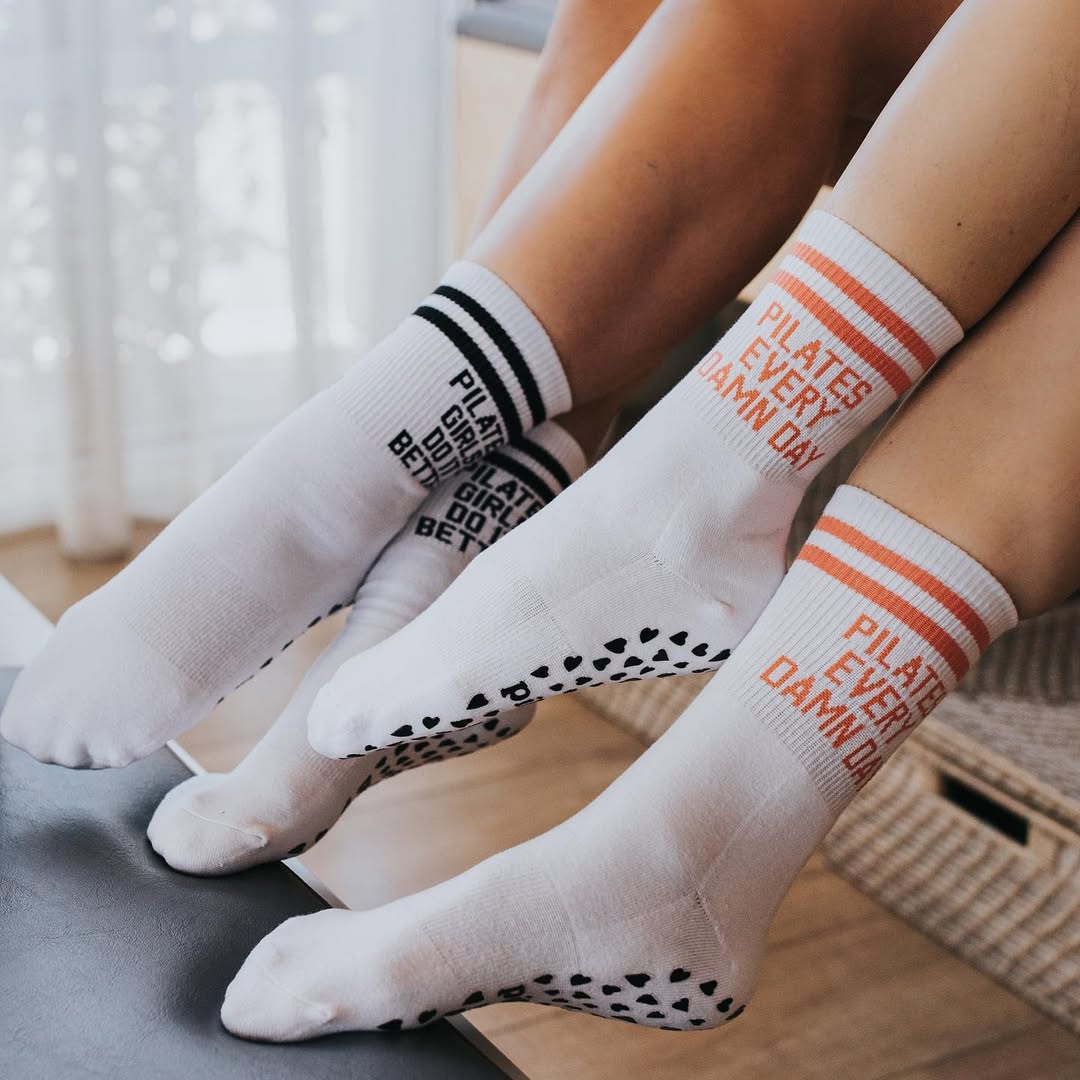
Pilates sessions may seem gentle, but they generate heat quickly. Breathable fabrics help regulate temperature and prevent discomfort as the class progresses. Cotton blends with moisture-wicking fibers tend to perform best and provide a balance between softness and airflow.
Thicker socks may feel cozy at first, but over time they can trap heat and limit flexibility. Lightweight designs allow the foot to move naturally while still providing a reliable grip. This balance explains why many popular Pilates socks favor breathable knits with flexible stretch.
Studio rules, hygiene and safety
Many studios today require grip socks for hygienic and safety reasons. Shared equipment stays cleaner, while feet remain protected from slips or sudden shifts. As a result, investing in good Pilates socks for women becomes less a matter of style preference and more of preparedness.
Keeping a special pair in your gym bag will ensure you never feel rushed or underprepared for class. It also gives you the freedom to choose socks that really suit your practice, rather than relying on last-minute alternatives.
Style versus function: Finding the balance
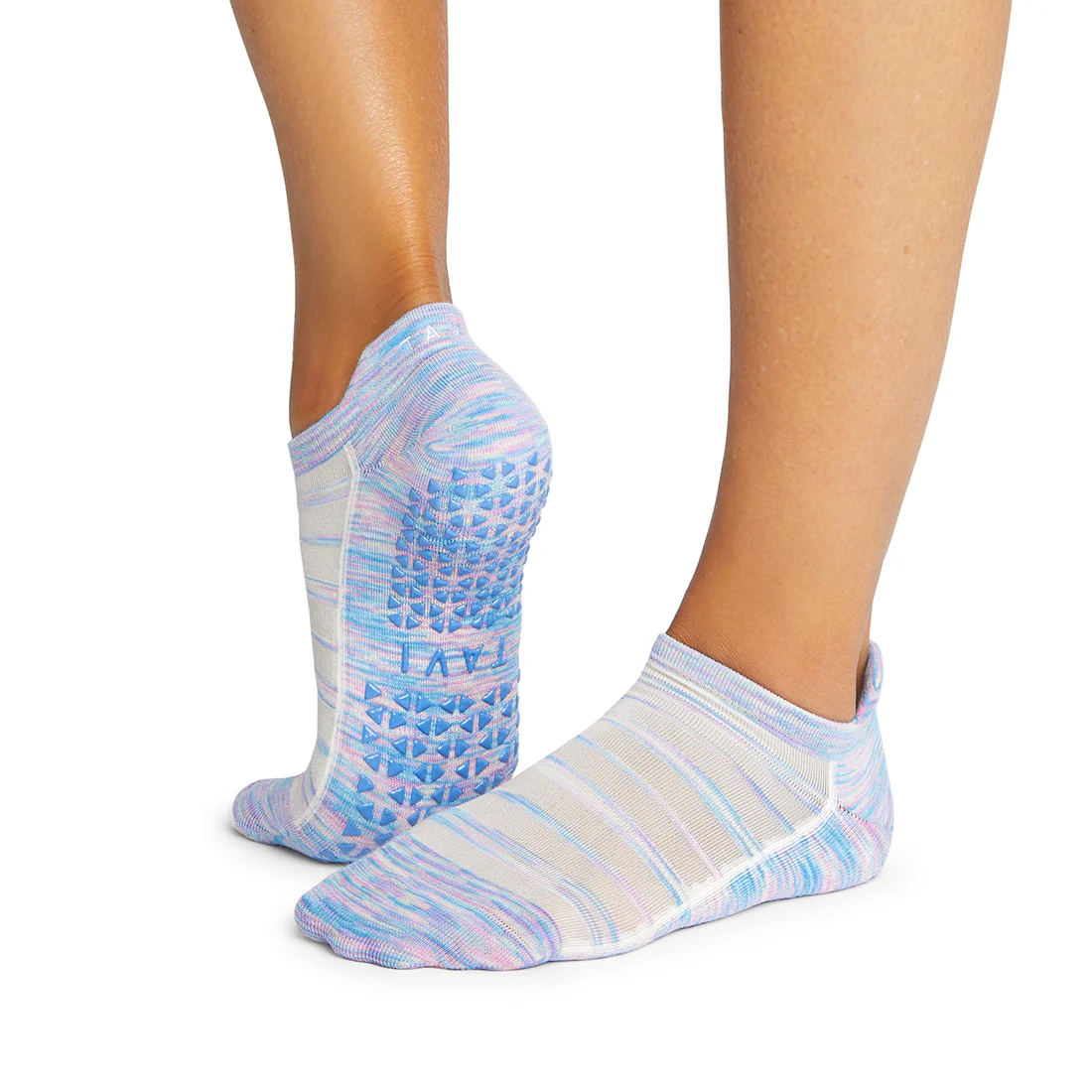
Style plays a subtle but undeniable role in Pilates culture. Neutral tones, soft pastels and subdued textures dominate studio spaces, creating an aesthetic that feels calm and intentional. Pilates socks that complement an outfit can boost confidence, but excessive embellishment often hinders performance.
Large bows, thick seams or stiff fabrics can distract from movement. The most successful designs keep visual interest minimal and prioritize comfort. This balance explains the popularity of simple ribbed crews and muted color palettes, including many widely available options at retailers like Target, where accessibility meets design-conscious choices.
Which instructors actually prefer

Ask instructors what they value in socks, and the answer almost always comes down to consistency. Socks should stay in place, provide reliable grip and disappear with movement. When mid-range socks shift, bunch or shift, focus is broken.
Instructors also find that socks promote better alignment. A secure base supports cleaner transitions, which improves overall class flow. This is why many professionals consistently recommend well-made grippy socks over trend-driven designs.
Where the IT girls buy their pilates socks
Once you understand what a good pair is, the next question becomes where to shop. Pilates socks designed specifically for active women now range from luxury activewear labels to major retailers, but certain names continue to dominate studios, social feeds and instructor recommendations.
- Lululemon remains a reliable choice for women who want performance without putting too much thought into the decision. Their grippy socks are known for their consistent traction, breathable fabrics and durability during frequent sessions.
- Tavi has gained a cult following within Pilates studios, especially among instructors and long-term practitioners. The brand’s emphasis on grip technology and foot support creates strong word-of-mouth advertising.
- Alo yoga appeals to women who value both function and visual coherence. Their Pilates socks often feature minimal branding and tonal palettes that blend seamlessly into studio wardrobes.
- Goal provides an accessible entry point for beginners or anyone easing into Pilates. Although more affordable, many options still offer effective grip and comfortable materials.
- Boutique Studio Brands are becoming increasingly common, with many studios offering their own grippy socks that meet safety standards while reflecting the aesthetics of the space.
Shop editor edit
The takeaway
Choosing the right Pilates socks for women doesn’t have to be overwhelming when the basic principles are clear. When grip, comfort and fit align, the socks fade into the background, returning the focus to movement, breathing and control. That’s the real goal.
As Pilates continues to attract women at every stage, from beginners to experienced practitioners, socks have become one of those silent essentials that shape the entire experience. Investing in the right pair early will build trust, reduce friction during class, and help build a routine that feels intentional from the start.
Featured image: @po.po.yuk/Instagram
.
—Read also
How Pilates socks became the silent luxury signal of studio culture