


Blush sticks have earned their place in modern makeup bags because they make color feel intentional instead of intimidating. They sit somewhere between ease and control, offering pigment that moves with the skin instead of sitting stiffly on top of it. In a beauty landscape obsessed with speed and effortlessness, blush sticks feel like a natural evolution. Less clutter. More intuition. Better payout.
More importantly, they are quietly transformative. A blush stick can change the appearance of the face in seconds, lifting facial features, warming the complexion and restoring skin vitality. Swipe, tap, blend. Finished. However, the simplicity is deceptive. Behind this lies a product that rewards technique, restraint and personal style. Well used, it doesn’t look like makeup. It looks like momentum.
The appeal of the blush stick
At its core, a blush stick behaves on purpose. It stays workable long enough for you to decide where the color should go, then blends seamlessly into the skin when called for. With this balance, the size encourages precision, allowing you to place the pigment exactly where it will have the most impact before it softens outward.
There is something tangible and intuitive about the movement. A small swipe becomes a blur. A dot becomes a glow. Gradually you start to notice how the placement changes the whole mood of the face. High placement lifts. Lower placement reads romantic. With repetition, the cane teaches you to work with your bone structure instead of against it.
Cream blush sticks and jelly blush: Two different energies
Although both formats serve the same purpose, their personalities differ. Cream blush sticks, often associated with the ‘milk blush’ category, feel familiar and liquid. They glide smoothly over your skin, warm to the touch and melt into the skin with a natural and lived-in finish. Because the texture moves slowly, you have time to build, diffuse and adjust. The result is a soft focus color that looks seamless from any angle.
Jelly blush, on the other hand, has a different rhythm. It is springy and gel-based, cool to the touch and delivers a transparent color that sets faster. The aftertaste is fresh, almost glassy, which reads modern and clean. The key word, however, is restraint. Use less than you think you need and mix it with intention. Where cream blush whispers, jelly blush shimmers and settles.
Choosing a shade that feels inevitable
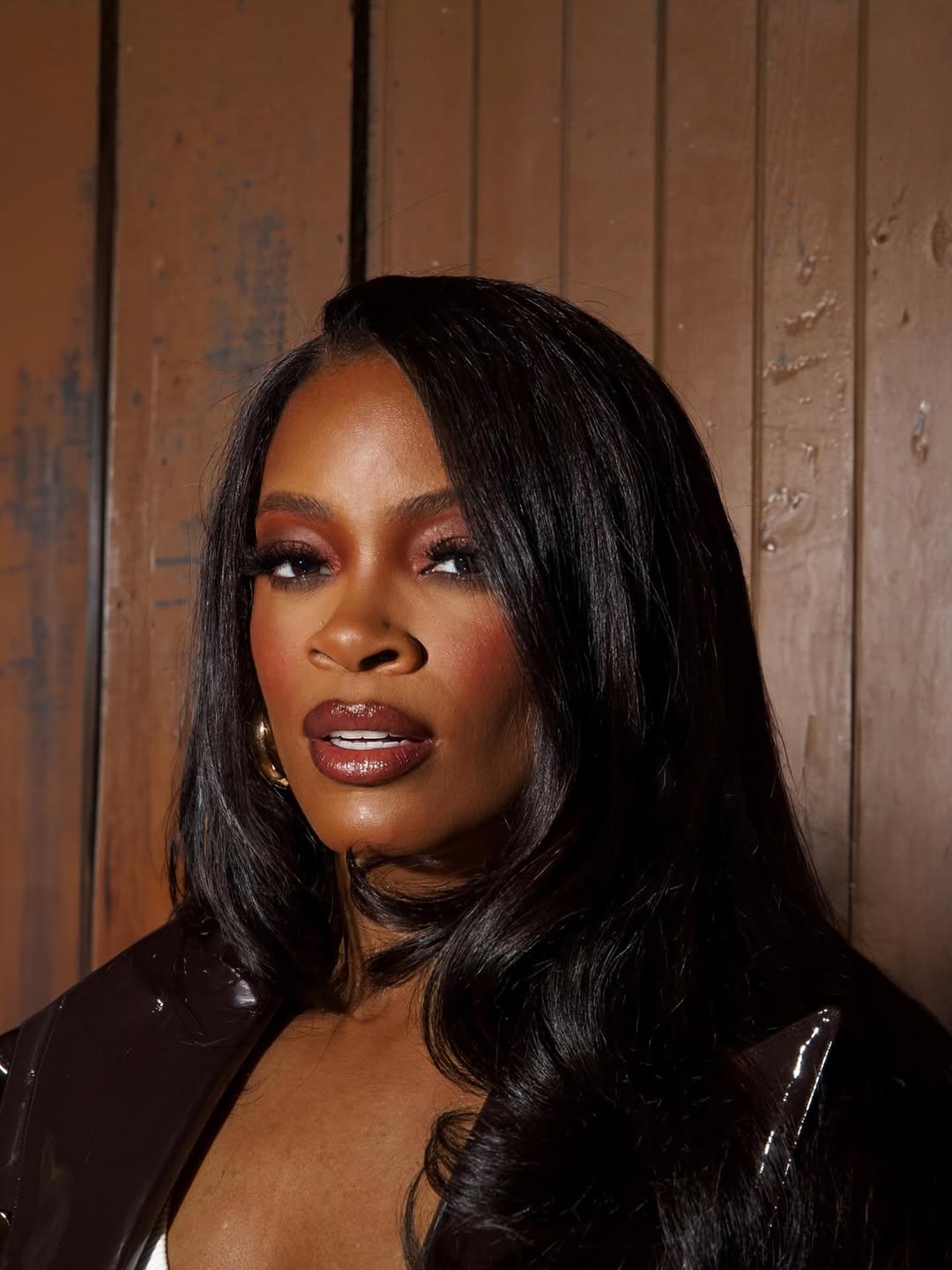
The most convincing blush shades reflect the body’s natural responses. Think of the color that appears when you laugh too hard, walk briskly, or feel a sudden rush of heat. That flush is your starting point.
In general, lighter skin tones benefit from shades that build up gradually, allowing the color to bloom rather than appear all at once. Medium skin tones can contain richer pigment that still blends softly into the skin. Meanwhile, deeper skin tones glow when the shade has enough saturation to appear clear and confident. The undertone determines the direction, but the depth determines the harmony. When both are aligned, the blush feels inevitable; not applied.
Placement before blending
Blush works best if placement is before blending. Taking some time to decide where the color should go adds structure to the face. Two small dots or a quick swipe along the cheekbone can create lift before softness enters the picture.
Blending, in turn, is most effective with tapping gestures. Tap, tap, tap. The color spreads without traveling. Edges soften without sinking. Additionally, applying thin layers allows the skin to absorb pigment naturally, almost like dye soaking into fabric. The result feels polished, never rushed.
Milk blush and the art of softness
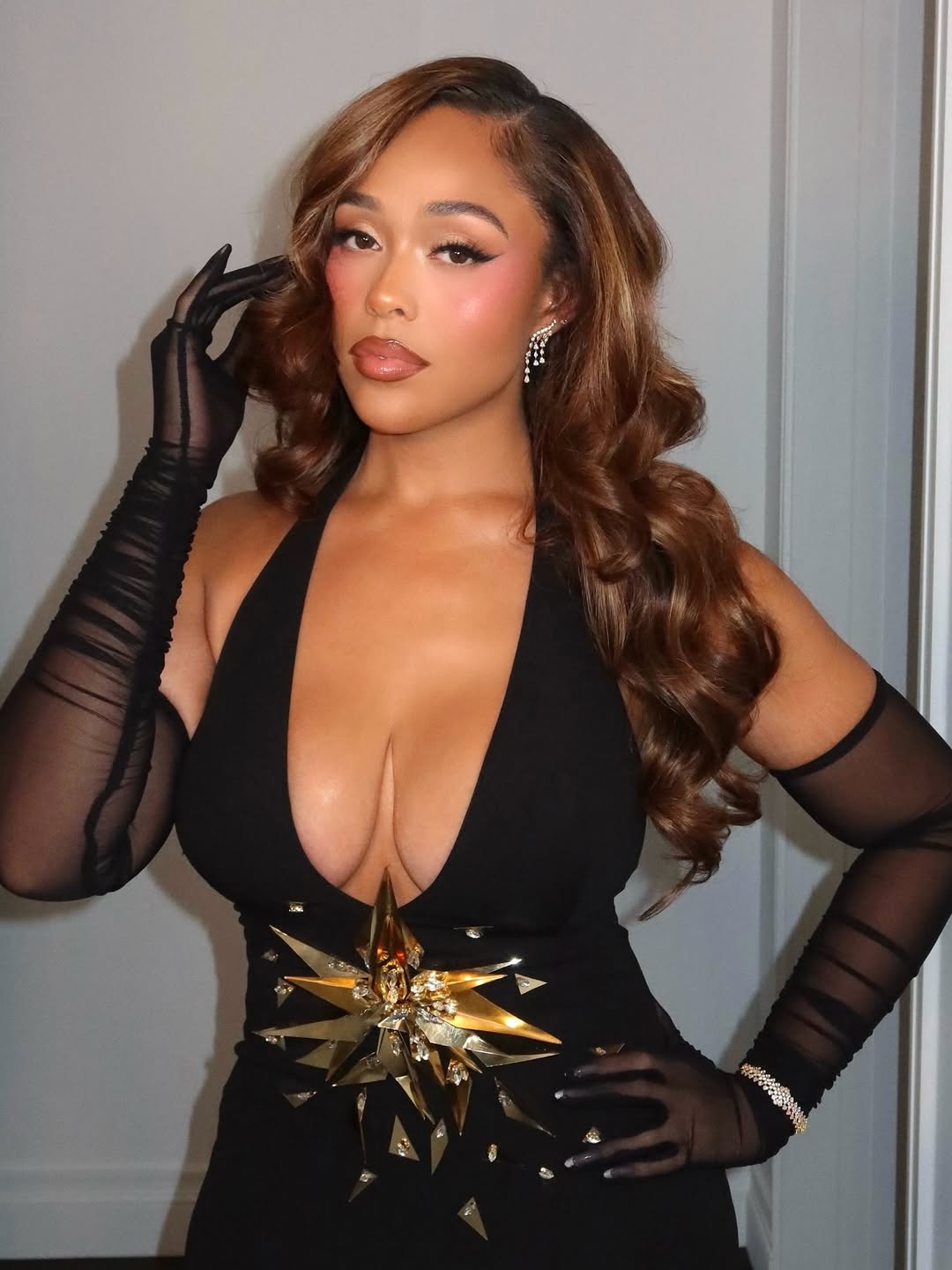
Cream, milk-style blush sticks have earned their reputation for behaving predictably. They layer well, blend easily, and often double as lip color, creating cohesion across the face. As a result, they provide that lit-from-within effect that seems effortless rather than obvious.
For a more refined finish, warming the product on the back of the hand before pressing it into the cheeks will help diffuse the edges and keep the base makeup intact. It’s a subtle adjustment, but it transforms the final look, making it look like the color is coming from the skin rather than being drawn on.
Jelly blush preparation
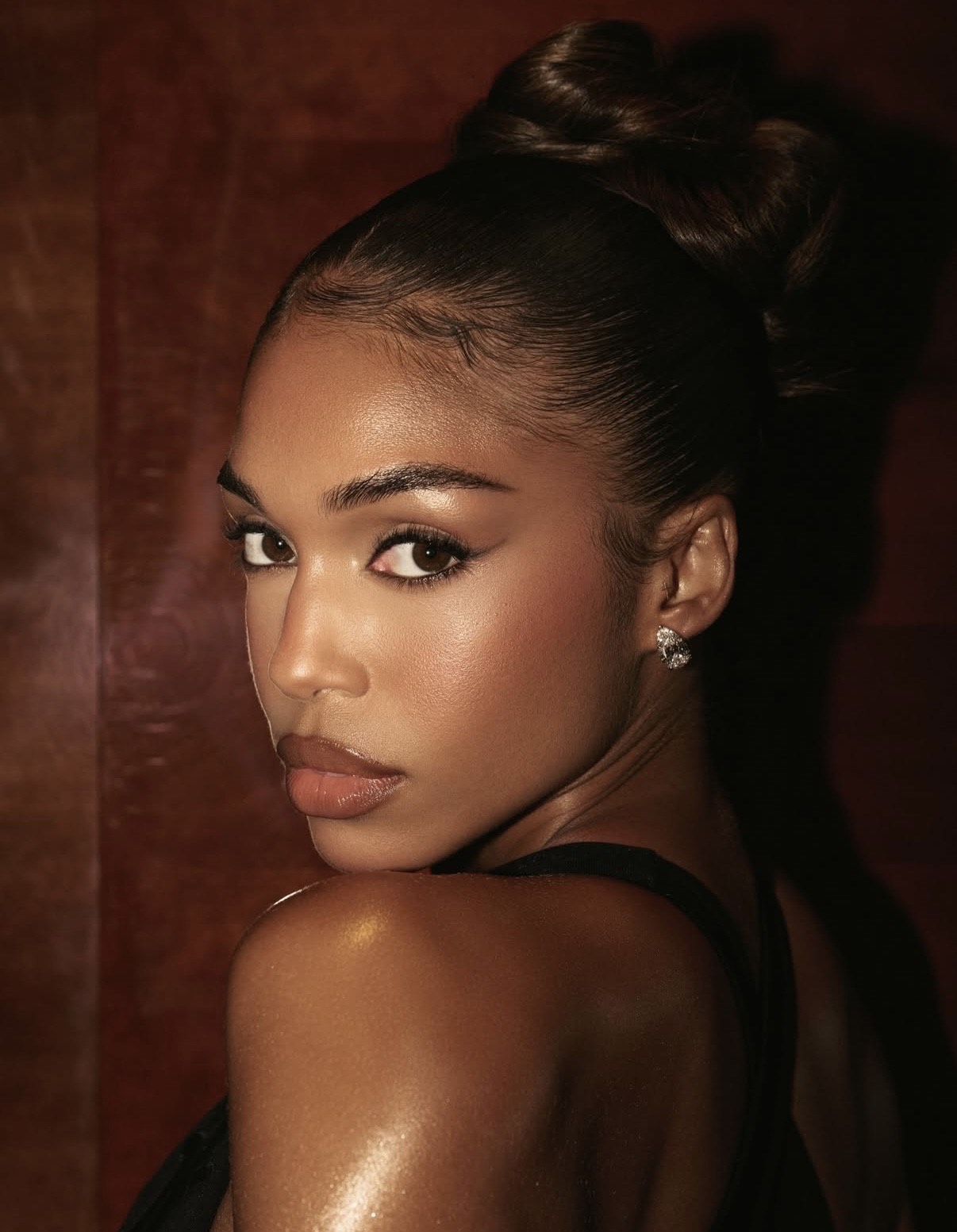
By comparison, jelly blush thrives on decisiveness. Working one cheek at a time and blending quickly will keep the finish smooth and even. The result is a fresh, hydrated look that is lightweight but long-lasting.
Once you understand its timing, jelly blush becomes less unpredictable and more precise. Again, restraint is key. A little goes a long way. The effect feels modern, clean and quietly playful.
When technique becomes instinct
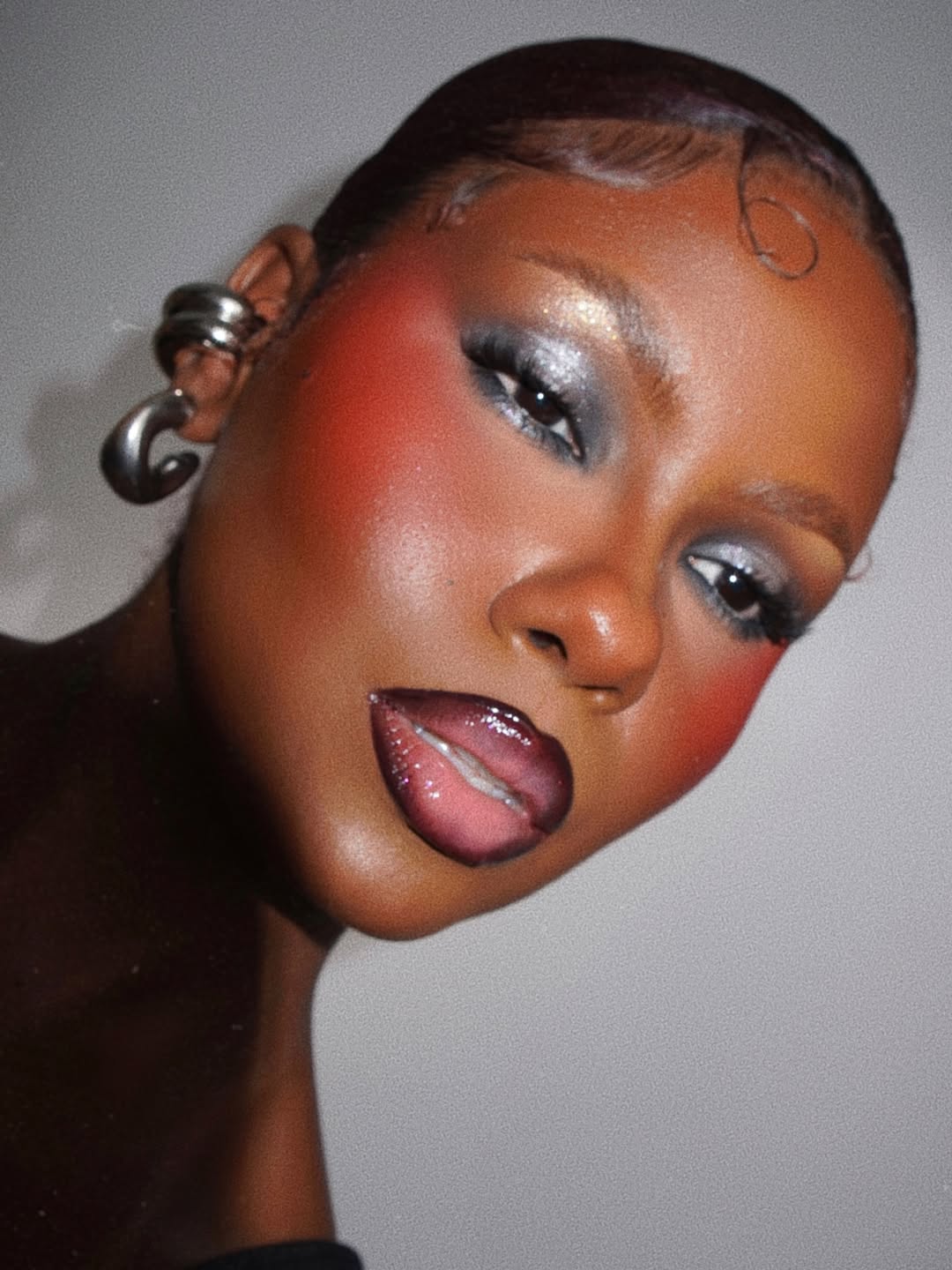
What separates a good blush application from a great one is the intention. The strongest results come from understanding how color interacts with structure, light and movement. At that point, blush becomes a sculptural tool rather than a decorative afterthought.
Over time the hand becomes lighter. Placement becomes instinctive. Edges remain soft. The blush does not announce itself, but the face looks brighter, lifted and more balanced. That’s when makeup stops feeling like effort and starts to feel like fluidity.
Blush sticks are durable because they simplify without flattening the expression. Cream blush sticks are made for softness, while jelly blush introduces a fresh, contemporary energy. Both invite experimentation and reward restraint. Used with purpose, they lift the face quietly and confidently, proving that sometimes the most powerful makeup movements are the ones that feel almost invisible.
Shop editor’s picks
Featured image: @freshmadeit/Instagram
—Read also