


The Lunar New Year begins on February 17, 2026, heralding the Year of the Horse. Chinese New Year, also known as the Spring Festival, marks the arrival of spring and the turning of the lunar calendar. Across China and much of East Asia, families gather for lavish reunion dinners. Children receive red envelopes filled with lucky money, also known as Hong Bao. Houses glow red, a color chosen to invite prosperity and ward off bad luck. Yet this year brings extra warmth.
2026 is not just the Year of the Horse. It’s the Year of the Fire Horse, a rare combination within the Chinese zodiac system that signals intensity, momentum and transformation. To understand why that matters, it helps to start at the beginning.
The zodiac race and the rise of the horse
Happy Lunar New Year! 🐴🧧🎉 pic.twitter.com/aeHrOBnguy
— Pop Crave (@PopCrave) February 17, 2026
The Chinese zodiac follows a twelve-year cycle, each year represented by an animal: rat, ox, tiger, rabbit, dragon, snake, horse, goat, monkey, rooster, dog and pig.
According to legend, the Jade Emperor summoned the animals for a great race. The first twelve to cross the finish line would earn a place in the zodiac. The horse finished seventh, not the fastest overall, but undeniably powerful and determined.
If you were born in 1906, 1918, 1930, 1942, 1954, 1966, 1978, 1990, 2002, 2014 or in 2026 after February 17, you fall under the Horse sign. However, zodiac years are layered. Each animal is linked to one of the five elements: wood, fire, earth, metal or water, creating a sixty-year cycle. In 2026, the heavenly stem “Bing” (symbolizing the great sun) will align with the earthly branch “Wu” (the horse). Fire meets fire.
In other words: expect intensity.
Traditionally, the horse represents strength, speed, courage, loyalty and independence. Fire, meanwhile, adds ambition, volatility, charisma and visibility. Together they form a year defined by movement, sometimes dramatic movement.
People and horses: A 6000 year bond
The symbolism resonates because man’s relationship with horses runs just as deep. Archaeologists trace the domestication of horses back about 6,000 years to the western Eurasian steppe, which stretches from modern Ukraine through southern Russia to Kazakhstan. As herds migrated, communities bred local wild mares into them, shaping the genetic diversity we recognize today.
From there, horses reshaped civilization. They drove Egyptian chariots and thundered through them Greek mythology. They were running around the Circus Maximus in Rome. In ancient China, emperor Qin Shi Huang was buried next to life-size terracotta horses and warriors, prepared for the afterlife.
Throughout Central Asia, Mongolian and Kazakh cultures built identities around horsemanship. Genghis Khan expanded his empire on horseback. In the Arabian Peninsula, Bedouin breeders preserved valuable bloodlines through oral tradition rather than written records.
For thousands of years, horses were the engines of humanity. They carried armies, plowed fields, transported goods and connected trade routes. Even today, mechanical power is measured in ‘horsepower’. The Year of the Horse therefore honors more than just a zodiac symbol. It honors one of humanity’s oldest partners in motion.
What the Fire Horse signals for 2026
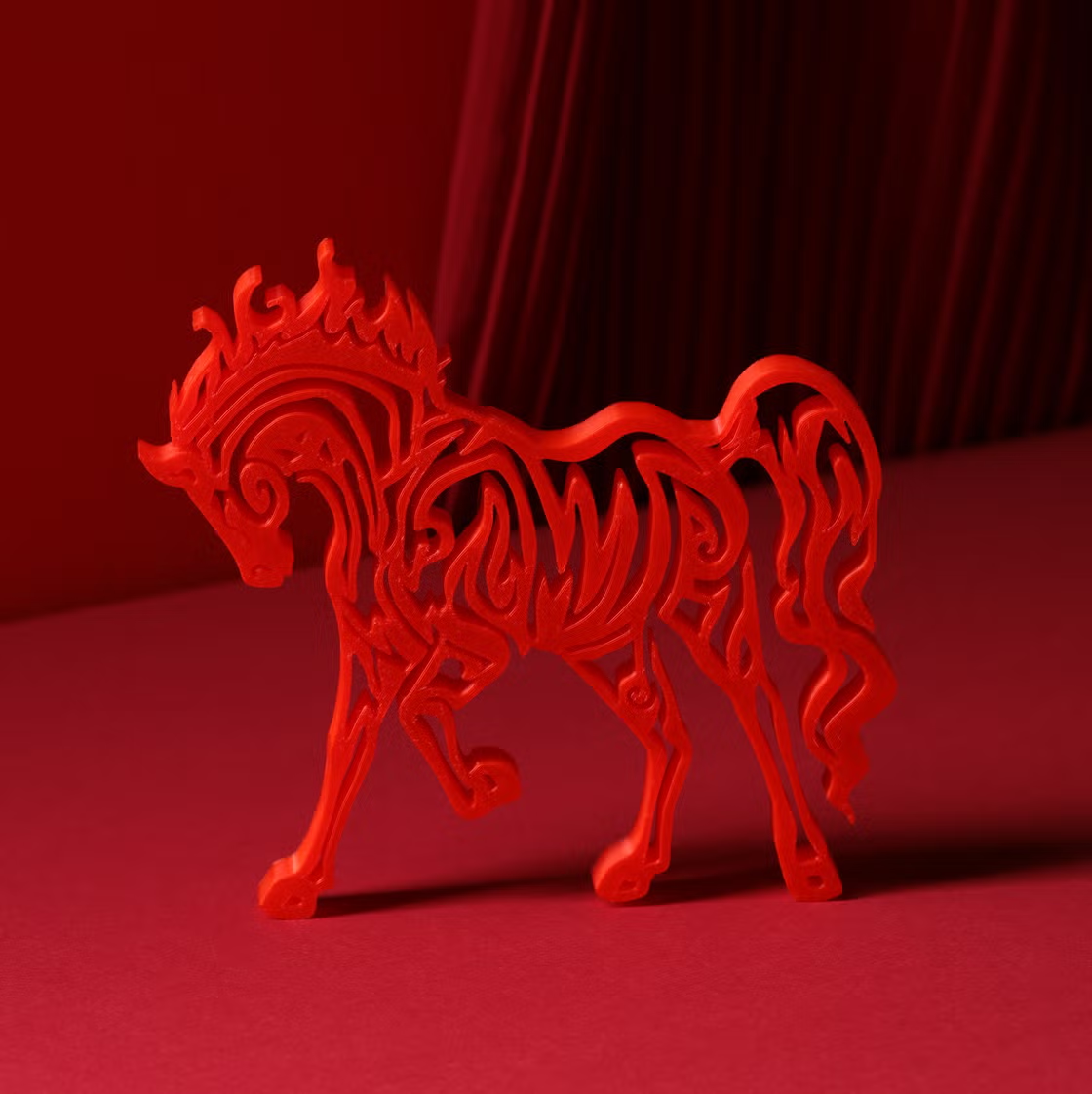
According to feng shui practitioners, 2026 could be one of the most dynamic years in recent history. Fire energy rules industries linked to visibility and innovation, technology, energy, fashion, art, media and culinary culture. As a result, bold launches, dramatic reinventions and intensified competition are likely themes. Fire also affects heat and temperament, suggesting that both climate and emotions can feel heightened.
Importantly, in Chinese philosophy no element is inherently positive or negative. Everything depends on balance. For individuals whose natal charts benefit from fire energy, often those born in autumn or winter, the year can feel particularly favorable.
As a Hong Kong-based geomancy consultant Thierry Chow notes that awareness is key. “What you lack, you can bring into your life through effort,” she explains. Essentially, the Fire Horse rewards movement and intentional action.
Famous horses
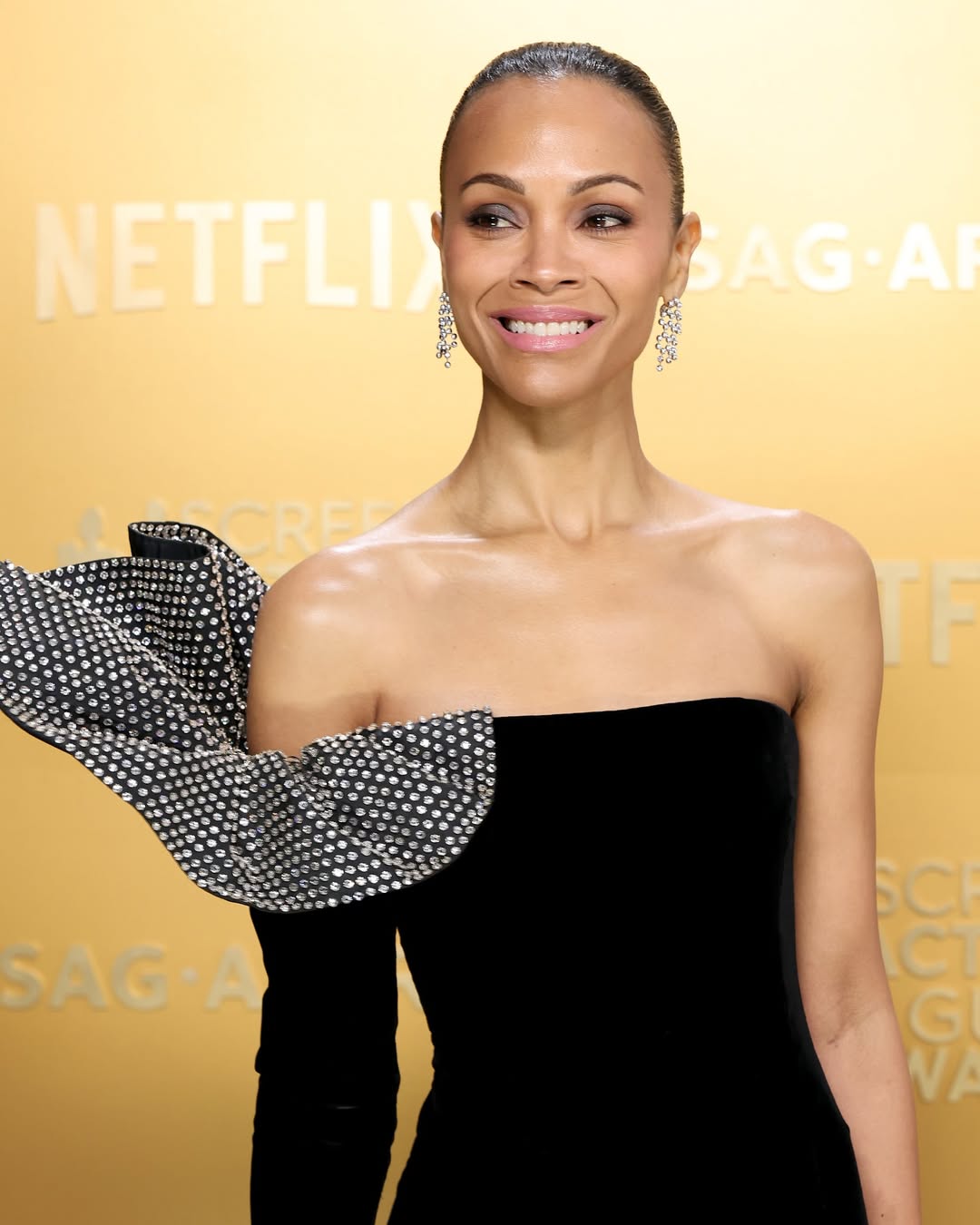
Horse-born individuals are often associated with independence, charisma and creative drive.
Notable figures born in horse years include Nelson Mandela, Jackie Chan, Ang Lee, Martin Scorsese, Zoe Saldaña, Paul McCartney, Gordon RamsayAnd Neil Armstrong.
Power. Vision. Forward momentum. The pattern is at least convincing.
Red packets, reinvented: Luxury gallops in
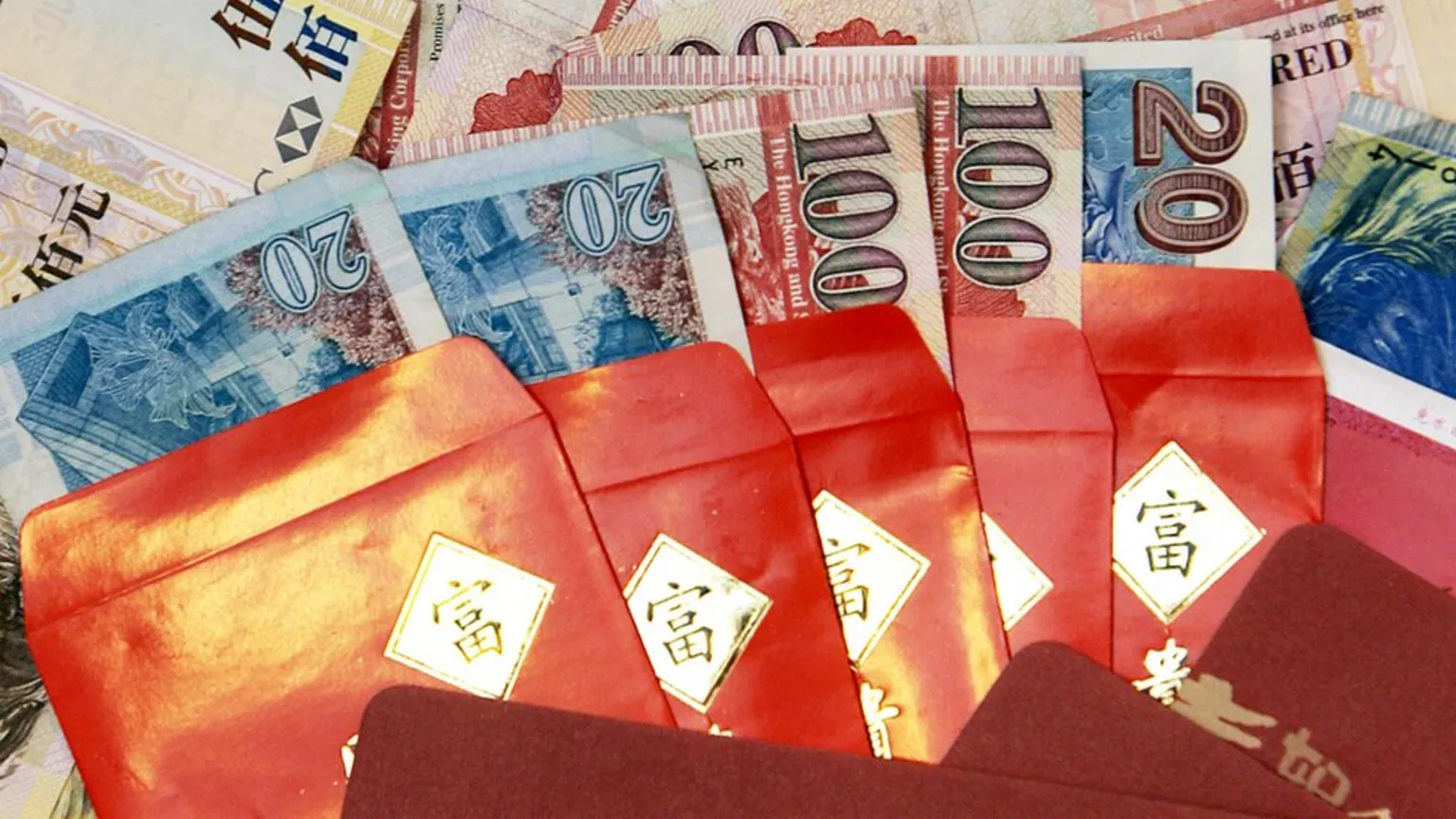
While tradition, such as reunion dinners, ancestral rituals and red envelopes, remains central, the Fire Horse has also led to a wave of luxurious reinterpretations. The simple red suit has become a collector’s item.
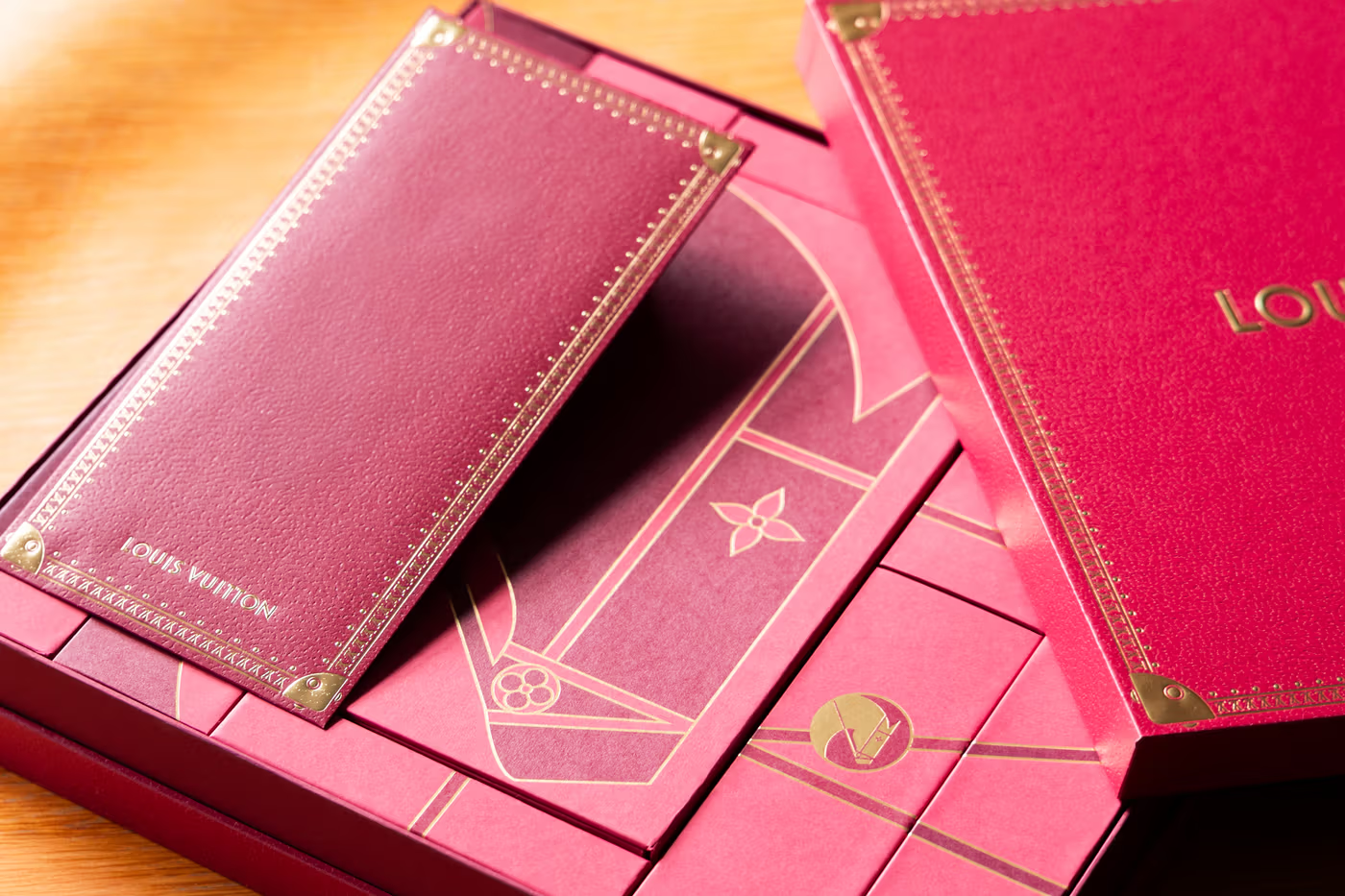
Long rooted in equine heritage, Hermès introduces intricate watercolor horse designs, rendered in dimensional detail. Louis Vuitton combines its envelopes with miniature scroll blessings, inspired by age-old rituals. Gucci takes a maximalist turn with a limited-edition mahjong set adorned with subtle Fire Horse motifs.
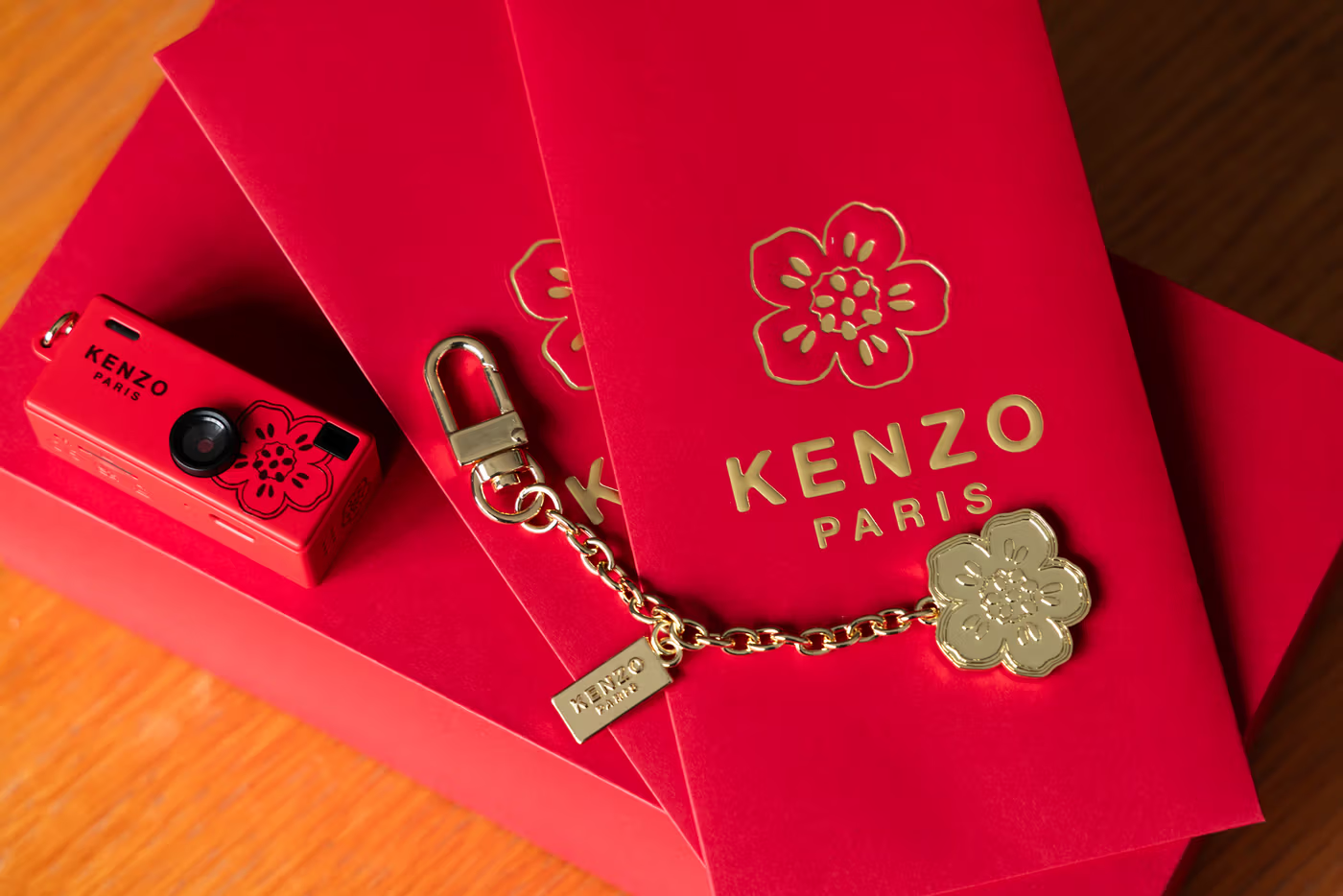
Elsewhere, Rimowa offers a nostalgic wooden music box, while Victorinox combines functionality with ceremonial through themed Swiss army knives and tea sets. Led by NIGO, KENZO introduces playful camera-themed gift sets for a younger audience. Even watchmakers lean towards the symbolism. Rolex keeps it classic in green and gold, while Parmigiani Fleurier subtly references the zodiac calendar through dial-like motifs.
From streetwear to high-end timepieces, brands embrace movement, craftsmanship and symbolism, reflecting the untamed spirit of the horse.
A year defined by movement
Ultimately, the Year of the Fire Horse is about momentum. It is a year that chooses courage over hesitation, reinvention over repetition, and movement over stagnation. Whether it’s business, culture or personal growth, the message is clear: act with intention, but don’t stand still.
After all, fire doesn’t wait. And neither does a horse.
Featured image: Pedro Pardo/AFP/Getty Images
Reality Check: the major consequences of Chinese investments for the African economy


