


Each Fashion Week season, somewhere between the spectacle of the mega shows and the haze of after-parties, something quieter but far more important takes shape. New names are starting to emerge, not through the machinery of a big house rebrand or a carefully orchestrated PR rollout, but through the steady accumulation of ideas arriving at just the right time. Fashion has always worked this way, even when it suggests otherwise. More often than not, the loudest voices of a season are rarely the ones that last.
The past year was marked by a wave of creative realignments among the industry’s biggest houses – Chanel, Dior, Gucci and Versace – each commanding breathless coverage that dominated headlines and overshadowed almost everything else. However, the most compelling creative energy in 2026 doesn’t always come from these old names.
Instead, it emerges from smaller studios and independent ateliers, where designers build their first chapters with sharper instincts, tighter resources and significantly more to prove.
See emerging designers setting the tone for global fashion…
#1. Moja Rowa
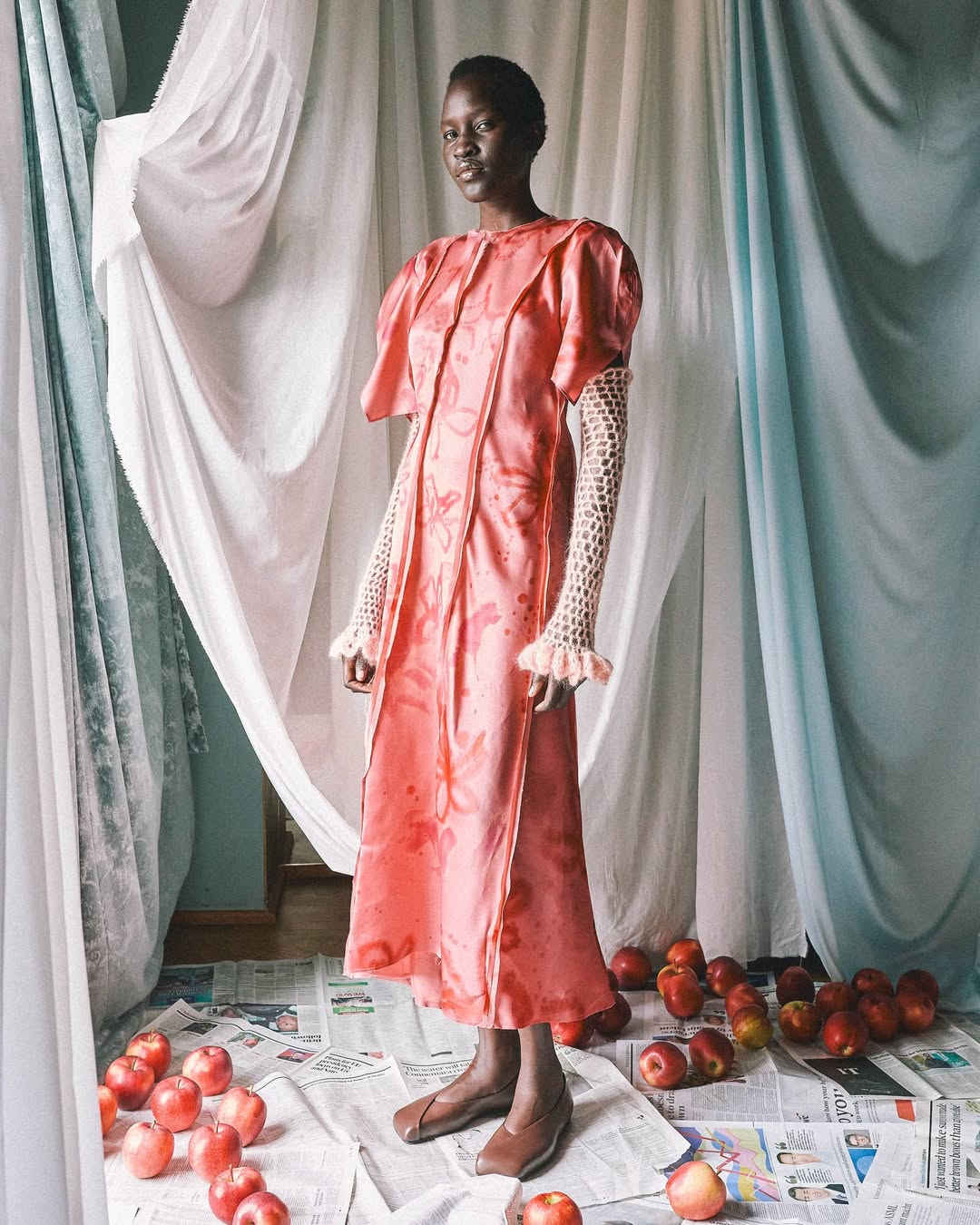
The story behind Moja Rowa feels almost improbable. Velena Mojarova And Benedikt Sittler embarked on what was intended to be a short trip to Mexico in 2020, but would stretch over three years. During that time they immersed themselves in pre-Hispanic textile research, natural dyeing and traditional embroidery techniques.
As a result, their work reflects a kind of slow, deliberate craftsmanship that much of the industry has moved away from over the past decade. When they finally launched Moja Rowa, their debut collection sold out within days at a pop-up in Tulum.
Today, the label works exclusively with Italian factories and high-quality deadstock fabrics, producing bespoke knitwear and artisanal pieces where both process and outcome are paramount. Crucially, Moja Rowa doesn’t chase trends; it’s building something that’s designed to last longer. At a time when sustainability is often reduced to messages, this is a brand that does the work.
#2. Julie Kegels
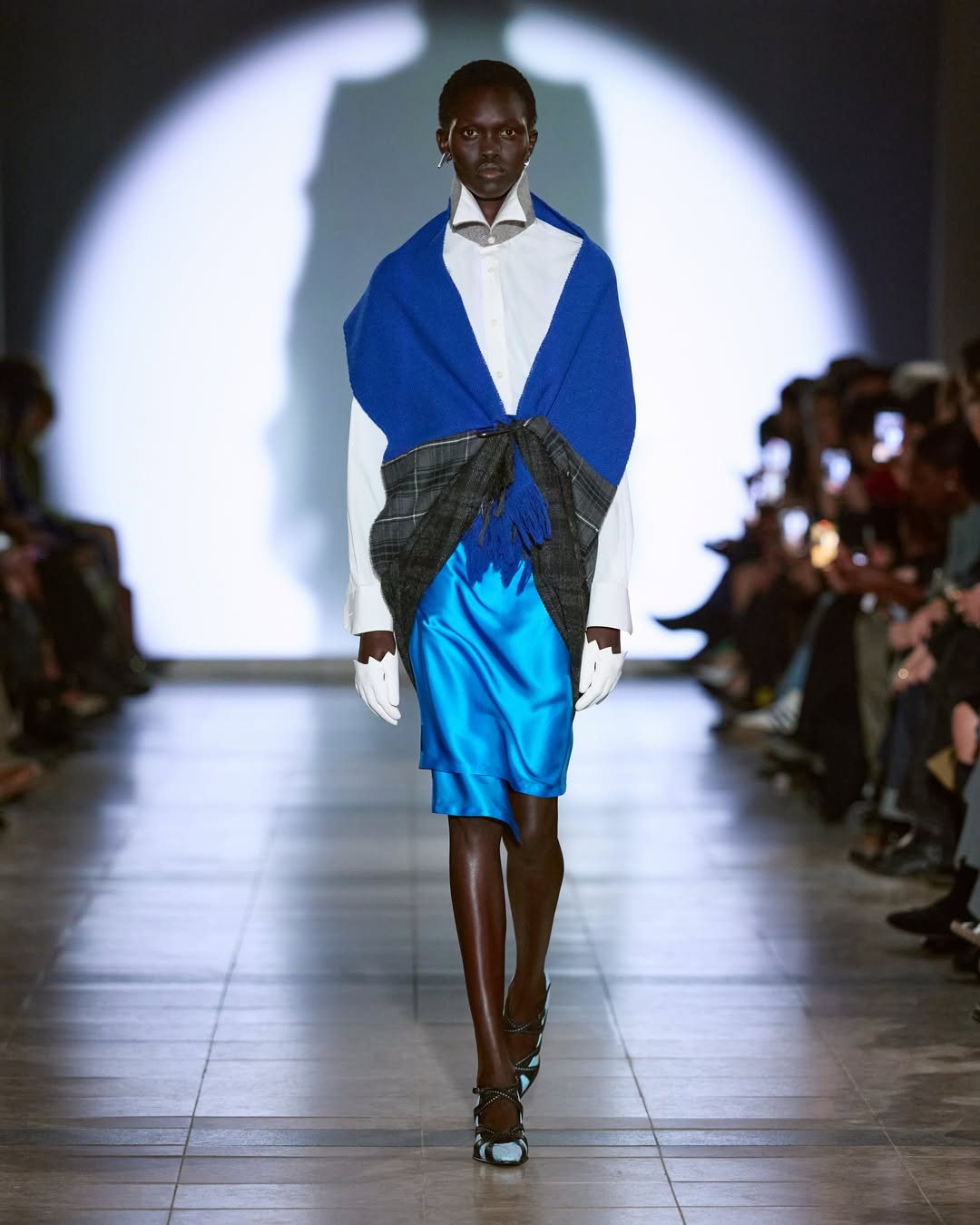
Belgian designer Julie Kegels emerged from the Royal Academy of Fine Arts of Antwerp before launching her label in 2024 and debuting at Paris Women’s Fashion Week. Already a semi-finalist for the LVMH Prize, she has quickly developed a distinctive design language.
It is striking that her fifth collection is built around the concept of imperfection. Jerseys look deliberately shrunken, gloves only cover the fingers and the proportions feel deliberately out of balance.
Rather than correcting these ‘mistakes’, Kegels addresses them and turns them into a framework for rethinking the way clothing is perceived. The result is fashion that challenges assumptions and invites the viewer to reconsider what error and intention really mean.
#3. Libero
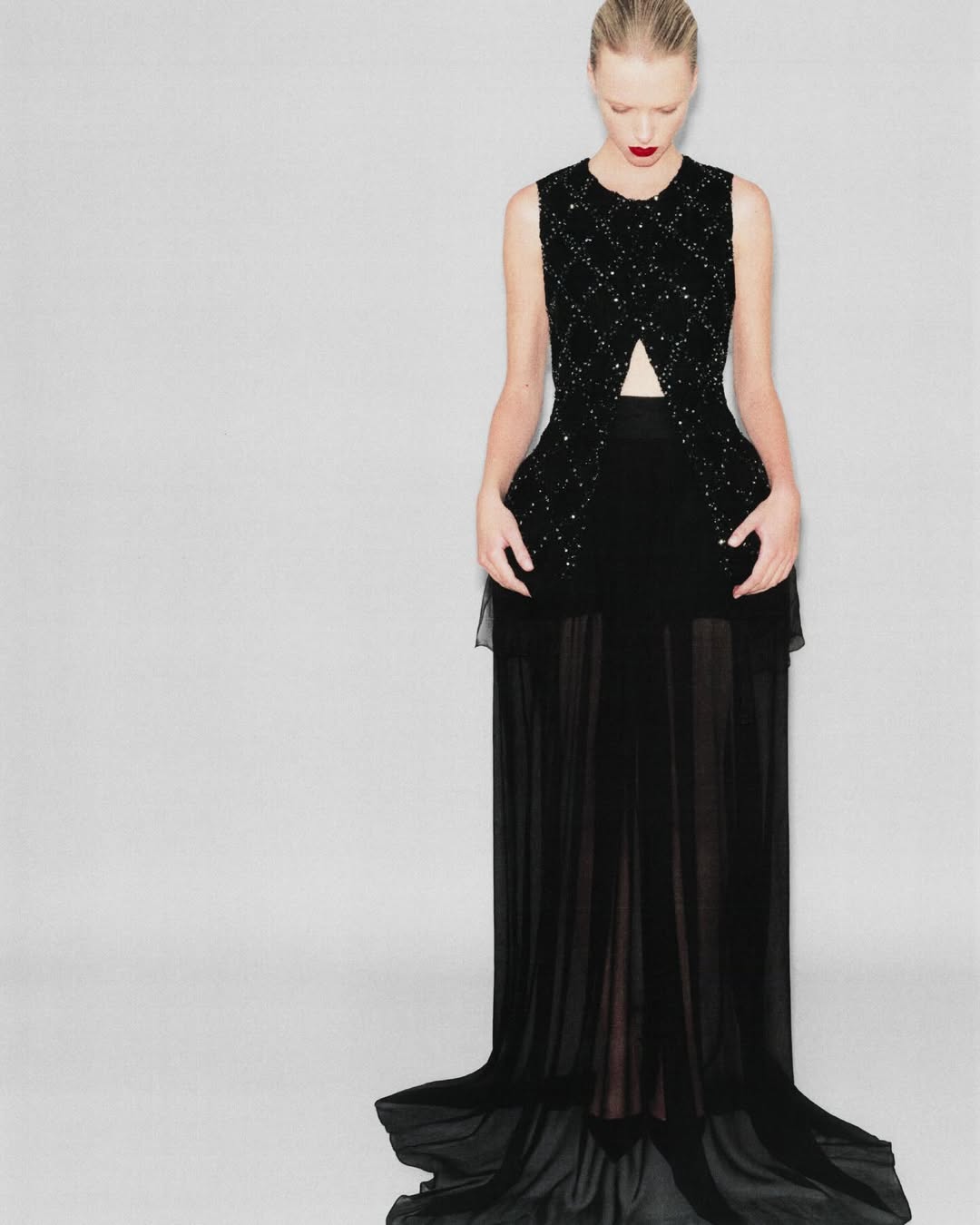
Founded in 2021 by Talia LoubatonLirowe is produced entirely in London, using Indian menswear and 1970s Parisian style. At first glance, the references seem unlikely. They dissolve seamlessly on the body. The Fall/Winter 2026 collection draws on the memories of our childhood, expressed in structured jackets, peplum tops and A-line skirts in neutral tones, all detailed with intricate handwork.
What sets Lirowe apart is his restraint. In a city often defined by theatricality, the label opts for quiet precision, allowing craftsmanship, rather than spectacle, to carry the story.
#4. Paolina Russo
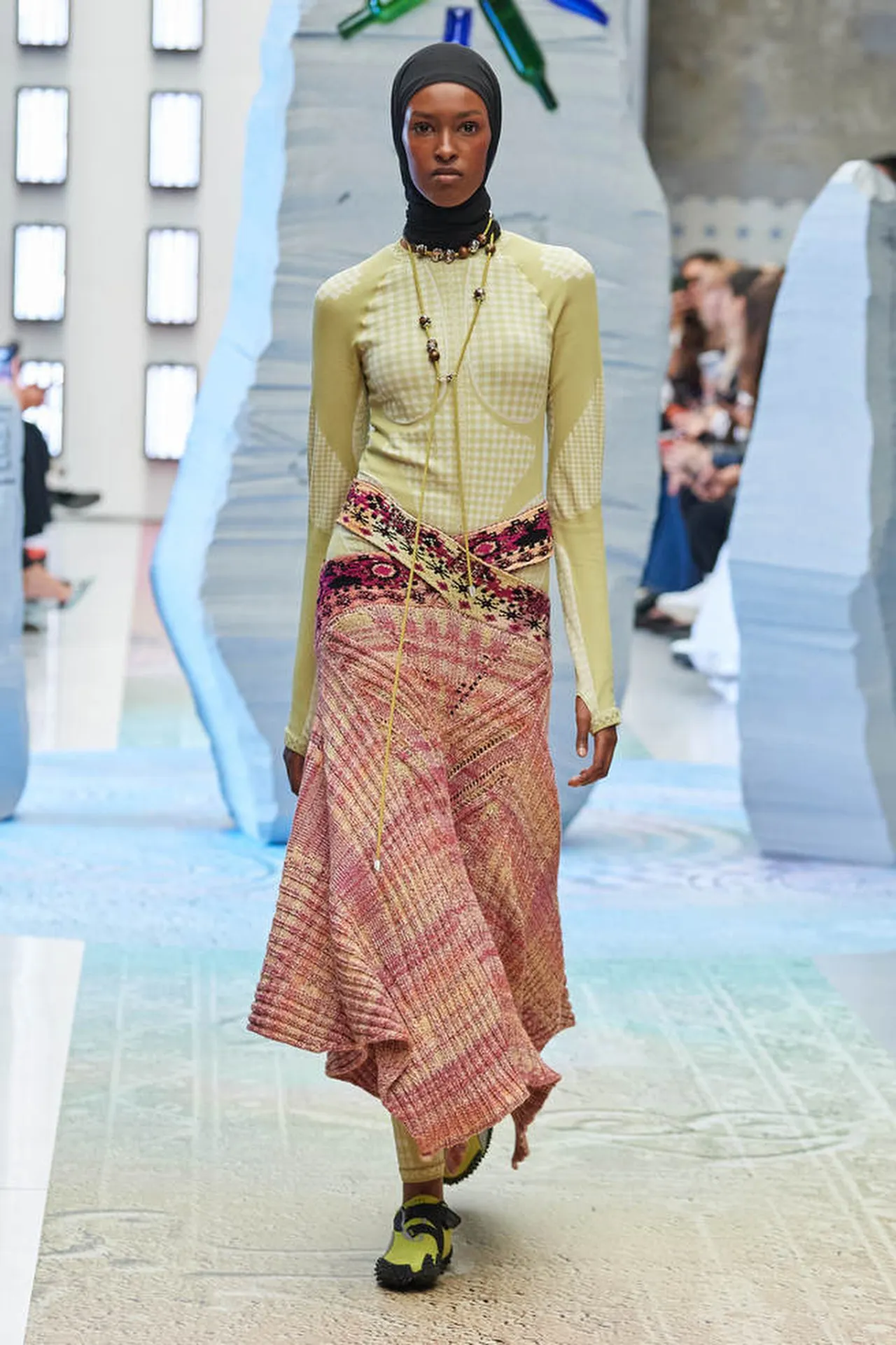
The design duo Paolina Russo And Lucile Guilmard have built a brand in London that exists at the intersection of craft, folklore and technology. The label already collaborates with Adidas Originals, Converse and digital platforms such as Roblox and is simultaneously active in multiple creative dimensions.
For Fall/Winter 2026, the inspiration came from a simple but evocative idea: a first school trip away from home. The result, preppy silhouettes, pleated skirts and badge-covered garments, feels both deeply personal and widely recognizable. It is this ability to translate specificity into universal emotion that elevates the work above decoration.
#5. Augustus Baron
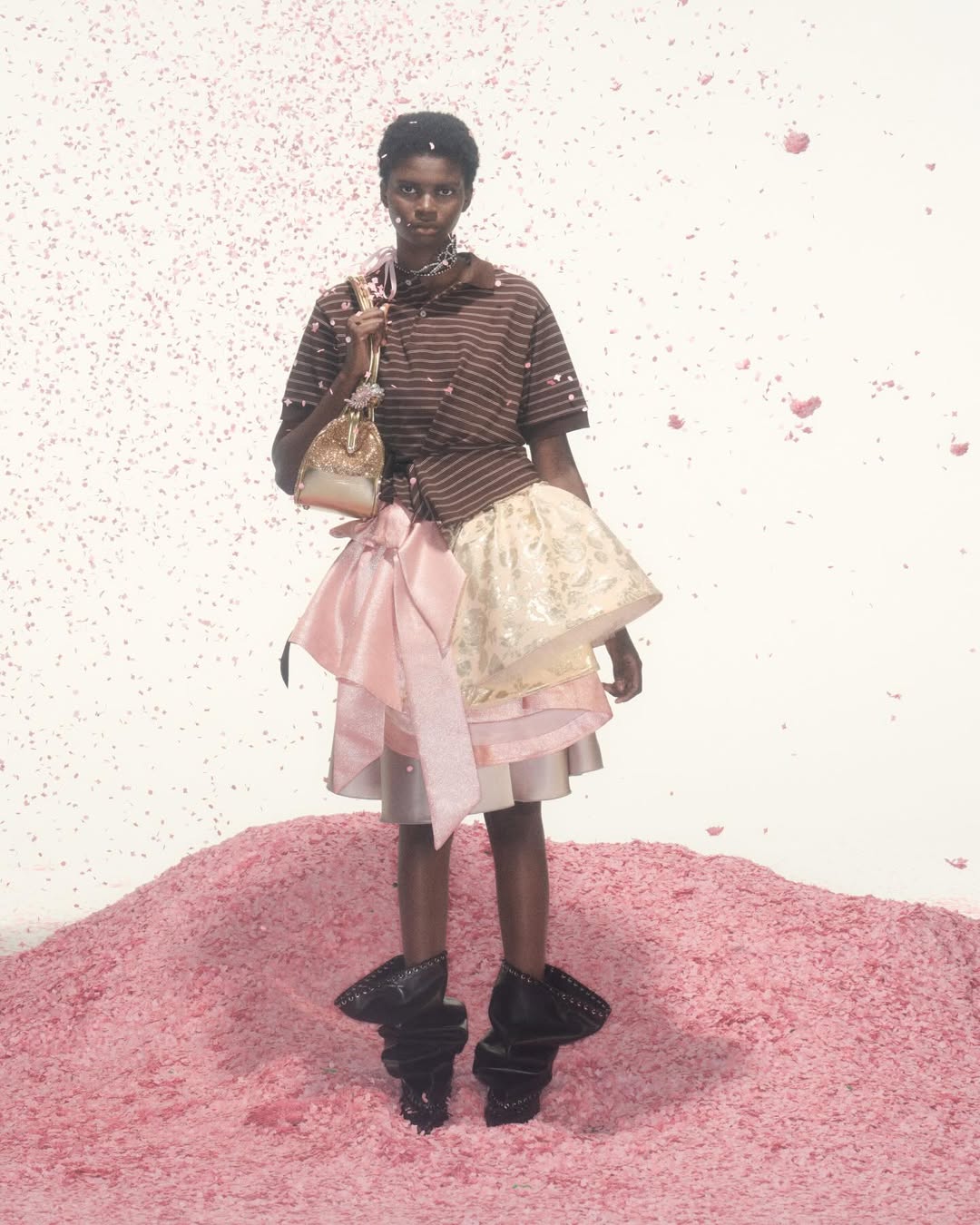
August Barron, formerly known as ALL-IN, is the Paris-based label founded by Benjamin Barron And Brother August Vestbø. The rebranding, which marks its tenth anniversary, heralds a new phase of growth. The label specializes in reconstructing existing garments alongside unique, artisanal pieces, creating a sense of individuality that mass production cannot replicate.
Unsurprisingly, it has attracted a culturally attuned following, with names like Charli XCX, Dua LipaAnd Rihanna among his followers. It was recently a finalist for the 2025 LVMH Prize. This reconstruction ethos offers something that is increasingly rare: singularity in a saturated market.
#6. Abra
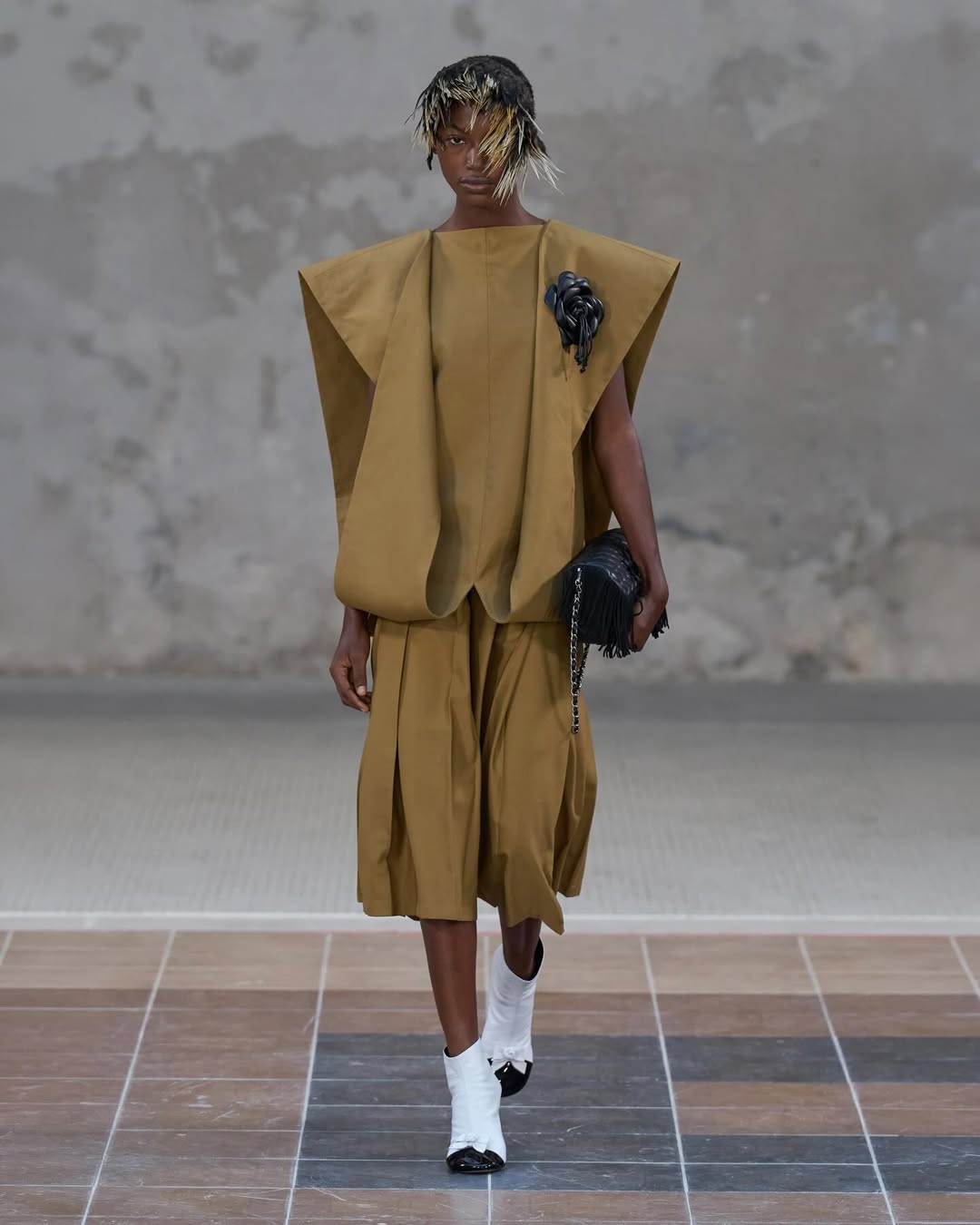
Founded in Paris in 2019 by Abraham Ortuño PerezAbra began in response to a specific gap: the lack of luxury shoes in extended sizes, with designs up to size 12. From that starting point, the brand has grown into a fully realized fashion universe, debuting at Paris Fashion Week in 2024. Rooted in contrast and avant-garde sensibilities, the aesthetic is shaped in part by Perez’s upbringing in Spain.
Abra is one of those emerging designers that exemplifies something that doesn’t happen often enough in fashion: a brand that started by solving a real problem and built an aesthetic vision around the answer. The cult status is not manufactured. It’s deserved.
The window for emerging designers is shorter than you think
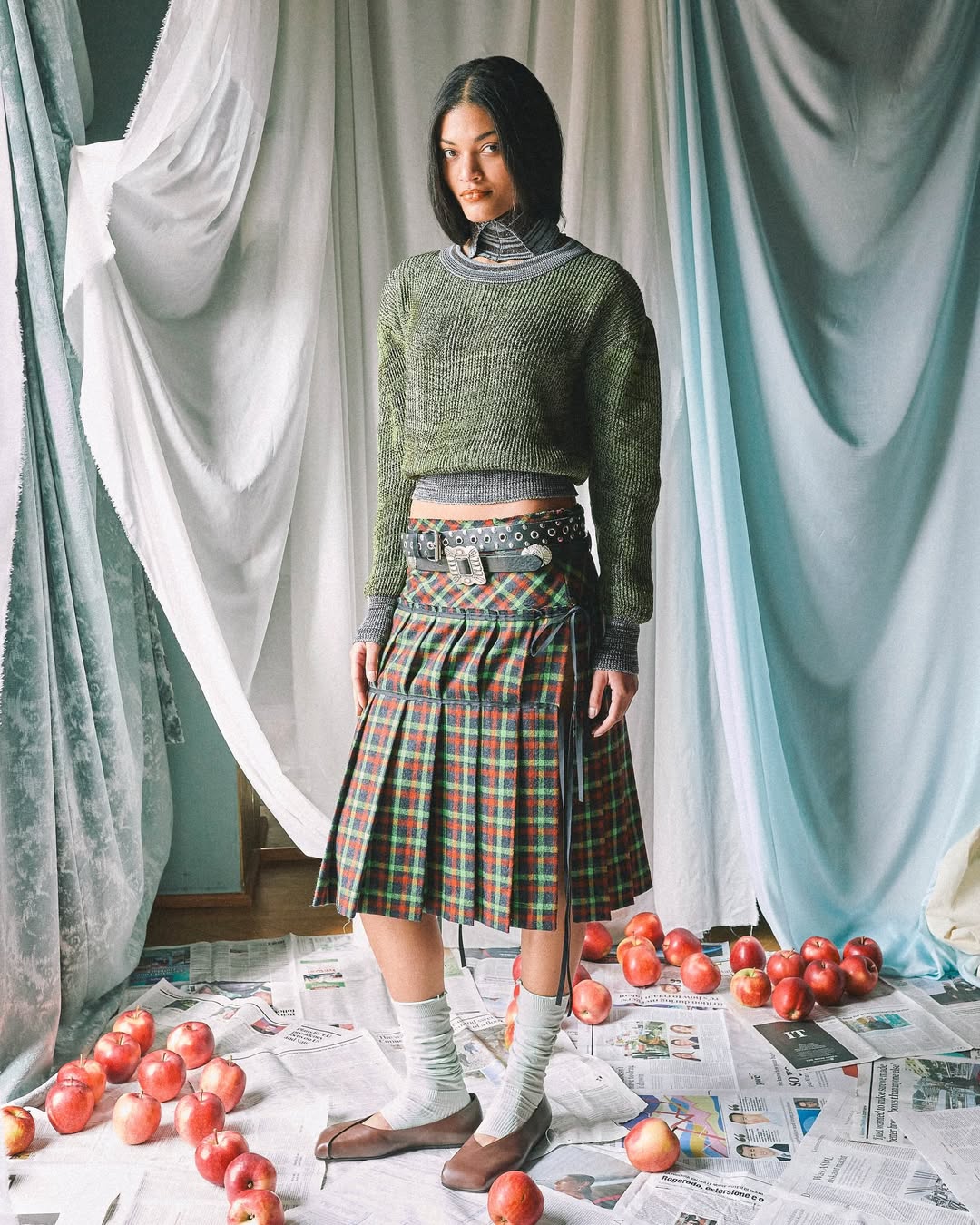
Fashion evolves quickly, but today the gap between discovery and saturation feels smaller than ever. The emerging designers on this list may be at different stages, some gathering industry recognition, others just beginning to scratch the surface, but they share something far more valuable than visibility: a clear and uncompromising point of view.
As a result, these are not names to file away later. The time to pay attention is now, while the work still feels intimate, guiding and just a little ahead of the curve.
.
Global talent takes center stage as LVMH names 2026 Young Designers’ Prize semi-finalists