

Share the article
Are you planning a trip to Spain this spring, but the growing crowds you see on TikTok are making you question your decision?
Let me tell you something I’ve learned after years of traveling the Iberian interior myself: all the crowded beaches, overpriced terraces lying around $15 sangriasand hours-long queues to visit a sight, you mainly see in five tourist cesspools:
- Madridthe vibrant capital
- Barcelonathe number one seaside holiday
- Mallorcathe place for German beer lovers
- Gran Canariathe equivalent of a European Cancun for year-round sunshine
- Malaga (and the wider Costa del Sol), virtually a British colony at this point
Leave out the southern spots, however, and you’ll find a plethora of cultural gems yet to be spoiled by the masses.
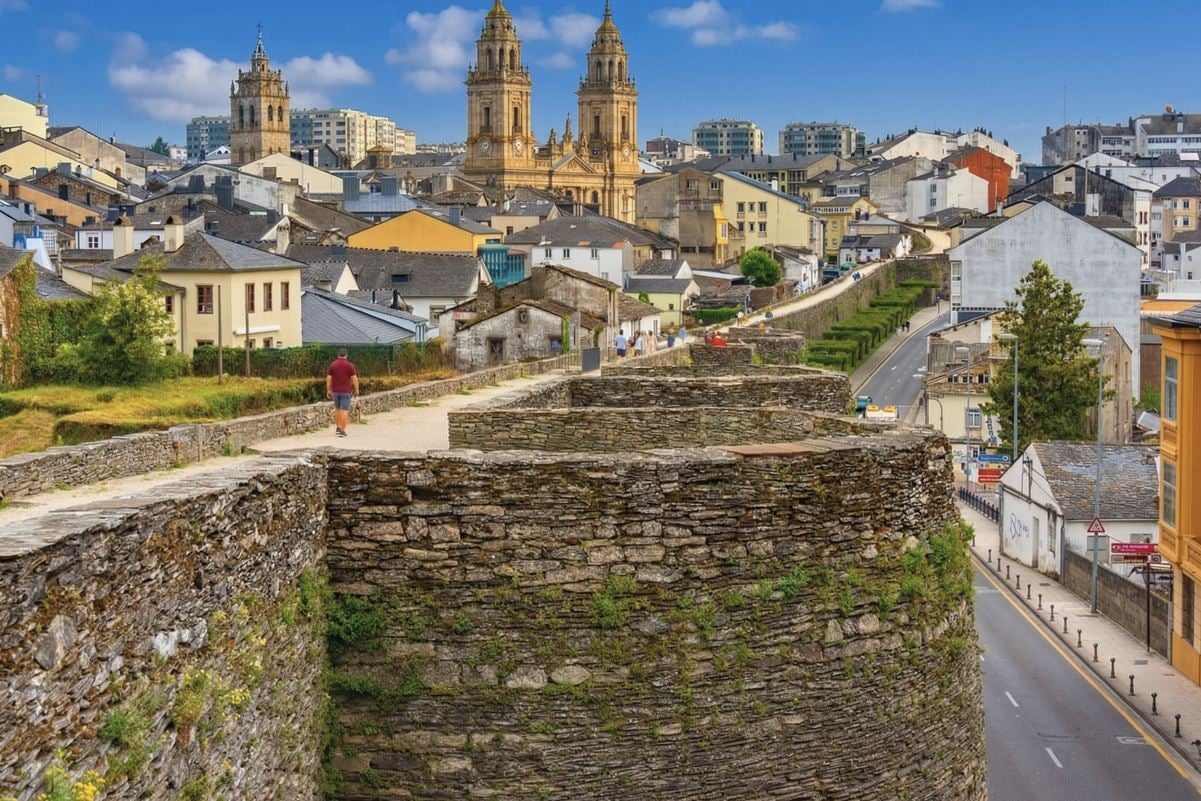
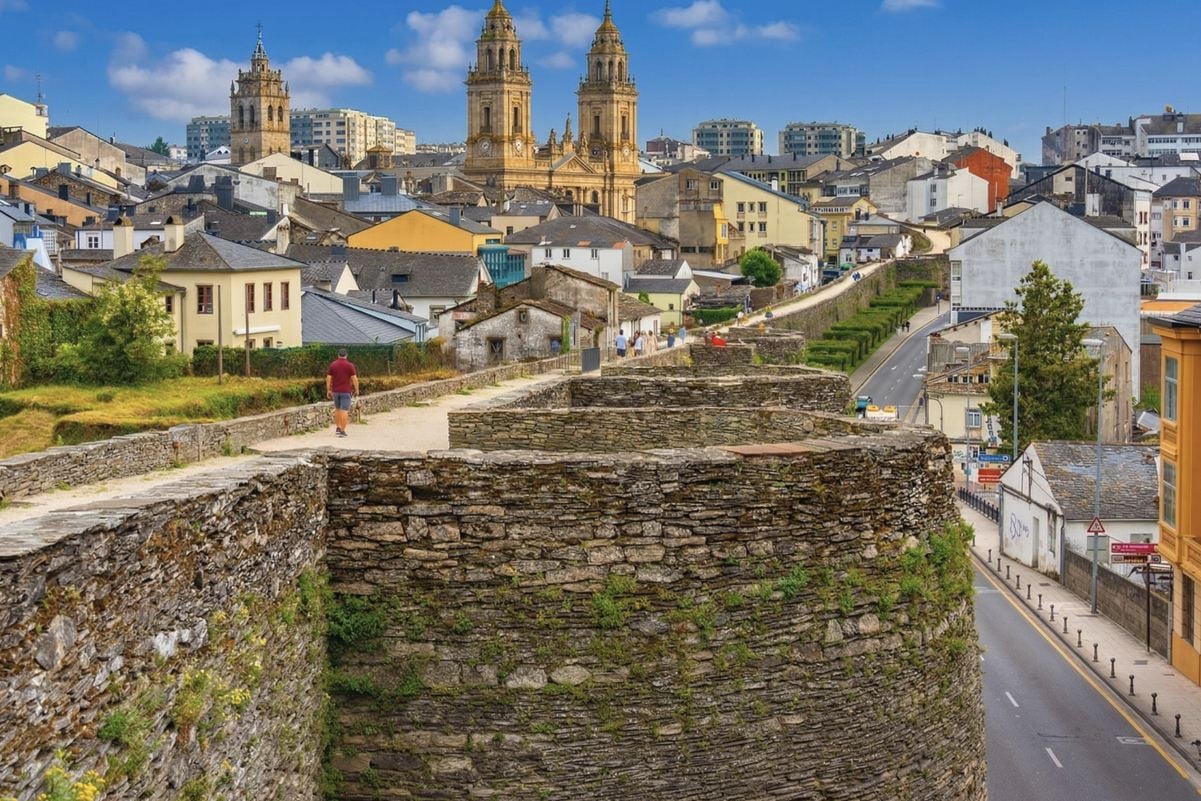
During my recent travels through Galicia, one of the overlooked northern regions, I happened to come across Lugo, an ancient city very little that tourists have heard of, even if it shows off one of the most impressive historical centers across the continent:
The last perfectly preserved Roman city walls
Lugo is an inland city in Galicia, on the northwestern edge of Spain, with approximately 100,000 inhabitants.
It’s a medium-sized city by Spanish standards, but the fact that it’s not directly on the coast, let alone the Mediterranean, makes it less easy prey for the sun-seeking hordes. If you’re coming to Spain for the allure of the Old World, you’ll definitely want to check these out:
The quiet, modest Lugo just so happens to be the same complete surrounded by a sturdy row of walls from Roman times. I mean ancient Roman, which is over 1700 years old. I couldn’t believe it when I saw it with my own eyes.
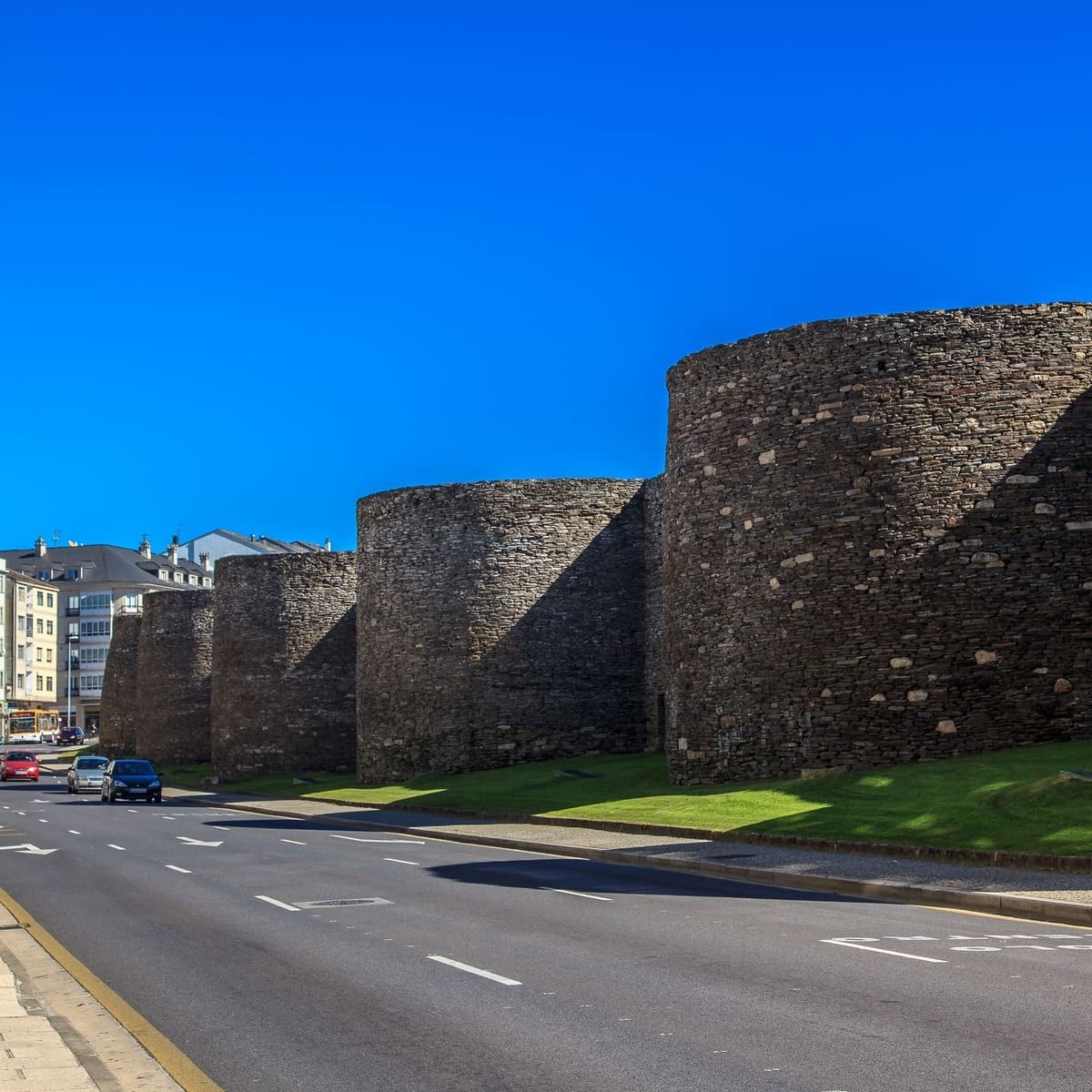
They walk around the whole Historic center, making the city the last in Europe to be completely fortified by a Roman fence.
The craziest part? Although it’s only a short 2-hour train ride from trendy A Coruña, and an equally short 2.30-hour drive from Santiago de Compostela, the world-famous pilgrimage site, this place is not yet on the average tourist’s radar.
Oh, but don’t worry: culture vultures have been keeping a close eye on it, and back in 2000 it was designated a UNESCO World Heritage Site.
Going to Spain this summer? Check the latest travel advisories for the country to avoid unpleasant surprises on site.
No Dubrovnik level crowds
Remember when you had to pay €40 to walk the coastal walls of Dubrovnik, Croatia?

The views of the Adriatic Sea are breathtaking, okay, but what if I told you that you can explore the full extent of Lugo’s much older, much more impressive Roman walls? La Muralla Romanafor total 0 cents euros?
There are ten entry points around the old town, and there are no ticket offices or turnstiles to keep out curious visitors. You are free to simply walk up and walk the entire length of the walls while taking in the views of the city’s iconic glass balconies, grid-like street plan, and church towers.
I took maybe 4,000 photos along the way, so it may have taken me almost 1h30 to complete the loop, but at a leisurely pace, if you’re not as surprised as I was and just casually take a few photos, you can complete the walk about 40-45 minutes.
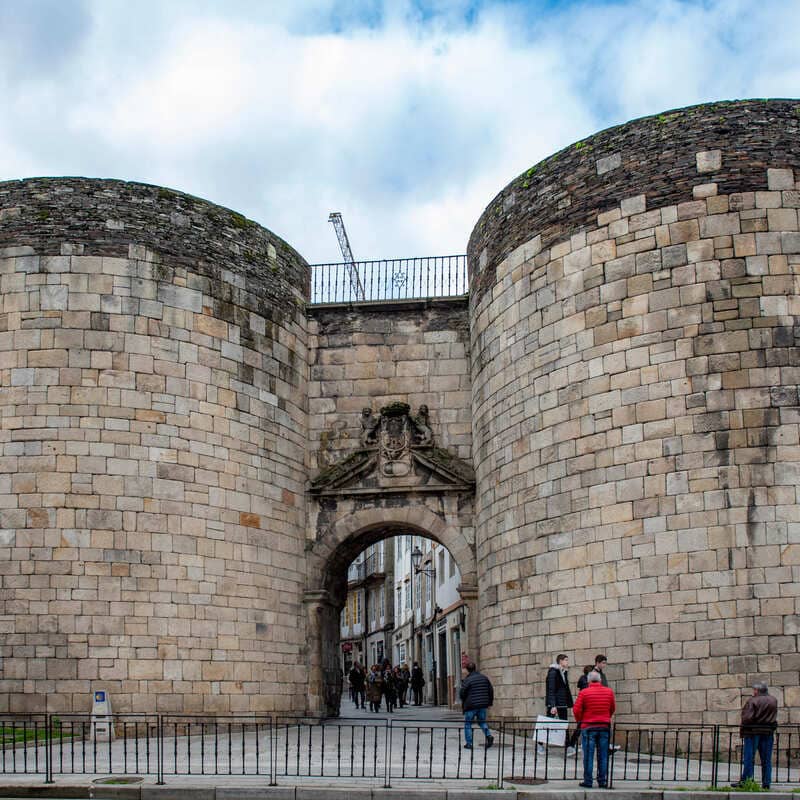
And guess what? Practical zero photobombers up there, regular locals going for a morning jog – can you imagine how cool it must be to have a Roman wall as a running area? Now, that is a flex.
Most beautiful cathedral in Galicia?
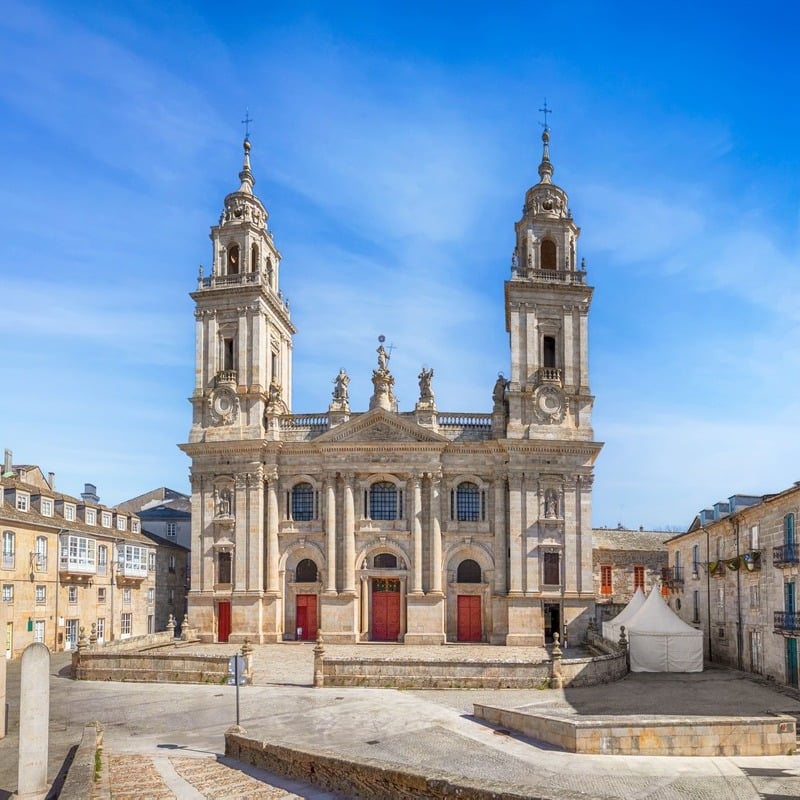
You would think it is on the UNESCO list Muralla Romana is by far the most impressive sight around here, but wait until you see the crenellated cathedral.
With soaring towers visible from a mile away, and a beautiful Baroque façade, it has an extraordinarily long nave, lined with gilded columns, ornate chapels of gold leaf and altarpieces carved from old wood.
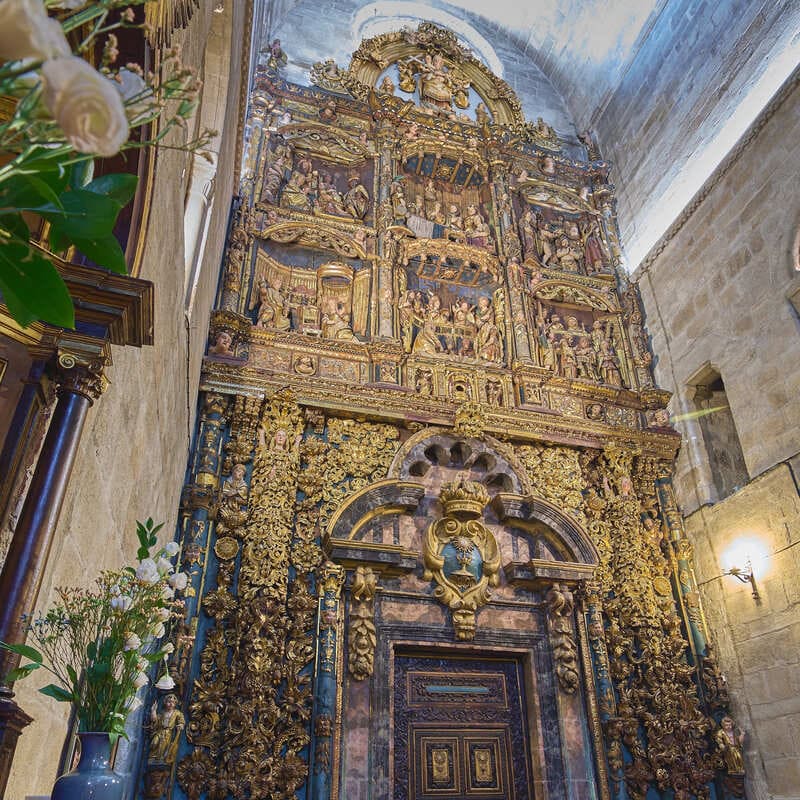
The adjacent medieval monastery is just as atmospheric, and if you pay the full entrance fee of €8 (about $9.20), you can even go to the top floor of the cathedral, which houses some beautiful sacred art and sculptures.
Domus Mitreo is a short walk from Cathedral Square, through narrow alleys lined with arcaded buildings and picturesque fountain squares. underground treasury you don’t want to miss:
Free to visit, they are the archaeological remains of a large Roman domus, associated with a cult of a pagan sea god – at least that’s what I could think of myself, as I couldn’t be bothered with a guided tour.
Let’s just say that the few mosaics and columns that remain are truly impressive.
When all the old stones and bustling pedestrian traffic reach you, just outside the center, near the Miño River, lies this beautiful park, intersected with cycle paths. It’s perfect for getting a taste of the Galician countryside without ever leaving the city.
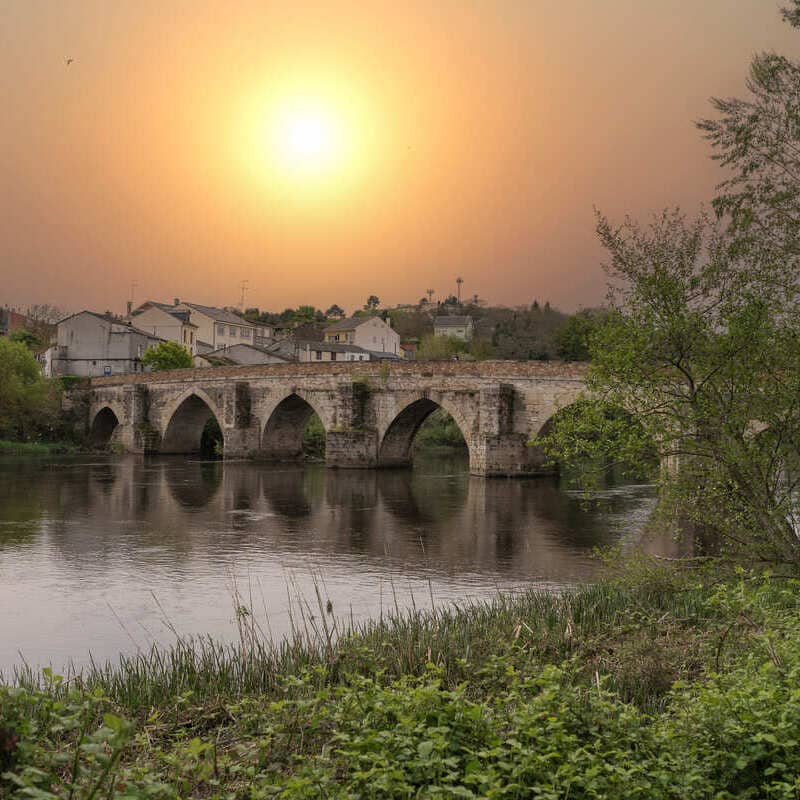
I guess I should mention that even if you try to escape it, Ancient history will always catch up with you in Lugo: spanning the river is a multi-arched stone Roman bridge dating back to the 1st century AD (older than the walls, even).
This bridge is a popular landmark for Camino pilgrims walking past Lugo on their way to Santiago, and you can often see them chilling at A Calzada Bar, a no-nonsense tapas bar just off the bridge, before resuming their journey.
How to get to Lugo this summer?
Lugo is just one of them a lot of amazing destinations to discover in Northern Spain, and guess what?
Starting this year, Americans can fly to the region non-stop from Newark (EWR). the first time. Flights land at both Bilbao (BIO) and Santiago de Compostela (SCQ), two of the main destinations on the North Atlantic coast.
For those who went straight to Lugo: the most convenient airport for landing is SCQbecause it is in the same region, and a 2.30 to 4 hour train journey from Santiago (usually via Ourense or A Coruña).
And don’t forget to… latest travel rules for Americans going to Spain this year. Whether it concerns mandatory fingerprints or travel permits, it all changes quickly.