


Streetwear in 2026 feels less like a niche and more like a living language. It moves fluidly through music, sports, internet culture, local scenes and luxury fashion all at once. What people are following now is not just a logo or a drop calendar. They track attitude, scarcity, community, and a brand’s ability to stay emotionally relevant in an age where trends burn fast and attention shifts even faster.
That’s why this list isn’t just about legacy. It reflects which brands people are actively looking at, talking to, buying, reposting and building identity in 2026. Some names here are untouchable pillars. Others are newer and more volatile. But they all shape the current conversation.
Below you will find the top 10 streetwear brands that people will follow in 2026…
#1. Corteiz
If one brand captures the anti-establishment energy of modern streetwear, it’s Corteiz. What makes it powerful is not just the product, but the feeling that it is always slightly ahead of the mainstream and still connected to the codes of the street, even as its influence grows worldwide.
In 2026, people will continue to follow Corteiz because it has achieved something rare: scale without completely losing its edge. The drops feel culturally charged rather than mechanically commercial. For younger consumers especially, Corteiz represents credibility, and credibility remains the most valuable currency in streetwear.
#2. Supreme
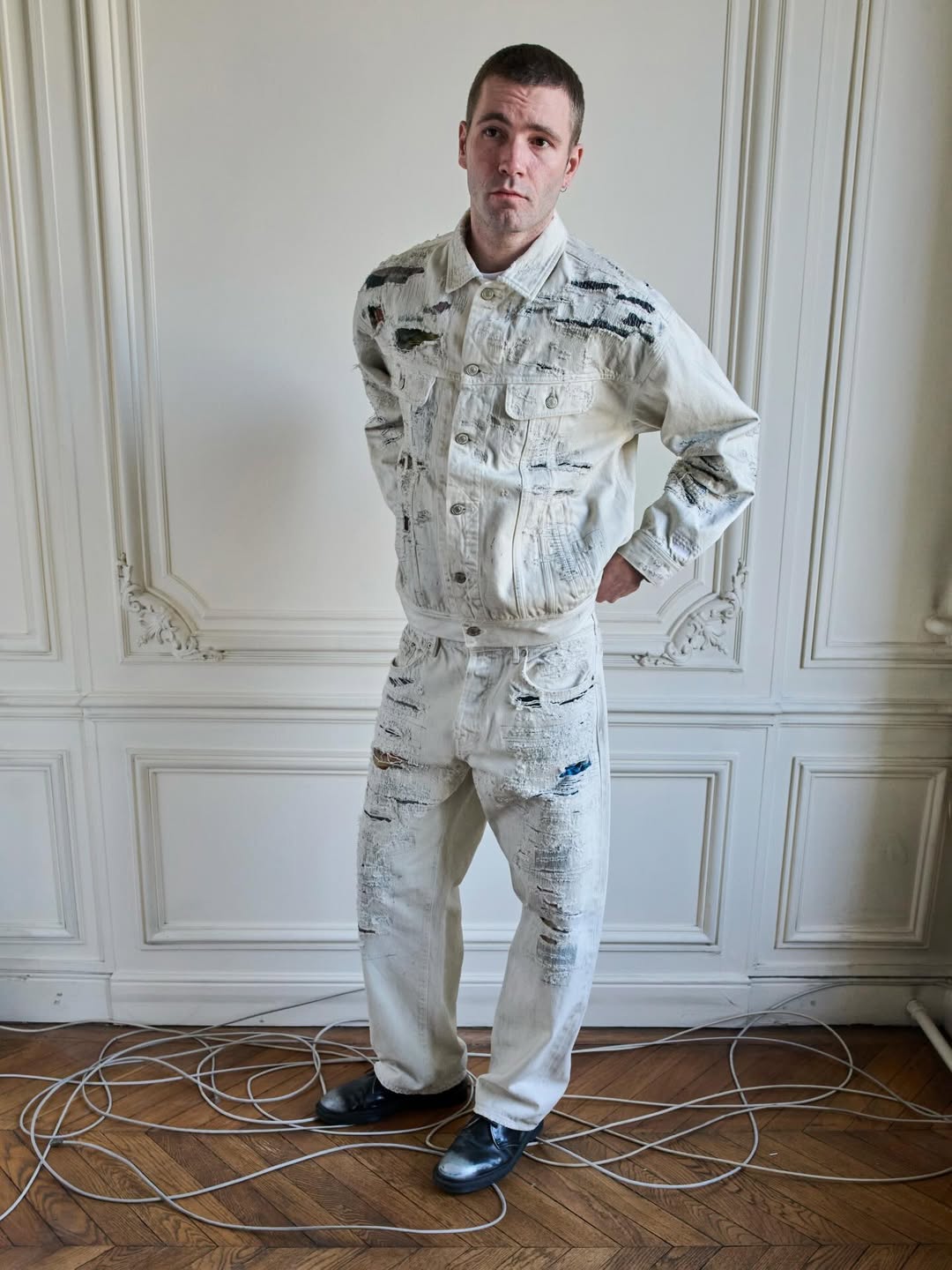
Supreme remains one of the clearest examples of how a brand can become institutional without becoming irrelevant. Predictions about its decline have been circulating for years, but in 2026 it still commands attention because the name has a historical weight that newer brands cannot replicate.
What has changed is the way people follow Supreme. It’s no longer just about hype. It’s also about archival value, multi-generational recognition, and a deeper appreciation of how much of today’s streetwear ecosystem was shaped by the model of collaboration, scarcity, and graphic identity.
#3. Stüssy
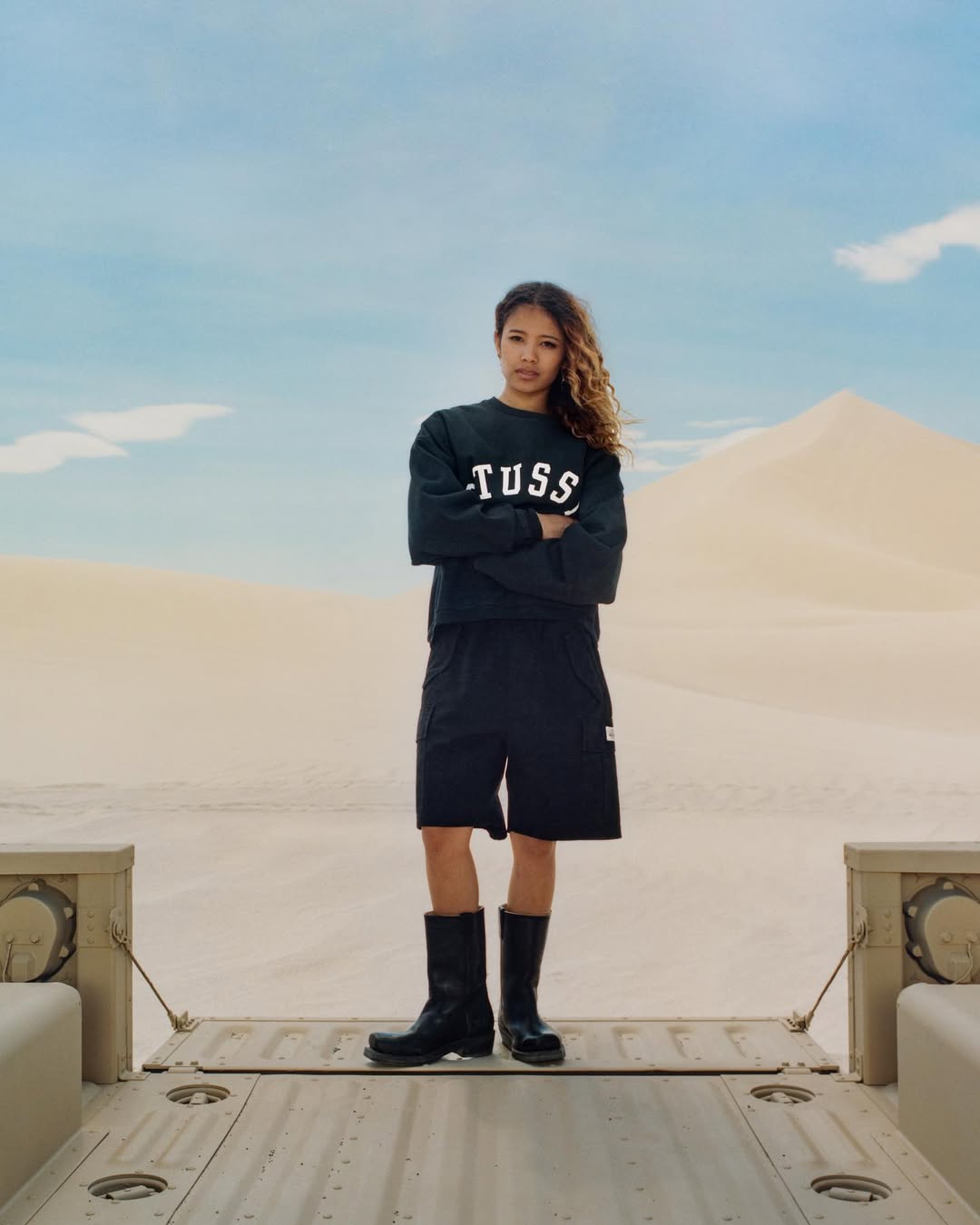
Stüssy has become the brand that many labels aspire to be: globally respected, culturally stable and consistently cool without being desperate for attention. In a market saturated with performance drops and social media histrionics, it feels confident enough to stay relaxed.
That silent confidence is exactly why people will continue to follow it in 2026. Stüssy doesn’t have to shout. It works because authenticity is embedded in its DNA, appealing to both longtime enthusiasts and younger consumers who discover it through its styling culture, vintage references and understated branding.
#4. Hellster
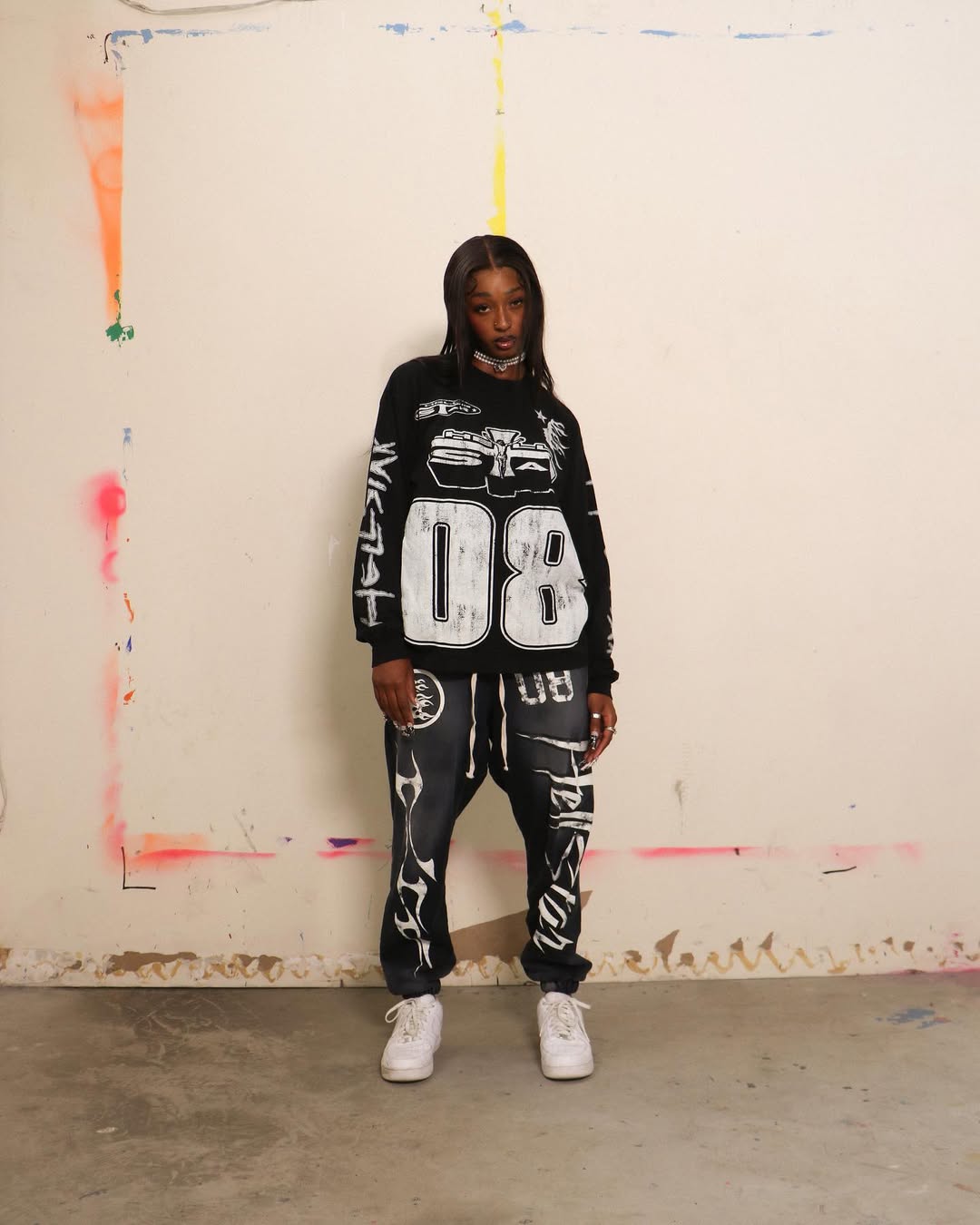
Hellstar has become one of the most talked-about names in the current streetwear cycle, thriving in the overlap between darkness, spirituality, celebrity energy and graphic expression. The brand feels intense and emotionally charged in a way that resonates with a generation drawn to fashion that reflects both internal mood and external style.
In 2026, Hellstar matters because it is more than a passing trend. It reflects the hunger for statement streetwear that feels personal and somewhat chaotic. The visual world is strong enough that even those who don’t buy every release are still following closely to see where the aesthetic goes.
#5. Sp5der
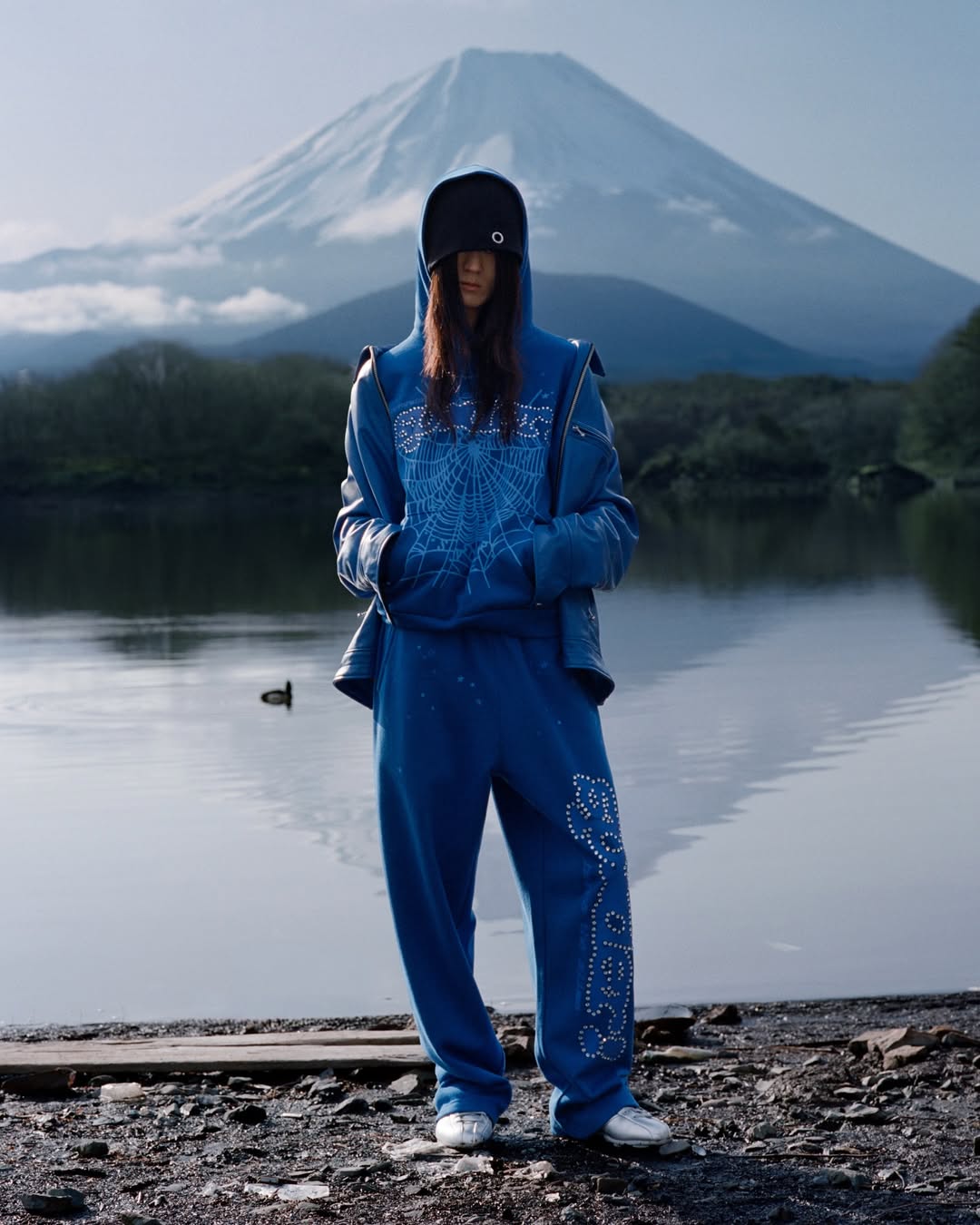
Sp5der continues to turn heads as it takes center stage in music-driven street fashion. The identity is loud, colorful and instantly recognizable, deeply connected to rap culture. That makes it polarizing, but in streetwear, polarity often fuels relevance instead of weakening it.
The reason people still follow Sp5der in 2026 is simple: it understands spectacle. Not every brand needs to be refined. Some need to feel explosive. Sp5der succeeds by transforming images, colors and associations with celebrities into a signature that is impossible to ignore.
#6. Syna World
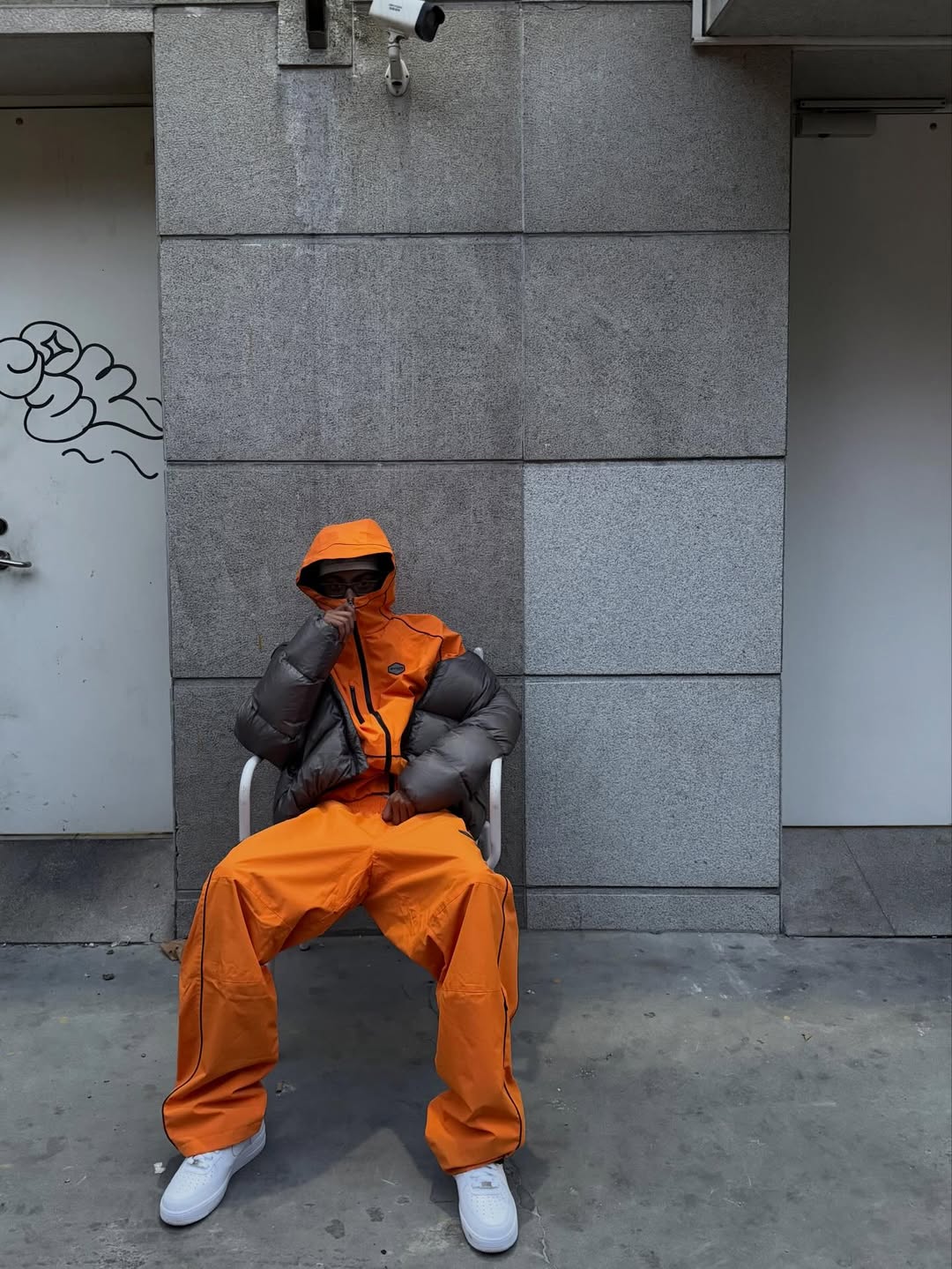
Syna World represents a significant shift in streetwear: the growing influence of artist-led lifestyle branding, rooted in place, sound and community. Its rise was particularly visible in Britain, but its appeal now extends much further afield.
What makes Syna World important is not just its momentum, but the way it reflects the way audiences now follow entire cultural ecosystems, not just fashion labels. Consumers don’t just buy clothes; they buy into a scene, a sonic identity, and a social atmosphere. In that sense, Syna World feels distinctly 2026.
#7. Denim tears
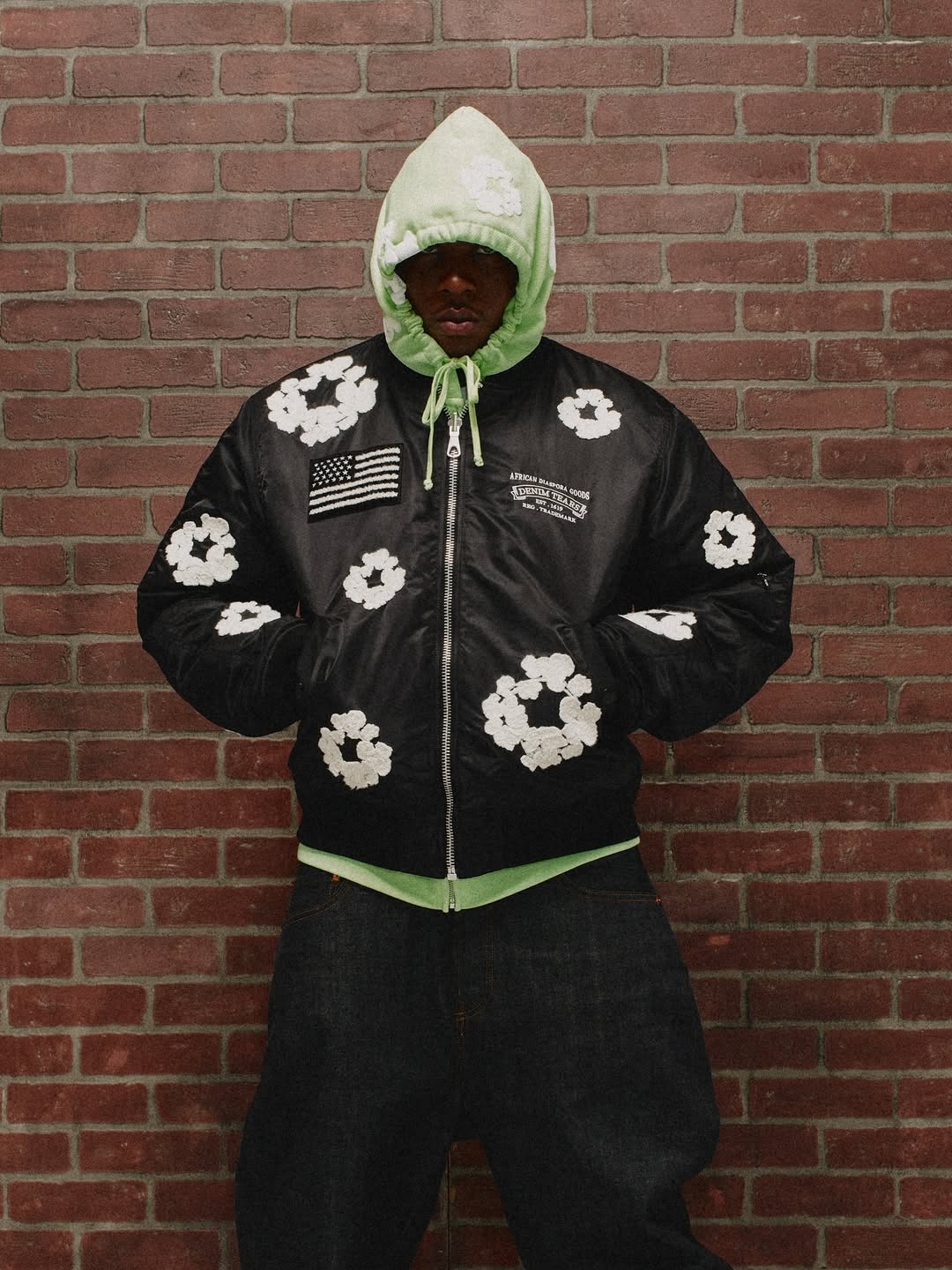
Denim Tears has one of the strongest intellectual foundations in contemporary streetwear. While many brands prioritize immediate visual impact, they have built authority through cultural memory, historical references and a willingness to give fashion meaning.
That depth is exactly why it will remain important in 2026. People follow Denim Tears not only because the pieces look compelling, but because the brand demands more from the viewer. It invites conversations about heritage, identity and storytelling in a category that can easily become superficial. Composite pieces such as Denim Tears Hoodies continue to demonstrate why visual language has lasting power.
#8. Friends
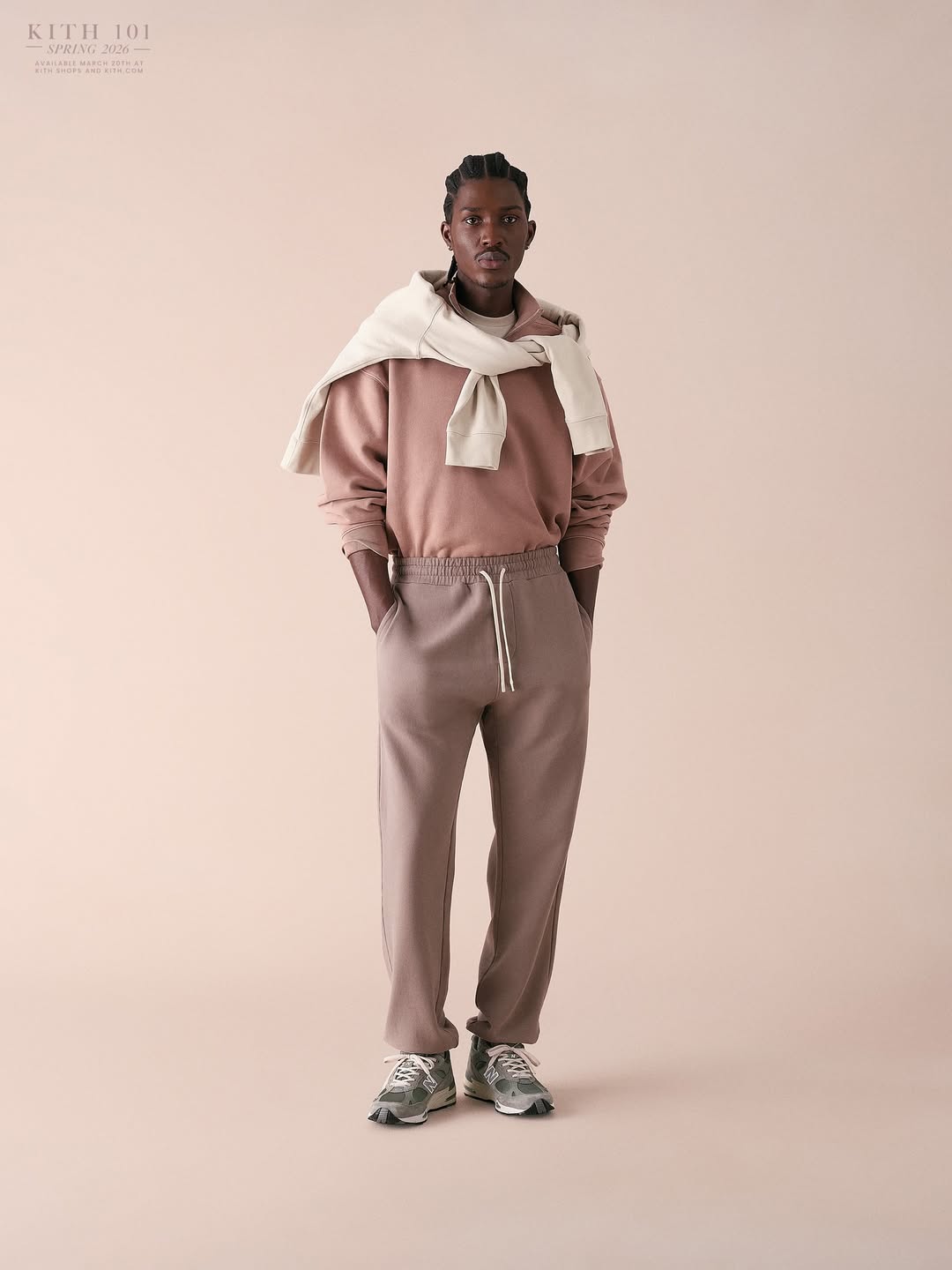
Kith has mastered a difficult balance: broad commercial appeal combined with enough discipline to remain ambitious. It is not based on underground mysticism or confrontation, but that restraint is precisely its strength.
In 2026, people will follow Kith because it has become a reliable reference point for stylish streetwear. The partnerships, retail environments and product consistency keep it relevant across multiple demographics. Kith proves that curation can be as influential as rebellion.
#9. Aimé Leon Dore
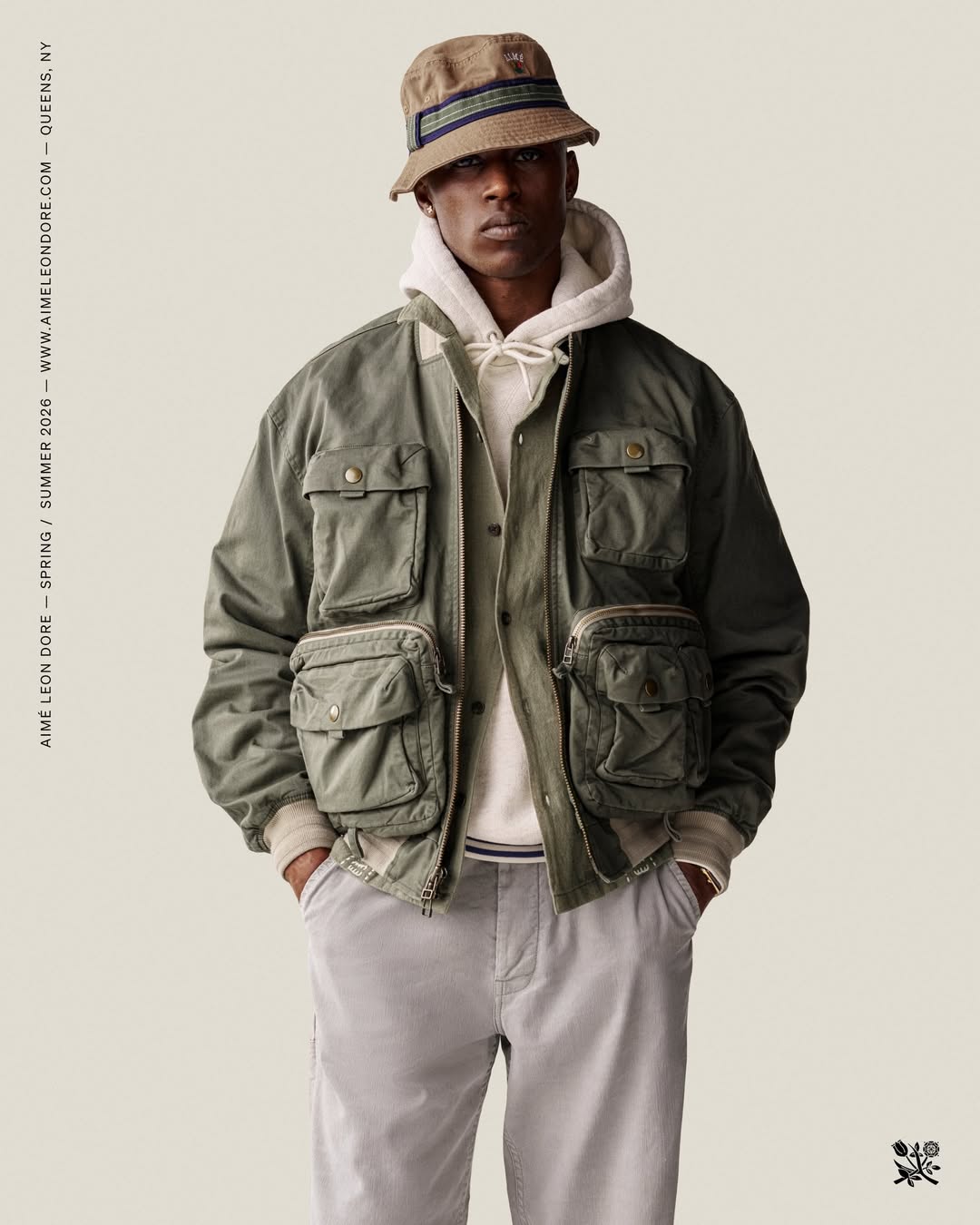
Aimé Leon Dore continues to matter because it represents the refined side of streetwear evolution. Drawing of New York Heritagemenswear and lifestyle stories, it feels mature without losing cultural relevance.
Why does it still attract attention in 2026? Because not everyone wants streetwear to be loud. As audiences evolve, many consumers are looking for brands that retain the DNA of streetwear while offering a more sophisticated way to wear it. Aimé Leon Dore occupies that space with precision.
#10. Palace
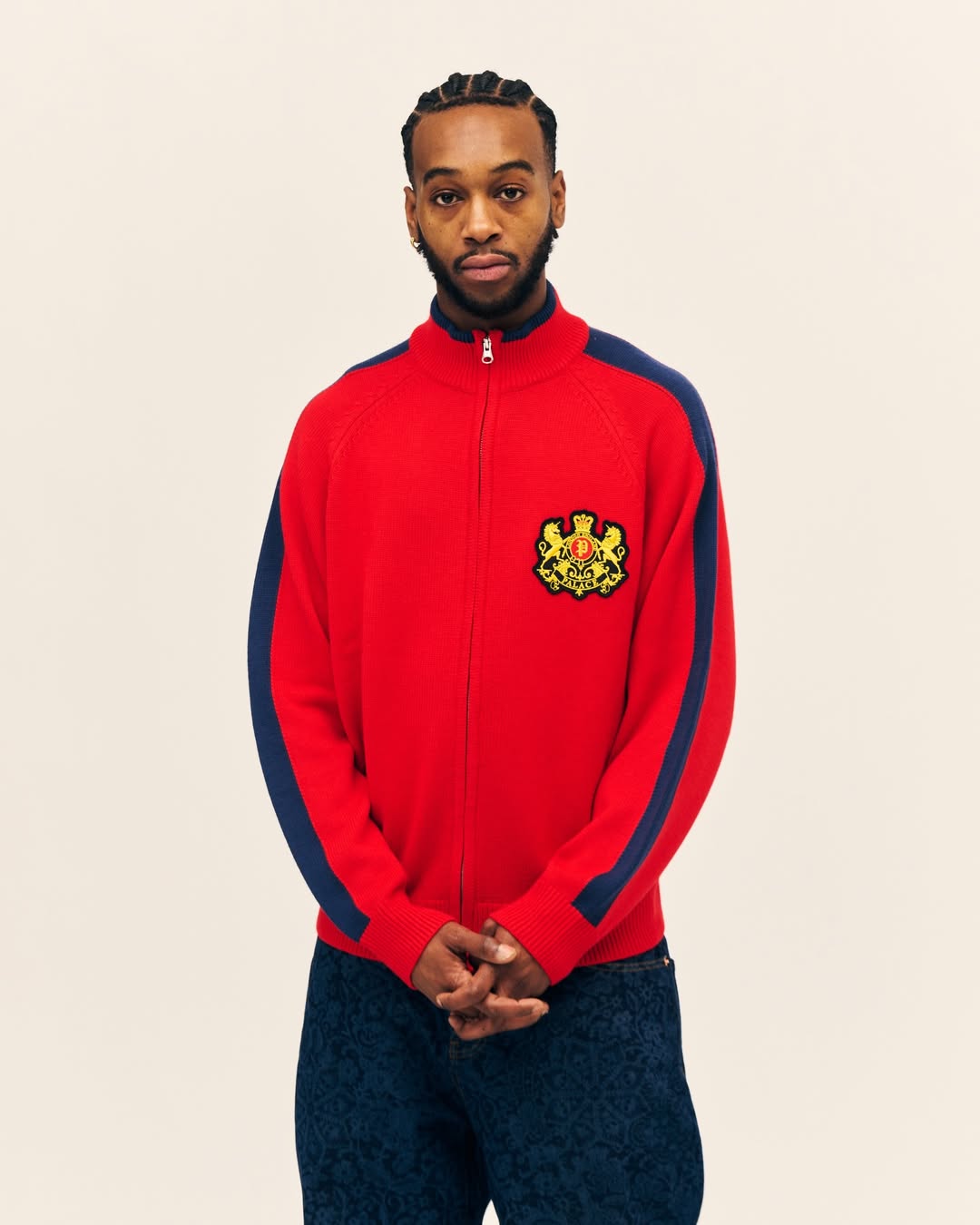
Palace remains one of the most distinctive names in the industry, having never fully surrendered its skate identity to global fashion pressures. Even after years of growth, it still feels mischievous, irreverent and distinctly British.
This is important in 2026 because authenticity will become more difficult to maintain on a large scale. Palace continues to attract followers who want humor, texture and local character in their streetwear. In a landscape where many labels look interchangeable, it still feels like itself.
Why these brands, and why now?
The biggest shift in 2026 is that people will no longer follow streetwear brands for one reason alone. In the past, only hype could carry a label. Today, the audience is more segmented and aware. Some follow for cultural legitimacy. Others because of music affiliation, resale value, design language, social symbolism or depth of storytelling.
Therefore, this list is intentionally mixed:
- Corteiz stands for modern credibility
- Supreme represents inheritance power
- Stüssy reflects timeless cool
- Hellster And Sp5der embody emotional and music-driven energy
- Syna World shows the rise of scene-based branding
- Denim tears brings cultural story and content
- Friends offers commercial precision
- Aimé Leon Dore speaks of an increased taste
- Palace retains the irreverent street identity
Together they show what streetwear has become: not a single lane, but a spectrum.
A more useful way to read streetwear in 2026
If there’s one deeper truth behind these rankings, it’s this: the most followed brands today are the ones that give people a world to enter. Clothing alone is no longer enough. The strongest labels provide mythology, identity, references, and community signals.
This is also why consumers pay more attention to complete looks than to individual pieces. The modern streetwear crowd wants outfits that feel intentional and not random. One of the reasons why curated streetwear outfits are becoming increasingly relevant for translating brand identity into personal style.
Final thoughts
The best streetwear brands of 2026 aren’t doing the same, and that’s the point. Streetwear has matured beyond a simple hype hierarchy. It now includes old giants, fast-rising disruptors, artist-led labels and brands with real cultural arguments behind them.
When writing about streetwear these days, the more interesting question is no longer which brand is the most popular. That’s why certain brands continue to capture attention, while new names continue to emerge. The answer is consistent: the best brands don’t just sell clothes; they create meaning that people want to carry.
Featured image: Denim Tears
—Read also


