


Reapplying sunscreen at midday once posed a dilemma. Reapplying sunscreen often meant disrupting makeup, applying creams over oil or skipping protection altogether. As beauty routines evolve toward convenience and practicality, powder-based sunscreens are attracting renewed interest, especially among those who want to maintain protection without disrupting their makeup.
This shift reflects a broader change in skincare habits. Consumers increasingly prefer products that work within busy schedules, whether commuting, quick mirror checks or between meetings. In this environment, powder sunscreens are being rediscovered as an easy way to strengthen daily sun protection.
Why interest in sunscreen with mineral powders is increasing again
Sunscreen awareness has grown significantly in recent years, but consistency remains the biggest challenge. Many people apply sunscreen in the morning but have difficulty reapplying it throughout the day, especially if they wear makeup.
This is where mineral powder sunscreen has gained renewed attention. A quick wipe can help boost protection while reducing shine, making it especially attractive in warmer weather.
Another factor driving this resurgence is the demand for gentler skin care. Mineral-based sunscreens typically rely on ingredients such as zinc oxide or titanium dioxidethat sit on the skin’s surface instead of being absorbed. This makes them often a favorite for people with sensitive skin.
Mineral versus chemical sunscreen: What’s the difference?
Understanding the difference between mineral and chemical sunscreen will reveal why certain formats work better for specific routines.
Mineral sunscreens use physical UV filters, usually zinc oxide or titanium dioxide, to form a protective barrier on the skin. These ingredients reflect and diffuse ultraviolet rays before they penetrate the skin’s surface. Because they stay on the skin rather than being absorbed, mineral formulas are often recommended for sensitive or reactive skin types.
Chemical sunscreens, on the other hand, rely on active ingredients such as avobenzone, octinoxate or oxybenzone. These compounds absorb UV radiation and convert it into heat, which is then released through the skin. Chemical formulas tend to feel lighter and blend more easily. That’s why they are often used in lotions, gels and sunscreens with invisible finishes.
Both types can provide effective protection if applied correctly. The choice often comes down to skin sensitivity, texture preference and how the product fits into a daily routine.
For those who prefer gentler ingredients and quick touch-ups to makeup, powder-based mineral formulas can be a convenient daytime option, especially when applied over a traditional sunscreen base.
How effective is mineral powder sunscreen?
Its effectiveness largely depends on how the product is used. Mineral sunscreens protect the skin by forming a barrier that reflects UV rays, and powder formulas follow the same principle.
However, coverage is critical. A very light dusting may not provide the same level of protection as a liberally applied lotion or cream. For that reason, mineral powder sunscreen works best as a supplement to traditional SPF and not as a replacement for the first morning application.
When applied liberally and reapplied regularly, it can serve as a practical way to maintain protection throughout the day.
Does powder sunscreen actually work?
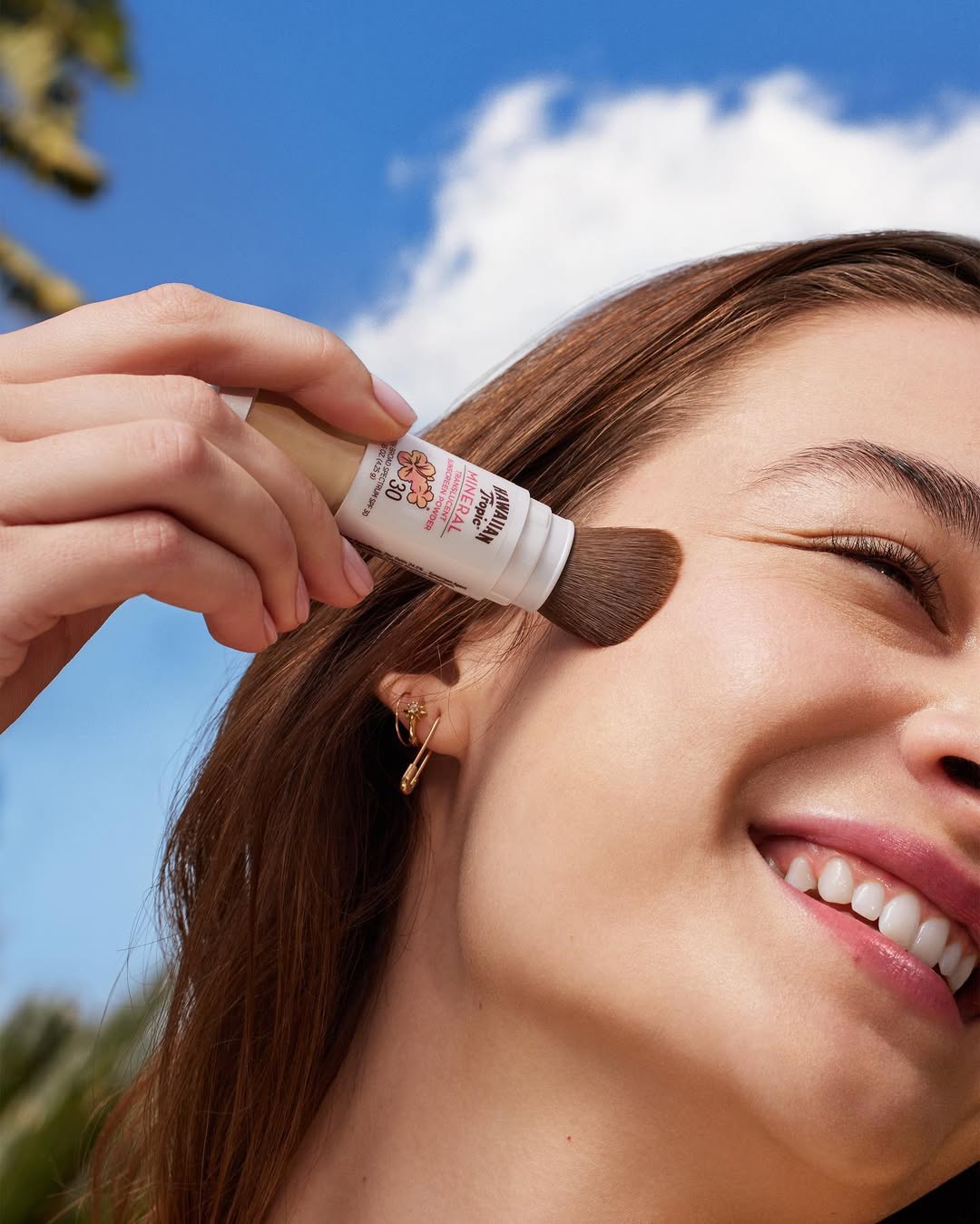
Yes, with some context. Powder sunscreens are designed to enhance existing protection rather than act as the sole defense against UV exposure.
Many dermatologists recommend applying a standard sunscreen first and then using powder for the afternoon treatment. This layered approach helps maintain protection while keeping makeup intact and comfortable. The growing popularity of this method reflects a broader shift toward skincare routines that are easier to maintain consistently.
What to look for in the best powder sunscreen
Not all formulas perform the same, so choosing the right one is important. Start by checking for broad-spectrum protection, which protects against both UVA and UVB rays. The SPF rating also plays a role. Although higher SPF levels provide stronger protection, consistent reapplication remains just as important.
Ingredients are another important consideration. Zinc oxide is widely recognized for its gentle nature and reliable coverage. When evaluating options, it’s also important to choose a formula that blends easily without leaving a visible cast across different skin tones.
Packaging can also affect usability. Brush-applicators make reapplication easier and more hygienic, encouraging more consistent use throughout the day.
Is it good for skin prone to eczema?
For many people with sensitive or eczema-prone skin, mineral formulas are often the safer option. Because they sit on the surface of the skin and are not absorbed, they tend to cause fewer reactions.
Still, individual responses may vary. Choosing fragrance-free options and testing the product on a small area of skin first can help minimize irritation.
For some people, mineral powder sunscreen can easily fit into a gentle routine when paired with moisturizing skin care underneath.
Can control powder sunscreen?
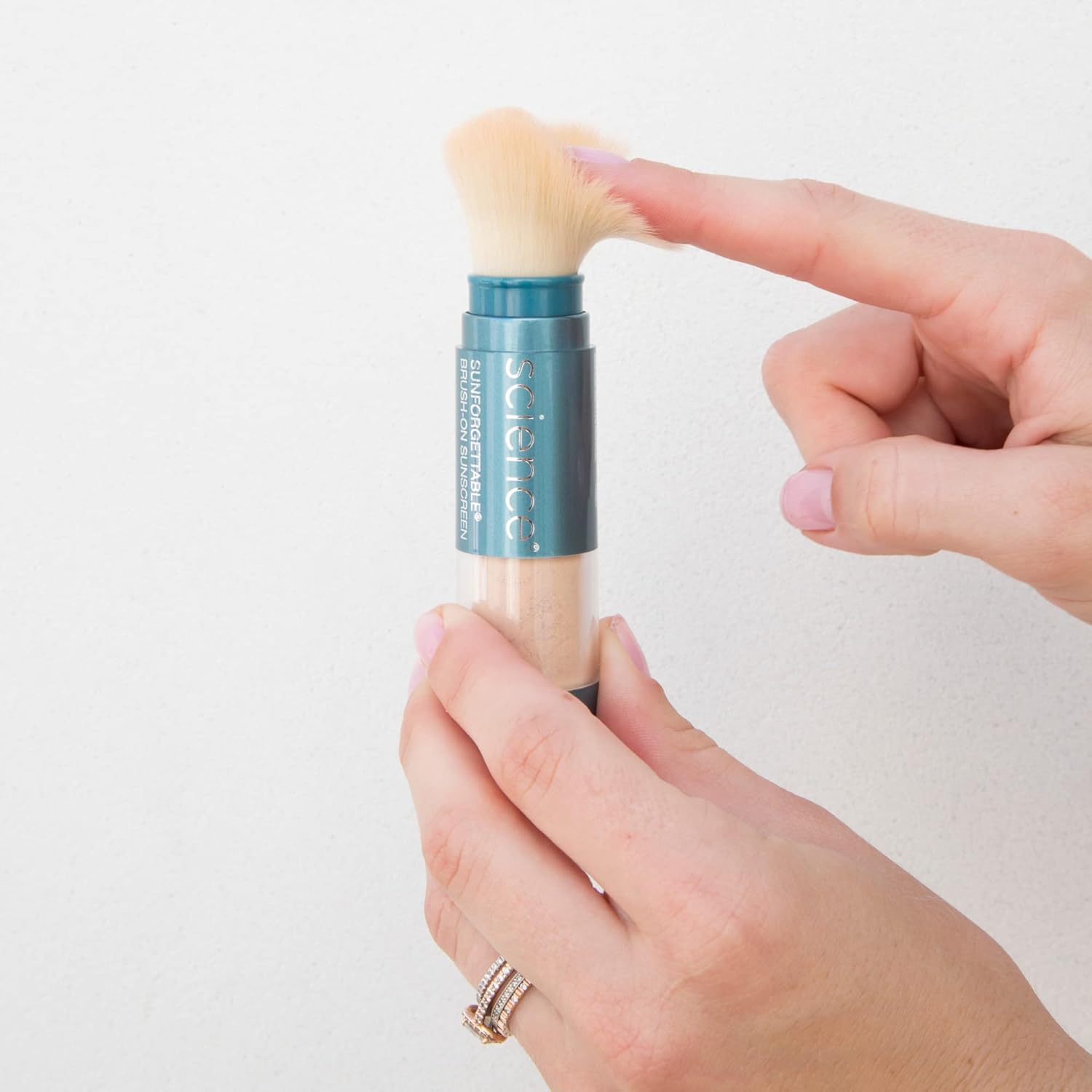
One reason powder sunscreen has become popular again is its dual function. In addition to strengthening UV protection, it can help absorb excess oil during the day. This makes it particularly attractive for people with combination or oily skin. A quick application can freshen makeup and reduce shine, which is useful during hot or humid conditions.
However, it should not replace a good skin care routine. Cleansing, moisturizing and balanced skin care remain essential for long-term skin health.
How to use correctly
The technique makes a noticeable difference in how well powder sunscreen performs. Start the day with a generous layer of traditional sunscreen and let it work before applying makeup.
When reapplying, use the powder product liberally and distribute it evenly over the face. Areas such as the forehead, nose and cheeks are typically most exposed to the sun and should not be overlooked.
Reapplication should be done about every two to three hours, especially if you are outside for extended periods of time. Keeping your powder sunscreen in a bag or desk drawer will make this habit much easier to maintain.
Where it fits into a modern routine
Beauty routines are increasingly shaped by practical aspects. Instead of rigid multi-step regimens, many people now prefer products that adapt to everyday life.
Powder sunscreen fits naturally into this approach, as it allows for quick, discreet reapplication throughout the day. It supports sun protection habits without the need for a full makeup reset.
Shop editor edit
Final thoughts
Daily sun protection remains one of the most important steps in skin care, but it can be difficult to maintain throughout the day. Powder-based formulas offer a convenient way to boost SPF without disrupting makeup or comfort.
When used alongside a traditional sunscreen base, powder sunscreen becomes a practical addition to a modern routine, helping people stay protected while keeping their skincare habits realistic and consistent.
Featured image: @supergoop/Instagram
—Read also
The best sunscreens to wear under makeup for a flawless finish