


When Schiaparelli released his Spring/Summer 2026 Anatomy of desire collection, the conversation was immediate. A collection that focused on the human body as an artistic raw material – anatomical motifs rendered in supple leather and sculptural gold, and accessories that functioned more as objects of desire than as functional additions – it felt at the time like a statement about what fashion could be. Fast forward to the 2026 Met Gala, with the theme “Fashion Is Art,” and the message felt a lot like an affirmation. The tapestry came to life with stars advocating the intersection of fashion and art, with the human body as the ultimate canvas.
Schiaparelli himself did not just appear on the red carpet. The house dominated, with two of the most talked about looks of the night Kylie Jenner And Lauren Sanchez Bezos—both inside Daniel Roseberry creations that reflected the same body party philosophy introduced earlier.
The theme could not have been more in line with what Schiaparelli has been working towards. “Fashion Is Art” invited guests to express their relationship to fashion as an embodied art form, a brief that reads almost as if it were written for Roseberry herself. The collection’s influence on the broader 2026 fashion conversation had been steadily growing since its release, and Monday’s red carpet put a definitive exclamation point on that momentum. It’s the kind of cultural validation that money can’t buy: a house whose central idea becomes the defining aesthetic of the industry’s most watched night.
How Schiaparelli Owned the Met Gala Red Carpet
The two Schiaparelli looks that defined the night couldn’t have been more different in tone, which in itself demonstrates the house’s reach.
Kylie Jenner wore a custom-made ball gown by Daniel Roseberry, with a tight brown sfumato effect corset and a voluminous skirt decorated with more than 2,000 satin stitches, 10,000 natural baroque pearls and more than 7,000 painted pearlescent fish scales. The dress reportedly took 11,000 hours to complete. Inspired by the Venus de Milo, the connection with Schiaparelli’s body-oriented philosophy was unmistakable.
Lauren Sánchez Bezos, on the other hand, arrived in a deep navy blue satin dress with a sweetheart neckline and off-the-shoulder silhouette, inspired by Madame John Singer Sargent iconic portrait from 1884 of Virginie Amélie Avegno Gautreauwhich is currently in the collection of The Met. Styled by Law Roach and supplemented with Lorraine Schwartz Diamondsit was the more subdued of the two looks, but no less intentional.
Together, Jenner and Sánchez Bezos showed that the Schiaparelli woman is not one type. She is just someone who is willing to wear the body as a statement.
Let the accessories lead the outfit
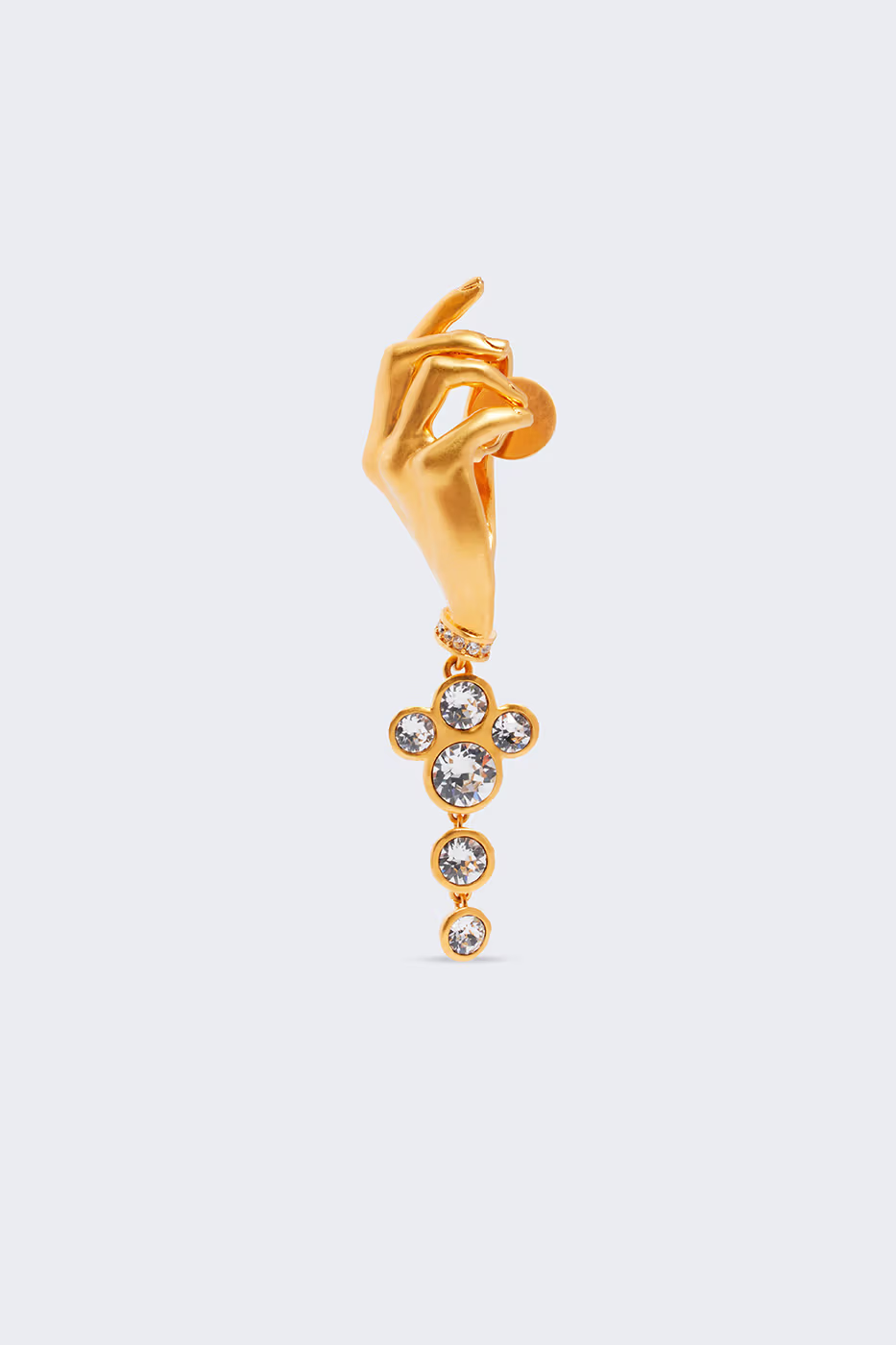
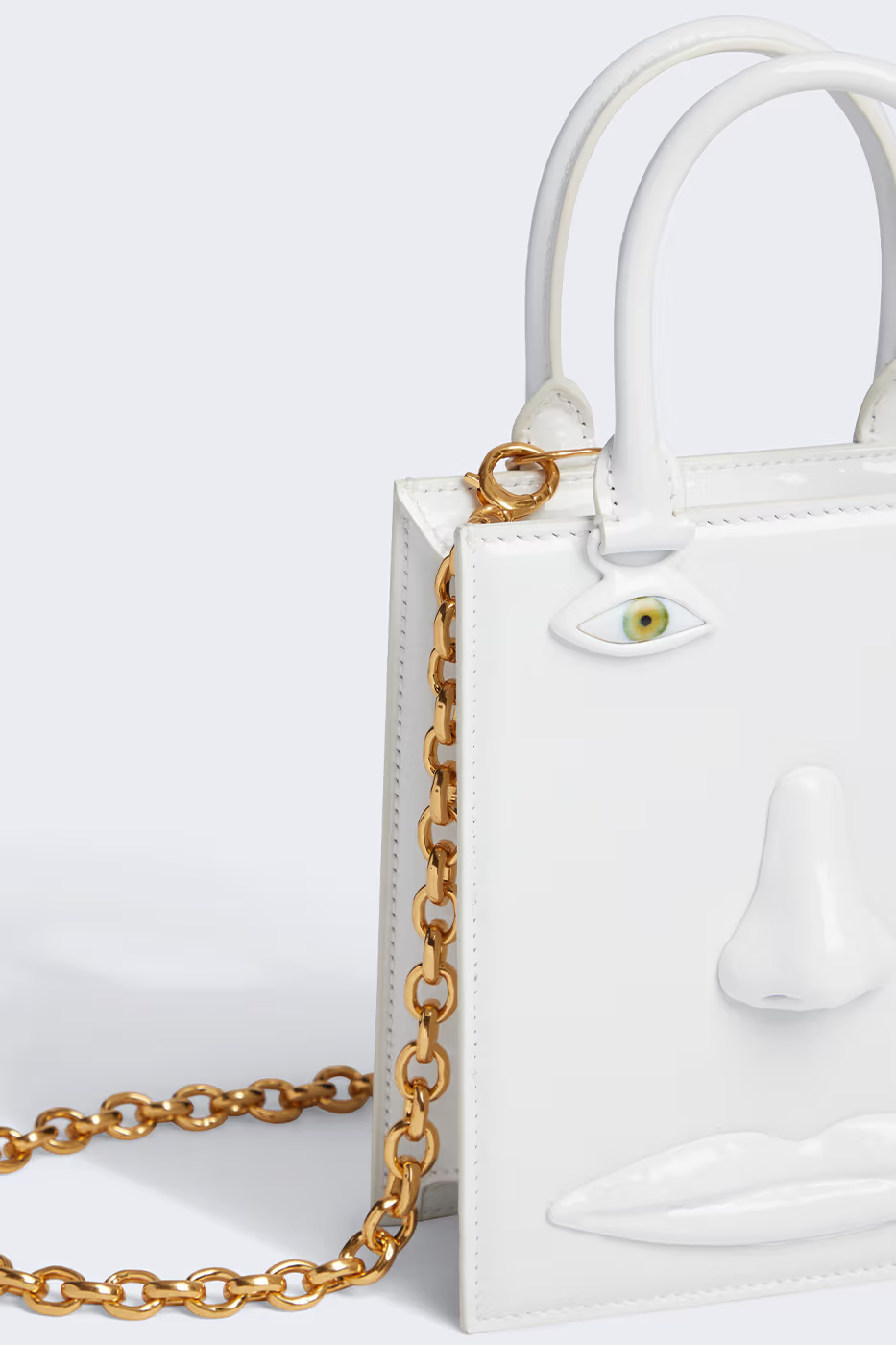
The most transferable lesson of Anatomy of desire is how accessories function within a look. Schiaparelli’s lip clutch, sculpted gold-plated lips adorned with faux-bijoux piercings, and his gold-plated choker with intertwined hands work on the same principle: when an accessory has real conceptual weight, the outfit surrounding it doesn’t need much. A simple silhouette, a clean line, an uncomplicated garment, this becomes the ideal backdrop.
The 2026 Met Gala made this argument in real time. Irina Shayk appeared in a custom Alexander Wang look where the top silhouette was constructed entirely of layered diamond tennis bracelets and chains, transforming traditional jewelry into a sculptural, body-shaping composition. The outfit was the jewelry.
Keke Palmer took a similar approach, wearing a $1 million, 211-carat Wempe necklace composed of more than 1,200 diamonds, one piece that carried the entire weight of her red carpet moment.
These are not coincidences. They indicate that Schiaparelli has embedded the ‘accessory-first’ philosophy Anatomy of desire had already penetrated the broader fashion conversation. The instinct to put together an outfit and accessorize it is being replaced by something more purposeful, and the Met Gala confirmed this in a big way.
Shop editor’s picks
Rethink what texture does to a silhouette
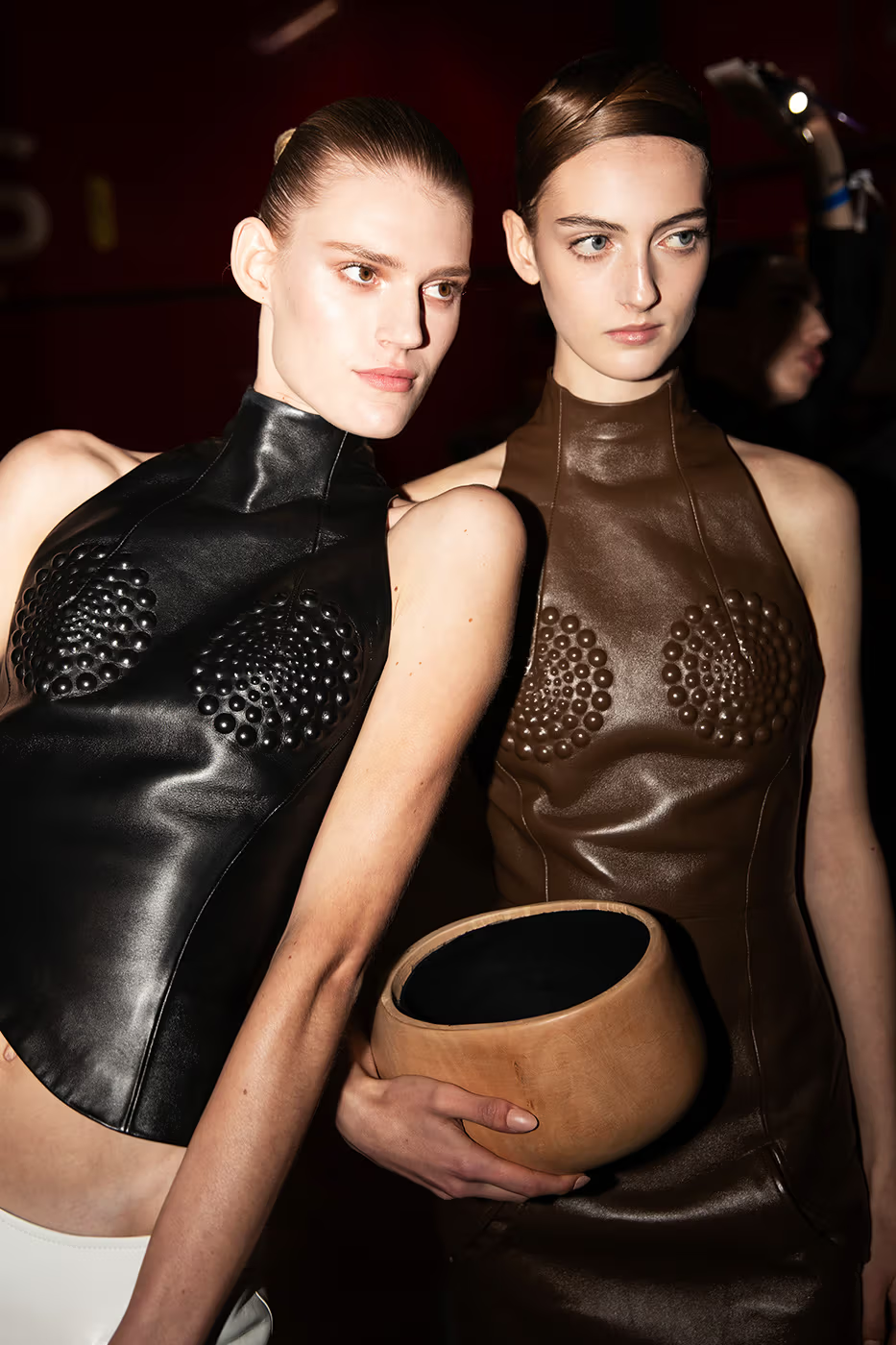
The leather takes effect Anatomy of desirein particular, the dresses and tops with relief on the bust, makes a specific argument about texture that is worth applying more broadly. The relief transforms a familiar silhouette into something that demands a second look. The form itself is not radical. What changes the whole reading of the garment is what happens on the surface.
That same idea appeared on the Met carpet from a completely different direction. Margot Robbie wore a custom Chanel number that took 761 hours to make and featured 1,080 embroidered elements. The structure was classic. The identity was entirely in the detail.
This is the same principle that Roseberry has explored before. And it’s not limited to couture. Clean silhouettes with thoughtful surface details now appear in ready-to-wear across multiple price points, a direct extension of the creative priorities Anatomy of desire helped found.
Finds from the store editor
Surrealism as a clothing philosophy, not as a look
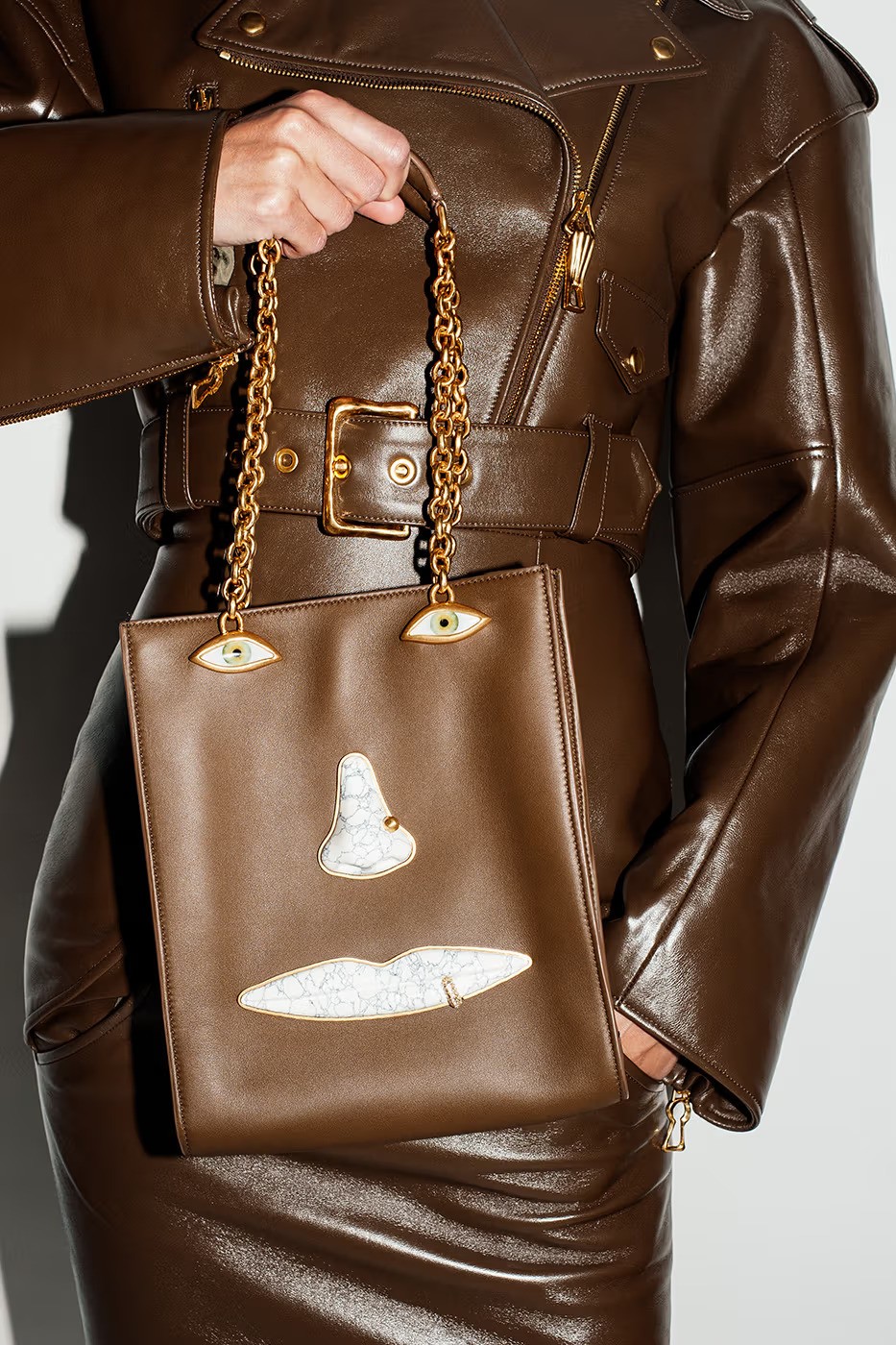
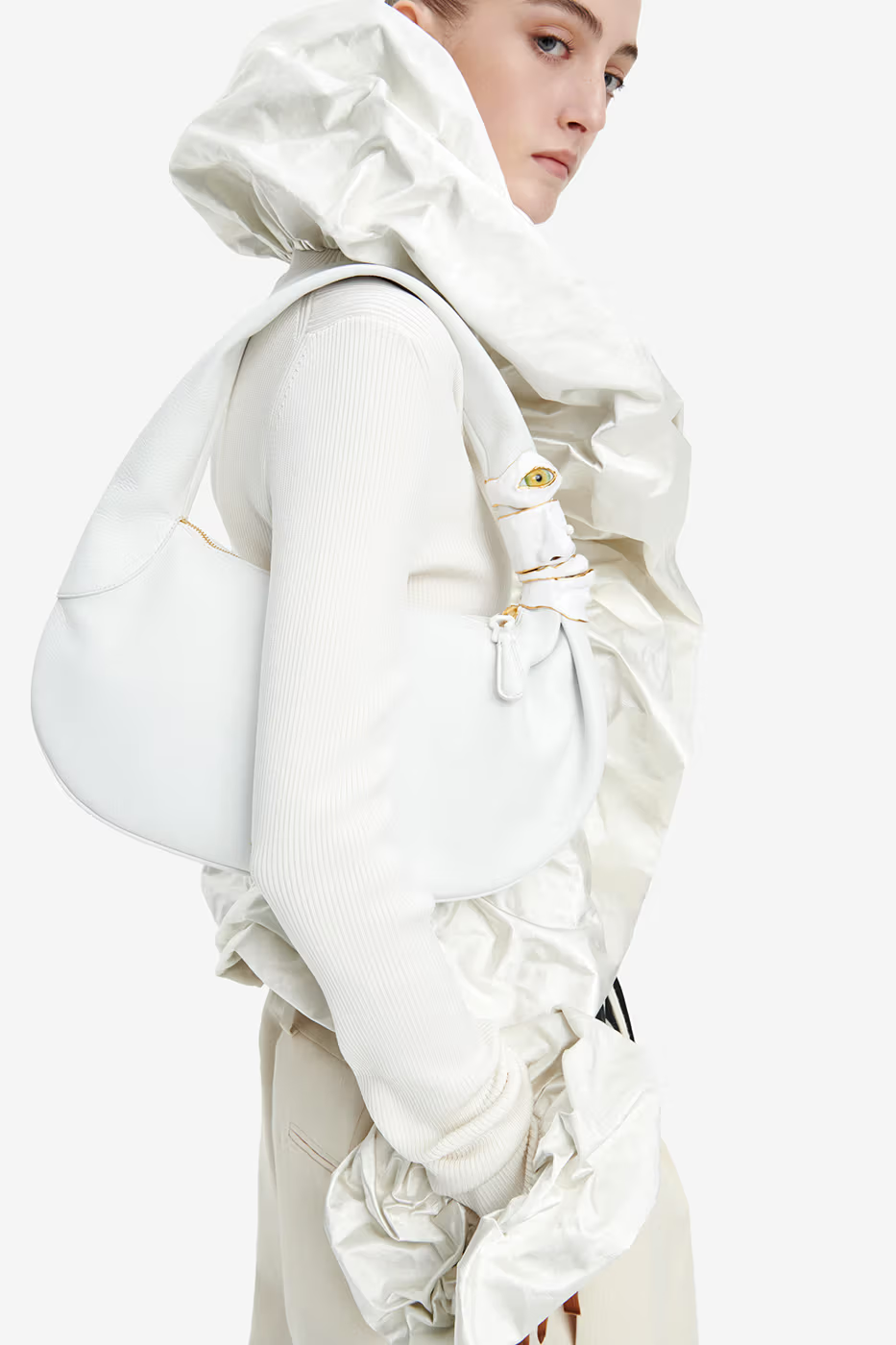
The most lasting influence of Anatomy of desire is not tied to a single item of clothing or accessory. It’s an approach to dressing that prioritizes the disorienting and unexpected over the safe and predictable. Surrealism, as Roseberry employs it, is less about spectacle and more about tension: the moment when something familiar becomes somewhat strange, and that strangeness becomes desirable.
You don’t have to wear a Schiaparelli facial bag to adopt that sensitivity. You need to introduce one element into an outfit that doesn’t quite belong, something that creates a subtle friction with everything around it. That tension makes the look interesting. That willingness to sit with a little discomfort in the way you dress is the real takeaway. And, based on the 2026 Met Gala, what clothes look like is already being reshaped as fashion moves deeper into the second half of 2026.
Shop editor’s picks
Here are more ways Schiaparelli recently merged fashion and art spectacle…
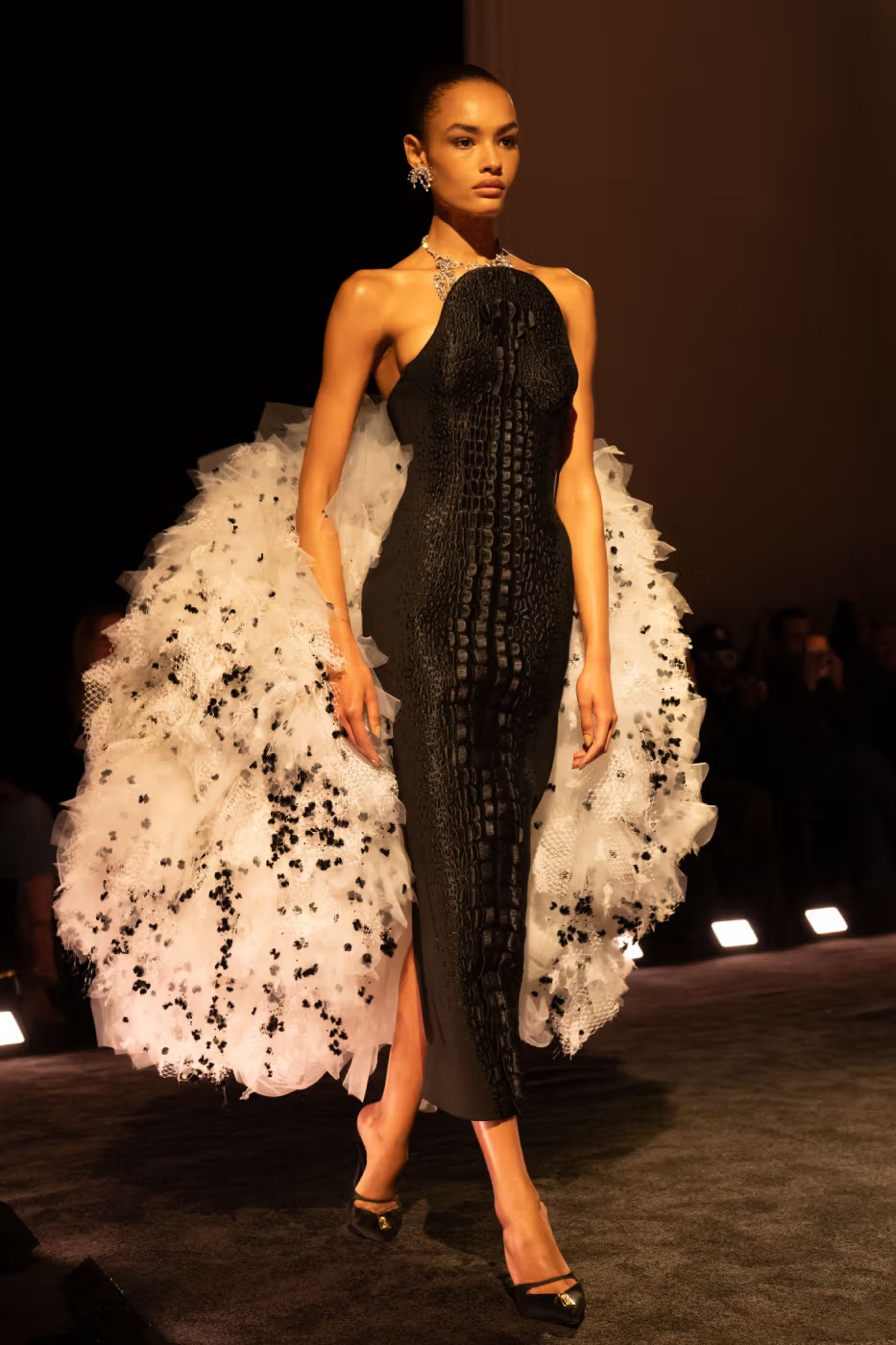
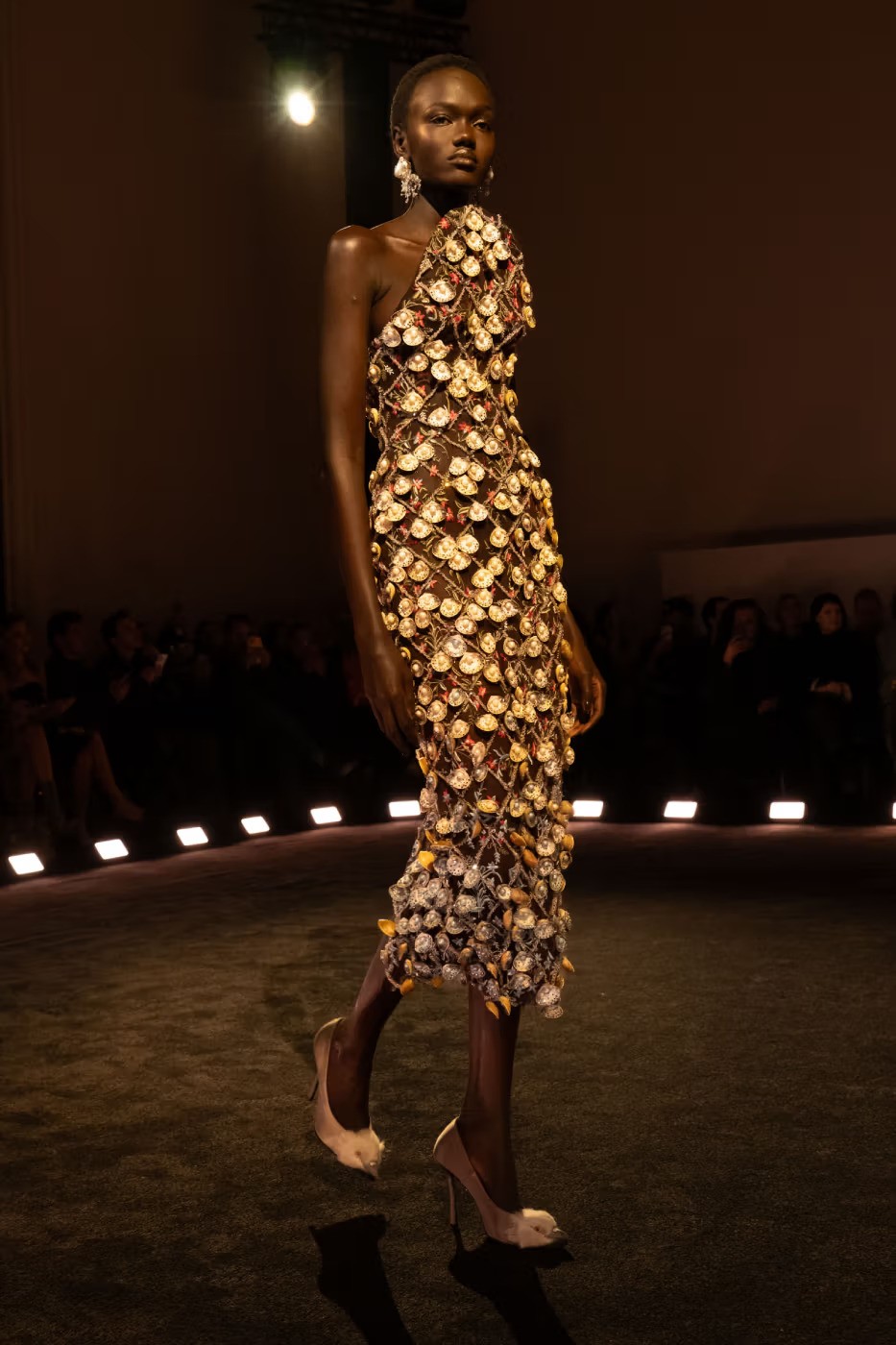
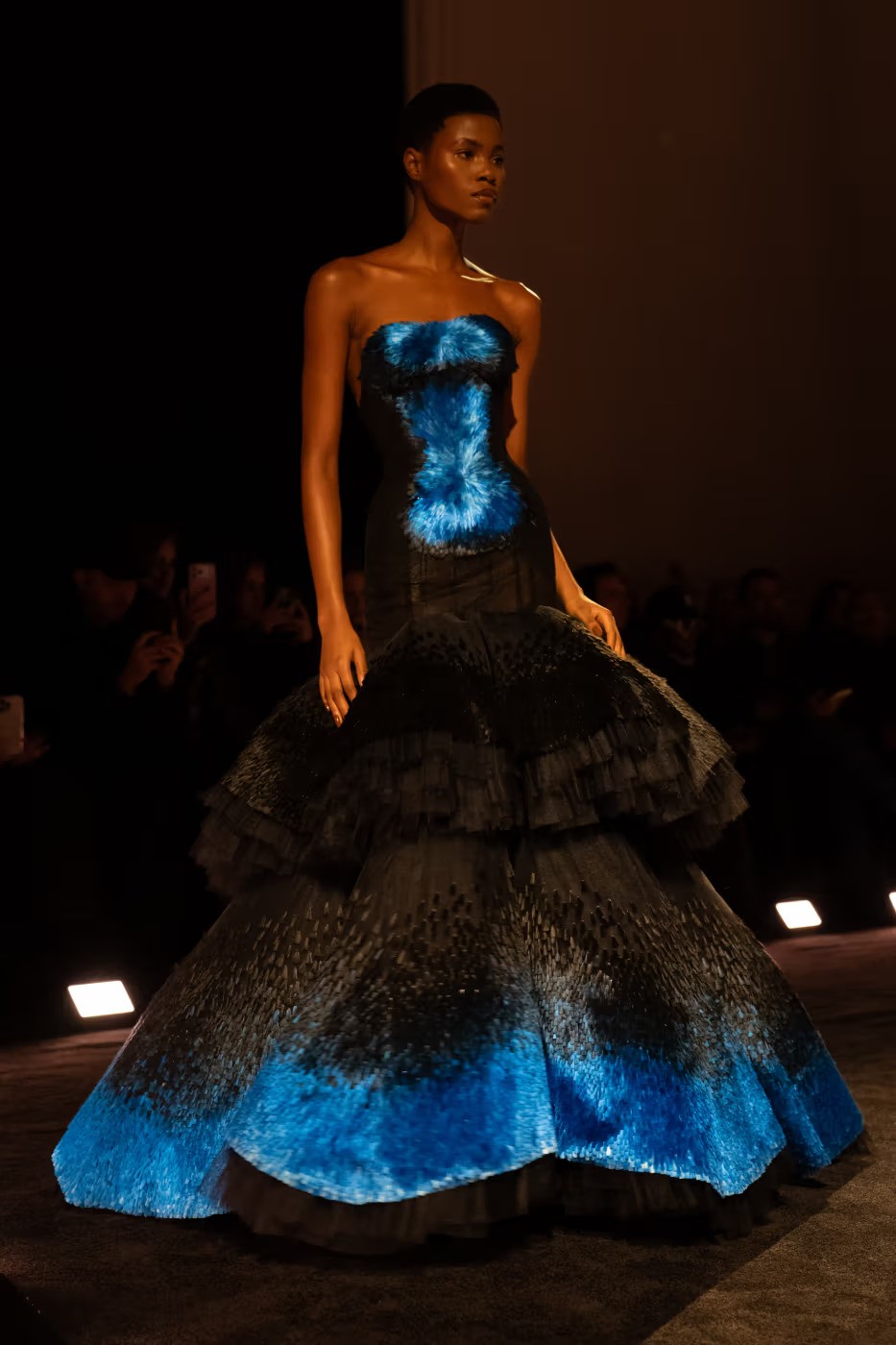
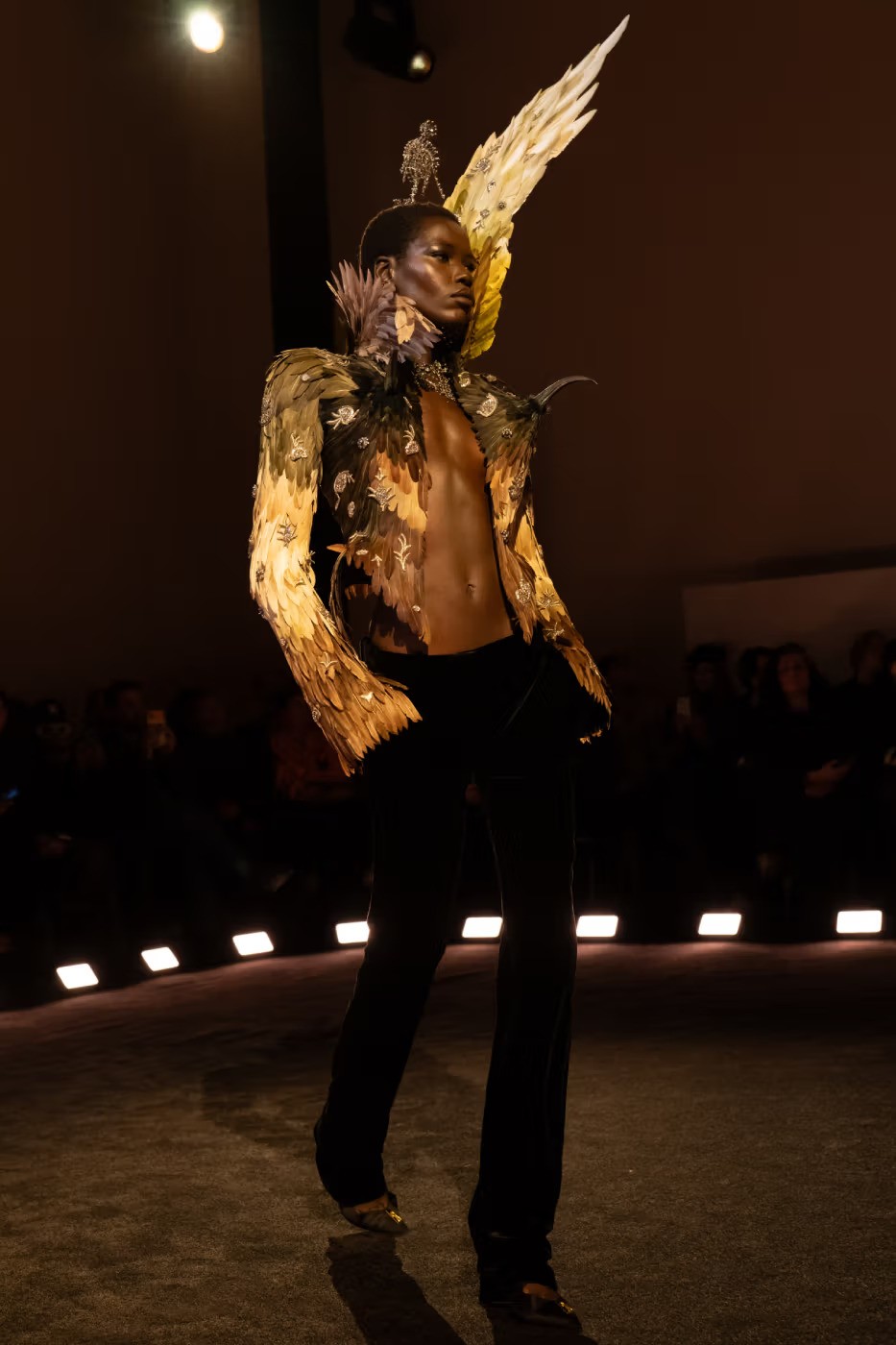
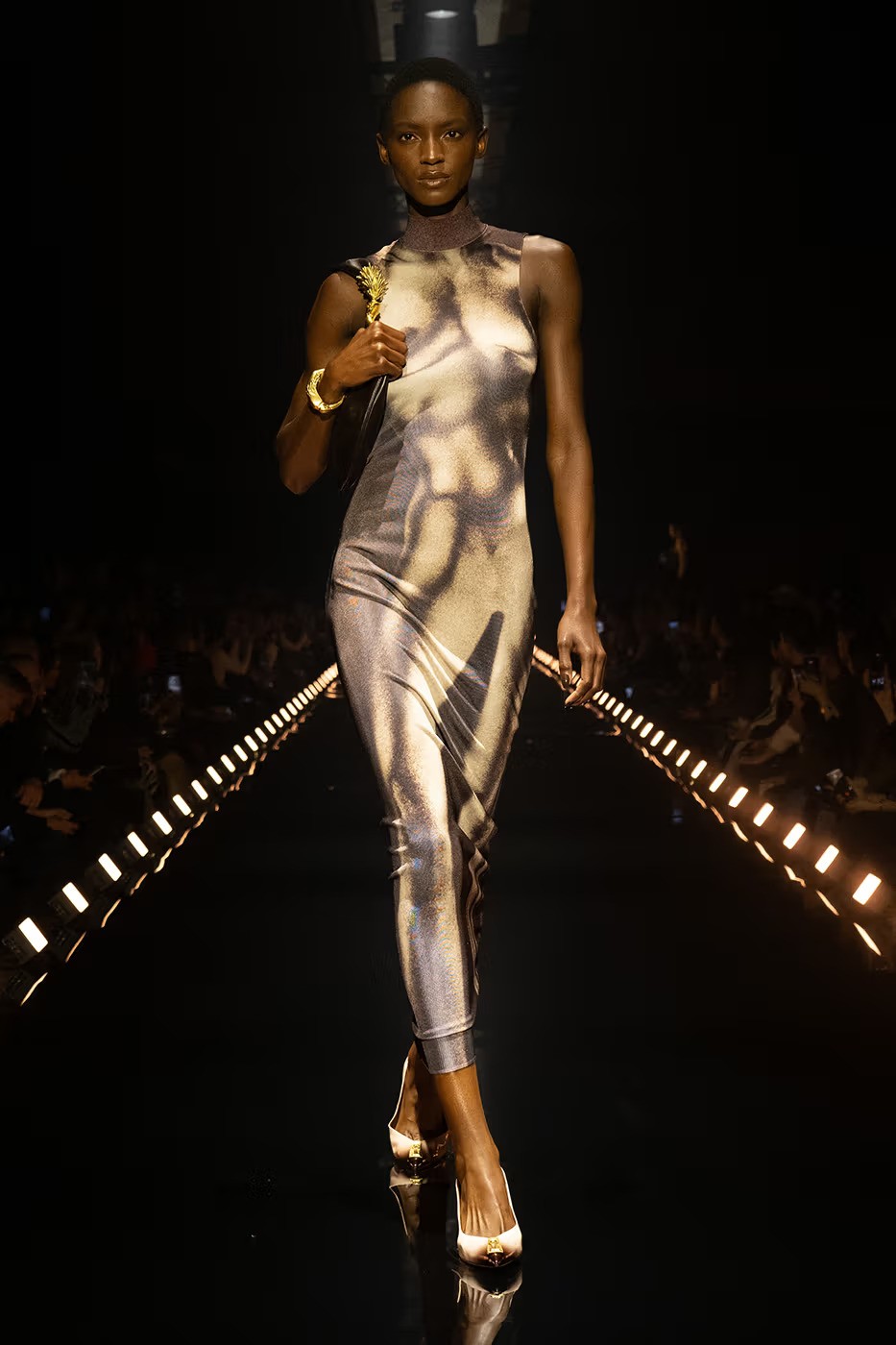
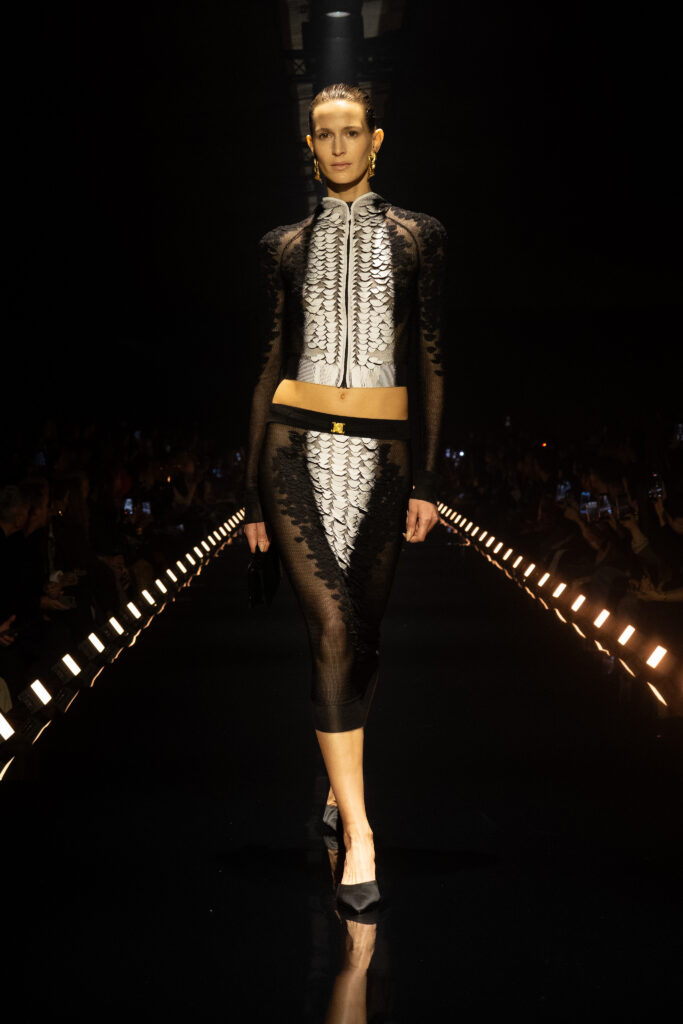
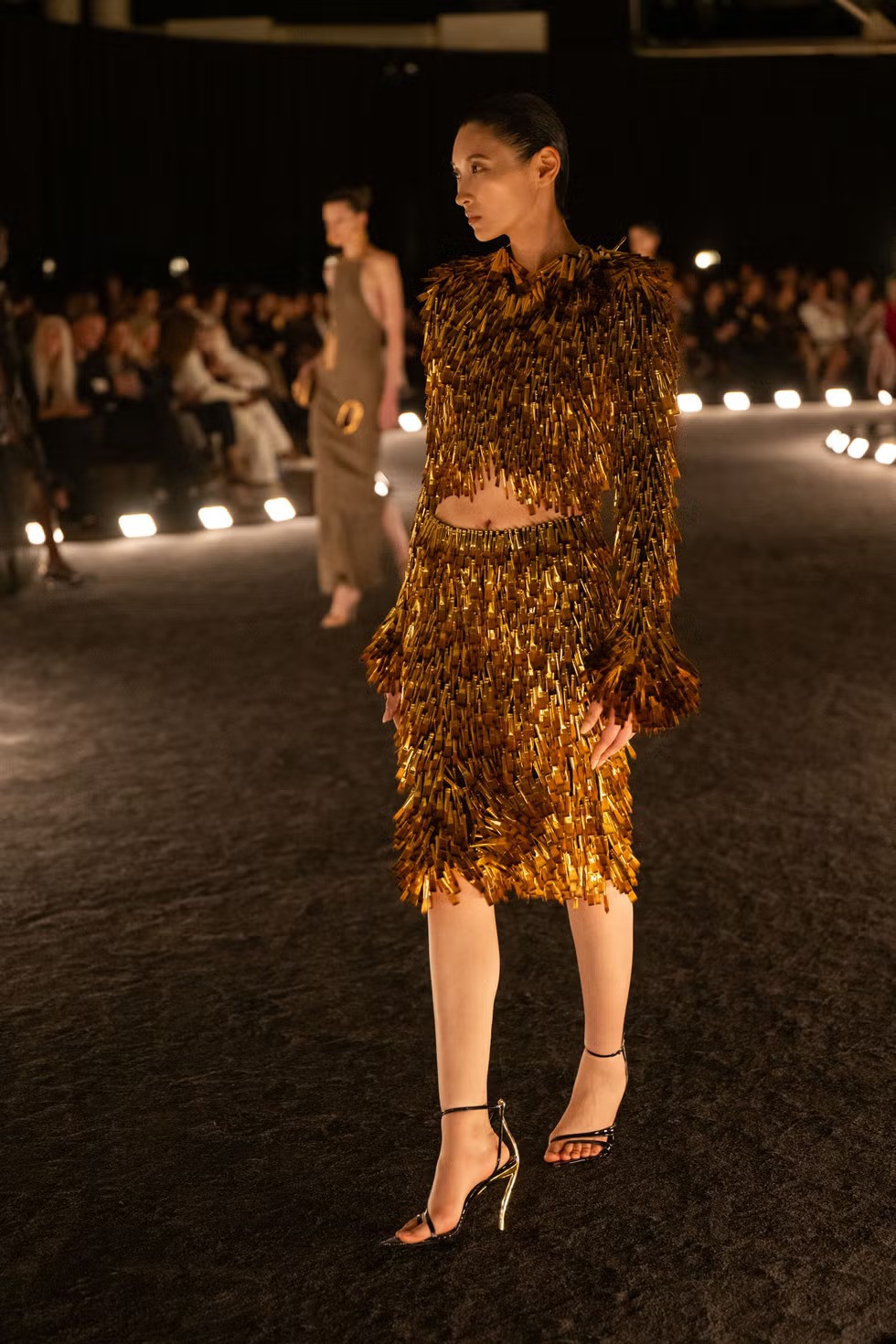
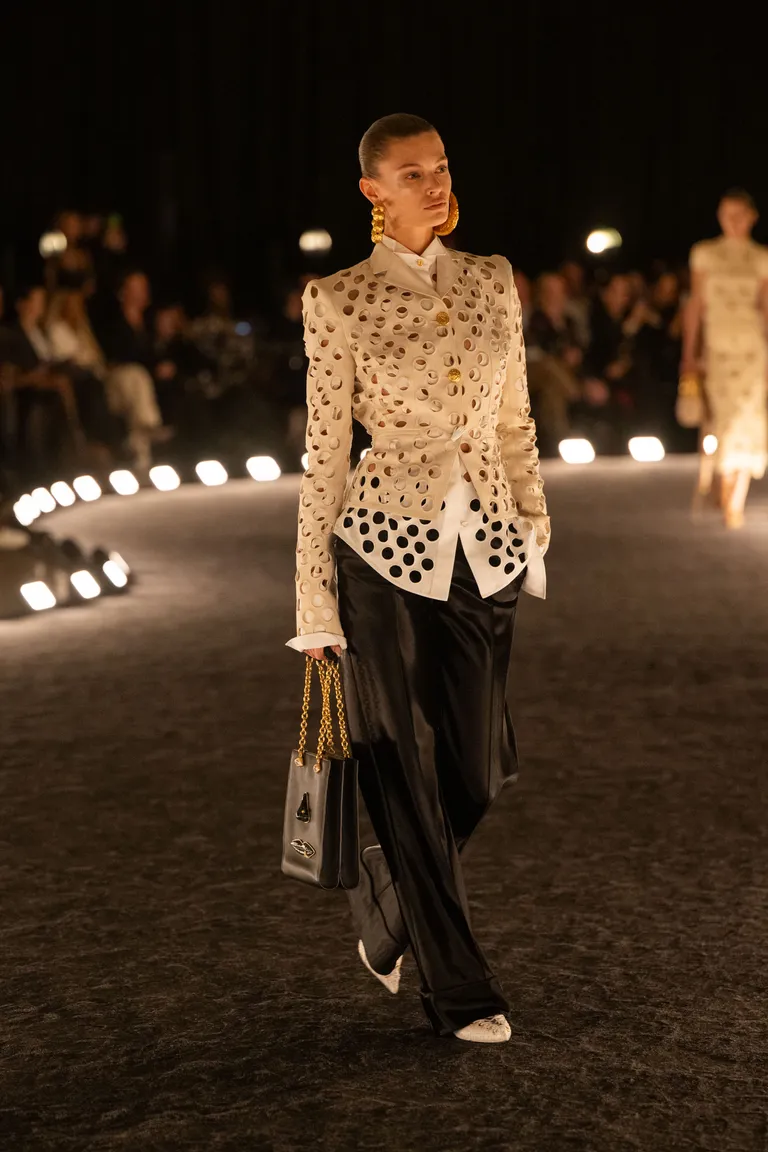
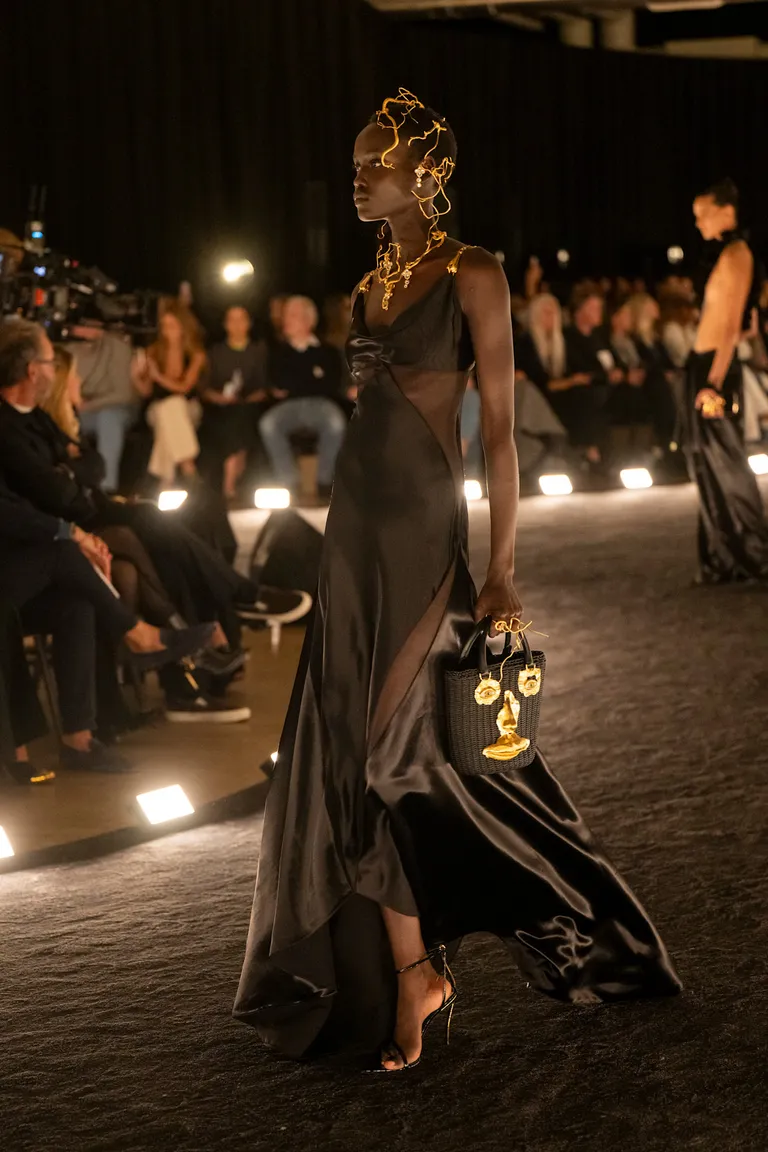
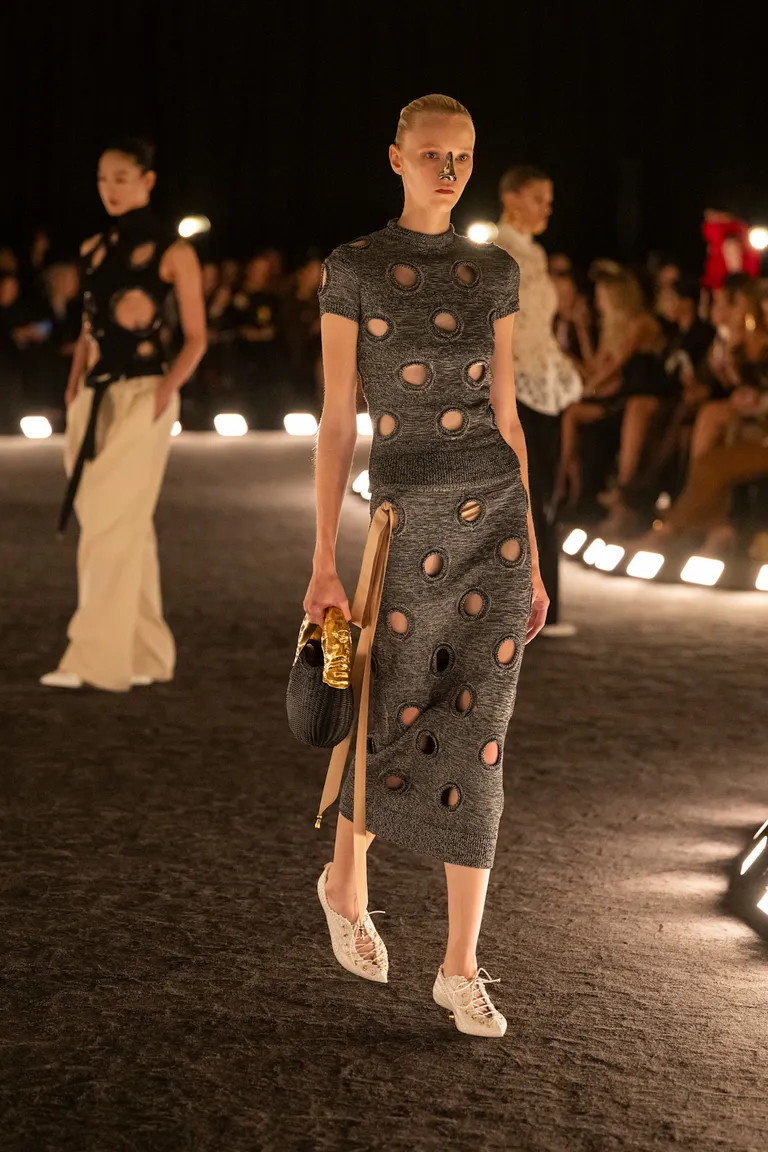
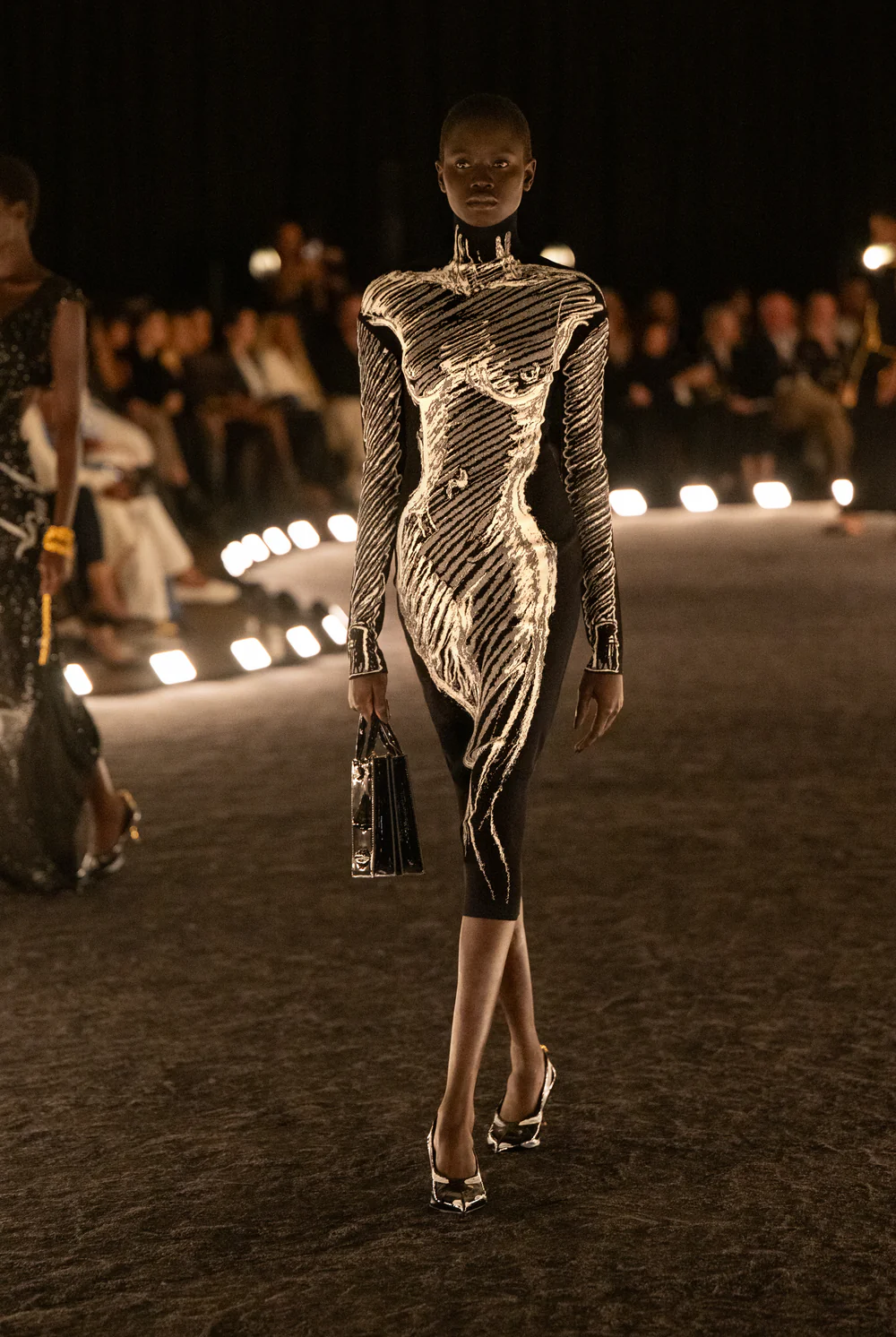
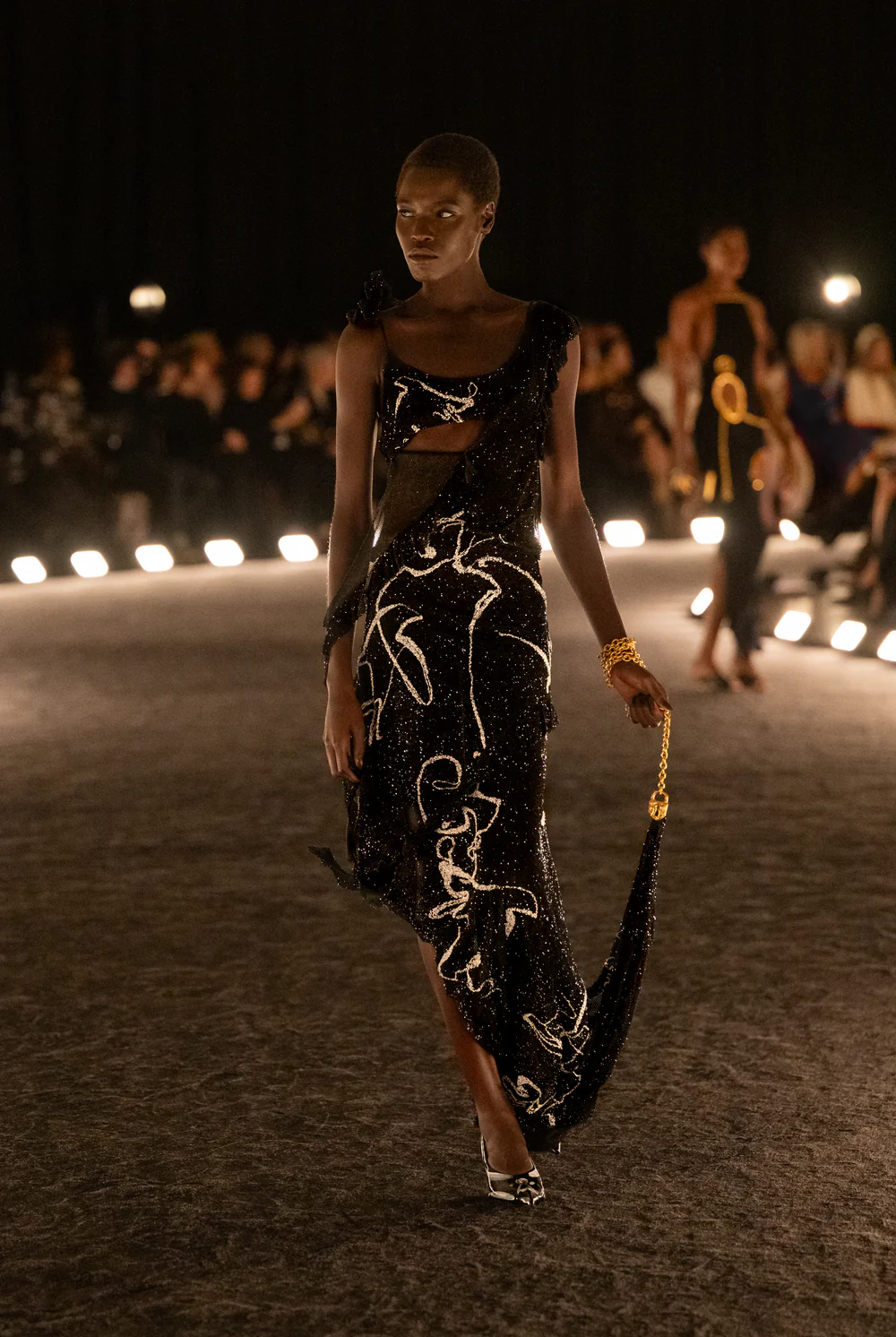
This is how we want to see the 2026 Met Gala theme interpreted by the co-chairs