


The King of Pop has officially claimed his throne at the global box office. “Michael”, the Michael Jackson biopic, directed by Antoine Fuquahas soared past genre benchmarks to become the second highest-grossing music biopic ever at the box office. As a result, the milestone underlines both the staying power of Michael Jackson‘s legacy and the changing economics of prestige cinema in a post-streaming theatrical age.
Audiences around the world continue to flock to cinemas, largely driven by Jaafar Jacksons transformative lead performance. The film not only covers decades of musical evolution, but also navigates personal turbulence with calculated restraint. Consequently, it taps into a multi-generational nostalgia that crosses boundaries with ease and spectacle.
Checkout: The anatomy of a juggernaut
From the opening weekend “Michael” announced itself as a cultural event. The film debuted domestically with a whopping $97 million, which was the biggest opening ever for a music biopic. It launched to over $217 million worldwide and crossed the $400 million mark within days. Notably, Mexico emerged as a strong market, contributing an extraordinary $168.5 million alone.
This is not just success, it is domination. In fact, the film has overtaken it Elviswhich previously ranked second with approximately $288 million worldwide. However, the top position is retained with “Bohemian Rhapsody”, the Freddie Mercury biopic that surpassed $900 million worldwide.
However, what states Michael what is special is not just his explosive debut, it is his endurance. Unlike many modern releases that peak early, the film has maintained its momentum. Even more striking is that this has happened despite mixed critical reception, with critics’ scores hovering below 40%. The audience’s enthusiasm, on the other hand, tells a different story, with viewing figures as high as 97% and screenings that are more reminiscent of live concerts than traditional films.
As one industry observer aptly noted, music biopics have become factual “Hollywood’s Most Trustworthy Franchise,” a revealing description for films that have no sequels, yet still perform commercially.
Within the film’s performance strategy
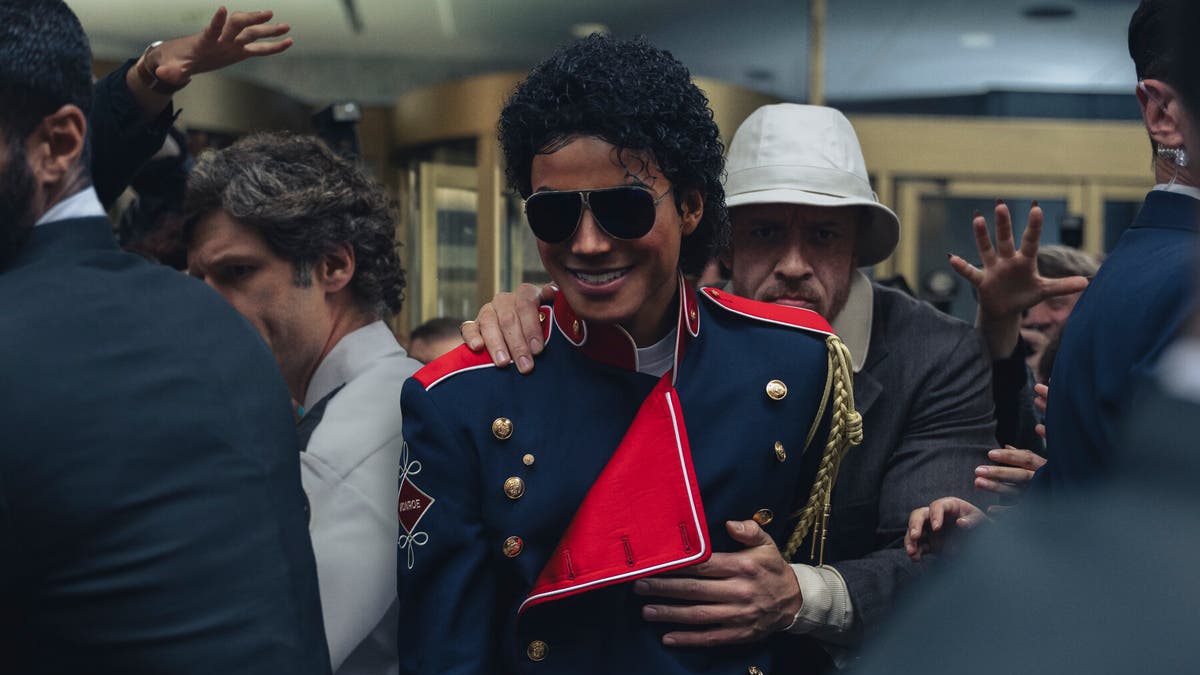
Several key forces formed the basis “Michael” success, where one reinforces the other. First and foremost, there is the enduring magnetism of Michael Jackson himself. His catalog remains among the most consumed in global music, while his cultural imprint extends from vinyl-era listeners to TikTok-native audiences.
Equally important is the strategic oversight of the Michael Jackson Estate. After the reputational damage of ‘Never leave land’ the estate shifted from a defensive posture to proactive narrative control. Therefore, the film’s decision to end in 1988, before the most controversial chapters of the icon’s life, serves not only as a storytelling choice, but also as a deliberate branding strategy.
This approach unfolds over several layers…
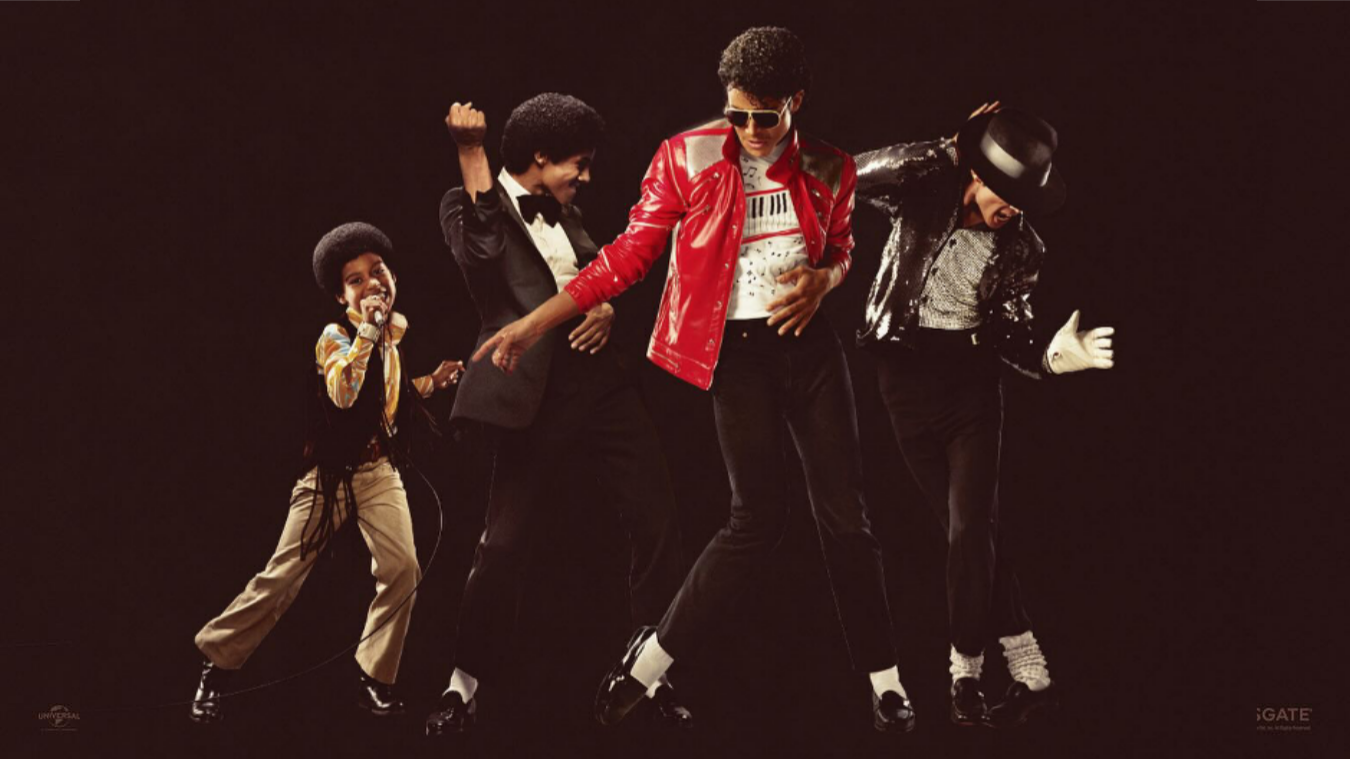
#1. Selective chronology:
The story foregrounds artistic genius while omitting scandal, focusing on Jackson’s rise over the years.Bad” era. The result is that it produces a commercially effective, albeit critically discussed, image.
#2. Family authorship:
Casting Jaafar Jackson blurs the line between performance and origin. As a result, the image feels less like imitation and more like inherited mythology, a distinction that resonates in the marketing.
#3. Catalog synergy:
Streaming peaks for classics like “Billie Jean” And “Beat it” have run in parallel with the film’s success, strengthening its cultural footprint while generating additional revenue streams.
Moreover, timing played a crucial role. Released during a relative lull in the franchise league: “Michael” took advantage of a market hungry for event cinema. Initial projections hovered around $70 million for its debut, but the film nearly doubled expectations.
Ultimately “Michael” functions as more than a biopic. Instead, it functions as a carefully controlled reintroduction, reframing Jackson as a cultural monolith rather than a contested figure. In doing so, it shows how music biopics have evolved into global tentpoles when anchored by universally recognized icons.
The biopic as blockbuster

Of Michaelthe music biopic has completed its transformation. Once seen as a prize for the season, it is now a full-fledged blockbuster genre. Paradoxically, it’s both one of Hollywood’s safest and most unpredictable bets. On the one hand, built-in target groups and familiar formulas provide certainty. On the other hand, success depends heavily on cultural relevance and the goodwill of the audience.
Anyway, Michael makes one thing clear: the hunger for musical myth-making is stronger than ever. In today’s IP-driven landscape, the biggest hits of the past have become the blockbusters of the present. And as long as the audience is willing to sing along, Hollywood will keep the jukebox playing.
Featured image: Glen Wilson/Lionsgate
—Read also