


Booking and customer management platforms allow beauty companies to handle appointments, payments, customer details and marketing from one system. In the US alone, more than 86,000 beauty salons compete for customer attention, and the software that powers day-to-day operations directly impacts retention, no-show rates and revenue. Choosing the wrong platform wastes time and money. Choosing the right one is a combination of both.
In this guide, we’ll explain what these platforms do, which features matter most, how to tailor a platform to your business size, and where hidden costs often appear.
TL; DR:
- Booking and customer management platforms combine scheduling, payments, customer data and marketing in one system
- Salons without automated reminders have an average no-show rate of 20%; combining reminders with deposit collection can reduce this to less than 5%
- The right platform depends heavily on company size, from solo professionals to multi-location operations
- Hidden fees such as per-user fees, payment processing fees, and marketplace commissions can significantly increase monthly expenses
What is a booking and customer management platform?
A booking and customer management platform is software that handles appointment scheduling, customer information, payments, and marketing in one place. Beauty professionals use these tools to replace manual booking systems such as phone calls, paper calendars and spreadsheet-based client notes.
Core functions typically include:
More advanced systems can also include inventory management, employee scheduling, loyalty programs, payroll integration and business reporting.
The best scheduling software platforms, such as Bookish Bizsolve a specific operational problem exceptionally well: they enable customers to book appointments themselves 24/7, generating revenue that would otherwise be lost outside office hours.
Why platform choice directly affects revenue
The software a beauty company uses directly affects how much money it makes. Salons without automated reminders have an average no-show rate of 20%. Adding text message reminders can reduce that figure by about 35%, while combining reminders with deposit collection often reduces no-shows to below 5%.
Retention is just as important. Industry data shows that 42% of loyal customers generate 80% of salons’ total revenue, meaning platforms that improve customer retention create more long-term value.
Platform choice influences revenue by:
- Automated reminders and deposit collection that reduce no-shows
- Bookings outside office hours are recorded via 24/7 self-scheduling
- Loyalty programs and rebooking prompts that improve retention
- Integrated payment flows that support retail upselling
- Analytics tools that track revenue, retention and employee performance
The main features you should pay attention to
Not every platform offers the same capabilities, and beauty entrepreneurs should evaluate software based on operational needs rather than the number of features. The features with the greatest daily and financial impact include:
- An online booking widget that integrates with websites and social media profiles
- Automated text and email reminders before appointments
- Collecting the deposit at the time of booking to minimize cancellations and no-shows
- Customer profiles that store service history, product preferences and notes
A point of sale system that handles payments, tips, gift cards, and retail transactions - Marketing tools such as loyalty programs, review requests and targeted campaigns
- Reporting dashboards covering revenue, retention rates and staff performance
How to tailor a platform to your company size
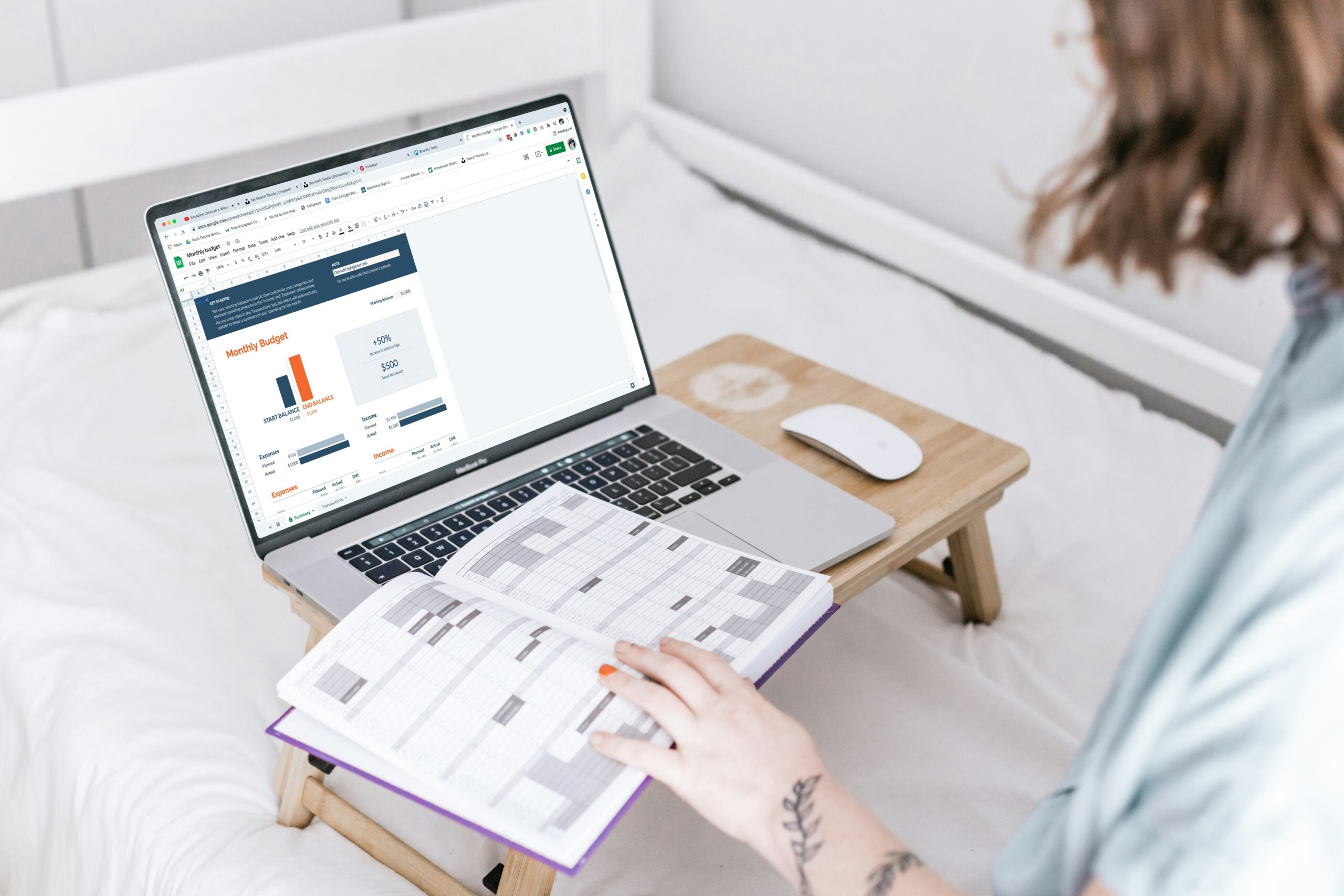
Business size and operational complexity should determine which platform layer makes the most sense. A solo esthetician has very different needs than a six-chair salon, and both differ significantly from a multi-location operation. Choosing software built for a much larger company adds unnecessary cost and complexity, while choosing a platform designed for solo use can introduce limitations that force a costly migration later.
Match the platform level with the company profile:
- A solo or stand tenant needs online bookings, payment processing, customer profiles and automated reminders
- A small team of 2 to 5 employees adds staff calendars, committee tracking, and basic reporting
- A medium-sized salon with 6 to 10 employees requires payroll integration, inventory management and marketing automation
- A company with multiple locations needs centralized dashboards, multi-location reporting, and enterprise-level customer data management
The hidden costs that most entrepreneurs miss
The advertised monthly subscription price rarely reflects the actual operating costs of a booking platform. Many providers charge a basic subscription fee and then add additional fees for features that seem standard elsewhere. These additional costs add up quickly and can easily double effective monthly expenses.
The most common hidden costs are:
- Cost per user for each additional staff member
- Marketplace commissions ranging from 20% to 30% for new customers booked through the platform’s discovery networks
- Additional costs for SMS marketingwaiting lists, custom forms and branded apps
Payment processing fees between 2.4% and 3.4% per transaction, depending on the plan - Installation, onboarding or migration costs are charged in advance
Always calculate full operational costs based on both your current team size and expected growth before committing to a platform.
Final thoughts
Choosing a booking and customer management platform is not just a software decision. It is operational and financial.
The right platform reduces no-shows, records out-of-hours bookings, strengthens customer retention and scales with business growth. The wrong one creates friction, hidden costs and ultimately forces a disruptive migration process.
Ultimately, the decision should come down to four things:
- Company size
- Essential features
- Total long-term costs
- Scalability
Frequently asked questions
#1. How does booking software reduce the number of no-shows?
Booking software reduces no-shows by sending automated text and email reminders before appointments. Platforms that also collect deposits at the time of booking can reduce the no-show rate to below 5%. Without these tools, salons average a no-show rate of about 20%.
#2. What is the difference between a booking system and a customer management platform?
A booking system mainly takes care of appointment scheduling and agenda management. A customer management platform extends this by incorporating customer profiles, service history, marketing automation and retention tools. Most modern beauty business platforms combine both functions into one system.
#3. How much does salon booking software cost per month?
Salon booking software generally ranges from $25 to $500 per month depending on company size and job requirements. Solo professionals tend to pay at the lower end, while larger companies with multiple locations pay significantly more. It’s also important to remember that advertised prices often do not include SMS marketing, payment processing fees, and per-user fees.
#4. Can beauty booking software help with client retention?
Yes. Booking software improves retention through automated rebooking prompts, loyalty programs, targeted campaigns and detailed customer profiles. Industry data shows that 42% of loyal customers generate 80% of salon revenue, making retention-focused tools particularly valuable over time.
#5. Is free salon software reliable enough for a growing business?
Free salon software can work for solo professionals with a lower number of appointments, but limitations often arise as a business grows. Free plans often limit bookings, staff accounts, integrations, or marketing features. As appointment volume and team size increase, a full-featured paid platform typically becomes more cost-effective and scalable.
Featured image: windows/Unsplash
—Read also