


There is something very fascinating about watching a garment complete the fashion cycle. One season it dominates catwalks and editorial spreads; the next it disappears into thrift stores and the backs of closets. Then, almost without warning, it returns sharper, more refined and suddenly everywhere again. Few pieces illustrate this cycle as clearly as the sweater polo, also known as the knitted polo.
In recent years, sweater polos have steadily taken over space in menswear, appearing in luxury collections, contemporary sartorial campaigns and in the wardrobes of men who usually avoid trend-driven fashion altogether. If you’ve been paying attention, you’ve probably wondered whether this is a true revival or just another menswear moment destined to disappear once fashion moves on to the next obsession.
It’s a fair question, one worth taking seriously. Fashion has a remarkably long memory, even if consumers don’t. Understanding where a piece of clothing has been, why it’s gone, and why it keeps coming back tells you a lot about whether it deserves a permanent place in a wardrobe or just a brief stay at the change of seasons. So let’s take an honest look at the sweater polo: its history, its appeal, and whether it’s actually built to last.
What exactly is a sweater polo?
Before we decide whether the knitted polo deserves a comeback, it helps to define what it actually is. A sweater polo is made using knitting techniques typically associated with sweaters, often in materials such as merino wool, cashmere, cotton knits or merino-silk blends. It retains the familiar details of a classic polo shirt: a collar, button placket and usually short sleeves, but replaces the traditional cotton piqué fabric with a softer knit construction. That distinction is more important than it seems.
Merino wool, for example, is naturally lightweight, breathable, temperature regulating and somewhat elastic, making it much more versatile than many people think. Silk blends provide suppleness and softness without sacrificing structure. The result is a garment that occupies a particularly useful place in menswear: polished without feeling formal, relaxed without appearing careless. It’s one of the rare menswear pieces that can move comfortably between tailoring and casual wear.
Shop editor’s picks
A history that keeps repeating itself

The origins of the polo shirt date back to the 1920s and 1930s, when tennis players began wearing soft-collared cotton shirts as an alternative to stiff traditional uniforms. As the silhouette became more popular, designers experimented with different fabrics and constructions. Wool quickly became an attractive option due to its natural flexibility and ease of knitting. Flat-knit sweater polos proved elegant, practical and easier to produce than more complex woven alternatives.
By the 1930s and 1940s, the knitted polo had become a staple of fine menswear, regularly appearing in illustrations by the famed menswear artist. Laurence Fellows. Throughout the 1950s and 1960s, the style remained closely associated with understated masculine elegance, something that was later immortalized in films such as The talented Mr. Ripley And Any number can winwhere the knitted polo exuded effortless confidence rather than overt fashion consciousness.
Then came the eighties and nineties. Like many men’s classics, the knitted polo hasn’t completely disappeared; it was simply handled incorrectly. Oversized cuts, dull color palettes and clumsy styling have taken away much of its original sophistication. The garment was associated with forgettable casual office wear rather than sophisticated style. Think Chandler Bing Friendsnot exactly the aesthetic reference that most menswear enthusiasts strive for. The problem was never the garment itself. It was the execution.
The modern revival and what is the driving force behind it
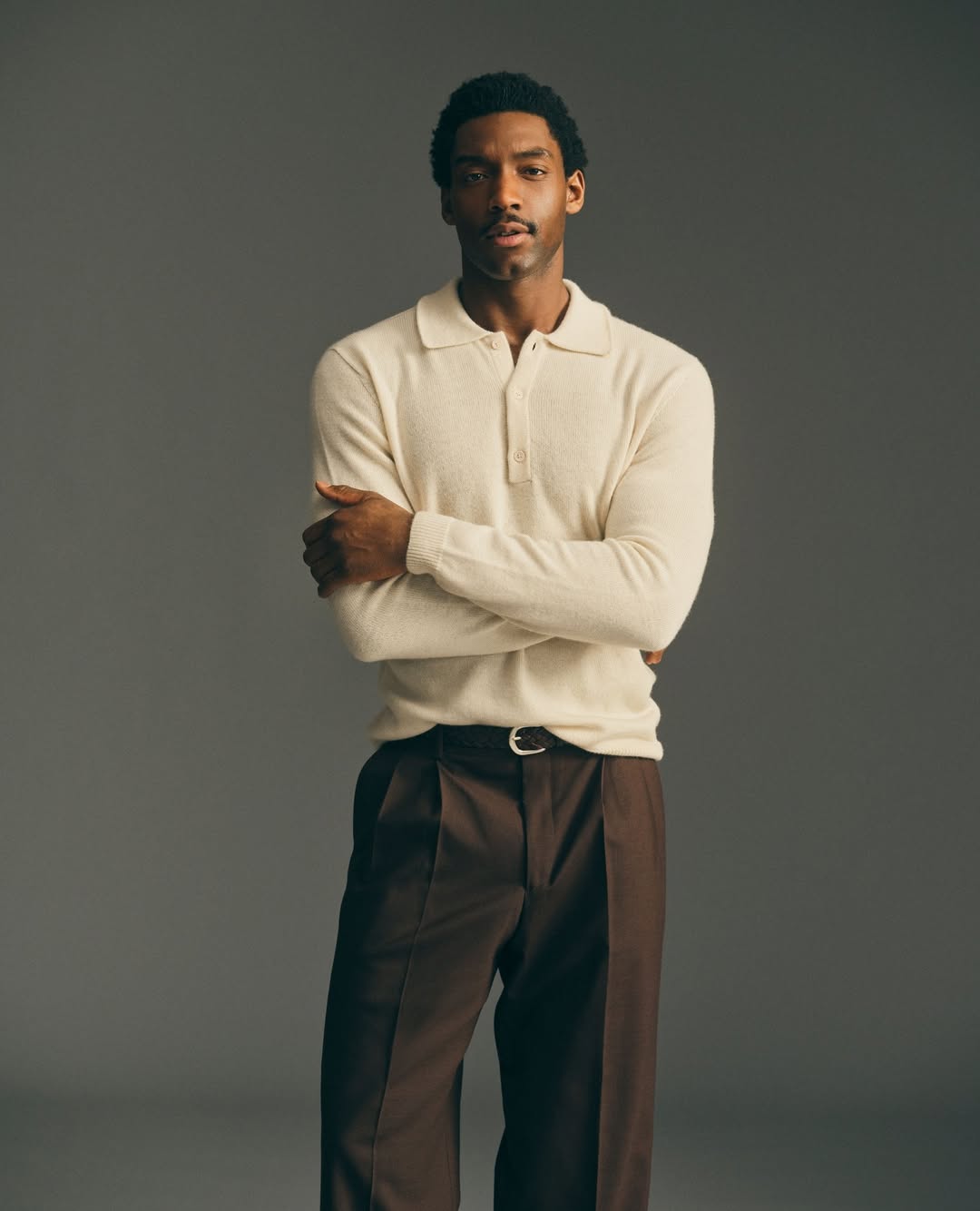
The current revival of sweater polos is much more intentional. It ties in nicely with menswear’s broader return to mid-century influences, timeless tailoring and garments with a real historical foundation. In an age increasingly fatigued by throwaway trends and hyper-branded fashion, men are gravitating towards pieces that are sophisticated, versatile and quietly confident.
High-profile moments have helped accelerate the revival. Daniel Craig in a custom knitted polo from Tom Ford Ghost introduced the silhouette to a younger audience in a particularly convincing way. When a piece of clothing looks this sharp on screen, people notice.
But the revival isn’t just driven by celebrities. The sweater polo also solves a modern menswear problem: men increasingly want clothes that feel elevated without looking overdressed. The knitted polo fits neatly into that space. It carries the structure of tailoring while retaining the comfort of knitwear, making it ideal for contemporary clothing.
How to wear one without going wrong
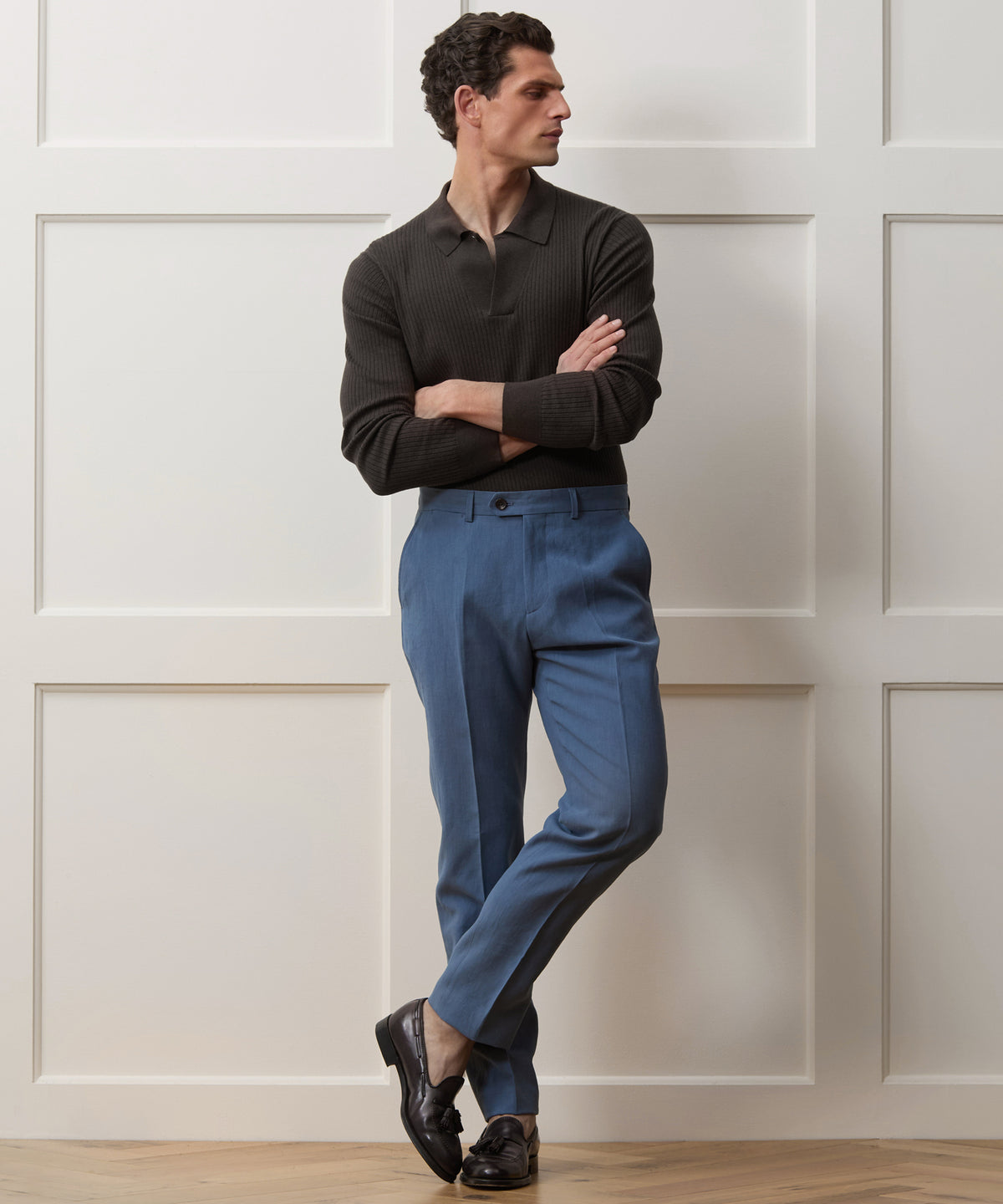
Getting the most out of a knitted polo comes down to a few important principles:
#1. Fit is everything
The fit is more important with a knitted polo than with almost any other casual garment. Because the fabric naturally stretches and falls, an oversized fit can quickly look sloppy, while a fit that is too tight can feel dated. The ideal silhouette should fall comfortably along the body without clinging.
#2. Stick to solid colors
This is where many of the failed versions of the 1980s went wrong. Overly busy patterns, color blocking and loud stripes often make knit polos appear costume-like. Solid colors allow the texture and construction to naturally stand out, and that’s where the real sophistication lies.
#3. Style it according to the occasion
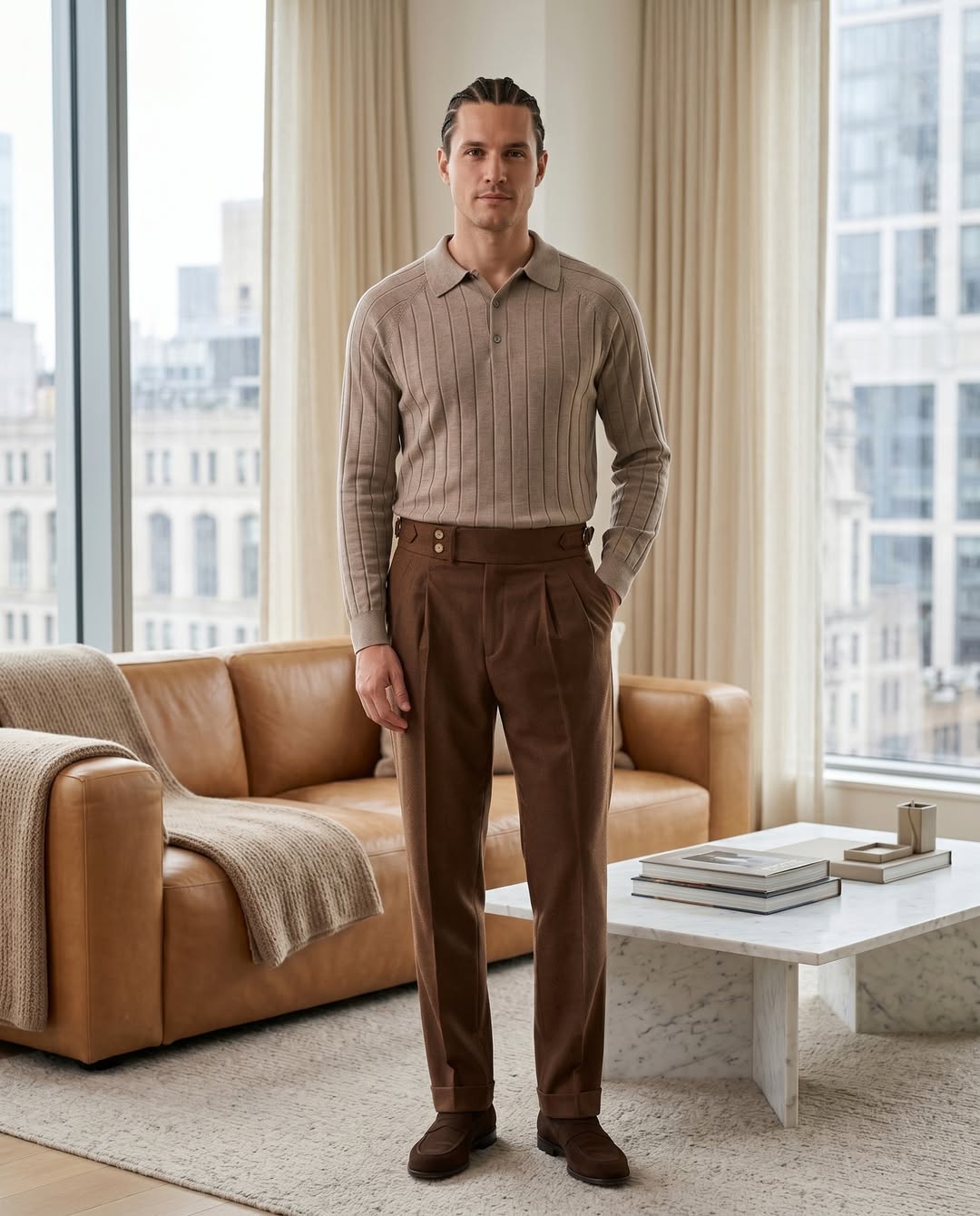
The sweater polo works because it easily adapts to different aesthetics. For a vintage-inspired approach, pair it with high-waisted pleated trousers, loafers or spectators and a relaxed blazer. For a sleeker classic look, wear it with tailored chinos and derby shoes. A more contemporary interpretation might include dark wash denim, leather sneakers and an overshirt or lightweight jacket over the top.
The key is restraint. The knitted polo already has visual texture and elegance, so the surrounding pieces should support it rather than compete with it.
The evidence points to timeless
The evidence ultimately points in one direction: sweater polos are not trend pieces pretending to be classics. They are true classics that are occasionally poorly styled. A garment that was refined in the 1930s, celebrated in the 1950s, abandoned during less flattering decades, and rediscovered today doesn’t strive for relevance. It returns to it.
Like most things in menswear, longevity comes down to execution. Buy for fit. Choose subdued colors. Focus on quality materials. Avoid versions that feel trapped in a specific fashion era, rather than connected to a broader tradition. Do that, and a knitted polo will serve you well for years to come, not because it’s trendy, but because it’s really good.
Featured image: Polo Ralph Lauren
—Read also