


Digital fashion media is without a doubt one of the most influential forces shaping the fashion industry today. From social media platforms to virtual runways and digital-first campaigns, fashion is no longer limited to physical spaces. Instead, it is evolving into a fully immersive digital experience that seamlessly combines creativity, technology and storytelling.
The rise of digital fashion media over the past decade is far from coincidental. It reflects a convergence of changing consumer behavior, rapid technological advancements and the growing dominance of online platforms. The shift accelerated significantly during and after the COVID-19 periodwhen digital engagement became the primary way people consumed content. As audiences spend more time in digital environments, brands are responding by creating content that not only exists online, but thrives there. In this landscape, digital media has become central to the way fashion is experienced, shared and understood.
This shift is not just an evolution. It represents a fundamental change in the way fashion works. Digital fashion media no longer supports the industry; it is actively reshaping them and redefining how brands communicate, how consumers engage and how trends are created and sustained.
What are digital fashion media?
This refers to the use of online platforms and emerging technologies to create, distribute and promote fashion content. It includes everything from social media campaigns and virtual fashion shows to 3D clothing, influencer-driven content and designs created exclusively for digital spaces.
Unlike traditional fashion media, which relies heavily on print publications and physical runway shows, digital fashion media exists primarily online. The result is that it is faster, more interactive and accessible to a global audience at any time.
Fashion is no longer limited by geography or rigid production timelines. Brands can now reach millions of people directly, making this development an essential tool for visibility, engagement and growth.
Why does it grow so fast?
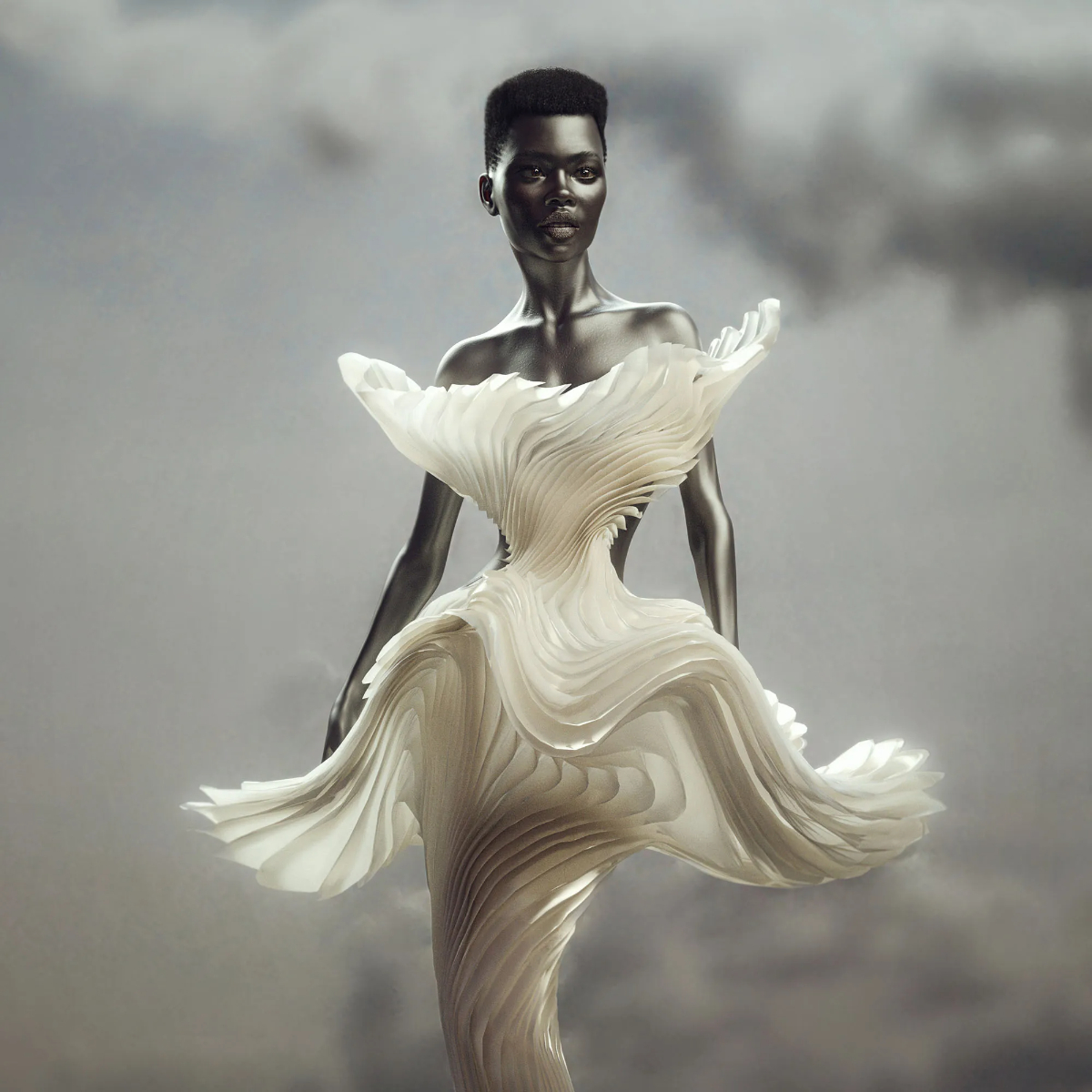
Several key factors are driving the rapid expansion of digital fashion media.
#1. Social media dominance
Social media primarily play a determining role. Platforms like Instagram, TikTok and YouTube have essentially become the new runways for discovering and sharing trends. Fashion is now consumed through short videos, reels and interactive posts rather than traditional editorial formats. This shift has fundamentally transformed the way fashion works, making it more direct, participatory and democratic.
#2. Consumer behavior has changed
At the same time, audience expectations have evolved. Today’s consumers prefer fast, visual and… engaging content. They want to see how garments move, fit and integrate into everyday life, and digital fashion media offers just that.
In response, brands are prioritizing immersive formats such as trial sessions, styling videos, behind-the-scenes content and interactive stories. Ultimately, this makes fashion feel more recognizable, reliable and accessible.
#3. Technology is advancing rapidly
Equally important, technological advances are accelerating this growth. Tools such as augmented reality (AR), virtual reality (VR) and 3D design are transforming the way fashion is created and experienced.
For example, brands can now design garments digitally before producing physical samples, improving efficiency and reducing waste. Meanwhile, virtual try-ons allow consumers to visualize pieces in real time, increasing both convenience and confidence. Brands such as Balenciaga And Gucci have already experimented with digital fashion spaces and virtual experiences, showing how technology is reshaping both design and consumer engagement.
#4. Brands strive for efficiency and reach
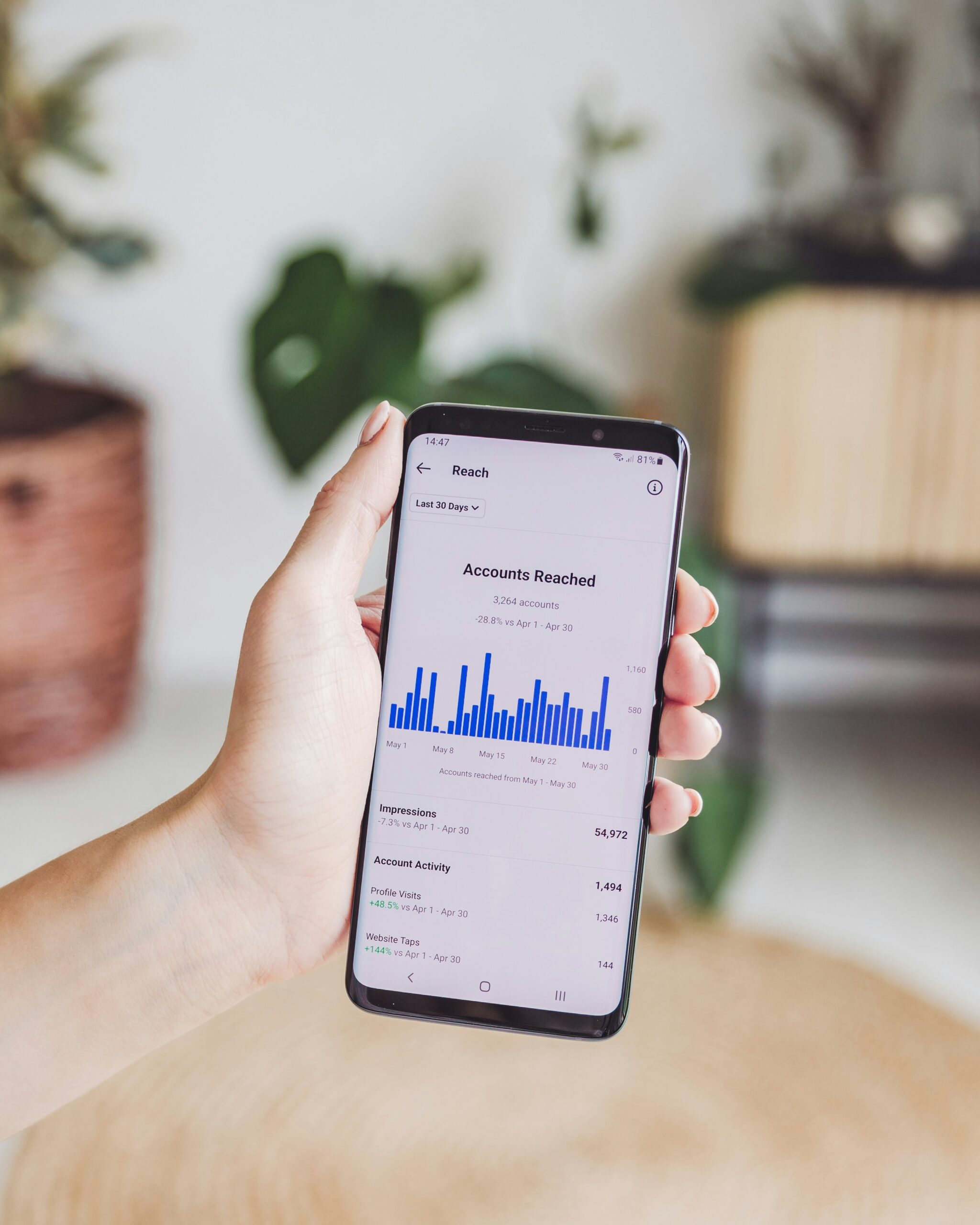
Digital campaigns offer a compelling advantage: they are often more cost-effective than traditional fashion shows, while delivering significantly greater reach. This allows brands (both established and emerging) to instantly connect with a global audience, without the limitations of location or production scale. In turn, digital fashion media becomes a highly scalable and strategic tool for growth.
For example, forward-thinking brands have explored digital fashion collaborations and virtual collections, creating pieces that exist only in digital environments yet retain cultural and commercial value.
#5. The rise of digital identity and virtual expression
The concept of digital identity is changing the way fashion is perceived. Self-expression is no longer limited to physical clothing; it is now expanding to online personas, avatars and virtual communities. From curated social media profiles to gaming environments, individuals are becoming increasingly conscious of how they present themselves digitally.
Fashion now exists both on and outside the body. Brands are designing pieces exclusively for digital use, unlocking new levels of creativity, personalization and experimentation that were previously unthinkable.
The impact of digital fashion media on the fashion industry
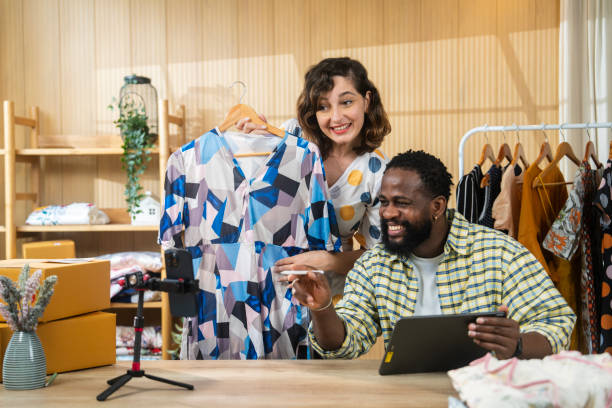
The rise of digital fashion media is reshaping the fashion industry in powerful ways.
#1. Shift in marketing strategies
Brands are going beyond traditional advertising and focusing on storytelling, content creation and digital engagement. Influencers, creators and digital stylists now play a central role in shaping brand stories. This shift is also impacting how brands allocate their budgets, moving away from traditional media placements to digital-first strategies that prioritize engagement, data and direct consumer interaction.
#2. Mix of fashion and technology
Fashion and technology are becoming increasingly intertwined. Designers are using digital tools to create collections that may never physically exist, but still have cultural and commercial value in virtual spaces.
#3. Creating new career opportunities
Digital fashion media opens up entirely new career paths. Roles such as digital stylists, virtual designers and content strategists are quickly gaining relevance as the industry evolves.
What’s next for digital fashion media?
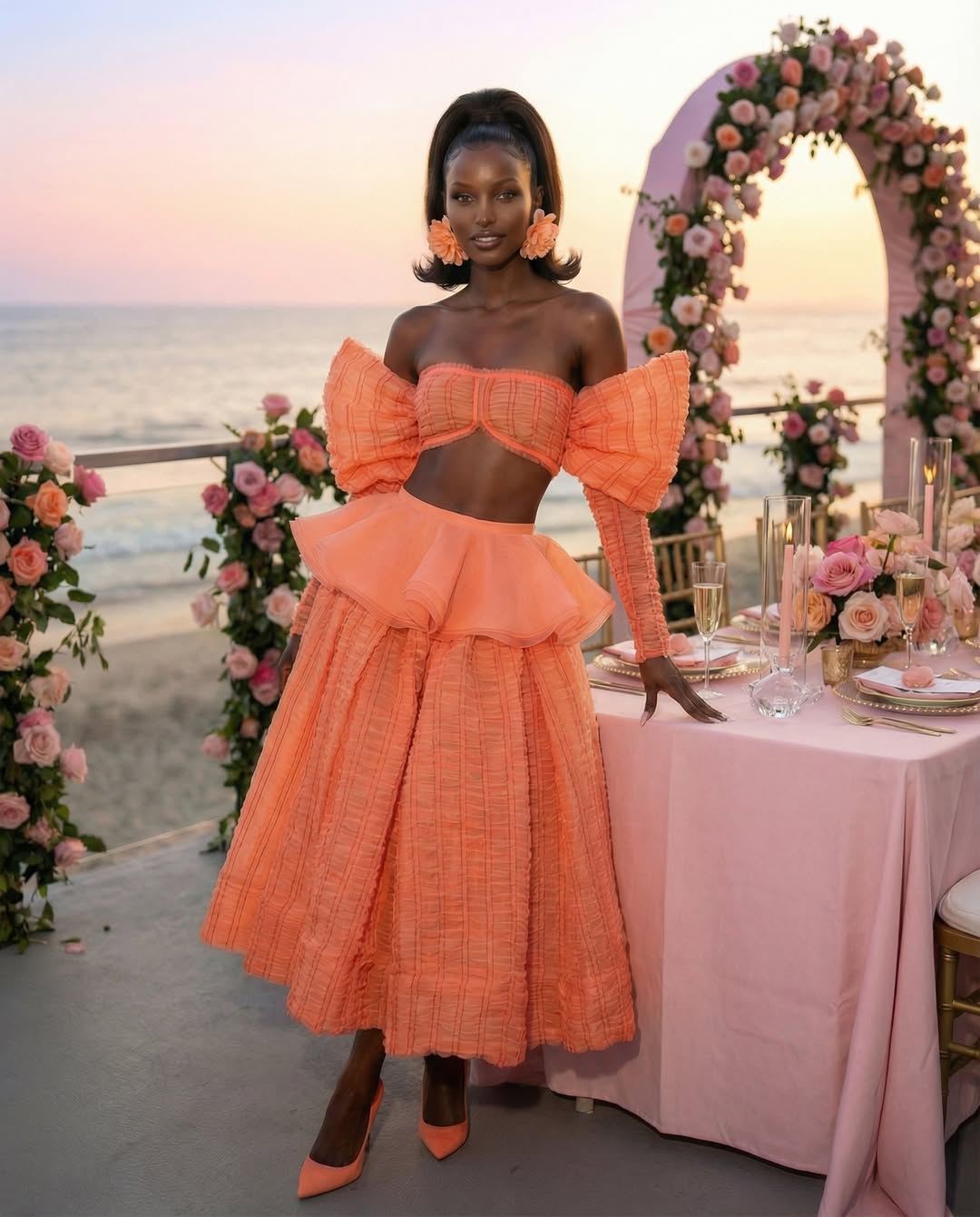
Looking ahead, digital fashion media shows no signs of slowing down. More brands are expected to invest in virtual experiences, digital clothing and interactive storytelling. Deeper integration with emerging technologies, such as AI-generated design and virtual marketplaces, will likely redefine the way fashion is produced and consumed.
Digital fashion media will continue to shape the way people discover, interact with and experience fashion. It is no longer a passing trend; it becomes the foundation of the modern fashion industry.
Final thoughts
The rise of digital fashion media signals a fundamental shift in the way fashion is created, shared and experienced. By combining creativity with technology and accessibility, it offers possibilities that traditional media simply cannot match. For brands, it opens new avenues to a global audience. For consumers, it creates more engaging and interactive experiences. And for the industry as a whole, it represents a future that is faster, smarter and more connected.
Digital fashion media is no longer an extension of the industry, but becomes the industry itself. As technology continues to evolve, those who understand and adapt to this shift will shape the future of fashion, while others risk being left behind. The runway may have gone digital, but the impact is very real.
Featured image: @zeemaya.zai/Instagram (This is an AI social media influencer).