


Wellness no longer means performing for visibility or competing for attention through perfectly curated routines and aesthetic lifestyles. It is quietly stepping away from the noise and retreating into something softer, slower and much more intentional. What was once loud on social media – morning smoothies, intense workouts and elaborate self-care rituals – is starting to lose its appeal as people look for something deeper than appearance. Instead, a new kind of luxury has emerged that does not need to be seen, but only felt.
This shift is subtle but powerful, almost like a collective exhale afterwards years of constant stimulation and the pressure to always be ‘on’. Well-being is now moving inward, towards silence, structure and sustainability, where rest is not treated as laziness but as a form of recovery. Today’s most desirable form of self-care is not loud or very carefully curated; it is intentional, private and almost invisible in its simplicity. It is in this quiet space that a new definition of luxury emerges, one that values silence over spectacle and balance over performance.
Why quiet wellness matters now
The rise of silent wellness reflects a larger cultural truth: people are tired – physically, mentally and emotionally. Constant visibility, productivity pressures and digital overstimulation have led to a growing need for disengagement. Luxury self-care shifts from stimulation to recovery. Peaceful wellness does not require attention. It restores it.
Instead of doing more, people choose less. Instead of constant output, they choose balance, recovery and space to simply exist without pressure. Slowing down is not seen as weakness; it becomes a form of strength.
Wellness is no longer about performance

Wellness once lived online: morning smoothies, intensive training routines, matching gym sets and extensive skin care steps filmed under perfect lighting. That version of wellness is starting to lose its influence.
People are moving away from performative routines and opting for practices that restore energy rather than demonstrate discipline. In this space, tranquility ceases to be content; it is a necessity. Wellness shifts from appearance to function. The goal is not to look healthy, but to feel stable, rested and clear.
Sleep tourism is becoming the new luxury escape

Sleep has become a status symbol. Hotels and resorts are now designing entire experiences around tranquility. Soundproof rooms, circadian lighting systems, curated sleep menus and digital detox packages are becoming standard in luxury wellness travel.
The rise of sleep tourism reflects a deeper cultural fatigue. Adventure or aesthetics aren’t the only reason people travel these days; they also travel to recover. Sleep-focused retreats are now competing with traditional luxury vacations and offering something more valuable than sightseeing: uninterrupted rest.
Spa culture is shifting from indulgence to reset

Spa culture has evolved far beyond facials and massages. These spaces now function as recovery environments. Contrast therapy, infrared saunas, lymphatic drainage, hydrotherapy circuits and sensory deprivation rooms increasingly define the modern spa experience.
Spa visits have also become part of routine maintenance for high-performing individuals. Contemporary spa design prioritizes silence, minimalism and emotional tranquility, where the atmosphere is as important as the treatment itself.
Supplements move into everyday luxury
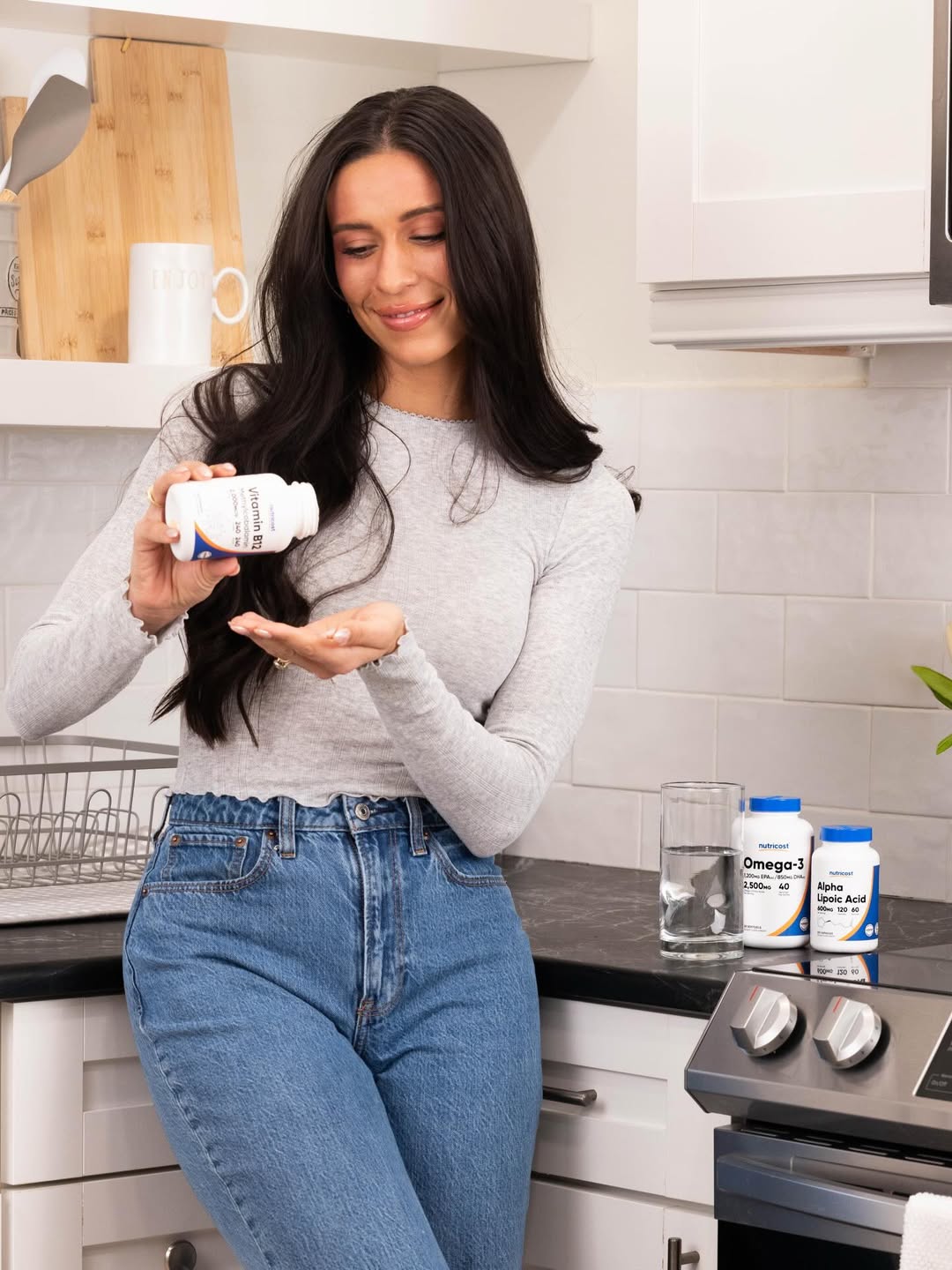
Supplements now play an important role in daily routines, with skin protein blends, magnesium support and gut health formulas becoming part of simplified self-care systems. The shift goes beyond products; it’s about consistency.
These supplements are now used almost like skin care: daily, intentionally and without skipping. Brands are increasingly positioning them as essential lifestyle products rather than medical add-ons, strengthening their appeal within the modern luxury wellness culture.
Fitness aesthetics are moving towards soft power

In today’s wellness landscape, fitness is accommodating and makes room for more than just extremes. The loud, intense gym culture is giving way to gentler, more balanced movement exercises. Pilates, barre, controlled-intensity strength training and long walking routines now define the modern fitness aesthetic.
The focus has shifted from transformation to maintenance. Bodies are no longer treated as projects; they are treated as systems that require care, balance and consistency. Fitness now fits into the lifestyle instead of dominating it.
Wellness routines are becoming more personal and less rigid

The modern wellness routine is flexible. Instead of strict schedules, people build rhythms that adapt to their lives. Some days prioritize movement and structure; others focus entirely on rest, hydration or nutrition. Personalization replaces rigidity.
People are increasingly choosing routines that support their emotional and mental state, rather than forcing themselves into unsustainable systems. This shift toward adaptability creates the kind of long-term sustainability that previous wellness trends often lacked.
Final thoughts

Luxury once meant access. Now it means recovery. The ability to sleep deeply, move slowly, and live without constant noise becomes more valuable than many traditional markers of success. In a world shaped by speed, visibility and endless demand, tranquility has become rare, and that rarity now defines luxury.
Silent wellness isn’t just a trend; it is a correction to the way people have lived. For years, success was measured by how much could be done, seen and shared. That definition is now shifting. More and more people choose silence over stimulation, structure over chaos and recovery over performance.
The most powerful form of self-care is not something you put on display. It’s something you feel in your body, in your mind and in the way you move through the day.
Featured image: Anabelle