


Jewelry is often registered before a conversation begins. A ring worn every morning, a snug necklace or a cuff put on while running errands can be a sign of memory, taste and ease. With repeated wear, these items begin to retain emotional value. What starts as a piece of jewelry can become part of an identity, giving familiar clothing a stable character. That constant presence makes the personal style feel intentional, calm, and relatable over time.
What makes certain pieces of jewelry memorable is not always their price or size, but how naturally they become part of everyday life. The pieces that people repeatedly reach for often determine how others recognize them and how they recognize themselves. Over time, jewelry can go beyond decoration and become something more personal: a visual signature linked to routine, memory, comfort and identity. That’s why the most durable pieces aren’t usually the loudest, but the ones that feel effortless enough to wear through any version of everyday life.
Here you can read how jewelry becomes part of your personal identity
Repetition shapes personal style
The personal signature comes less from volume and more from repetition, tactile comfort and shapes that stay in place naturally with daily movements. Collections such as Arms of Eve often fit that pattern, with pieces chosen for workdays, travel, meals and quiet weekends. As wear becomes routine, ornamentation shifts from an incidental detail to a familiar visual feature associated with an individual.
Jewelry takes on emotional meaning over time
Repeated wear gives jewelry a psychological weight. A bracelet linked to recovery, a pendant marking parenthood, or earrings chosen for a first leadership role can have a layered meaning. These pieces store private history without explanation. Friends begin to associate the same item with its wearer rather than with the event that first introduced it.
Certain jewelry shapes stand out more than others
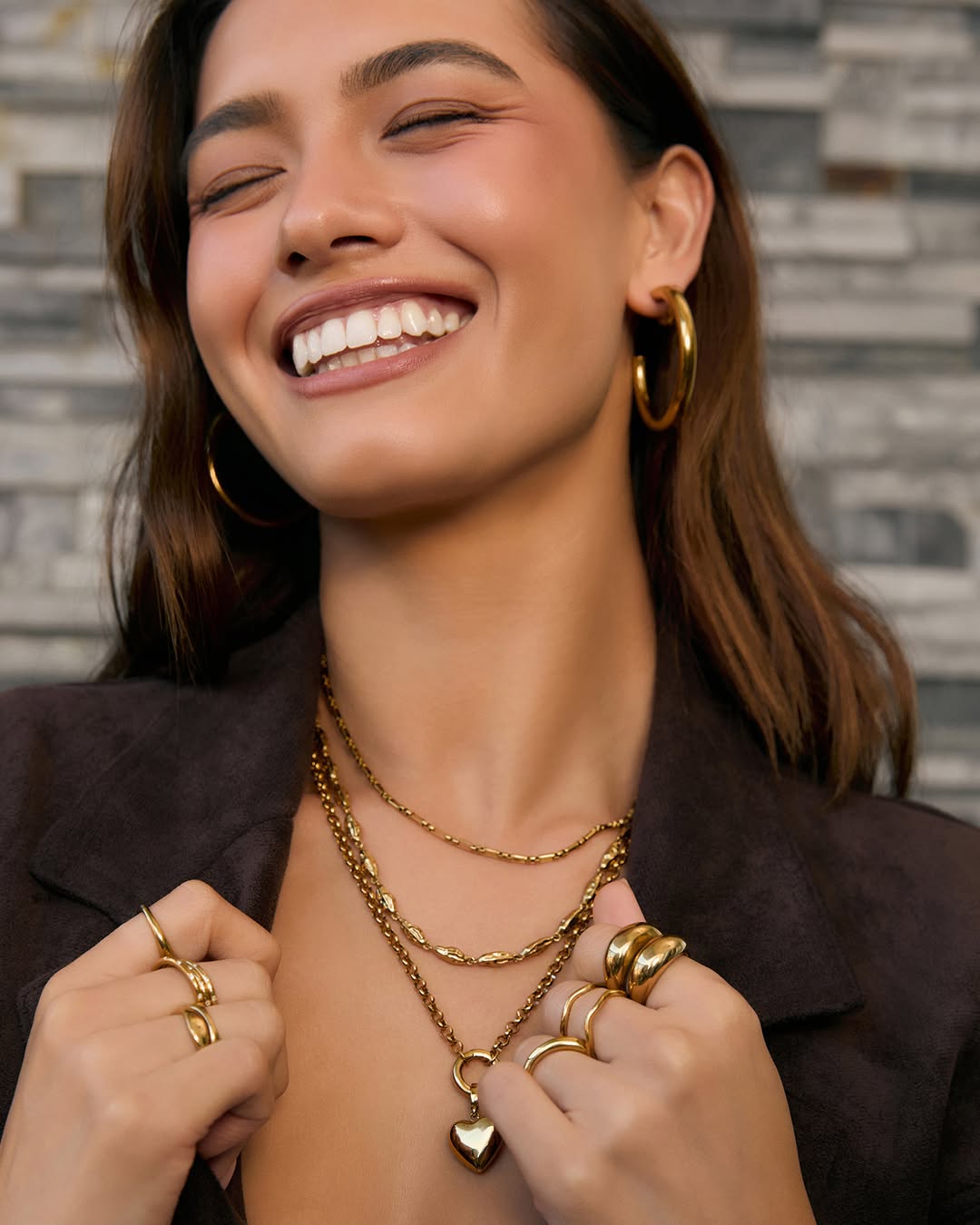
Form influences recognition more quickly than embellishment. Rounded hoops often suggest ease, while angular cuffs can be precise and controlled. Delicate chains usually create a feeling of restraint, especially around the collarbone. When someone keeps one silhouette in regular circulation, that outline is easy to recognize at a glance. Consistency does not require sameness. A shared curve across multiple pieces can still create visual order.
Materials influence the way jewelry feels and looks
Metal tone, finish and surface texture are all form perception. Polished gold can feel warm against the skin, while silver often looks cooler and sharper. Pearls soften structured clothing and hammered surfaces add dimension without heavy detailing. Material choice also affects wearability. If a garment feels comfortable on the skin and fits into the daily routine, it is much more likely to remain in constant use.
Comfortable jewelry is worn most often
A signature piece must tolerate ordinary life. Fasteners must be strong, the weight must be manageable and surfaces must be resistant to quick scratches. If the care feels burdensome, the item usually goes from habit to storage. Reliable construction supports automatic wear. That’s important because repetition is what becomes fun purchase into a trusted extension of identity.
Signature jewelry simplifies personal style
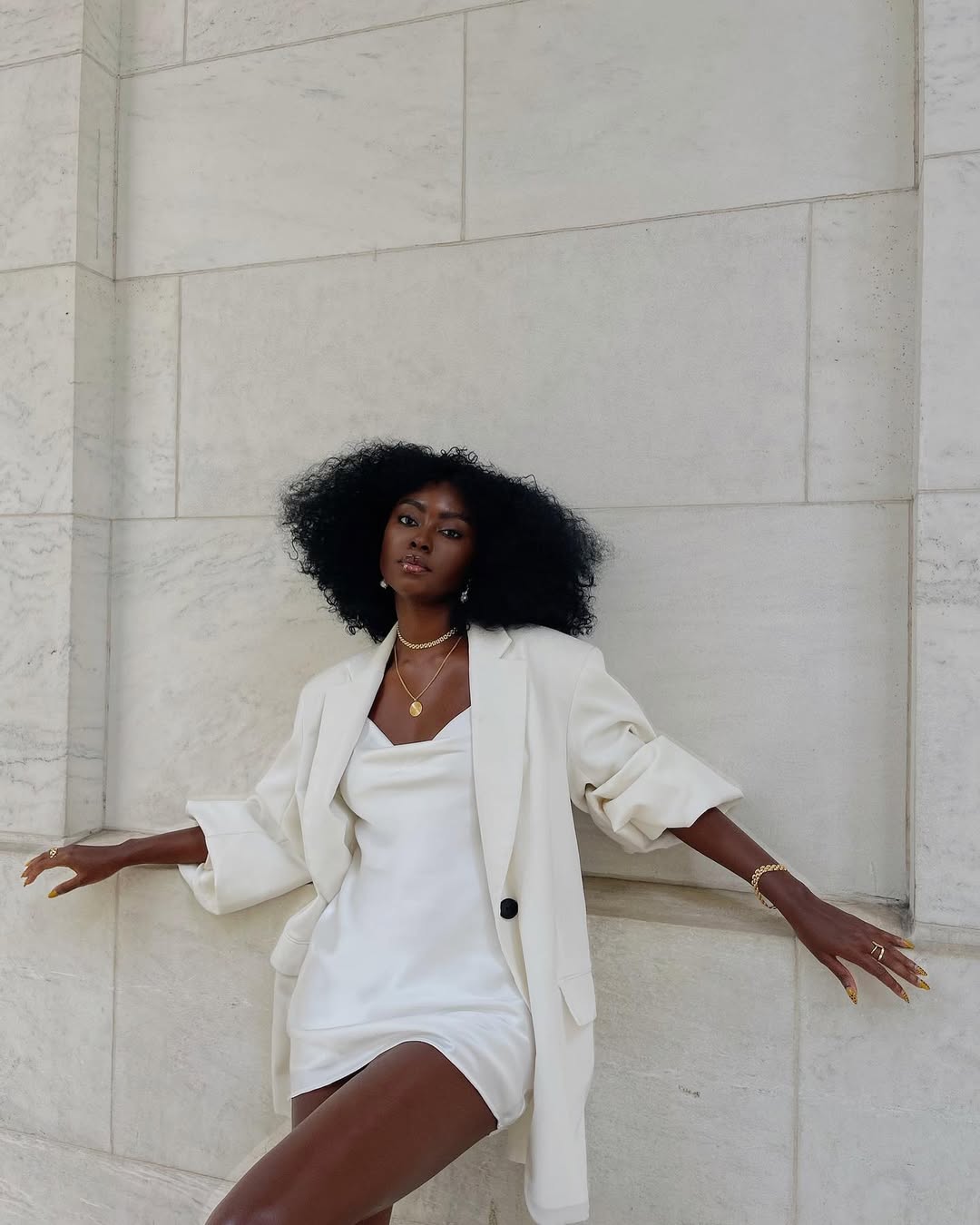
Once a core piece is established, dressing often becomes easier. A narrow bracelet can complete the tailoring, soften denim or mirror a bag’s hardware with little effort. One reliable chain can frame knitwear, open collars and evening dresses equally well. Because the jewelry remains constant, clothing can move freely without the overall impression feeling scattered or uncertain.
Why subtle jewelry often leaves the strongest impression
Visibility does not only depend on size. A small signet ring or a narrow earpiece can leave a stronger memory than a heavier decoration. The distinctive character grows when the design matches the posture, proportions and daily pace of the wearer. Subtle pieces often succeed for one reason. They remain long enough for others to associate them with a particular face, voice and personality.
How to layer jewelry without looking overdone
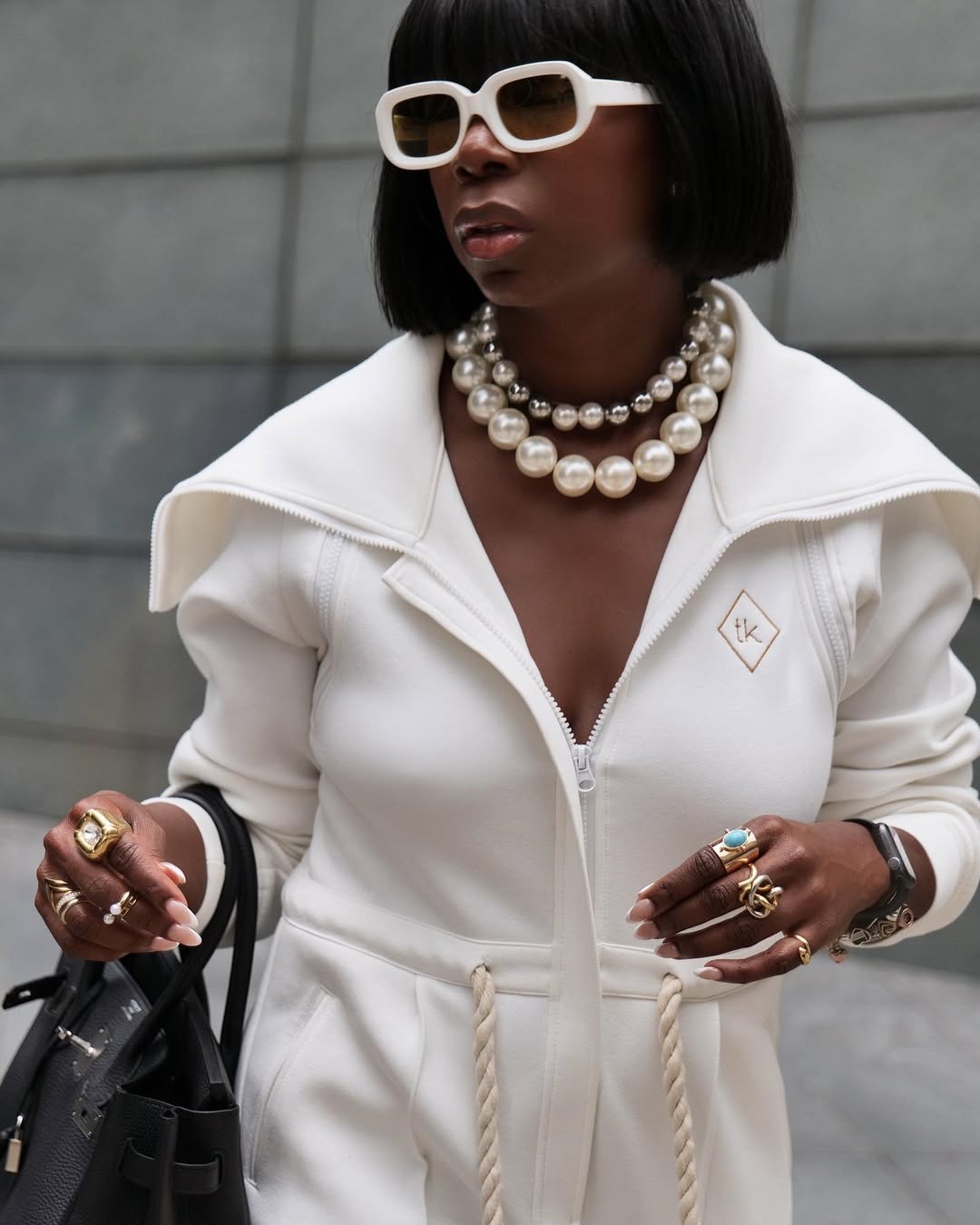
Layering works best when one element draws the eye. A statement cuff can anchor finer bracelets, while an initial pendant can direct shorter chains into place. This structure allows the viewer to quickly relax instead of searching for focus. Thoughtful combinations feel collected rather than busy, because each part fulfills a clear function within the overall impression.
Memory creates a strong attachment to jewelry
Behavioral research often shows that repeated sensory stimuli strengthen memories. Jewelry benefits from that pattern because touch, sound and sight work together. The cool feel of metal, a familiar click of the clasp, or a light wave near the cheek can strengthen the attachment. Over time, these cues make a piece feel less like an accessory and more like personal shorthand.
How personal style develops and yet remains recognizable
Taste changes with age, workload and circumstances, but a signature can still remain clear. Some people stick with one metal tone, others return to a family symbol, and many have preferred similar proportions for years. Continuity is a common thread rather than an exact duplication. This thread allows jewelry to grow with the wearer, while retaining its recognizable character.
Conclusion
Carefully chosen jewelry earns lasting value through comfort, repetition and memory. It does more than complete clothing. It helps other people recognize the continuity in one’s presence, habits, and sense of self.
When form, material and daily use are aligned, a piece can survive changing trends and integrate naturally into everyday life. That enduring role explains why certain rings, chains or cuffs seem inseparable from the people who wear them.
Featured image: Kateryna Hliznitsova/Unsplash
—Read also