


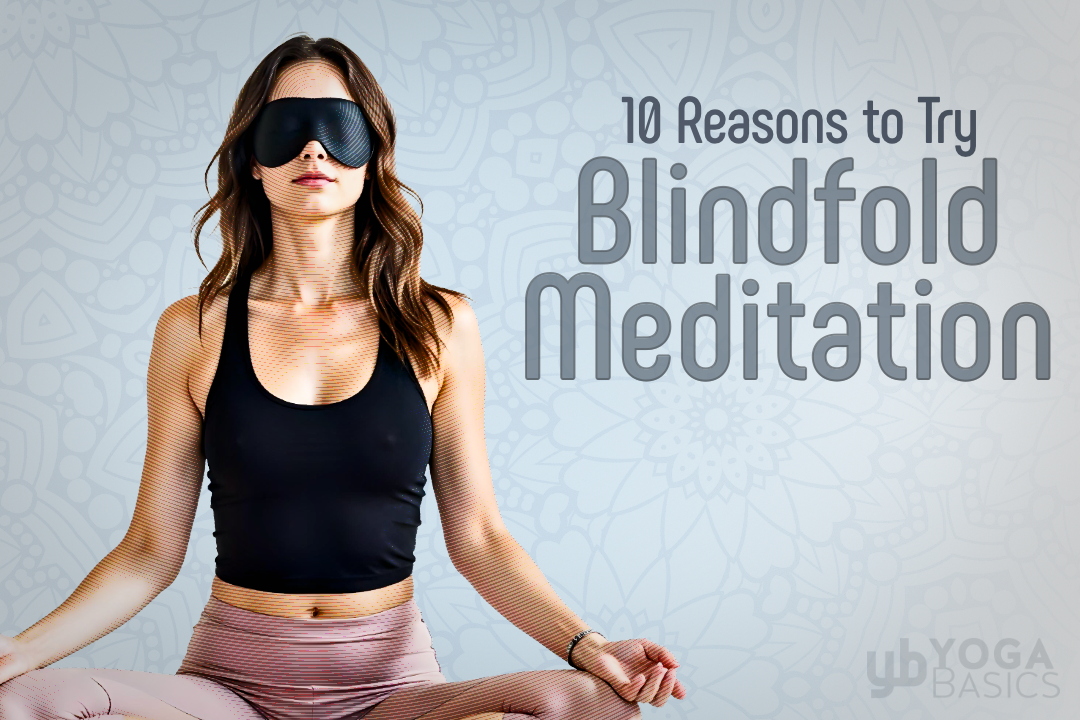
Have you ever found yourself settled on your meditation cushion, eyes closed, breathing deeply, yet still feeling… distracted? Even the faintest glimmer of light filtering through your eyelids can allow a hint of the outside world to intrude. This slight disturbance might be sufficient to keep your mind anchored to the external environment, hindering your ability to enter a profound meditative state. An effective remedy for this is to incorporate a blindfold into your meditation practice.
Understanding Blindfold Meditation
Blindfold meditation refers to the practice of meditating while wearing an eye mask or blindfold. This approach creates complete darkness, which isn’t achievable with merely closed eyes. By eliminating all visual stimuli, you enhance your awareness of other senses, such as touch, sound, movement, and proprioception. The blindfold amplifies your inward focus, allowing you to concentrate more on internal sensations and the present moment.
This concept is not a recent phenomenon. For ages, Eastern spiritual traditions have acknowledged the significance of withdrawing the senses, a practice known as pratyahara in yoga, to enrich introspection, focus, and concentration. Ancient texts describe meditating in pitch-black caves to attain deep states of awareness and consciousness. In those dark mountain caverns, practitioners faced no distractions—no sights or sounds—just a pure connection to the present moment.
The Philosophy Underpinning the Experience
Pratyahara, a fundamental tenet in yogic philosophy, entails a conscious withdrawal of the senses. I often refer to the analogy of a turtle retracting its limbs and head into its shell. The shell represents our mind and body, while our senses symbolize the limbs. By redirecting our attention away from the external stimuli—the sights, sounds, and aromas that perpetually vie for our attention—we can turn that awareness inward.
Ancient yogis recognized that our senses, or indriyas, function like open windows. If these windows are in constant motion, our inner tranquility will be disrupted, scattering our vital energy, or prana. Through the practice of pratyahara, we guide our attention within, preserving our energy and calming the fluctuations of the mind. This is a crucial and foundational step towards achieving deeper meditative experiences, such as dharana and dhyana.
From a yogic standpoint, the use of a blindfold can significantly enhance mindfulness and body awareness. When you close your eyes or don a blindfold during your yoga practice, you naturally place greater emphasis on other senses—touch, sound, movement, and breath. This can deepen your practice and allow you to detect subtle sensations that you might otherwise overlook.
The Scientific Basis of the Experience
The visual cortex of the brain processes a vast array of visual stimuli, from simple shapes to intricate scenes, which requires extensive neural computation. This complexity demands significant neural resources to effectively interpret visual information. When you wear a blindfold, your brain adapts to the absence of visual input. Neuroplasticity, the brain’s remarkable ability to change and adapt, reallocates these resources to enhance other areas[1]. This reallocation of mental resources clarifies why sounds, physical sensations, and internal awareness become more pronounced during blindfolded meditation[2].
Advantages of Blindfold Meditation
- Improved Focus
Covering your eyes instantly removes the primary source of distraction for many: the visual environment. Your awareness has fewer avenues to wander, sharpening your concentration and making it easier to maintain focus on your chosen point of attention, whether it’s the sensation of your breath or the sound of a mantra. - Greater Relaxation
Did you know that light acts as a natural stimulant for the brain? By creating a serene, dark environment, you signal to your nervous system that it’s time to unwind. This simple reduction in sensory input promotes a soothing sense of inner peace and deep relaxation. - Enhanced Inner Awareness
With your eyes covered, your attention naturally shifts inward. You become more attuned to the intricate landscape of your inner world—your thoughts, emotions, and the subtle sensations within your body. A blindfold serves as your personal turtle shell, enabling you to tune out the outer world and listen deeply to your internal experiences. - Amplified Senses
When one sense is subdued, others often become heightened. While blindfolded, you may notice subtle sounds or the sensation of air on your skin with newfound clarity. This practice can profoundly deepen your connection to the present moment in a very tangible way. - Boosted Imagination
By quieting your external vision, you grant your mind’s eye the freedom to explore. This makes blindfold meditation an excellent tool for practicing creative visualization. Your inner landscape transforms into a canvas, allowing you to paint it with greater vividness and detail. - Access to Deeper Meditative States
Many individuals find that wearing a blindfold enables them to reach deeper meditative states more swiftly. As the mind quiets beyond its usual chatter, you can transition from simple concentration into a profound absorption state known in yoga as Dhyana. This can lead to transformative experiences of stillness, peace, and seamless flow. - Enhanced Sleep Quality
Blindfold meditation is an excellent practice to engage in before bedtime. The deep relaxation and tranquility you cultivate can carry over into your night, facilitating a quicker transition to sleep and more restorative rest. It’s a valuable addition to a mindful bedtime routine. - Encouragement of Spiritual Growth
Ultimately, blindfold meditation is a potent tool for self-discovery and spiritual awareness. It invites you to delve into your inner dimensions and cultivate a more profound, intimate relationship with your own consciousness. - Establishment of a Consistent Meditation Environment
Think of a blindfold as your personal meditation cave. It creates a uniform internal environment, regardless of your surroundings or what’s happening around you. This consistency can greatly support your practice, allowing you to find your center even in unfamiliar or distracting settings. - Heightened Sensory Awareness After Meditation
One of the most delightful effects occurs when you remove the blindfold. The world often appears more vivid, colors may seem brighter, and everyday sights can feel more engaging and beautiful. It’s a wonderful way to re-enter your day with a fresh perspective and an open mind.
Getting Started with Blindfolded Meditation
1. Create Your Cocoon:
- Find a Tranquil Location
Select a comfortable area where interruptions are unlikely. An organized, clutter-free space is ideal. Dim the lights or light a candle (if safe) to ease the transition of putting on and taking off the eye mask. Ensure your surroundings are clear of obstacles. Sitting on a cushion or sturdy chair can help you feel secure and balanced. - Select Your Blindfold
You don’t need anything extravagant. A soft, breathable eye mask made from silk or cotton works wonderfully. Aim for one that fits snugly enough to block out light without causing discomfort around your eyes. (Refer to our guide below for recommendations.) - Set the Atmosphere (Optional)
Some individuals enjoy soft ambient music or nature sounds, while others prefer complete silence. You might even consider using earplugs to deepen the sensory withdrawal. Experiment to discover what resonates best with you. - Prepare for Temperature Changes
Sitting still for an extended period may cause your body temperature to drop, which can become distracting. Consider keeping a cozy blanket or meditation shawl nearby.
2. Gradually Ease Into Your Practice
Begin with just five minutes. As you grow more comfortable, you can gradually extend your sessions. This is your personal practice, so progress at your own pace. If complete darkness feels challenging, consider gradually acclimating yourself.
- Start in a dark or dimly lit room with your eyes closed.
- Next, try a lightweight scarf loosely draped over your eyes.
- When you feel ready, transition to a dedicated eye mask.
3. Techniques to Experiment With
Once you’re prepared, here are a few straightforward techniques to try:
- Focus on Your Breath: Gently direct your attention to the natural rhythm of your breath. Feel the air entering and exiting your body. The breath serves as your anchor.
- Body Scan: With your eyes covered, slowly guide your awareness through your body, from your toes to the crown of your head. Notice any sensations without the urge to judge or alter them.
- Chant a Mantra: The gentle, repetitive vibration of a mantra can be profoundly centering. You might try a simple Sanskrit mantra like Om or So Hum.
- Guided Journey: You don’t have to navigate this alone! Guided meditations and sound baths, particularly those centered on visualization or sensory awareness, are perfect for a blindfolded practice.
4. Embrace the Unfamiliar
It’s normal to feel a bit odd or even slightly disoriented at first. If feelings of discomfort or anxiety arise, approach them with gentle curiosity rather than resistance. These moments can offer some of the deepest insights. However, if it ever feels overwhelming, give yourself permission to pause, remove the blindfold, take a few grounding breaths, and try again when you feel ready.
5. Removing the Blindfold
Exercise mindfulness as you conclude your practice. When your time is up, resist the impulse to abruptly remove the blindfold and rush back into your day. Instead, keep your eyes closed and slowly take off the mask. Notice the subtle shift as light seeps through your eyelids. Take some deep, slow breaths. When you’re ready, gently flutter your eyes open and observe the world with renewed awareness.
Selecting an Eye Mask
Choose your meditation eye mask thoughtfully. Effective light-blocking is crucial, as it creates the darkness necessary for relaxation, preventing the frustration of light seeping through. Comfort is also essential. Look for soft materials like memory foam, silk, or cotton, which minimize pressure on your eyes and face, allowing for longer meditation sessions without distraction. A secure fit is vital; adjustable straps ensure the mask isn’t too tight or prone to slipping off. The following table lists the best eye masks suitable for meditation:
| Product | Image | Rating | Highlights | Pros | Cons | Price Range |
|---|---|---|---|---|---|---|
| Weighted Eye Mask for Meditation |  |
4.5/5 | Memory Foam, 3D Contoured, Adjustable Strap, Effectively Blocks Light | Comfortable, Excellent Light Blocking | May Require Adjustment for Optimal Fit | $ |
| Silk Eye Mask for Meditation |  |
4.5/5 | Silk Material, Adjustable Strap, Lightweight | Soft and Comfortable, Good Light Blocking | Can Slip During Use | $ |
| Sleep Eye Mask Blackout Lightweight |  |
4.6/5 | 3D Contoured, Adjustable Strap, Washable | Very Comfortable, Effective Light Blocking | Light May Seep Through Nose Area | $ |
| Mindfold Relaxation and Blackout Mask |  |
4.1/5 | Flexible Plastic, Total Darkness with Eyes Open | Complete Light Blockage, Comfortable Fit | Single strap may be uncomfortable | $$ |
| Soft Satin Eye Mask Blindfold |  |
4.5/5 | Silky Soft Satin, Lightweight, One Size Fits All | Very Soft, Convenient for Travel and Meditation | May Not Block All Light Completely | $ |
| FRESHME Deluxe Cotton Meditation Mask Gift Set |  |
4.5/5 | 100% Blackout, Adjustable Eye Mask, Gift Box Included | Comfortable, Excellent Light Blocking, Adjustable Fit | Can Become Warm With Extended Use | $$$ |
Concluding Thoughts
Blindfolded meditation opens the door to a profound inward journey. When the incessant stream of visual information quiets, we can perceive our inner world with much greater depth. We begin to feel the interconnectedness that maya, the veil of illusion and separation, typically conceals.
References


